How to Prepare Your Skin Before Summer: The Adult Pre-Sun Protocol After 40
Adults who treat summer skin protection as a day-of project lose ground every year. The honest pre-summer protocol that pays back for months of consistent outdoor exposure.

For most adults, summer skin protection starts the day they remember to pack sunscreen for a beach trip — usually mid-June, often later, when the cumulative damage of months of UV exposure has already begun. This is the wrong sequence. The skin you bring into summer matters more than the sunscreen you apply during it. A skin barrier that's been gradually conditioned over the spring tolerates sun, heat, humidity, sweat, and chlorine far better than a skin barrier that's been ignored all winter and suddenly asked to perform. After 40, when skin's natural defenses have measurably weakened and recovery from any damage takes longer, this preparation gap shows up as faster aging, more visible sun spots, and chronic low-level inflammation that persists into fall. The good news: the pre-summer skin preparation protocol is straightforward, takes 6-8 weeks of consistent execution, and pays back for months of outdoor exposure. This guide covers the specific routine adjustments that build sun-resilient skin, the products worth using, the actives to introduce or pull back, and the realistic expectations for what 6 weeks of preparation can and cannot do.
Why pre-summer preparation matters more after 40
Three age-related changes drive the need:
Skin barrier weakens with age. The same UV dose that produced a mild tan at 25 produces measurable damage at 50. Pre-conditioning the barrier improves tolerance.
Recovery slows. Sun damage repair that took days at 25 takes weeks at 55. Starting summer with damaged skin means damage compounds rather than resolves.
Pigmentation patterns become permanent. Sun spots from cumulative UV exposure are harder to fade after 50. Prevention through good pre-summer prep matters disproportionately at this age.
For the broader context on adult skin changes, see skincare for men after 40 — what's different and how to fade hyperpigmentation and dark spots.
The 6-8 week window
Effective pre-summer prep starts 6-8 weeks before your first significant sun exposure. For most Northern Hemisphere adults, this means:
- Beach vacation late June: Start prep in early May
- Summer beginning June: Start prep in early April
- Spring break in March: Start prep in late January
The window matters because the skin changes you're trying to produce — barrier strengthening, pigmentation suppression, hydration baseline lift, exfoliation rhythm — take weeks to establish. Last-minute prep (3 days before vacation) accomplishes almost nothing.
Phase 1: The first 2 weeks — barrier strengthening
The first two weeks of pre-summer prep focus on getting the skin barrier to baseline health:
Daily sunscreen, even when not visibly sunny. UV exposure is constant — see sunscreen after 40 — the non-negotiable. Daily SPF 30+ in these 2 weeks builds the habit and starts protecting against accumulated micro-damage.
Quality moisturizer twice daily. Building hydration baseline. Petroleum-based or ceramide-rich formulations work well — see skin barrier repair after 40.
Niacinamide serum. Strengthens barrier function and pre-conditions skin for sun resilience — see niacinamide for skin over 40.
Reduce aggressive exfoliation. If you've been using strong acids or retinol aggressively, pull back during these 2 weeks. The barrier needs to be intact when summer arrives.
Hydrate internally. Increased water intake matters. Dehydration shows on skin as reduced sun tolerance.
Phase 2: Weeks 3-4 — antioxidant loading
With barrier stabilized, introduce antioxidant protection:
Add a vitamin C + E + ferulic acid serum in the morning routine. CEF formulations dramatically extend UV protection beyond what sunscreen alone provides — see vitamin C serum for skin over 40 and ferulic acid for adult skin over 40.
Continue niacinamide. Compounds with antioxidant serums for stronger combined effect.
Daily SPF, now at 30-50+. Higher protection as days get longer and UV index rises.
Begin reducing makeup routines. Heavy makeup blocks the breathing skin needs for proper sun adaptation. Lighter foundations or none.
Consider azelaic acid for adults with rosacea or pigmentation tendencies — see azelaic acid for adult skin — the underrated multi-tasker.
Phase 3: Weeks 5-6 — pigmentation suppression
In the final weeks before summer, focus on suppressing pigmentation responses:
Continue all morning protections (vitamin C, niacinamide, SPF).
If you've used retinol consistently for 3+ months, continue. Retinol-conditioned skin is more sun-resilient than retinol-naive skin. If you're newer to retinol, see retinol for beginners after 40 — don't start a retinoid right before summer.
Spot-treat existing pigmentation. Concentrated treatments on dark spots help reduce baseline before sun exposure exacerbates them.
Add a peptide serum if not already in routine — supports collagen production and overall skin resilience. See peptides for skin over 40.
Switch to lighter daily moisturizers. Summer skin doesn't need heavy creams.
Phase 4: Weeks 7-8 — transition and rehearsal
The final two weeks before summer exposure:
Test your summer products on skin. New sunscreen formulations should be patch-tested 2 weeks before you depend on them. Reactions on vacation are inconvenient at best.
Establish a reapplication routine. Sunscreen needs reapplication every 2 hours during outdoor activity. Practice this rhythm before the trip.
Pack the right products. See skincare while traveling after 40 for the travel-specific skincare framework.
Get any procedures done well before summer. Microneedling, chemical peels, laser treatments — all increase sun sensitivity. Complete these at least 2-3 weeks before significant sun exposure. See microneedling at home after 40 — honest protocol and cosmetic procedures after 40 — what's worth it.
Increase hat and clothing protection. UV-blocking clothing and wide-brim hats become standard equipment.
Sunscreen — the most important variable
Pre-summer prep is largely about getting other variables right so sunscreen can do its job. The sunscreen choices that matter:
Mineral (zinc oxide, titanium dioxide): Best for sensitive skin, reef-safe, immediate protection on application. Can leave white cast on darker skin tones.
Chemical (avobenzone, octisalate, octocrylene): Lighter texture, no white cast, needs 15-20 minutes to fully activate.
Hybrid formulations: Combine both for balanced protection and feel.
Daily SPF (face): 30-50 minimum for face. Higher for body in active sun.
Water-resistant for activity: Standard formulations break down in water/sweat within 30-60 minutes. Water-resistant formulations extend this to 80 minutes.
Reapplication: Every 2 hours during outdoor activity. Non-negotiable.
For the deeper sunscreen breakdown, see sunscreen after 40 — the non-negotiable.
What to pull back during prep
Some routine elements should be reduced or paused during the 6-8 week prep:
Aggressive chemical exfoliation. Glycolic acid at 10%+ used daily makes skin more photosensitive. Reduce to 2x weekly or pause entirely.
Microneedling or dermarolling. Pause 4 weeks before significant sun exposure.
Retinol introduction. Don't start a new retinoid 8 weeks or less before summer. If already established, continue.
Strong vitamin C in high concentrations. Established users can continue; new users should not introduce new actives in the final 2 weeks.
Acne treatments using benzoyl peroxide. Reduce intensity if your normal routine is aggressive.
The principle: don't add new sensitizing actives in the 4 weeks before sun exposure. Maintain established routines.
The diet and hydration component
Pre-summer prep extends beyond topicals:
Hydration. Adults targeting summer should drink consistently throughout pre-summer weeks, not just on hot days. Baseline hydration affects skin tolerance. See hydration and how it affects skin and smell.
Antioxidant-rich foods. Tomatoes (lycopene), green tea (polyphenols), berries (anthocyanins), salmon (omega-3s) all support skin's UV defense from inside. Not a substitute for sunscreen but a complement.
Reduce alcohol. Alcohol dehydrates and inflames skin — making sun damage worse during exposure and slower to heal after. See how alcohol changes how you smell.
Sleep quality. Skin repair happens overnight. Pre-summer is a good time to improve sleep hygiene if it's been sliding. See adult male bedtime routine.
Specific concern adjustments
Adults with rosacea: Reduce vasodilating triggers (alcohol, spicy food) in prep weeks. Add azelaic acid early. Avoid known triggers in the days before sun exposure. See rosacea after 40 — why adult faces flush.
Adults with melasma: Increase vitamin C and azelaic acid. Pigmentation management starts months before summer. Sun can dramatically worsen melasma in days.
Adults with adult acne: Don't introduce new acne treatments right before summer. Maintain known-tolerated routine. See adult acne after 40.
Adults with very dry skin: Heavy emollients twice daily for the 8 weeks. Build hydration baseline as high as possible. See skincare for dry skin after 40.
Adults with combination skin: Different products for different zones. See combination skin after 40.
Adults with sensitive skin: Pull back all actives more aggressively. Build tolerance carefully. See sensitive skin after 40.
The morning-of-exposure routine
On days when significant sun exposure is planned:
- Cleanse gently
- Apply vitamin C / antioxidant serum
- Apply moisturizer
- Apply sunscreen — generous amount (1/4 teaspoon for face)
- Wait 15-20 minutes if chemical sunscreen for activation
- Apply sunscreen to neck, ears, hands (commonly missed)
- Reapply sunscreen every 2 hours when outdoors
- Reapply after swimming or heavy sweating immediately
For the broader morning routine context, see morning vs night skincare routine after 40.
The evening recovery routine
Post-sun-exposure days call for recovery-focused evening routines:
- Cool shower to soothe and reduce inflammation
- Gentle cleanse
- Hydrating serum (hyaluronic acid) — see hyaluronic acid for skin over 40
- Anti-inflammatory moisturizer — niacinamide, ceramides, panthenol
- Skip retinol on sun-exposed days — too irritating
- Drink water and rest
The recovery routine matters as much as the prevention. Skin that recovers well between sun exposures ages less than skin that doesn't.
Common mistakes
Skipping sunscreen on cloudy days. UV penetrates cloud cover. Daily SPF doesn't stop because the sun isn't visible.
Last-minute self-tanning. Self-tanner before a beach trip provides some UV protection but isn't a substitute for sunscreen. See self-tanning for adult men after 40.
Skipping lips, ears, and back of hands. These commonly-missed spots show some of the most cumulative sun damage on adults over 50. See lip care for men after 40 and hand care for adult men.
Treating one big sunscreen application as enough. Reapplication every 2 hours is non-negotiable for sustained outdoor exposure.
Starting new actives 2 weeks before summer. Pre-summer is NOT the time to introduce retinol, vitamin C at high concentrations, or chemical peels. Establish 8+ weeks in advance.
Ignoring the décolletage and neck. The face shows your skincare routine; the neck and chest show your sun exposure history. See neck and décolletage care after 40.
Believing tanning "primes" skin for sun. It doesn't. A "base tan" is sun damage; it provides minimal additional protection (about SPF 3-4 equivalent) while adding to lifetime UV burden.
What pre-summer prep can't do
Set expectations honestly:
- It can't prevent all sun damage. Sunscreen and prep reduce, not eliminate.
- It can't reverse decades of past sun damage. That's a separate, longer project.
- It can't make naturally pale skin tolerate sun like darker skin.
- It can't substitute for sunscreen reapplication during exposure.
- It can't compensate for choosing to skip daily SPF.
What it can do is make a meaningful difference in how your skin looks at the end of summer compared to a no-prep year. Adults who do consistent 6-8 week prep typically see less new pigmentation, less chronic inflammation, faster recovery between exposures, and overall healthier-looking skin through August and September.
FAQ
When should I start pre-summer prep? 6-8 weeks before significant sun exposure. For most adults, this means starting in early-to-mid spring.
Can I do pre-summer prep in winter for a winter beach vacation? Yes — the same 6-8 week protocol works regardless of season. Tropical vacations in February require December prep.
Will pre-summer prep make my skin darker? No. The protocol is about protection and resilience, not pigmentation. If anything, suppressing pigmentation response means slightly lighter summer skin tone than unprotected adults would develop.
Do I need to stop retinol before vacation? Stop 2-3 days before significant exposure if you're prone to irritation. Established users can continue with reduced frequency. Never resume retinol on sunburned skin.
Is one week of prep useless? Not useless, but dramatically less effective than 6-8 weeks. One week mostly establishes habits without producing skin changes.
Should I get a facial right before a beach trip? No. Skip aggressive facials in the 2 weeks before sun exposure. Extractions, peels, and microneedling all increase sensitivity. See face masks after 40 — what actually works for gentler alternatives.
Does my skin really need 8 weeks of prep? For maximum benefit, yes. Shorter prep windows provide partial benefit but miss the full skin barrier strengthening effect.
Can prep replace sunscreen? Absolutely not. Pre-summer prep makes sunscreen more effective. It doesn't replace it.
What's the single most important pre-summer habit? Daily SPF starting 6-8 weeks before exposure. Single most impactful change.
Should I increase or decrease moisturizer in summer? Generally switch to lighter formulations. Heavier creams can feel uncomfortable in heat and humidity.
How often should I exfoliate during summer? Less frequently than spring or winter. Reduce chemical exfoliation to 1-2x weekly during heavy sun exposure periods.
Does sun cause wrinkles or only pigmentation? Both. UV is the #1 driver of visible aging — wrinkles, sagging, pigmentation, texture changes. Pre-summer prep addresses all of it.
Can I use the same products for face and body sun protection? Different formulations work better for different zones. Face needs higher quality, gentler formulations. Body needs water-resistant, generously applied.
Are tanning beds safer than sun before a trip? No. Tanning beds emit concentrated UV and add to cumulative damage without meaningful protective benefit.
What about supplements like Heliocare or Polypodium leucotomos? Modest additional UV protection in clinical studies. Worth considering for high-exposure trips, not a substitute for topical protection.
How long until prep effects fade after summer? Skin barrier benefits sustain with continued routine. Pigmentation suppression continues if you maintain vitamin C and SPF year-round.
Related guides
For the foundation of summer skincare, see sunscreen after 40 — the non-negotiable and skincare while traveling after 40. For the broader routine framework, morning vs night skincare routine after 40, simple skincare routine after 40, and how to layer skincare products after 40. For specific actives that pair well with sun-resilience prep, vitamin C serum for skin over 40, niacinamide for skin over 40, ferulic acid for adult skin over 40, azelaic acid for adult skin — the underrated multi-tasker, and retinol for beginners after 40. For post-sun pigmentation management, how to fade hyperpigmentation and dark spots.
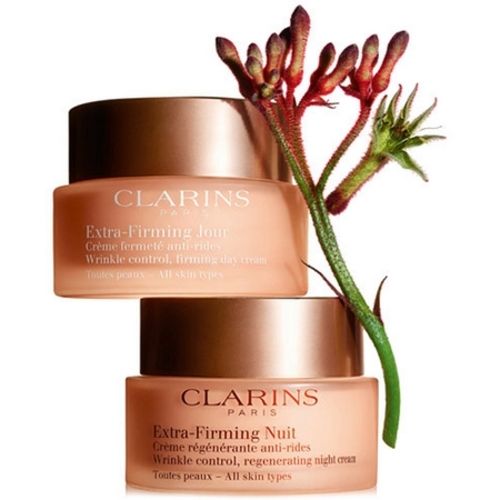
Clarins Extra-Firming: The Honest Adult Take on Firming Anti-Aging Cream
Clarins Extra-Firming has been the reference firming cream for adults over 35 for two decades. The honest assessment of what it does, what it doesn't, and where it fits in an adult routine.

Ferulic Acid for Adult Skin Over 40: The Underrated Antioxidant
Ferulic acid is the antioxidant that stabilizes vitamin C, extends UV protection, and gets ignored in mainstream skincare. The honest adult guide.
Sunscreen Reapplication for Adults After 40: The Hardest Skincare Rule to Follow
Morning SPF is the easy part. Reapplication is what almost everyone skips. The honest guide to when it actually matters and how to make it sustainable.