Neck and Décolletage Care After 40: The Area Most People Forget
The neck and chest age faster than the face but get a fraction of the attention. The result is a face that looks 40 above a neck that looks 55. Here's the simple routine that closes the gap.
Most adults run a real skincare routine on the face and stop at the jawline. Then they're surprised, sometime in their late 40s or 50s, that the neck and chest look meaningfully older than the face — more creped, more sun-damaged, more sagging. There's a name for this in dermatology: the "tech neck" or "turkey neck" phenomenon, but the underlying issue is older and simpler. The neck and chest have thinner skin, fewer oil glands, less collagen scaffolding, and receive enormous chronic sun exposure — and almost no one applies skincare to them.
The fix is straightforward and doesn't require a separate complicated routine. It requires extending your existing face routine three inches lower. Specifically: cleanse and apply your serums, moisturizer, and sunscreen on the neck and upper chest. That alone, done consistently for years, prevents most of the gap between face-skin and neck-skin aging. After 40 is when you start; if you're already past 50 the same routine still helps, but you're managing existing damage rather than preventing it.
This guide covers what changes anatomically, what to add to your routine, what specifically to avoid, and the realistic expectations for what neck care can and can't do.
The fast answer
Treat the neck and upper chest as an extension of your facial skincare. Daily: cleanse, apply serums (vitamin C in AM, retinoid in PM), moisturize, and apply sunscreen — all the way down to the upper chest, not just the jawline. Use the same products you use on your face; don't buy a separate "neck cream" (the marketing category is mostly overpriced moisturizer). Pay particular attention to sunscreen — the neck and chest get more cumulative sun exposure than the face for most people (open collars, beachwear, summer activity). Once damage exists (creping, sun spots, sagging), prevention is most of what you have; in-office treatments (laser, microneedling, ultherapy) can address some existing damage but maintenance is the bigger lever.
That's the structure. The texture is below.
Why the neck ages differently
The skin on the neck and chest has several characteristics that make it age faster than facial skin:
Thinner dermis and epidermis. The skin barrier is structurally thinner on the neck. This means UV penetrates more deeply, dehydration happens faster, and visible aging shows sooner.
Fewer sebaceous glands. Less natural lubrication. The neck doesn't produce the sebum that helps facial skin retain moisture and stay supple. After 40, when sebum production drops everywhere, the neck loses what little it had.
Less collagen density. Even at 25, neck skin has roughly half the collagen density of facial skin. As collagen production declines with age (about 1% per year after 25), the neck loses elasticity faster than the face.
Constant mechanical stress. Looking down at phones, computers, books, and tablets compresses the neck skin into folds dozens of times daily. Over decades this creates persistent horizontal "tech neck" lines.
Enormous sun exposure. Open collars, summer clothes, beach time, and outdoor activities all expose the neck and chest to UV that the face usually doesn't get (because faces get more incidental shade, sunglasses, hats). The neck and chest accumulate sun damage that often outpaces the face.
Almost no skincare attention. The cumulative effect of decades of "I do my face but not my neck" is a measurable gap in skin quality between the two.
The combined effect: neck skin at 50 often looks 10-15 years older than face skin on the same person. The fix is consistent attention starting as early as possible.
What to add to your routine
The good news: nothing dramatically new. Extend your existing face routine.
Morning
- Cleanse the neck and upper chest with the same gentle cleanser you use on your face — CeraVe Hydrating, La Roche-Posay Toleriane, Vanicream. Don't use harsh body wash on the neck; it's facial skin, not body skin.
- Apply vitamin C serum (or whatever antioxidant you use) down to the upper chest. SkinCeuticals C E Ferulic, The Ordinary Vitamin C Suspension, or any quality formulation.
- Apply moisturizer down to the upper chest. Same lightweight or richer moisturizer you use on your face, depending on season.
- Apply sunscreen generously down to the upper chest and exposed areas. This is the single most important step for neck and chest care — and the most commonly skipped.
Evening
- Cleanse the neck after the face.
- Apply retinoid (adapalene, tretinoin, or whatever you use) extending down to the neck and upper chest. Use the same conservative starting frequency you would on the face if the neck is new to retinoids — 2x per week to start, building up.
- Apply moisturizer generously. The neck typically needs richer moisturizer than the face at night because it has less natural sebum.
This adds maybe 30 seconds to your existing routine. The product cost is minimal — you'll use slightly more of each product but the same products.
What about "neck creams"
The dedicated neck cream category exists mainly because marketers identified that adults will pay extra for "neck-specific" products. The reality is that good face moisturizer with the right ingredients works the same on the neck.
The ingredients that actually matter for neck skin:
- Retinoid — same logic as for face; the most evidence-based anti-aging ingredient
- Vitamin C — antioxidant protection
- Niacinamide — barrier support and brightening
- Peptides — possibly mild collagen-supporting effect
- Hyaluronic acid — surface hydration
- Ceramides — barrier function
- Sunscreen — prevention is the biggest lever
A $90 neck cream contains the same ingredients (at often lower concentrations) as a $20 face moisturizer plus serum. Don't pay the neck-cream premium unless the product genuinely impresses you on your skin during sample testing.
The exception: some adults find a slightly richer cream useful for night-time neck care than for face. La Roche-Posay Toleriane Double Repair, CeraVe Moisturizing Cream tub, or any ceramide-based richer cream works as a dedicated "neck night cream" without paying the marketing premium.
Sunscreen — the single most important step
If you do one thing for your neck and chest, do this: apply sunscreen daily.
The neck and chest receive UV exposure that often exceeds what the face gets, because:
- Open collars expose the chest
- Summer V-necks expose the upper chest
- Driving exposes the left side of the neck (in the US)
- Beach and pool time exposes the entire upper chest
- Outdoor activities (gardening, sports) expose the neck
And almost no one applies sunscreen there as carefully as they do on the face.
The result is decades of accumulated UV damage that manifests as sun spots, creping, sagging, and increased skin cancer risk on the chest and neck.
The fix: apply sunscreen to the neck and upper chest every morning, year-round, regardless of weather. EltaMD UV Clear, La Roche-Posay Anthelios Mineral, or any quality mineral or chemical sunscreen at SPF 30+ works. Reapply if you're outdoors for several hours. See sunscreen after 40: the non-negotiable for the full case.
For beach/pool/extended outdoor situations: sunscreen plus physical protection (a UPF shirt, a wide-brimmed hat, a light scarf) is the right approach. Sun damage on the chest is one of the most visible and least reversible types.
Retinoid for the neck
Retinoids work on neck skin the same way they work on face skin — normalizing cell turnover, increasing collagen production, reducing fine lines. They're worth using on the neck.
The catch: neck skin is thinner and more reactive than face skin. If you've used a retinoid on your face for years and are well-adapted, extending it to the neck is straightforward — apply the same amount you use on the face, but expect the neck to be slightly more reactive for the first 2-4 weeks.
If you're new to retinoids: start on the face only, get to consistent 3-4x weekly use without irritation, then extend to the neck at 2x weekly and build up. See retinol for beginners after 40 for the full ramp protocol.
Use a richer moisturizer on the neck after the retinoid — the combination of retinoid-induced cell turnover plus naturally drier neck skin creates more flaking and irritation than face use does.
"Tech neck" — the new horizontal lines
The horizontal lines that appear across the neck — sometimes called "tech neck" because they're attributed to looking down at phones — are real and increasingly common.
Mechanism: repeatedly bending the neck creates pressure on specific skin folds. Over years, these folds develop persistent lines (similar to how brow furrows form over years of frowning).
Prevention:
- Hold phones at eye level when possible instead of looking down
- Adjust monitor height so you're looking forward, not down
- Sleep on your back rather than on your side (reduces pillow-induced neck folds)
- Apply retinoid to the neck — the same mechanism that helps facial lines helps neck lines
- Daily moisturizer keeps the skin supple and slows line formation
Treatment of existing tech neck lines:
- Topical retinoid for 6+ months — slow but real improvement
- Microneedling at a dermatologist or aesthetician — 4-6 sessions, moderate results
- Botox in the platysma muscle — for severe horizontal neck lines, can reduce visibility (off-label use)
- Laser resurfacing — for moderate-to-severe damage
- Radiofrequency or Ultherapy — modest tightening; expensive
For most adults, prevention plus daily topical care delivers the best return on investment. Aggressive in-office treatments help for severe damage but don't replace consistent daily care.
Sagging neck and "turkey neck"
This is the harder problem. The combination of skin laxity (reduced collagen and elastin), loss of subcutaneous fat, and platysma muscle changes creates the loose neck skin and visible vertical bands that some adults develop after 50.
What topical skincare can do: slow progression, maintain skin quality, support what structural integrity remains. It cannot reverse significant sagging.
What addresses significant sagging:
- Ultherapy or Thermage — non-surgical skin tightening, modest results, $1000-3000 per treatment
- Surgical neck lift — most effective, most expensive, $4000-15000, recovery time
- Kybella (injectable for fat under the chin) — for double-chin specifically, $1200-2400 per treatment course
Most adults manage this through good daily care plus acceptance plus occasional in-office maintenance. The dramatic interventions are personal choices.
How the neck connects to the rest of skincare
Neck care is the easiest extension of an existing routine — see simple skincare routine after 40 for the foundation. Add 30 seconds to apply your existing products to the neck and you've covered most of what dedicated neck creams promise at a fraction of the cost.
The product selection logic stays the same — see skin barrier repair after 40, hyaluronic acid for skin over 40, niacinamide for skin over 40. The pillar applies; the area expands.
For broader skin issues that also affect the neck and chest (sun spots, hyperpigmentation, age spots), see how to fade hyperpigmentation and dark spots. The chest in particular accumulates UV-driven discoloration that responds to the same treatment approach as facial pigmentation.
Common mistakes
Stopping skincare at the jawline. Universal mistake. The neck visibly ages faster than the face for this reason.
Skipping sunscreen on the chest in summer. The single most damaging omission. UV on the chest accumulates faster than on the face for most adults.
Buying expensive neck-specific creams. The category is mostly marketing premium. Use your face moisturizer.
Treating neck skin like body skin. Neck skin is more like facial skin — thin, reactive, in need of gentle products. Don't use harsh body wash or aggressive scrubs.
Skipping retinoid on the neck because you're worried about irritation. Build up slowly, but include the neck. Retinoid benefits compound over years.
Pulling and stretching the neck during application. Apply gently with upward strokes. Don't yank or aggressively rub — the thin neck skin doesn't tolerate it.
Phone posture for hours daily. Major contributor to tech neck lines. Be aware of it; adjust where possible.
Side sleeping with the same side every night. Creates persistent pressure on one side of the neck. Vary positions or switch to back sleeping if neck lines are a concern.
Not addressing the upper chest — sometimes called the décolletage. The chest is even more sun-exposed than the neck for many adults, and shows damage in V-neck shirts and beachwear. Extend products to the upper chest, not just the neck.
Ignoring the back of the neck. The hairline area and back of the neck also age and get sun damage. Apply sunscreen here for anyone with short hair.
A realistic timeline for results
What to expect with consistent neck and chest care:
- Weeks 1-4: Skin feels more hydrated and less crepey. Subtle but real difference.
- Months 2-3: Texture improves. Fine lines may start to soften. Sun damage prevention is active even if not yet visible.
- Months 6-12: Substantial improvement in skin quality. Tech neck lines may be slightly less visible. Sun spots may begin to fade with consistent retinoid + vitamin C use.
- Years 2-5: The compounding benefit. Compared to an adult who didn't extend skincare to the neck, the difference becomes obvious. Less sagging, fewer sun spots, more even tone.
- Decades: This is where prevention pays off most. A 60-year-old who started consistent neck care at 40 looks meaningfully different from one who didn't.
The earlier you start, the better the outcome. But starting at 50 still helps versus not starting — the rate of further damage slows, and some existing damage improves.
FAQ
Do I really need to extend my skincare routine to the neck? Yes. The neck shows aging faster than the face if neglected. Extending products takes 30 seconds and prevents one of the most common "old looking" features in adults 50+.
What's the difference between neck cream and face moisturizer? Mostly marketing. Some neck creams contain slightly different ingredient ratios but the categories of useful ingredients (retinoid, peptides, hyaluronic acid, ceramides) are the same. Don't pay the neck-cream premium.
Can I use retinol on my neck? Yes, but start more conservatively than on the face — 2x weekly to start, building to 3-4x weekly. Use richer moisturizer afterward. Neck skin is thinner and more reactive.
Will products reverse "turkey neck"? Topical products can slow progression and modestly improve skin quality. They cannot reverse significant sagging — that requires in-office treatments (Ultherapy, RF, surgery).
How often should I apply sunscreen to my neck and chest? Every morning, year-round, the same as your face. Reapply for extended outdoor exposure. The chest specifically often sees more UV than the face — don't skip it.
What about the back of my neck? Apply sunscreen here, especially if you have short hair. The back of the neck is the most-burned area for many adults in summer. Skin cancer rates here are notable.
Is there anything I can do at 55 that's already past prevention? Yes. Consistent daily care still slows further damage and can improve existing skin quality. Add in-office treatments (laser, microneedling, IPL) if visible damage is significant. It's never too late to start; earlier is just better.
Are at-home microcurrent devices (NuFace, etc.) worth it for the neck? Modest evidence for mild tightening with consistent long-term use. Not transformative. Worth trying if you enjoy the routine; not essential.
Related guides: simple skincare routine after 40, sunscreen after 40: the non-negotiable, retinol for beginners after 40, how to fade hyperpigmentation and dark spots, skin barrier repair after 40.

How to Prepare Your Skin Before Summer: The Adult Pre-Sun Protocol After 40
Adults who treat summer skin protection as a day-of project lose ground every year. The honest pre-summer protocol that pays back for months of consistent outdoor exposure.
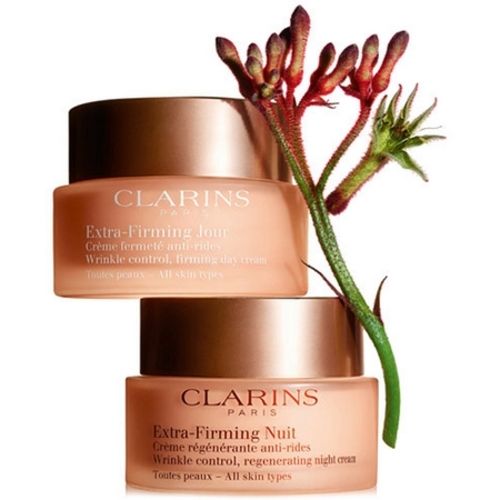
Clarins Extra-Firming: The Honest Adult Take on Firming Anti-Aging Cream
Clarins Extra-Firming has been the reference firming cream for adults over 35 for two decades. The honest assessment of what it does, what it doesn't, and where it fits in an adult routine.

Ferulic Acid for Adult Skin Over 40: The Underrated Antioxidant
Ferulic acid is the antioxidant that stabilizes vitamin C, extends UV protection, and gets ignored in mainstream skincare. The honest adult guide.