Skincare for Men After 40: What's Actually Different From Women's Skin
Men's skin really is different from women's — thicker, oilier, hormonally distinct, and ages on a different timeline. Here's what that means for adult male skincare after 40.
Skincare marketing has spent the last decade arguing that men's skincare and women's skincare are essentially the same — that gender-specific products are mostly marketing differentiation rather than real biological need. The honest answer is more nuanced. The active ingredients that work are the same (retinoid, sunscreen, niacinamide, etc.). But men's skin is biologically different from women's in several measurable ways, and the routine that suits adult men best after 40 reflects those differences. Same chemistry, different application.
For adult men building a real skincare routine — past the "soap and shrug" era of male grooming and into the "I want my skin to look as adult as the rest of me" era — understanding what makes men's skin distinct helps avoid the two common failure modes: over-applying women's-marketed products that may not suit thicker oilier skin, or under-applying because "men don't need skincare." Neither extreme is right.
This guide covers the actual biological differences, what they mean for an effective adult male routine, and the specific approaches that work better for men's skin than generic "his and hers" recommendations.
The fast answer
Men's skin is biologically different from women's in several documented ways: about 25% thicker on average, oilier (higher sebum production driven by testosterone), tougher (more collagen density at the same age), more prone to specific issues (cystic acne, in-grown hairs from shaving, oilier scalp), and ages on a different timeline (men show fewer wrinkles in their 40s but more dramatic changes in their 50s as collagen drops faster). The skincare that suits adult men: gentle cleanser (twice daily; the thicker skin can tolerate slightly more cleansing than women's), retinoid (essential for adult anti-aging), sunscreen (the most overlooked product), niacinamide for inflammation/oil control, and beard/shaving care if relevant. Skip: heavy creams that work for thinner female skin (often too occlusive for men), products marketed primarily on scent rather than ingredients, "men-specific" routines that are just standard ingredients in differently-branded packaging at premium prices. The Ordinary, CeraVe, La Roche-Posay all work fine — gendered branding doesn't change the underlying chemistry.
That's the structure. The texture is below.
What's actually different about men's skin
Five biological differences that matter for skincare:
1. Thickness
Men's skin is approximately 25% thicker than women's skin (the dermis layer specifically). This is driven by testosterone-mediated collagen production starting in puberty. The implication:
- Men can tolerate slightly more aggressive cleansing and exfoliation
- Topical products may penetrate more slowly through the thicker barrier
- Men's skin is more resistant to mechanical injury but slower to heal from deeper damage
2. Sebum production
Men's skin produces meaningfully more sebum than women's at any given age, driven by androgens. The implication:
- Heavier moisturizers can read as too occlusive on men's skin
- Oily-skin-related issues (acne, enlarged pores, oily scalp) persist later in life for men
- Lightweight gel-based moisturizers and serums often suit men better than rich creams
3. Hair growth patterns
Men have substantially more facial and body hair, which intersects with skincare:
- Shaving daily creates micro-abrasions and barrier stress most women don't experience
- Beard care requires considering both skin under the beard and the beard itself
- Skin behind a beard often gets less direct skincare application
- In-grown hairs and razor bumps are male-specific concerns
4. Aging timeline
Men and women age differently:
- Women typically show visible aging earlier (mid-30s onward) due to thinner skin and lower collagen production
- Men's collagen levels drop faster during their 40s and 50s — more dramatic aging in a shorter window
- Men show more sun damage at any given age due to less consistent sun protection historically
- Wrinkle depth is often greater in men's skin once it appears, due to thicker dermis structure
The implication: adult men starting skincare in their 40s often see dramatic improvements because the foundation is thicker and more responsive than women's at the same age — but they can also lose ground faster if they neglect protection.
5. Hormonal differences
Testosterone, DHT, and related androgens drive several skin features:
- Higher baseline oil production
- Acne susceptibility through adult life (some men have first-time acne in their 40s, see adult acne after 40)
- Pattern of hair changes (recession at temples, body hair distribution)
- Slower healing from inflammation in older men
Hormone-related skincare is a smaller category for men than estrogen-related skincare for women (perimenopause skincare is a major topic for women that has no direct male equivalent), but testosterone effects on adult male skin are real.
What this means for the routine
The functional implications:
Cleansing
Men can tolerate slightly more cleansing than women without barrier issues, but the principles still apply — see skin barrier repair after 40. The general approach:
- Twice-daily gentle cleansing is fine for most adult men
- Sulfate-free formulations (CeraVe Hydrating, Vanicream) work well
- Slightly heavier oily skin can tolerate occasional foaming cleansers (not daily)
- Don't over-cleanse — even thicker male skin compensates with rebound oil if stripped
Moisturizer choice
Lighter formulations typically work better than rich creams:
- Lightweight lotions in AM (CeraVe AM, La Roche-Posay Toleriane Double Repair lotion)
- Slightly richer at night if needed (CeraVe Moisturizing Cream tub) but not as heavy as you'd choose for women's skin
- Gel-based moisturizers (Neutrogena Hydro Boost) work for oily-skinned men
- Avoid: heavy creams marketed as anti-aging that suit women's thinner skin
Retinoid use
Same product, same application principles as for women. Men often tolerate retinoids slightly better due to thicker barrier:
- Start with adapalene 0.1% (Differin) — see retinol for beginners after 40
- Adult men can often progress to nightly use faster than women
- Apply over moisturizer if any irritation; under moisturizer once tolerated
- The retinoid does the heavy lifting on anti-aging for men just as for women
Sunscreen
The single most under-applied product by adult men. Make it daily.
- See sunscreen after 40: the non-negotiable
- Lightweight mineral or chemical sunscreens work; pick what you'll actually wear
- For oily/acne-prone skin: EltaMD UV Clear (designed for men's skin types)
- For beard-coverage: apply to all exposed skin around and including the beard
Active addition (niacinamide, vitamin C)
Same as for women. See niacinamide for skin over 40. The 5-10% niacinamide concentration that works for women works for men too.
For vitamin C: gentle formulations (ascorbyl glucoside, sodium ascorbyl phosphate) suit sensitive skin; L-ascorbic acid 10-20% works on tougher men's skin if tolerated.
Beard and shaving care
This is where male-specific products genuinely add value:
- Pre-shave oil for adult skin during shaving routine
- Aftershave balm post-shave (not splash) — see shaving after 40: tools and technique
- Beard oil/balm if beard — see beard care after 40
- Brow grooming — see eyebrow grooming for men after 40
- Scalp care — see scalp care after 40
- Nose/ear hair management — see nose and ear hair after 40
These are categories where men's grooming differs meaningfully from women's, not just marketing.
A realistic adult male routine
For a working adult male routine after 40:
Morning (3-5 minutes)
- Splash face with cool water, or use a gentle cleanser if you're sweaty or oily on waking
- Apply niacinamide serum to damp skin (optional but recommended)
- Vitamin C serum if you use one (apply after niacinamide, wait briefly)
- Lightweight moisturizer
- Sunscreen SPF 30+ (non-negotiable)
Evening (5-7 minutes)
- Gentle cleanser (washes off sunscreen and day residue)
- Aftershave balm if you shaved
- Retinoid (adapalene, tretinoin, or retinol)
- Moisturizer (lightweight or slightly richer)
That's it. 8 minutes total per day; covers 90% of what an adult male needs for skincare. Bigger results come from consistency, not complexity.
What men's-specific marketing gets wrong
Several common men's skincare marketing patterns oversimplify or mislead:
"Men's skin needs less." Partially true (less heavy moisturizer needed), but men benefit from the same core ingredients (retinoid, sunscreen, antioxidants). The "less is more" framing sometimes leads to skipping essential products.
"Men's skin needs heavy products to penetrate the thick barrier." False. Lightweight serums and lotions absorb fine; heavy products often sit on top of male skin or cause clogging.
"Strong-fragranced products for men." Heavy fragrance is the most common irritant in any skincare and should be avoided for sensitive skin after 40 regardless of gender. "Men's" scented skincare is largely marketing-driven.
"Two-in-one products are fine for men." A "face wash + shampoo + body wash" combo doesn't work well for any single area. Each has different needs. A single dedicated face cleanser is meaningfully better than the all-in-one.
"Men shouldn't use 'women's' products." The chemistry doesn't care about marketing. CeraVe, The Ordinary, La Roche-Posay — branded for general use — work identically on men's skin. The "women's" branding is often just packaging differences.
"Men don't need anti-aging skincare." Sun damage, hyperpigmentation, wrinkles, sagging — all affect men. The aging biology isn't optional based on gender; it's a question of whether you intervene.
What men's-specific products do add value
Some products are genuinely men-specific:
- Beard-specific oils and balms — formulated to penetrate beard hair and condition skin underneath
- Shave-specific creams and aftershave balms — designed for the specific irritation pattern of daily shaving
- Pre-shave oils — softens beard and protects skin
- Brow shaping products for men (gel, pencil for gray coverage)
- Scalp products for men's hair patterns (oilier, often thinning)
For these categories, products designed for adult men can outperform generic alternatives. For face cleanser, moisturizer, sunscreen, and most actives, brand-neutral pharmacy or quality general brands work fine.
Common mistakes by adult men starting skincare
Treating skincare as women's territory. Cultural script that doesn't survive 40 if you want skin that matches the adult version of your face.
Buying expensive "men's" brand products. Many are standard ingredients at premium prices. Compare the ingredient list to The Ordinary or CeraVe — often equivalent.
Using 2-in-1 shampoo+body wash on the face. Different skin chemistry. Get a dedicated face cleanser.
Skipping sunscreen because "I don't burn easily." UV damage accumulates whether you visibly burn or not. Most adult male sun damage is from chronic low-level exposure (driving, walking, brief outdoor time), not big sun events.
Believing "I look fine" justifies no routine. You look fine; without routine, you'll look meaningfully less fine in 10 years. The trajectory matters, not just the current state.
Heavy fragranced products. Men's products are often heavily fragranced; fragrance is the most common skincare irritant.
Aggressive routines copied from women's media. A women's anti-aging routine optimized for thinner skin is often too heavy or aggressive for men's thicker skin. Adapt principles, don't copy whole routines.
Skipping eye area. "Eye cream is for women" is wrong — men get under-eye darkness, fine lines, and bags too. See eye cream after 40: do you need one.
Treating skincare as separate from grooming. Skincare integrates with shaving, beard care, scalp care, adult grooming generally. The whole system works together.
Buying based on Instagram or influencer recommendations. Most influencer skincare is sponsored. Read research, check ingredients, sample before committing.
How male skincare connects to broader presentation
A consistent skincare routine for adult men compounds with other presentation elements:
- Clean grooming and skincare work together — both make the whole face read more pulled-together
- Fitted clothing and good skin complement each other
- Fragrance reads as the final intentional touch on a well-maintained adult, not as cover-up
- Sleep, diet, stress, hydration — the system inputs that determine what skin care can build on
Adult men who do skincare consistently look meaningfully different at 50 than men who don't, in ways that compound with everything else they do. The investment is modest (10-15 minutes a day, $50-100/month in products); the results are visible and persistent.
FAQ
Do men really need different skincare from women? The active ingredients are the same. The formulations sometimes differ (lighter for men's typically oilier skin). The grooming products around skincare (shaving, beard care) are genuinely men-specific. Don't pay premium prices for "men's" branding of standard ingredients; do use men-specific products where the function is genuinely different.
What's the minimum skincare routine for an adult man? Gentle cleanser AM and PM, lightweight moisturizer AM, sunscreen AM, retinoid PM (over moisturizer if irritation), and aftershave balm if you shave. Five products, 8 minutes a day, $50-100/month total.
Can I use my wife's/partner's skincare? Often yes — the chemistry is the same. The exception: very heavy creams designed for women's thinner skin can sit on men's skin without absorbing. Lightweight serums and moisturizers work for everyone.
Should I use eye cream? For most adult men, your regular moisturizer is sufficient for the eye area. Dedicated eye cream is helpful if you have specific concerns (dark circles, persistent under-eye lines). See eye cream after 40: do you need one for the analysis.
When should men start using retinoid? Late 20s to early 30s is the optimal start window. Starting in your 40s still produces meaningful benefit but more reactive — start more conservatively (2x weekly, build up). See retinol for beginners after 40.
Are men's natural/organic skincare brands worth it? Generally no. Natural and organic skincare often relies on essential oils (citrus, lavender, tea tree) that are common irritants. Pharmacy-grade products (CeraVe, La Roche-Posay) typically use better-tested formulations at lower prices.
Why does my skin feel oilier when I use moisturizer? Heavy moisturizer can make oily skin feel worse. Switch to lightweight gel or lotion (Neutrogena Hydro Boost, CeraVe Daily Moisturizing Lotion) for oily-skinned adult men. The "skip moisturizer because I'm oily" approach actually triggers more sebum production through skin dehydration.
Should I get facial treatments? Optional. Standard salon facials are pleasant but don't deliver significant lasting results. For meaningful results, see a dermatologist for specific procedures — see cosmetic procedures after 40: what's worth it.
Related guides: simple skincare routine after 40, retinol for beginners after 40, skin barrier repair after 40, shaving after 40: tools and technique, adult grooming checklist.

How to Prepare Your Skin Before Summer: The Adult Pre-Sun Protocol After 40
Adults who treat summer skin protection as a day-of project lose ground every year. The honest pre-summer protocol that pays back for months of consistent outdoor exposure.
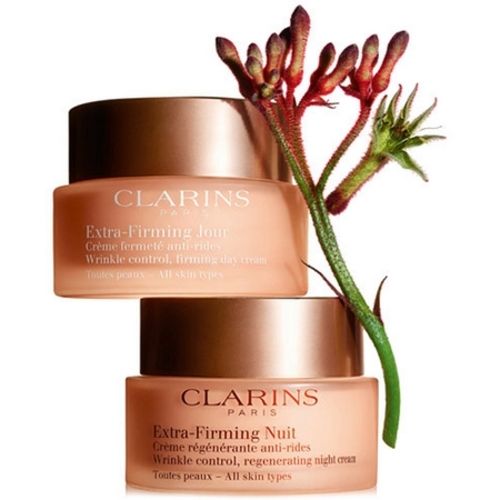
Clarins Extra-Firming: The Honest Adult Take on Firming Anti-Aging Cream
Clarins Extra-Firming has been the reference firming cream for adults over 35 for two decades. The honest assessment of what it does, what it doesn't, and where it fits in an adult routine.

Ferulic Acid for Adult Skin Over 40: The Underrated Antioxidant
Ferulic acid is the antioxidant that stabilizes vitamin C, extends UV protection, and gets ignored in mainstream skincare. The honest adult guide.