Skin Barrier Repair After 40: Why Your Skin Stings and How to Fix It
If your skin suddenly stings when you apply products, gets red for no reason, or breaks out from things that used to work — your barrier is damaged. Repairing it is the single most useful skincare project you can run.
If your skin suddenly stings when you apply products it never used to react to, gets red for no obvious reason, feels tight after washing, breaks out from new products that should be gentle, or just looks consistently dull and irritated — you don't have a "skin type" problem. You have a barrier problem. And almost every adult over 40 dealing with mystery skin issues is in some stage of barrier damage.
The skin barrier is the outermost layer of the epidermis — a brick-and-mortar arrangement of dead skin cells (corneocytes) held together by lipids (ceramides, cholesterol, fatty acids). It keeps water in and irritants out. When it's intact, skin tolerates most things, holds moisture, and looks even and calm. When it's damaged, every product becomes a potential irritant, every change in weather causes flushing, and the routine that was working last month is suddenly wrecking your face.
Repairing the barrier is the highest-ROI skincare project you can run in your 40s and 50s. Done right, it takes 4-8 weeks and changes how everything else works. Done wrong — by adding more "active" products to a damaged surface — and you'll spend years wondering why your skin is angry.
The fast answer
A damaged skin barrier presents as: stinging from products that shouldn't sting, redness, tightness after cleansing, flakiness, breakouts from previously fine products, and sensitivity to weather or temperature changes. The fix is to strip the routine back to bare essentials: a non-foaming gentle cleanser, a ceramide + cholesterol + fatty acid moisturizer (like CeraVe Cream or La Roche-Posay Toleriane Double Repair), sunscreen, and nothing else for 4-6 weeks. No retinol, no exfoliants, no actives, no fragrance. Once skin calms (typically 4-8 weeks), reintroduce one active at a time at low frequency. Most barrier damage in adults comes from over-exfoliation and stacking too many actives — the cure is doing less, not more.
That's the structure. The texture is below.
What the skin barrier actually does
The stratum corneum — the top 10-30 micrometers of your skin — is the barrier. It's the layer of dead, flattened skin cells held together by intercellular lipids in a specific ratio (roughly 50% ceramides, 25% cholesterol, 15% free fatty acids). This thin layer does three jobs:
- Holds water in. Transepidermal water loss (TEWL) is the rate at which water escapes through the skin. Healthy barrier: low TEWL, skin stays plump. Damaged barrier: high TEWL, skin gets dry no matter how much moisturizer you apply.
- Keeps irritants out. A damaged barrier lets surfactants, fragrance, alcohol, and pathogens reach the living cells below. This triggers inflammation, which presents as redness, stinging, and reactivity.
- Maintains acidic pH (around 4.5-5.5). This acid mantle supports beneficial skin bacteria and inhibits pathogens. Soap and alkaline cleansers push pH up to 8-9, taking hours to recover and weakening the barrier each time.
After 40, the barrier already weakens biologically — lipid production drops, cell turnover slows, the lipid ratio shifts. You start with less margin. Aggressive routines that worked at 25 punch through that thinner barrier easily.
Signs your barrier is damaged
It's not subtle once you know what to look for:
- Stinging or burning from products you've used for years
- Redness, especially around the cheeks and nose, that comes and goes
- Tightness after cleansing that doesn't go away with moisturizer
- Visible flaking or rough patches
- Increased sensitivity to weather, AC, or temperature changes
- Breakouts that don't behave like normal acne — small bumps, not classic pimples
- Persistent dullness despite "doing everything right"
- Products that used to work suddenly don't
If you have three or more of these, your barrier is compromised. The good news is that this is fixable and the fix is straightforward. The bad news is that the fix involves stopping things, and most adults find this harder than buying new products.
How the barrier gets damaged
In rough order of how often it happens to adults over 40:
1. Over-exfoliation. The single most common cause. A retinoid + AHA + BHA + scrub stack hits the barrier every angle at once. Even one of those used too frequently damages the barrier. The "more is more" approach to anti-aging often produces worse skin than no routine at all.
2. Foaming, sulfate-heavy cleansers. The "squeaky clean" feeling is the sound of your lipid bilayer being stripped. Twice a day for years compounds. See the cleanser recommendations in simple skincare routine after 40 — gentle, low-foam, sulfate-free is the standard now.
3. Alcohol-based toners and astringents. Designed for teenage oily skin; wrong for adult skin. Witch hazel, isopropyl alcohol, denatured alcohol in high concentrations all strip and irritate.
4. Fragrance. Both synthetic and natural ("essential oils"). Most adult sensitivity to skincare is fragrance reaction. Lavender, citrus oils, and "natural" essential oils are some of the worst offenders.
5. Hot water. Hot showers, hot washcloths, steam treatments. Heat strips lipids and increases water loss.
6. Environmental. Cold winter air, low indoor humidity (especially with heating systems), wind, sun. Some of this is unavoidable; the barrier just needs more support during these periods.
7. Stress and sleep deprivation. Cortisol disrupts barrier function directly. See how stress affects skin and smell for the full mechanism — it's not just an "adjacent" factor, it's a direct cause.
8. Aggressive prescription regimens. Tretinoin, topical antibiotics, prescription benzoyl peroxide — all useful, all capable of nuking a barrier if introduced too fast.
The repair protocol — 4 to 6 weeks of doing less
This is the entire protocol. It's deliberately boring.
Week 1-2: Strip everything back
Use only:
- Gentle cleanser, AM and PM. CeraVe Hydrating Cleanser, Vanicream Gentle Facial Cleanser, La Roche-Posay Toleriane Hydrating. Non-foaming, sulfate-free, fragrance-free, low pH. Lukewarm water, no washcloth, no scrub.
- Barrier-repair moisturizer. CeraVe Moisturizing Cream (the tub), La Roche-Posay Toleriane Double Repair, Vanicream Moisturizing Cream, or Avene Cicalfate+. Apply liberally, AM and PM, while skin is still slightly damp from cleansing.
- Mineral or simple sunscreen. EltaMD UV Physical, La Roche-Posay Anthelios Mineral, or any zinc-based sunscreen without fragrance.
That's it. Three products. No retinoid, no vitamin C, no niacinamide, no exfoliant, no toner, no essence, no peptide serum, no eye cream, no face oil. Strip the routine bare.
You will feel like you're "not doing anything for your skin." You're doing the most important thing: not damaging it further.
Week 3-4: Patience
Continue the bare protocol. Don't add anything yet. The barrier takes 4-6 weeks to rebuild because cell turnover at this layer takes that long. You'll start noticing:
- Less stinging when products go on
- Reduced redness
- More even tone
- Less tightness after cleansing
- Skin that feels normal instead of reactive
If you don't see improvement after 4 weeks on the strip-back protocol, see a dermatologist. There may be an underlying issue (rosacea, seborrheic dermatitis, perioral dermatitis) that needs prescription treatment.
Week 5-8: Slow reintroduction
If skin is calm, reintroduce one active at a time, at low frequency:
- Week 5: Add niacinamide 5% (one product, AM only) — see niacinamide for skin over 40
- Week 6: Continue niacinamide. Add a retinoid twice weekly (start with adapalene 0.1% or low-percentage retinol) — see retinol for beginners after 40
- Week 7: Increase retinoid to 3 nights per week if tolerated
- Week 8: Add vitamin C in the morning if desired
The principle: one new variable per week, low frequency, watch for reactivity. If anything triggers stinging or redness, drop back to the strip-back protocol for another two weeks.
This is how to build a routine that doesn't accumulate barrier damage. It's slower than the buy-it-all-at-once approach. It actually works.
What to avoid forever (or close to)
After repair, some habits should stay gone:
- Foaming sulfate cleansers. Switch to gentle cleansers permanently.
- Daily exfoliation. AHA/BHA exfoliants more than 2-3x a week is too much for almost all adult skin. Many adults only need them once a week or not at all if using a retinoid.
- Physical scrubs. Sand, microbeads, walnut shells, rough cloths. The barrier doesn't need mechanical exfoliation; the actives do it.
- Layering multiple actives. Retinoid + AHA + BHA + vitamin C + benzoyl peroxide is a barrier-damage stack. Pick one or two; don't stack four.
- Fragranced moisturizers. Even "natural" ones. Once you've found unscented works, the appeal of scented products fades.
- Cleansing with hot water. Lukewarm is the upper limit.
- Washcloths and Clarisonic-style brushes. Both mechanical abrasion. Use hands.
- Sheet masks daily. Once a week is fine. Daily occlusion and active soaking is barrier-stressful.
Common mistakes
Treating barrier damage by adding more products. The instinct when skin gets irritated is to apply something soothing on top. The actual fix is removing the cause. Add a single barrier cream, remove everything else.
Switching brands instead of changing categories. "This cleanser isn't working; let me try a different one" usually means trying another foaming cleanser. The category is the problem, not the brand.
Believing "purging" claims for too long. Some actives cause an initial breakout as they push existing clogs to the surface (legitimate retinoid purging lasts 4-6 weeks). Barrier damage masquerading as purging can last indefinitely. If your skin is worse after 6 weeks on a new active, it's not purging — it's barrier damage.
Trusting the influencer who layers ten products. What works in a 2-minute video doesn't work on actual skin over months. Most adults need fewer, simpler products than influencer routines suggest.
Ignoring fragrance as a cause. Even if you don't have known fragrance allergies, your barrier might react to fragrance compounds once it's damaged. Strip fragrance during repair; reintroduce cautiously if at all.
Skipping moisturizer because skin is oily. Oily skin can still have barrier damage and dehydration. Lightweight moisturizer (Toleriane Double Repair lotion, CeraVe AM lotion) supports the barrier without adding heaviness.
Not connecting lifestyle to skin. Sleep, stress, and diet all affect the barrier. The way sleep affects skin and odor, the diet/odor/skin connection, and the hydration impact on skin are real inputs. A perfect routine on top of chronic poor sleep won't save the barrier.
Trying to fix adult acne without addressing barrier first. Aggressive acne treatments on a damaged barrier make both problems worse. Fix the barrier first, then layer acne treatment carefully.
Products worth knowing
The list is short and the products are cheap.
Cleansers: CeraVe Hydrating Cleanser ($14), Vanicream Gentle Facial Cleanser ($12), La Roche-Posay Toleriane Hydrating ($16), Cetaphil Gentle Skin Cleanser ($12).
Barrier moisturizers: CeraVe Moisturizing Cream tub ($16), La Roche-Posay Toleriane Double Repair ($21), Avene Cicalfate+ ($28), Vanicream Moisturizing Cream ($14), Aquaphor Healing Ointment ($10, occlusive use at night).
Mineral sunscreens: EltaMD UV Physical ($35), La Roche-Posay Anthelios Mineral ($35), Vanicream Mineral SPF 50 ($16).
Nice-to-have for severe damage: Avene Cicalfate+ Restorative Protective Cream is the gold standard for active barrier crisis — apply at night for 2-3 weeks. Doesn't replace daily moisturizer, complements it.
You can do this entire protocol for under $50 in products. The hard part isn't the cost or the products — it's the discipline of not buying anything else for two months.
How this fits with the rest of skincare
The barrier is the foundation. Once it's intact, every other skincare goal becomes achievable:
- Anti-aging works because retinoids actually penetrate and the skin tolerates them. See anti-aging skincare in your 30s for how to layer retinoids on a healthy base.
- Hyperpigmentation fades because actives like niacinamide and vitamin C aren't fighting an inflammatory backdrop. See how to fade hyperpigmentation.
- Acne clears because the treatments work without compounding irritation.
- Eye area holds up because the surrounding skin isn't dragging down the whole face. See eye cream after 40: do you need one.
The order of operations matters. Skip the barrier work and the rest of the routine fights uphill.
FAQ
How long does barrier repair take? 4-8 weeks for noticeable improvement on most adults. Severe damage (from aggressive prescription regimens or chronic over-exfoliation) can take 3 months. Be patient and don't add anything during this window.
Can I keep using my retinoid during repair? No. Stop it completely for 4-6 weeks. Reintroduce slowly once the barrier is intact. This feels like backsliding on anti-aging; it isn't. A damaged barrier prevents retinoid benefits from accruing.
What if I'm getting married / have an event / can't go without my routine for 6 weeks? Do the bare-minimum version: gentle cleanser, barrier cream, sunscreen, and one active that's been stable for you (not a new one). Avoid all stacking, all new products, all exfoliation. It's not full repair, but it stops further damage.
Does diet help barrier repair? Moderately. Omega-3 intake (fatty fish, flax, walnuts) supports lipid synthesis. Hydration matters but isn't the main lever. Sleep matters more than most adults realize.
Is there a barrier-repair test I can do? Informal: apply plain water to your cheek. Healthy barrier: water beads up and slowly absorbs. Damaged barrier: water spreads immediately, skin feels reactive after. Not a clinical test, but useful directional feedback.
Do I need a humidifier? In winter, in heated indoor environments, yes — keep room humidity at 40-50%. Low humidity accelerates TEWL and slows barrier repair.
Can I use La Mer / luxury creams instead? Probably not better than CeraVe Cream for barrier repair specifically. Luxury creams often include fragrance and proprietary "active complexes" that complicate rather than support repair. Save the luxury purchases for after the barrier is intact.
Will my skin always be this sensitive? No. Once the barrier rebuilds, most sensitivity disappears. Skin that was reactive to everything becomes tolerant again — provided you don't re-create the damage by jumping back into a heavy routine immediately.
Related guides: simple skincare routine after 40, retinol for beginners after 40, niacinamide for skin over 40, adult acne after 40, sunscreen after 40: the non-negotiable.

How to Prepare Your Skin Before Summer: The Adult Pre-Sun Protocol After 40
Adults who treat summer skin protection as a day-of project lose ground every year. The honest pre-summer protocol that pays back for months of consistent outdoor exposure.
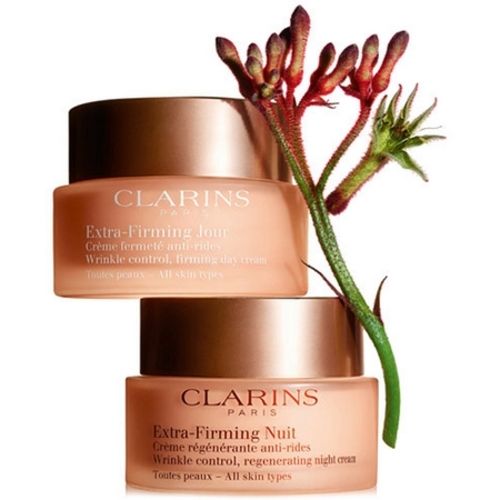
Clarins Extra-Firming: The Honest Adult Take on Firming Anti-Aging Cream
Clarins Extra-Firming has been the reference firming cream for adults over 35 for two decades. The honest assessment of what it does, what it doesn't, and where it fits in an adult routine.

Ferulic Acid for Adult Skin Over 40: The Underrated Antioxidant
Ferulic acid is the antioxidant that stabilizes vitamin C, extends UV protection, and gets ignored in mainstream skincare. The honest adult guide.