Morning vs Night Skincare Routine After 40: When to Apply What
Same products applied at the wrong time produce worse results than no products at all. Here's the practical guide to morning vs night skincare for adults after 40.
Skincare timing matters as much as product choice. The same active ingredients applied at the wrong time of day produce worse results, more irritation, or wasted effectiveness. Retinoid in the morning gets degraded by UV; vitamin C at night doesn't provide the antioxidant benefit you're paying for; sunscreen at bedtime is wasted product. Most adults building skincare routines get the order of operations wrong, layer in conflicting actives, or skip the timing logic that makes the products actually work.
For adults over 40 trying to build effective skincare, understanding morning vs night routine differences is foundational. The products you buy can only do their work in the right conditions. This guide is the practical version: what goes in the morning, what goes at night, why, and how to build a routine that respects the timing.
The fast answer
Morning is for protection: gentle cleanser (or just water), antioxidant serum (vitamin C, niacinamide), lightweight moisturizer, and sunscreen — daily, non-negotiable. Evening is for treatment and repair: gentle cleanser (more thorough; removes day's sunscreen, product, and pollution), retinoid (the most evidence-based anti-aging active; UV-sensitive so night-only), targeted treatments (azelaic acid for redness, salicylic acid for clogged pores), and richer moisturizer to support overnight repair. Some actives work either time (niacinamide, hyaluronic acid). Some are specifically morning (vitamin C — antioxidant protection during UV exposure). Some are specifically night (retinoid — UV-sensitive; salicylic acid in higher concentrations; prescription treatments). For most adults: 4-5 products morning, 4-5 products evening, with consistent commitment to both. Sunscreen daily is the single most-important morning product; retinoid the single most-important evening product.
That's the structure. The biology is below.
Why timing matters
Three reasons:
UV sensitivity
Many active ingredients are degraded by UV exposure or increase skin's UV sensitivity. Using them in the morning means either they get destroyed by sunlight or your skin becomes more vulnerable to damage during peak UV hours.
UV-sensitive ingredients (night use only):
- Retinoids — degrade under UV; also increase skin's UV sensitivity
- High-concentration vitamin C — degrades under UV (though stable formulations can work in morning)
- Some chemical exfoliants at high concentrations
Skin's repair cycle
Skin's repair processes peak overnight, especially during deep sleep:
- Cell turnover accelerates
- Collagen production increases
- Barrier repair occurs
- Inflammation decreases
Night is the optimal time for products that support these processes (retinoids, peptides, hydrating ingredients). Morning is suboptimal because the skin's mode shifts from repair to protection.
Daily environmental challenges
During the day, your skin faces:
- UV radiation (primary aging driver)
- Air pollution and particulate matter
- Free radicals from environmental stress
- Friction from glasses, masks, phones
Morning routine should protect against these. Night routine should remove their accumulated effects and support repair.
The morning routine
Goal: protect skin for the day ahead.
1. Cleanse gently (or skip)
If you washed thoroughly the night before, a splash of cool water in the morning is often sufficient. For adults with very oily skin or who sweat overnight, a gentle cleanser is appropriate.
Products: CeraVe Hydrating Cleanser, La Roche-Posay Toleriane Hydrating Cleanser, Vanicream Gentle Facial Cleanser. See skin barrier repair after 40 for cleanser logic.
Skip: Foaming sulfate cleansers, exfoliating cleansers (too aggressive for morning use), heavily fragranced products.
2. Antioxidant serum
Vitamin C is the standard antioxidant — neutralizes free radicals from UV and pollution before they damage skin.
Products:
- SkinCeuticals C E Ferulic ($182) — premium gold standard
- The Ordinary Vitamin C Suspension 23% ($7) — affordable alternative
- Maelove Glow Maker ($30) — well-formulated mid-tier
- Niacinamide as alternative — gentler antioxidant; pairs well with vitamin C or replaces it for sensitive skin
Apply 3-5 drops to damp skin (after cleansing). Wait 30 seconds for absorption.
3. Hydrating serum or moisturizer
For adults with dry skin: a hydrating serum (hyaluronic acid) under moisturizer. For adults with combination skin: moisturizer alone may suffice. See hyaluronic acid for skin over 40 for the broader hydration logic.
Lightweight moisturizers good for daytime:
- CeraVe Daily Moisturizing Lotion ($16)
- La Roche-Posay Toleriane Double Repair (lotion version) ($21)
- Vanicream Daily Facial Moisturizer ($14)
Apply moderate amount; let absorb fully before sunscreen.
4. Sunscreen (the most important step)
The single most important morning step. SPF 30+ daily, year-round, regardless of weather. See sunscreen after 40: the non-negotiable.
Products:
- EltaMD UV Clear ($40) — for acne-prone or sensitive
- EltaMD UV Physical ($35) — pure mineral
- La Roche-Posay Anthelios Mineral ($35) — premium mineral
- Black Girl Sunscreen ($19) — for darker skin tones
- Supergoop Unseen Sunscreen ($38) — for dressy daytime under makeup
Apply generously (most adults use too little — a quarter-teaspoon for the face is the right amount). Reapply if outdoors for hours.
Skip: No sunscreen day. Even gloomy weather, even indoor work — UV is real through windows; pollution accelerates aging. Daily sunscreen is non-negotiable for any adult committed to skin care.
Total morning time: 3-5 minutes
The morning routine should be quick. If it takes 15 minutes, it's too elaborate. The four steps above (cleanse, antioxidant, moisturizer, sunscreen) take 5 minutes at most.
The evening routine
Goal: remove day's accumulated stress; support overnight repair.
1. Cleanse thoroughly
Remove sunscreen, product residue, sweat, pollution, makeup. Single cleanse for most; double cleanse (oil-based + water-based) if you wore heavy sunscreen or makeup.
Products: Same gentle cleansers as morning (or slightly more thorough if needed).
For makeup wearers or those in polluted environments: oil-based cleanser first (Cerave Cleansing Oil, DHC Deep Cleansing Oil) followed by gentle water-based cleanser.
2. Active treatment (most important step)
Evening is when actives do their work. This is the slot where most anti-aging happens.
Primary evening active: retinoid
The single most evidence-based anti-aging ingredient. See retinol for beginners after 40 for the full protocol.
Products:
- Adapalene 0.1% (Differin Gel) ($13) — OTC starter; effective and gentle
- Tretinoin 0.025-0.05% (prescription) — stronger; more visible results
- Retinol serums (The Ordinary 0.5% Retinol in Squalane, $9) — gentler option for beginners
Apply pea-sized amount over face. Avoid eye area initially; build tolerance.
Frequency: 2-3x weekly to start; build to nightly as tolerated.
On non-retinoid nights, use:
- Azelaic acid 10-15% for redness, hyperpigmentation, mild rosacea
- Salicylic acid 2% for clogged pores or acne
- AHA (glycolic or lactic acid) weekly for surface texture
- Niacinamide if no other active appropriate
Don't combine retinoid + AHA/BHA same night — increases irritation. Alternate.
3. Moisturizer
Richer at night than morning. Supports overnight barrier repair.
Products:
- CeraVe Moisturizing Cream tub ($16) — affordable workhorse
- La Roche-Posay Toleriane Double Repair Face Cream ($21) — premium ceramide
- First Aid Beauty Ultra Repair Cream ($38) — for sensitive skin
- Avene Cicalfate+ ($28) — for stressed or recovering skin
Apply generously. If using strong retinoid, apply moisturizer first (the "sandwich"), then retinoid on top — buffers irritation.
4. Eye cream (optional)
If you use one. See eye cream after 40: do you need one for whether you need one.
Most adults: regular moisturizer around eye area is sufficient. Dedicated eye cream for specific concerns (dark circles, fine lines).
5. Lip balm
Optional but helpful for dry climates or chapping. Aquaphor, Burt's Bees, or quality unscented option.
Total evening time: 7-12 minutes
Slightly longer than morning. The actives need application time + buffer time between layers for absorption.
What works both times
Some ingredients are agnostic to timing:
Niacinamide — pairs with everything; AM or PM use depending on routine preference
Hyaluronic acid — water-binding humectant; AM (under sunscreen for moisture) or PM (under moisturizer)
Ceramides — barrier-supportive; usually in moisturizers used both times
Peptides — work either time; often paired with morning routine
Sunscreen — only useful in morning (no UV at night)
These are flexible additions to either routine based on your specific products.
What's morning-only
Sunscreen — only useful when UV is present
Antioxidant serums (vitamin C, ferulic acid) — most effective during daytime when free radicals are highest from UV/pollution
Light eye cream — for daytime use under makeup
What's evening-only
Retinoid — degraded by UV; increases UV sensitivity
Strong AHA/BHA — same UV sensitivity issue; better for overnight cell turnover support
Heavy occlusive moisturizer — too rich for under daytime sunscreen and makeup
Prescription treatments unless specified (most retinoid-class prescriptions)
Sleep masks or overnight treatments
Layering order — within each routine
The general rule: thinnest to thickest. Serums absorb first; creams seal on top.
Morning order
- Cleanse → splash dry, leave slightly damp
- Vitamin C / antioxidant serum
- Niacinamide serum (if using both — wait 30 seconds between)
- Hyaluronic acid (if using)
- Moisturizer
- Sunscreen
Total: 6 layers maximum. Most adults need 4-5.
Evening order
- Cleanse → pat dry, leave slightly damp
- Niacinamide or other water-based serum (if used PM)
- Treatment serum or active (retinoid, azelaic acid, etc.) — wait 5-10 min for absorption
- Moisturizer
- Eye cream (if used)
- Lip balm
Total: 6 layers maximum. Most adults need 4-5.
Layering rules to follow
Wait between layers. 30-60 seconds for serums; longer for actives that need full absorption. Layering wet products on each other reduces effectiveness.
Don't combine pH-incompatible actives same time. Vitamin C (acidic) doesn't layer well with niacinamide on some adults' skin — apply separately or use at different times.
Don't stack multiple strong actives same routine. Retinoid + AHA + BHA same night = too aggressive. Pick one primary active per evening.
Use the "sandwich" for sensitive skin with strong retinoid. Moisturizer → retinoid → more moisturizer. Buffers irritation.
Match moisturizer to active. Stronger active = richer moisturizer for protection.
Common mistakes
Vitamin C at night. Wasted product — works through antioxidant protection against UV. Use morning.
Retinoid in the morning. Wasted product (UV degrades it) plus increased UV damage to skin. Always evening.
Skipping sunscreen on cloudy days. UV passes through clouds; pollution and visible light also age skin. Daily sunscreen, year-round.
Layering too many actives. 3+ active serums in one routine often produces inflammation rather than benefit.
Same moisturizer morning and night. Light AM moisturizer + richer PM moisturizer typically works better than one moisturizer for both.
Cleansing too aggressively morning. Strips barrier; sets up day-long reactivity. Splash water or gentle cleanser only.
Inconsistent timing. Different times every day; different products every morning. Consistency matters more than perfection.
Treating morning and evening identically. Different goals (protection vs. repair) need different products and approaches.
Skipping evening routine when tired. This is when skin repair happens. The evening routine matters more than the morning one for long-term skin health.
Applying actives to dry skin. Many actives work better on damp skin (just-cleansed); fully dry skin reduces effectiveness.
How morning and night routines fit with broader skincare
Morning + evening routines are the foundation of any adult skincare approach:
- Simple skincare routine after 40 — the basic framework
- Skincare for men after 40: what's different — gendered considerations
- Sensitive skin after 40 — adapting for reactivity
- Anti-aging skincare in your 50s — age-specific adjustments
- Skin barrier repair after 40 — recovering from over-aggressive routines
The compounding effect: consistent morning + evening routines over months and years produce visible improvement that single products in inconsistent timing don't match.
A realistic schedule
For most adults building a routine:
Daily morning (5 minutes):
- Splash with cool water
- Vitamin C serum to damp skin
- Niacinamide if separate
- Light moisturizer
- Sunscreen SPF 30+
Most evenings (10 minutes):
- Gentle cleanser (remove day product/sunscreen)
- Retinoid (3-4x weekly initially, building to nightly)
- Richer moisturizer
Other evenings (10 minutes):
- Gentle cleanser
- Azelaic acid OR salicylic acid OR other secondary active (alternate with retinoid)
- Richer moisturizer
That's the foundation. Total time investment: 5 min AM + 10 min PM = 15 min daily. The compounding results over months and years are substantial.
FAQ
Can I use vitamin C at night? You can, but it's suboptimal — vitamin C works through antioxidant protection during UV exposure. Morning use captures the benefit.
Should I cleanse in the morning? Optional. If you washed thoroughly the night before, a splash of water is often sufficient. Adults with oily skin or those who sweat overnight benefit from gentle morning cleanse.
Can I skip moisturizer if I have oily skin? No. Skipping moisturizer can paradoxically increase oil production through skin dehydration. Use lightweight gel or lotion (Neutrogena Hydro Boost) appropriate for oily skin.
How long should I wait between layers? 30-60 seconds for most products. Longer for actives that need full absorption before next product (retinoid: 5-10 min before moisturizer if not doing the moisturizer sandwich).
Can I use retinoid in the morning if I always wear sunscreen? Possible but suboptimal. The retinoid still degrades under UV exposure even with sunscreen (no sunscreen blocks 100% of UV). Evening application is more effective.
Do I need both morning and night routines? For meaningful adult skincare, yes. Morning routine for protection (especially sunscreen) is non-negotiable. Evening routine for repair and treatment provides the long-term anti-aging benefit.
What if I only have time for one routine? Prioritize evening — it's when skin repair happens and actives work. Morning becomes minimal (sunscreen at minimum) when time is tight. But ideally both daily.
Can I do my whole routine in the shower? For cleansing, yes. For serums and treatments — apply after shower to slightly damp skin. The standing-water environment of shower interferes with proper application of leave-on products.
Related guides: simple skincare routine after 40, retinol for beginners after 40, sunscreen after 40: the non-negotiable, niacinamide for skin over 40, skin barrier repair after 40.

How to Prepare Your Skin Before Summer: The Adult Pre-Sun Protocol After 40
Adults who treat summer skin protection as a day-of project lose ground every year. The honest pre-summer protocol that pays back for months of consistent outdoor exposure.
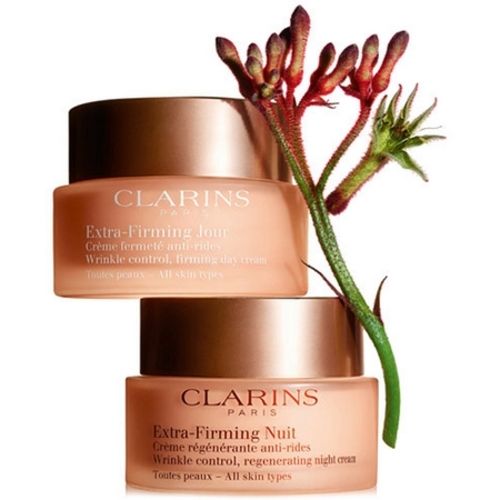
Clarins Extra-Firming: The Honest Adult Take on Firming Anti-Aging Cream
Clarins Extra-Firming has been the reference firming cream for adults over 35 for two decades. The honest assessment of what it does, what it doesn't, and where it fits in an adult routine.

Ferulic Acid for Adult Skin Over 40: The Underrated Antioxidant
Ferulic acid is the antioxidant that stabilizes vitamin C, extends UV protection, and gets ignored in mainstream skincare. The honest adult guide.