Skincare While Traveling After 40: The Honest Adult Protocol
Travel wrecks adult skin in predictable ways — dehydrated cabin air, hotel water, climate shifts, broken routines. The honest protocol that keeps your skin functioning while you're away.
Travel is hard on adult skin in ways most adults don't fully appreciate until they're staring at a sunburned, dehydrated face in a hotel mirror three days into a vacation. Cabin air at 5-10% humidity strips moisture for hours; hotel water has different mineral content than home; new climates throw skin's baseline off; broken routines mean active ingredients you'd normally apply nightly aren't happening; sun exposure in new locations often exceeds what's manageable without escalating SPF. After 40 the recovery is slower than it was at 25 — skin that "bounced back" from a week-long trip ten years ago now takes a month to fully reset. The good news: a deliberate travel skincare protocol prevents most of the damage without requiring you to pack your entire bathroom. This guide covers what to pack and what to skip, how to handle flights specifically, the hotel-room habits that maintain your routine, and the climate-specific adjustments for cold, hot, dry, and humid destinations.
What travel actually does to adult skin
The mechanisms compound:
Flight dehydration. Cabin air at 5-10% relative humidity strips skin moisture continuously for hours. A 10-hour flight produces measurable transepidermal water loss equivalent to spending a week in a winter heated home in one day.
Sleep disruption. Time zone changes shift sleep architecture. Cortisol patterns shift. Both directly affect skin barrier function — see how stress affects skin and smell.
Diet changes. Restaurant food, alcohol, different water, irregular meals — all show on skin within 48 hours.
UV exposure increases. Most travel involves more outdoor time and often higher-UV-index locations than home. Cumulative dose exceeds normal.
Climate shifts. Going from a 45% humidity home to a 75% humidity tropical destination — or to a 20% dry mountain destination — disrupts skin's adaptation. See what humidity does to adult skin, hair, and smell.
Routine breaks. Without your normal products, retinoid pauses, vitamin C skips, moisturizer changes. The systemic improvement that takes weeks to build can deteriorate in days.
Hotel water hardness/softness. Different mineral content reacts differently with cleansers and moisturizers. Some travelers experience irritation purely from the water.
The cumulative effect is "travel skin" — dull, dehydrated, mildly broken-out, slightly inflamed. Without intervention, it takes 1-2 weeks home to fully recover.
The honest travel kit
The minimum effective adult travel skincare kit, scaled by trip length:
Weekend trip (2-3 days):
- Travel size of your daily cleanser (or use hotel option if non-irritating)
- Travel size moisturizer with SPF (CeraVe AM in 1.5oz size)
- Lip balm with SPF
- A hydrating sheet mask or two for flight day
Week-long trip (4-7 days): Above plus:
- Travel-size night moisturizer
- Mini retinoid or transfer retinoid into a small jar
- Mini vitamin C serum
- Travel-size sunscreen (separate from SPF moisturizer for reapplication)
- Hydrocolloid patches for any travel-induced breakouts
Long trip (8+ days): All of the above plus:
- Travel-size cleanser (don't trust hotel options long-term)
- Eye cream
- Any spot treatment you regularly use
- A small jar of basic petrolatum for slugging on dry nights
- A second moisturizer if the destination climate is very different
For all trips:
- Reusable silicone travel bottles (refill from your normal products)
- A small zippered toiletry bag, ideally water-resistant
- TSA-compliant sizes if flying carry-on
Pack what you'd actually use in your routine at home. Travel is not the time to test new products — your skin is already stressed.
The flight protocol
The most-asked-about phase of travel skincare is what to do during long flights.
Pre-flight (at airport):
- Wash face if possible; or wipe with a gentle cleansing wipe
- Apply a heavy layer of moisturizer
- Apply lip balm
- Drink water — start hydrating before boarding
Boarding through descent (mid-flight):
- After 2-3 hours of cabin air, apply additional moisturizer on top — face, lips, hands
- Avoid alcohol on flight (dehydrating)
- Drink water every hour
- Optional: apply a hydrating sheet mask in the last 90 minutes of flight (yes, in your seat — it's a useful adult freshness move regardless of how it looks)
- Sleep if you can — facial skin recovers faster when sleeping than when reading on a screen for 8 hours
Post-flight (at destination):
- Wash face with your normal cleanser as soon as practical
- Reapply morning skincare routine in full
- Sunscreen before heading out, even if you're going indoors
- Eat real food, drink real water — not airport-quality
The flight is the single biggest skin-stress event in travel. Mid-flight intervention (moisturizer reapplication, sheet mask) makes a real difference in how you look on arrival.
For the broader cabin-air strategy, see hydration and how it affects skin and smell.
Hotel room routine
Maintaining skincare in a hotel requires deliberate setup:
On arrival:
- Unpack toiletry bag into the bathroom counter so you'll actually use products
- Check water hardness — if it's very hard or very soft, your products may react differently. Adjust by using less or more, observing skin response.
- Note humidity in the room. Many hotels run AC aggressively, dropping humidity to 20%. Request a humidifier or use a bowl of water in the bathroom overnight.
- Don't trust hotel toiletries for face. They're formulated for body and hair; face skin reacts.
Morning:
- Same as home routine — cleanse, vitamin C if you brought it, moisturizer, SPF
- Don't skip SPF even if you'll be inside all day
- Drink water with breakfast
Night:
- Cleanse thoroughly (double cleanse if you wore SPF + sweat)
- Apply night routine (retinoid if it's your night, otherwise peptide/HA)
- Heavy moisturizer
- Slug on top if the room is dry
During the day:
- Reapply SPF every 2-3 hours of outdoor exposure
- Drink water continuously
- Lip balm regularly
The hotel routine isn't different from home — it's just the home routine, executed in an unfamiliar environment. The discipline is what matters.
Climate-specific adjustments
The climate at your destination shapes the protocol.
Cold dry destination (ski, mountain, winter Europe):
- Increase moisturizer richness — bring an extra heavy night cream
- Slug on top every night
- Lip balm aggressively, every 1-2 hours outside
- SPF still required — snow reflection doubles UV exposure
- Mineral SPF on face for less irritation in cold dry air
- Bring a thermos for hot water/tea to maintain hydration
Hot humid destination (tropical, Southeast Asia, Caribbean summer):
- Switch to lighter moisturizer; heavy creams sit on skin and contribute to breakouts
- Mineral SPF that's water-resistant for sweat-heavy days
- Salicylic acid spot treatment for travel-induced breakouts (more likely in humid heat)
- Wash face after returning from sun/sweat exposure, not just at end of day
- Body wash with salicylic acid or BHA for any bacne (humid + sunscreen + sweat = back/chest breakouts)
Hot dry destination (Middle East, Arizona, Mediterranean summer):
- Aggressive hydration both topical and internal
- Heavy moisturizer despite the heat (your skin loses water fast in dry heat)
- Strong SPF, reapplied frequently
- Lip balm with SPF
- Eye cream — under-eye area is most vulnerable to UV in dry-heat conditions
Cool humid destination (UK/Ireland, Pacific Northwest, late fall Europe):
- Standard routine adapted slightly
- Lighter moisturizer if humidity is high
- SPF still required even on overcast days
- Less aggressive hydration intervention than other climates
High-altitude destinations (Denver, Cusco, ski resorts):
- UV is dramatically higher at altitude — 4% more UV per 1000ft above sea level
- Strong SPF, reapplied often
- Lip protection critical (lips burn fast at altitude)
- Aggressive hydration — altitude dehydrates
- Aloe gel for if/when you do get burned
The adjustment is matching the existing variables (humidity, UV, temperature) to your existing products and habits. The principle is the same; the dosing changes.
What about retinoids during travel
A common question: should you pause retinoid during travel? The honest answer:
Continue if:
- Trip is shorter than 2 weeks
- You're tolerating retinoid well at home
- You're not going to extreme sun (beach vacation, ski)
Pause if:
- Trip includes significant outdoor sun exposure (beach week, ski trip)
- You're going to a location where retinoid-related sensitivity could cause issues
- Trip is over 2 weeks (skin will adjust to absence; resumption needs ramp)
- You're flying many time zones (sleep disruption + retinoid can be too stressful)
If pausing, plan the resumption protocol when you get home: start back at lower frequency (2x weekly) and rebuild over 4 weeks. Don't jump immediately back to nightly.
See retinol for beginners after 40 and salicylic vs glycolic vs lactic acid after 40 for the actives context.
Travel-specific breakouts
Adult travel often triggers breakouts even in adults who rarely have them at home. The usual causes:
- Different water reacting with skin
- Hotel pillowcases (sometimes washed with harsh detergents)
- Diet changes (alcohol, restaurant food, different cuisine)
- Sleep disruption raising cortisol
- Heat + humidity + sunscreen + sweat = clogged pores
- Skipping normal anti-acne routine
The travel acne kit:
- Hydrocolloid patches (the small clear stickers) for any visible spots — covers them, heals faster
- Travel-size salicylic acid spot treatment
- Don't pick — picking on travel skin worsens scarring potential
- Continue normal cleanse routine even if you're tired
See adult acne after 40 for the broader framework.
Common mistakes
- Packing only the bare minimum. Saving toiletry-bag space by skipping moisturizer or eye cream — then dealing with worse skin for the whole trip. Pack the essentials.
- Trusting hotel toiletries for face. Often too harsh for facial skin. Body wash and shampoo, fine. Face cleanser, bring your own.
- Skipping SPF on overcast or indoor days while traveling. Cumulative UV during travel is higher than home; daily SPF still applies.
- Drinking like you're at home in a different climate. Alcohol in heat + sun + dehydration is dramatically harder on skin than alcohol at home in normal conditions.
- Not adjusting routine to climate. Same heavy night cream that's perfect in winter at home is too much in tropical humidity.
- Skipping sunscreen on the flight. UV exposure through plane windows is real — apply SPF before boarding and reapply on long flights.
- Forgetting lip balm. Lips dehydrate fastest of any facial skin. A tube in your pocket, used every hour while traveling.
- Long-haul travel without any in-flight skincare. A sheet mask in the air looks weird but works. Skip it and arrive looking worse.
- Bringing brand-new products to test on the trip. Trip is the wrong time to discover you're allergic to something. Test new products at home before traveling.
- Skipping retinoid for a week, then jumping straight back to nightly. Stings, peels, breaks out. Ramp back gradually.
- Not using a separate sunscreen for face vs body. Body sunscreen on the face often clogs pores and shines. A small face-specific tube travels well.
FAQ
How small can my skincare products be for carry-on? TSA allows liquids up to 3.4oz (100ml) in a single quart-sized bag. Most products travel size at 1-3oz. Refillable silicone bottles let you carry smaller portions of larger products.
Should I check my skincare bag? Depends on trip length and what you're bringing. For weekend trips: carry-on. For longer trips with larger products: check the bag if you can — saves the hassle of TSA limits. Always carry essentials (cleanser, moisturizer, lip balm, SPF) in your carry-on in case checked bags get delayed.
Do I need a separate skincare set for travel? For frequent travelers, yes — a permanent travel kit pre-packed saves time. For occasional travelers, refilling main bottles into travel sizes works.
What about water quality at the destination? Most municipal water is fine for face washing. Very hard water (some European cities) can react with cleansers — using slightly more product and rinsing thoroughly helps. Very soft water (some hotels) feels different but is usually fine. If skin reacts unusually, switch to using bottled water for face washing.
Should I take an oral hydration supplement when flying? Marginally helpful. Electrolyte tablets (Nuun, Liquid IV) in water are more effective than supplements. The flight-day discipline is: drink water continuously, avoid alcohol, apply moisturizer mid-flight.
Can I bring a humidifier when I travel? Portable USB-powered humidifiers exist ($20-40) and are useful for dry hotel rooms. Small enough to fit in a checked bag. Worth it for dry-climate trips or for adults who notice dramatic skin reaction to indoor air.
What about masks (sheet, hydrogel) during travel? Yes — pre-flight sheet mask and in-flight sheet mask are useful. Pre-event sheet mask before a wedding or important meeting on the trip. Pack 3-5 individual sheet masks for a week-long trip.
Should I get a facial when I arrive somewhere? Risky — different aesthetician, unknown products, possible irritation. Save facials for trusted providers at home unless you're at a destination spa with verified expertise. For a trip-prep glow, pre-trip facials at home are safer.
Related guides
If this landed, the natural next reads are simple skincare routine after 40, sunscreen after 40 — the non-negotiable, and how to layer skincare products after 40. For the broader travel hygiene context, adult dopp kit travel grooming essentials.

How to Prepare Your Skin Before Summer: The Adult Pre-Sun Protocol After 40
Adults who treat summer skin protection as a day-of project lose ground every year. The honest pre-summer protocol that pays back for months of consistent outdoor exposure.
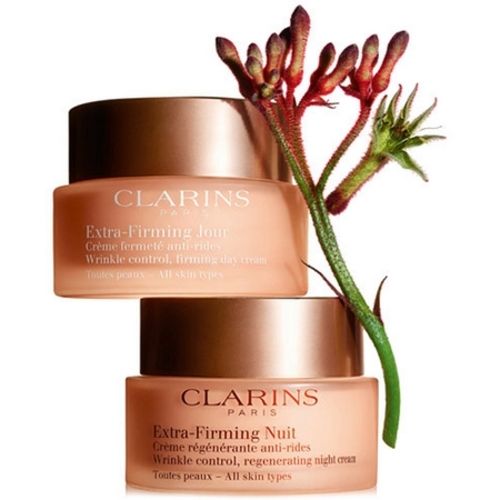
Clarins Extra-Firming: The Honest Adult Take on Firming Anti-Aging Cream
Clarins Extra-Firming has been the reference firming cream for adults over 35 for two decades. The honest assessment of what it does, what it doesn't, and where it fits in an adult routine.

Ferulic Acid for Adult Skin Over 40: The Underrated Antioxidant
Ferulic acid is the antioxidant that stabilizes vitamin C, extends UV protection, and gets ignored in mainstream skincare. The honest adult guide.