Self-Tanning for Adult Men After 40: The Honest Guide to Looking Sun-Kissed Without Orange
Self-tanning was a feminine-coded category for years; the modern adult-male formulations work better than most men expect. The honest guide to subtle, natural color without sun damage.
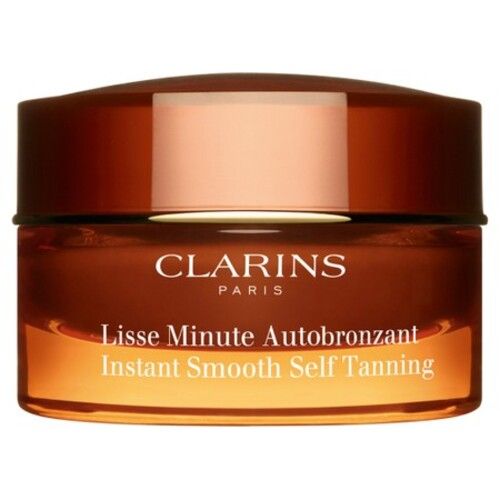
Self-tanning has historically been a category that adult men avoided — coded as feminine, associated with orange-tinged failures, and assumed to be too high-maintenance for daily life. The reality in 2026 is that modern self-tanning formulations are dramatically better than they were even a decade ago, work well on male skin (which often takes color more easily than female skin), and let an adult man add a slight sun-kissed warmth without accumulating sun damage that ages skin faster than anything else. After 40, this matters more — UV exposure is the dominant driver of visible aging (see sunscreen after 40 — the non-negotiable), and the "I'll just get some sun on vacation" approach to looking healthy actively shortens how good your skin will look in your 60s. Self-tan offers the look without the damage. This guide covers what self-tanner actually does, the categories that work for adult male skin and grooming context, the application protocol that prevents the orange mess that derails most first-timers, and the honest expectations for what subtle bronzing can do.
What self-tanner actually is
The active ingredient in essentially every self-tanner is DHA (dihydroxyacetone), a colorless sugar that reacts with amino acids in the dead surface layer of skin to produce melanoidins — brown pigments. The reaction develops over 2-8 hours after application and lasts roughly as long as the dead skin cells (5-10 days) before sloughing off naturally.
What this means in practice:
- The "tan" is on the surface of skin only, not biologically activated like sun-exposure tanning
- No UV exposure, no DNA damage, no melanoma risk
- Color develops gradually over hours, not immediately on application
- Color fades over a week as skin cells turn over
- Color depth depends on concentration of DHA and skin's individual reaction
Modern formulations often add:
- Erythrulose (a similar sugar that reacts slower for longer-lasting development)
- Bronzer guide color (a cosmetic tint that washes off but shows where you've applied)
- Hydrators (ensures application is even on dry vs oily skin)
- Anti-orange technology (different pigment ratios to mimic natural tan more accurately)
The technology has improved enough that subtle, natural-looking results are achievable with consistent product and technique. The "obviously fake tan" problem of past decades is largely about cheap products and bad application, not the category itself.
Why self-tanning matters more after 40
Three reasons it's worth considering:
UV avoidance compounds dramatically. Each decade of sun-avoidance preserves collagen, elastin, and pigment evenness. By 60, the skin difference between sun-tanners and self-tanners (or sun-avoiders) is dramatic.
Slight color reads as healthy. A bit of warmth in the skin contributes to looking "rested" and "vital" in ways that pale-and-tired doesn't. Even men who don't think they "need" tan often look better with subtle warmth.
Special occasions benefit. Weddings, important events, beach vacations where you want to arrive already-tanned rather than risking sunburn on day one. A 2-3 day pre-event tan does this safely.
Stops the slow-decline mindset. Many adult men accept "I look tired" or "I look washed out" as inevitable. Subtle self-tan is one option to counter that without committing to a serious skincare regimen.
The downside: requires occasional application, learning curve, possible mishaps. But the upside-risk ratio is better than most men assume.
The category breakdown
Modern self-tanning splits into several formats, each with different use cases:
Gradual tan body lotion. Daily moisturizer with low-DHA concentration. Builds up color slowly over a week of daily use. Lowest-risk, highest-tolerance category. Examples: Jergens Natural Glow, NIVEA Sun-Kissed, Dove Glow Body Lotion. Cost: $10-20. Good for first-timers and adults wanting subtle ongoing color.
Body mousse / foam. Higher DHA, more dramatic color, applied with a glove. Examples: St. Tropez Self Tan Express, Bondi Sands Self Tanning Foam. Cost: $30-50. Most popular category for serious self-tanning.
Spray-on / mist. Aerosol that's lighter to apply, good for hard-to-reach areas. Examples: St. Tropez Self Tan Express Bronzing Mist, Tan-Luxe The Body. Cost: $25-50.
Drops. Concentrated DHA you add to your moisturizer. Customizable strength. Examples: Tan-Luxe The Face, Isle of Paradise Self Tanning Drops. Cost: $35-50. Great for subtle face tanning.
Tinted face products. Combines self-tanner with skincare or sunscreen. Examples: Vichy Capital Soleil BB Tinted Beauty Fluid, Korres Black Pine 3D Sculpting Tinted Moisturizer. Cost: $25-50. Easy entry point.
Spray tan booths. Professional application at salons. Most consistent results; highest cost; requires visit. $30-60 per session, typically lasts a week.
For most adult men, gradual tan lotion is the right entry point. Once tolerance and technique are established, mousse or drops for more dramatic results.
The honest application protocol
Most self-tanning mistakes come from skipping prep or rushing application. The protocol that produces natural results:
24 hours before:
- Exfoliate. A gentle chemical exfoliant (lactic acid body lotion, see salicylic vs glycolic vs lactic acid after 40) or a physical scrub removes dead skin that would absorb color unevenly. Pay attention to elbows, knees, ankles, and heels.
- Shave or wax any body hair you want removed. Do it the day before, not the day of — fresh shaves react more intensely with DHA and produce small uneven dots.
- Moisturize dry areas heavily. Elbows, knees, hands, feet — these absorb more DHA and end up darker if not pre-hydrated.
Day of application:
- Shower in the morning. No fragrance, no body oil, no deodorant on areas you'll tan.
- Pat dry, fully. Damp skin streaks.
- Set up your space. Tile bathroom or somewhere with non-porous flooring. Old towel. Tan-application glove (essential for most products — bare hands stain palms).
- Wear loose dark clothing during development.
Application:
- Start with one body section at a time — legs, torso, arms, neck, face last.
- For lotion or mousse: Apply a moderate amount to your gloved hand, work into the skin in circular motions. Blend edges into adjacent untanned skin.
- For mist or drops: Apply lighter coverage; build up if needed.
- Face specifically: Use less product, blend into hairline and jawline carefully, avoid eye area.
- Hands and feet: Apply very light; these darken faster. Use a slightly damp washcloth to gently remove from knuckles and between fingers.
- Allow to dry for 10-15 minutes before dressing.
Post-application:
- Don't shower for 8-12 hours to let the tan develop fully.
- Avoid sweating or swimming during development.
- Sleep on dark sheets the first night.
- First shower: lukewarm, gentle. Avoid scrubbing the first 24 hours.
- Moisturize daily to extend the tan and prevent uneven fading.
The tan develops over 4-8 hours after application and continues to deepen for the first 24 hours. It lasts 5-7 days before fading; gradual top-ups every few days maintain color.
Common application mistakes and fixes
Orange palms. Forgot the glove or didn't wash hands thoroughly after application. Fix: lemon juice + sugar scrub on palms; future use, glove always.
Streaky legs. Didn't blend evenly; product set on uneven skin. Fix: exfoliate before next application; apply more thinly and blend more carefully.
Darker elbows/knees. Dry skin absorbed more product. Fix: heavier pre-moisturizing of these areas; lighter application directly on them; remove with damp washcloth immediately after application.
Uneven face line at hairline. Didn't blend into scalp area. Fix: lightly blend tan up into the hairline rather than stopping sharply at it.
Orange tone instead of brown. Cheap or wrong-undertone product for your skin. Fix: try a different brand with better pigment balance (St. Tropez and Bondi Sands tend to have cooler/browner tones).
Patchy fade. Skin cells turning over unevenly. Fix: gentle exfoliation through the week to even fading.
For broader skin care during the process, see skin barrier repair after 40.
Self-tan for face vs body
The face is more visible and more reactive. Modify the body protocol:
Use smaller amounts. A pea-sized application for the whole face.
Use drops added to moisturizer for the most controlled approach. 2-3 drops in your normal moisturizer; apply as you would normally.
Blend carefully into hairline, jawline, ears. The transition areas are where most people see "wearing makeup" tan vs natural-looking tan.
Avoid eye area specifically. The DHA reaction can stain the orbital area more than you'd like.
Don't apply over active retinoid or vitamin C nights. Wait 24 hours after either before using face self-tanner.
Reapply every 3-5 days for face tan; develops faster and fades faster than body.
What to expect — the realistic look
Honest expectations:
First application: Subtle color, often barely noticeable except in good light. Develop tolerance and recognize natural-looking depth before going darker.
3-5 day consistent use: Real visible color. Looks like a moderate vacation tan. Should not look obviously fake unless you've used too much or wrong product.
Maintained use: A sustained sun-kissed look that you forget you're wearing.
Going darker than your skin allows: Always reads as fake. Aim for 1-2 shades darker than your natural; not 5 shades.
The honest test for if you've gone too dark: does it look like a tan you'd plausibly get from sun exposure given your skin type? If darker than that, dial back.
Self-tan and the broader skincare/grooming context
Self-tanner interacts with everything else in your routine.
Active skincare: Don't use retinoid or strong acids same day as application. They can affect how the DHA develops.
Sunscreen: Still required during the day. Self-tan doesn't protect from UV.
Body wash: Use gentle, non-exfoliating cleansers in the days following application to extend the tan.
Fragrance: Wait 30 minutes after application before applying any cologne directly to recently-tanned skin.
Sweat / exercise: Heavy sweating after application can streak the developing tan. Time application for low-activity windows.
For the broader skin-routine context, see adult male morning routine and skincare for men after 40 — what's different.
Common mistakes
- First application too dark. Always start with gradual or use less than instructions suggest.
- Skipping exfoliation. Dead skin absorbs color unevenly and fades patchy.
- Skipping the glove. Stained palms and fingers.
- Applying to dry knees and elbows. Absorbs more, darker patches.
- Sweating or showering too soon after application. Streaks the developing tan.
- Using on broken or irritated skin. Stings, develops unevenly.
- Mixing brands mid-tan. Different formulations may layer poorly.
- Skipping moisturizer between applications. Skin dries, tan fades unevenly.
- Buying based on price alone. Cheap self-tanner is often the worst-orange culprit. Mid-range ($20-40) gets you proper formulations.
- Trying to maintain a year-round dark tan. Reads as obvious and over-applied. Subtle maintenance, occasional boost for events.
FAQ
Will self-tanner make me look orange? Modern formulations from mainstream brands shouldn't, applied correctly. The orange-result era was 2000s technology and cheap products. St. Tropez, Bondi Sands, Loving Tan, Tan-Luxe all produce natural-looking results when used correctly.
Is self-tanner safe to use? DHA has been used in cosmetics since the 1960s and is considered safe for topical use on intact skin. Avoid inhalation (don't spray-tan without a mask), avoid eye contact, and don't apply to broken or irritated skin. Long-term safety on extensive lifelong use is generally favorable but less well-studied than short-term.
Will it stain my clothes or sheets? The guide color (bronzer) in many products can transfer to fabric until you wash it off. Wear dark loose clothing during development; sleep on dark or older sheets the first night.
How long until I should re-apply? For maintained color: every 3-5 days for face, every 5-7 days for body. For gradual tan lotions: daily as part of routine.
Will self-tan protect me from sunburn? No. DHA produces color but not UV protection. Sunscreen still required separately. Some products combine SPF + self-tan but the SPF needs reapplication regardless.
Can I exercise after applying? Wait 8-12 hours after application before heavy sweating. Light activity is OK after a few hours of drying.
Will my face look different from my body? If you tan face separately with different products, possibly. Match face and body products for consistency, or use a slightly lighter face product to avoid the "darker body, lighter face" look.
Do I need a professional spray tan? Not usually. At-home application is reliable once you've practiced. Professional spray-tan booths are useful for events where you want a specific result without DIY risk, or for hard-to-reach areas (back).
Will it interact with my fragrance? Cologne applied to recently-tanned skin can affect tan development if applied within the first hour. After full development (8+ hours), no interaction.
Related guides
If this landed, the natural next reads are sunscreen for men after 40 — the honest picks, skincare for men after 40 — what's different, and adult male morning routine. For the broader anti-aging context, skincare mistakes that age you faster.

Hair Washing Technique for Adult Men After 40: What Most Get Wrong
Hair washing is the grooming step most adults never reconsider. After 40 — with scalp changes, gray hair, and thinning — technique matters more than ever.

Body Exfoliation for Adult Men After 40: The Honest Protocol
Dead skin accumulates faster after 40, and shows on shoulders, back, knees, and elbows. The honest body exfoliation protocol — what works, what to skip.
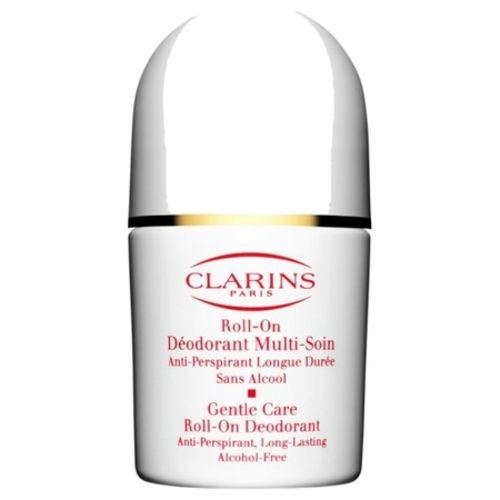
Deodorant Types Compared for Adult Men: Stick, Spray, Roll-On, Cream, Crystal
Stick, spray, roll-on, cream, crystal — five formats, real differences. The honest comparison for adults who want odor protection without staining their shirts.