Simple Skincare Routine After 40
Cleansing, moisture, sunscreen, and a few ingredients that actually matter. Done consistently, beats every fancy serum you'll be sold.
Skincare after 40 doesn't need to be complicated. Four products, used consistently, will do more for how your skin looks than a ten-step routine you'll abandon in a month. The hard part isn't finding the right cream — it's ignoring the noise long enough to do the simple things every day.
This guide gives you the actual non-negotiables, when to use each, where to spend money, where to save, the additions that matter once you have the basics down, and the specific mistakes that age skin faster than time does. Pair it with the Adult Grooming Checklist and the freshness fundamentals in Why Body Odor Changes With Age for the broader system.
The non-negotiable four
In order of how much they actually matter:
- Sunscreen. SPF 30+ every morning, year-round. The single most evidence-backed anti-aging step. If you only do one thing, do this.
- Cleanser. Gentle, fragrance-free, twice a day. Not soap, not face wipes.
- Moisturizer. Restores the barrier function that drops after 40. Apply to slightly damp skin.
- Retinoid. The only over-the-counter ingredient with strong evidence for reducing fine lines and improving skin texture over time. Slow start, used at night.
Everything else — vitamin C serums, hyaluronic acid layers, peptide essences, eye creams — is optional. Useful for some people, but the absence of any of them won't visibly age you. The absence of the four above will.
Morning routine (under 3 minutes)
- Splash with lukewarm water or use a gentle cleanser if you tend toward oily skin.
- Moisturizer on damp skin.
- SPF 30+ broad-spectrum sunscreen — at least a fingertip's worth, neck included.
That's it. If you want to add vitamin C, it goes between cleanser and moisturizer. If you skip it, you'll be fine.
Evening routine (under 5 minutes)
- Cleanser — actual cleanser, not water alone. You're removing sunscreen, pollution, sweat, and oil from the day.
- Retinoid — pea-sized amount, three nights a week to start, working up to nightly over 6–8 weeks.
- Moisturizer — apply 10 minutes after the retinoid (or simultaneously if you're prone to irritation; this dilutes it slightly without killing the benefit).
On nights you use retinoid, skip exfoliating acids. On the off nights, you can use a mild AHA or BHA if you want — but you don't need to.
Where to spend, where to save
| Product | Spend on | Save on |
|---|---|---|
| Sunscreen | Texture you'll actually use daily. A $40 sunscreen you wear every day beats a $15 one you skip. | Brand name. Drugstore Korean and Japanese sunscreens often outperform luxury brands. |
| Cleanser | Almost nothing. CeraVe, La Roche-Posay, and Cetaphil hydrating cleansers are excellent at $15. | Don't pay $50 for a cleanser. It's on your face for 30 seconds. |
| Moisturizer | A formula with ceramides + niacinamide. Around $20–$40 is the sweet spot. | $200 jars of "anti-aging" cream rarely contain anything more effective than the $30 version. |
| Retinoid | Prescription tretinoin ( | "Plant-based retinol alternatives" — no equivalent evidence. |
Specific products that work
Not affiliate-driven; these are the formulations that consistently land.
- Sunscreen: Beauty of Joseon Relief Sun Rice + Probiotics, La Roche-Posay Anthelios UVMune 400, EltaMD UV Clear, Supergoop! Unseen Sunscreen.
- Cleanser: CeraVe Hydrating Cleanser, La Roche-Posay Toleriane Caring Wash, Cetaphil Gentle Skin Cleanser.
- Moisturizer: CeraVe PM Facial Moisturizing Lotion, La Roche-Posay Toleriane Double Repair, Vanicream Daily Facial Moisturizer.
- Retinoid: Prescription tretinoin 0.025% to start. OTC: Differin (adapalene 0.1%) gel. Honorable mention: La Roche-Posay 0.3% retinol serum (gentler intro).
You don't need brands you can't pronounce. The above will work for the vast majority of adult skin.
Ingredients that actually matter
Skincare has roughly six ingredient categories with strong evidence. Everything else is largely marketing:
- Retinoids (tretinoin, adapalene, retinol). Increase cell turnover; reduce fine lines and pigmentation over 6+ months of consistent use.
- Sunscreen actives (zinc oxide, titanium dioxide, avobenzone, modern UV filters in newer formulations). Prevent UV damage that causes the majority of visible skin aging.
- Vitamin C (L-ascorbic acid 10–20%, MAP, ascorbyl glucoside). Brightens, fades pigmentation, modest collagen support.
- Niacinamide (vitamin B3, typically 4–10%). Reduces redness, evens tone, strengthens skin barrier.
- Ceramides. Restore the lipid barrier; reduce dryness and sensitivity.
- Hyaluronic acid. Hydrates by binding water. Genuinely useful in moisturizers; the standalone serum hype is overblown.
Ingredients with thinner evidence (peptides, growth factors, snail mucin, "ferments") may or may not do something. They're not bad to include, but don't pay a premium for them while skipping the proven four above.
Adjustments for specific concerns
Once the basic routine is consistent, these are reasonable additions:
| Concern | Add |
|---|---|
| Hyperpigmentation / dark spots | Vitamin C in the morning; tretinoin at night. Sunscreen always — pigmentation worsens with UV exposure. |
| Redness / rosacea | Niacinamide-heavy moisturizer; mineral sunscreen (zinc/titanium) only; skip exfoliating acids. |
| Dryness | Add a hyaluronic acid layer before moisturizer; switch to a richer night cream; reduce shower temperature. |
| Sensitivity / irritation | Strip everything back to cleanser + ceramide moisturizer + mineral sunscreen for 4 weeks; reintroduce one product at a time. |
| Wrinkles / texture | Stay consistent with tretinoin — this is the main lever, and it takes 6+ months. |
| Dullness | Vitamin C in the morning + a weekly mild exfoliation (lactic acid or PHA). |
| Adult acne | Adapalene (Differin) is also acne treatment — same gel does both. Salicylic acid cleanser 2–3× a week. |
Body skincare matters too
The face gets the attention; the body gets ignored. For adult skin past 40:
- Body moisturizer after every shower while skin is still damp. CeraVe Daily Moisturizing Lotion is the standard.
- Sunscreen on hands, neck, forearms in summer or any sustained outdoor time. Hands age fastest because they're sun-exposed and underbathed.
- Salicylic acid body wash 2–3× a week on chest, back, shoulders. Prevents body acne, ingrowns, keratosis pilaris on the arms.
- Lactic acid lotion (AmLactin or equivalent) weekly on the backs of arms — the gold-standard fix for the "chicken skin" texture.
Lifestyle factors that out-perform expensive creams
What's actually making your skin look older has more to do with this list than any product:
- Skipping sunscreen. UV damage accounts for ~80% of visible skin aging.
- Over-cleansing. Two washes a day, max. Foaming cleansers twice daily strip the barrier.
- Hot showers. Strip natural lipids. Lukewarm only, and keep the face washing short.
- Touching your face. Constant micro-irritation, breakouts on the jawline, redness.
- Poor sleep. Genuinely affects skin barrier repair. There's no cream that fixes consistent 5-hour nights.
- Smoking and heavy alcohol. Both visibly age skin faster than anything topical can offset.
- High-sugar / high-processed-food diet. Glycation links sugar molecules to skin proteins, contributing to loss of elasticity over decades.
A boring lifestyle baseline (sleep, sunscreen, moderate alcohol, decent diet) does more for your skin than spending $400/month on serums.
Common mistakes
- Starting retinoid too aggressive. Nightly tretinoin from day one ruins your barrier. Three nights a week, six weeks, then four nights, then nightly.
- Using a $200 cream and skipping sunscreen. A literal waste. Sunscreen does more for skin than any night cream you can buy.
- Believing claims of "instant" results. Skincare works on a 6–12 week timeline. Anything that promises 7 days is mostly hydration or marketing.
- Layering 8 products. More products means more variables, more irritation, and less compliance. Cut, don't add.
- Buying because you saw it on social media. Influencer-driven products are designed to be visible, not effective. Most are unnecessary.
- Treating skincare and grooming as separate. They're one system. See the full grooming checklist for the surrounding routine.
- Stopping when skin gets purging. The first 4–6 weeks of retinoid use often causes a small flare (purging). Push through; quit and you lose all the benefits without the adjustment period.
FAQ
Does my skincare interact with my fragrance routine? Yes. Heavily-scented moisturizers will compete with cologne in the same way scented body wash and deodorant do — see Best Deodorant Strategy With Cologne. Stay with fragrance-free formulas.
Should I use an eye cream? Optional. If your eye area feels dry, your face moisturizer works fine — just pat it gently into the orbital bone. A dedicated eye cream is a luxury, not a necessity.
What about vitamin C serum? Useful for evening pigmentation and brightening, but not essential. If you add it, use a stable formulation (15–20% L-ascorbic acid, or 10% MAP if you're sensitive) and store it away from light.
Can I use retinoid and an acid in the same routine? Not on the same night. Alternate them, or use the acid on weekend evenings only.
My skin is dry all the time after 40 — what now? Increase moisturizer (apply to damp skin), shorten and cool down showers, run a humidifier in winter. If still dry, a thicker night moisturizer or a ceramide-rich balm helps.
Is everything "anti-aging" marketing? Largely yes for products. The genuine ingredients with evidence are sunscreen, retinoids, niacinamide, vitamin C, and ceramides. Most "anti-aging" branding is wrapped around those few molecules plus filler.
Mineral or chemical sunscreen? Whichever you'll wear daily. Mineral (zinc, titanium) is better for sensitive/rosacea-prone skin; modern chemical filters in Korean/European sunscreens are usually more cosmetically elegant. Either works for sun protection.
How long until I see results from retinoid? 4–6 weeks for improved texture; 3–6 months for hyperpigmentation; 6–12 months for fine lines. Consistency matters more than concentration.
Does drinking water improve my skin? Hydration matters for general health and very dry skin; drinking 8 extra glasses won't transform skin already getting sufficient water. Moisturizer + a good barrier does more topically.
What's the bare minimum routine if I'll really only do one or two products? Sunscreen in the morning. If you'll add one more, gentle cleanser at night.

How to Prepare Your Skin Before Summer: The Adult Pre-Sun Protocol After 40
Adults who treat summer skin protection as a day-of project lose ground every year. The honest pre-summer protocol that pays back for months of consistent outdoor exposure.
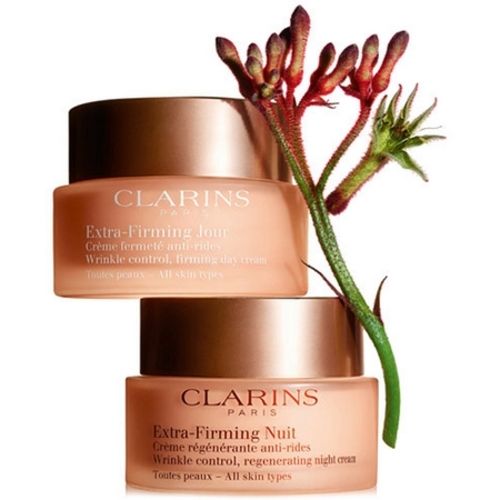
Clarins Extra-Firming: The Honest Adult Take on Firming Anti-Aging Cream
Clarins Extra-Firming has been the reference firming cream for adults over 35 for two decades. The honest assessment of what it does, what it doesn't, and where it fits in an adult routine.

Ferulic Acid for Adult Skin Over 40: The Underrated Antioxidant
Ferulic acid is the antioxidant that stabilizes vitamin C, extends UV protection, and gets ignored in mainstream skincare. The honest adult guide.