Skincare for Dry Skin After 40: What Actually Works for Adult Dry Skin
Dry skin in your 40s isn't just about applying moisturizer. The barrier weakens, water loss accelerates, and the routine has to work harder. Here's what actually works.

Adult dry skin is more complex than teenage dry skin or even adult oily skin. The skin barrier weakens with age, water loss accelerates, sebum production drops, and the same products that "worked" at 30 produce inadequate results at 50. Adults with chronic dry skin often report tightness after cleansing, persistent flaking despite moisturizer, more visible fine lines and aging signs (dry skin amplifies them), increased reactivity to products, and the feeling that nothing they apply truly addresses the underlying dryness.
For adults dealing with dry skin in their 40s and beyond, the routine needs to address both surface hydration AND barrier function. Done right, adult dry skin becomes manageable — not perpetually dehydrated, not constantly reactive, with the appearance of plump, hydrated skin that supports the rest of the face's health. Done wrong, dry skin compounds with aging signs and becomes increasingly problematic.
This guide covers what causes adult dry skin, what supports it, and the routine that actually addresses both the symptom and the underlying barrier function.
The fast answer
Adult dry skin needs barrier rebuilding plus hydration. The routine: gentle non-stripping cleanser (creamy or milky formulations work better than gel for dry skin), hyaluronic acid serum for hydration, niacinamide for barrier support, retinoid (carefully — start slowly with adapalene 0.1% applied over moisturizer; dry skin is more sensitive to retinoid initially), rich ceramide-based moisturizer (CeraVe Cream tub, La Roche-Posay Toleriane Double Repair, First Aid Beauty Ultra Repair), facial oil at night for deeply dry skin (squalane, jojoba, rosehip), sunscreen daily. For night: heavier occlusive moisturizer; possibly facial oil on top. Skip: foaming sulfate cleansers, alcohol-based toners, daily strong exfoliation. Address environmental factors: humidifier in winter; lukewarm not hot showers; avoid harsh wind exposure when possible. Most adult dry skin improves dramatically within 4-8 weeks of barrier-rebuilding routine.
That's the structure. The texture is below.
What causes adult dry skin
Several factors compound:
Decreased sebum production. Natural oils that maintain barrier function decrease with age. Adults at 50 have meaningfully less sebum than at 30. The barrier weakens without lipid replenishment.
Slower cell turnover. Dead skin accumulates faster than it sheds, contributing to dry texture. See skin barrier repair after 40.
Hormonal shifts. Perimenopause in women and slower hormonal changes in men reduce skin lipid production. Some adults experience dramatic dry skin shifts in their 40s/50s.
Environmental factors:
- Low indoor humidity (winter heating)
- Dry climates
- Cold weather
- Wind exposure
- Sun damage
- Pollution
Aggressive routines. Strong cleansers, alcohol toners, over-exfoliation strip lipids. The barrier never has time to rebuild.
Some medications can cause or worsen dry skin (retinoids, certain blood pressure medications, others).
Underlying conditions (eczema, psoriasis, hypothyroidism, etc.) — see a doctor if dry skin is severe or sudden onset.
For most adults: barrier compromise + age-related sebum decline + environmental factors = chronic adult dry skin.
The barrier connection
For adult dry skin specifically, the skin barrier is central. The barrier — a thin layer of cells and lipids on the skin surface — does several jobs:
- Prevents water loss
- Blocks irritants
- Maintains skin pH
- Supports the skin microbiome
- Modulates immune response
When the barrier is compromised:
- Water escapes more rapidly (transepidermal water loss)
- Irritants enter more easily
- Skin becomes more reactive
- Visible dryness, redness, flaking
- Fine lines appear more prominent
Adult dry skin is essentially chronic barrier compromise. The routine has to address both surface hydration (immediate symptoms) AND barrier function (underlying issue).
For comprehensive barrier approach: skin barrier repair after 40.
The adult dry-skin routine
Step 1: Gentle cleansing (don't strip what you already have)
For adult dry skin, foaming cleansers strip the few lipids you have. Switch to gentle cream or milk cleansers.
Products:
- CeraVe Hydrating Cleanser ($14) — gentle, contains ceramides
- La Roche-Posay Toleriane Hydrating Cleanser ($16) — similar
- Vanicream Gentle Facial Cleanser ($12) — affordable basic
- Cetaphil Gentle Skin Cleanser ($12) — basic
- First Aid Beauty Pure Skin Face Cleanser ($24) — premium hydrating
- La Mer The Cleansing Foam ($95) — luxury (despite "foam" name, gentle)
- Cream cleansers: Eve Lom Cleanser, Tata Harper Refreshing Cleanser, Aesop Parsley Seed Anti-Oxidant Facial Cleansing Masque
Application:
- Lukewarm water; never hot
- Massage gently for 30-60 seconds
- Rinse thoroughly
- Pat dry leaving slightly damp (don't rub)
Frequency:
- Once daily PM (remove sunscreen and pollution)
- AM: just water rinse for very dry skin, or gentle cleanser for slightly less dry
For dry skin: over-cleansing is the most common mistake. Once daily is often enough.
Step 2: Hyaluronic acid (immediate hydration)
The fastest path to surface hydration. Hyaluronic acid attracts and holds water at the skin surface.
Products:
- The Ordinary Hyaluronic Acid 2% + B5 ($9) — affordable workhorse
- La Roche-Posay Hyalu B5 ($45) — premium HA serum
- SkinCeuticals Hyaluronic Acid Intensifier ($112) — premium option
- Glow Recipe Plum Plump Hyaluronic Serum ($42) — modern formulation
- Vichy Mineral 89 ($35) — HA + minerals; well-tolerated
Application:
- Apply to slightly damp skin (HA needs water to bind)
- 2-3 drops smoothed over face
- Wait 30 seconds before next product
- AM and PM
See hyaluronic acid for skin over 40 for comprehensive HA approach.
Step 3: Niacinamide (barrier support)
Niacinamide supports barrier function, reduces inflammation, and works well alongside HA for dry skin.
Products:
- The Ordinary Niacinamide 10% + Zinc 1% ($7)
- Paula's Choice 10% Niacinamide Booster ($45)
- Glow Recipe Niacinamide Dew Drops ($35)
Application:
- Apply AM after HA, before moisturizer
- Daily use
See niacinamide for skin over 40.
Step 4: Rich ceramide moisturizer (the key step)
For dry skin: moisturizer is the centerpiece, not an afterthought. Ceramides specifically rebuild the barrier.
Products for daytime:
- CeraVe Daily Moisturizing Lotion ($14) — lighter daytime option
- La Roche-Posay Toleriane Double Repair Face Moisturizer ($21) — well-formulated
- First Aid Beauty Ultra Repair Cream ($38) — premium option
- CeraVe AM Facial Moisturizing Lotion ($14) — with sunscreen
Products for nighttime (richer):
- CeraVe Moisturizing Cream tub ($16) — heavier ceramide cream
- La Roche-Posay Toleriane Double Repair Face Cream ($21) — premium
- First Aid Beauty Ultra Repair Cream ($38)
- Avene Cicalfate+ ($28) — for stressed barrier
- La Mer The Moisturizing Soft Cream ($210) — luxury option
- CeraVe Skin Renewing Night Cream ($20) — peptides + ceramides
Application:
- Generously to damp skin
- Both AM and PM
- Rich texture is appropriate for dry skin
Step 5: Retinoid (carefully for dry skin)
Adult dry skin should still use retinoid — it addresses anti-aging and the long-term skin quality issues that come with chronic dryness. But introduce more carefully than for normal or oily skin.
Products:
- Adapalene 0.1% (Differin Gel) ($13) — gentler starter
- Retinol 0.5% in squalane (The Ordinary, etc.) — alternative for very sensitive
Application for dry skin:
- Apply over moisturizer (sandwich approach: moisturizer → retinoid → more moisturizer)
- Start 2x weekly
- Build to nightly only if tolerated
- Skip during active dry-skin flare periods
See retinol for beginners after 40 for the full ramp.
Step 6: Facial oil (optional, helpful for deep dryness)
For adults with persistent dry skin, facial oil at night provides additional lipid replenishment.
Products:
- The Ordinary Squalane ($9) — basic
- Rosehip oil (various brands, $10-30) — vitamin-rich
- Jojoba oil ($10-20) — mimics natural sebum
- Marula oil ($30-50) — premium
- Vintner's Daughter Active Botanical Serum ($240) — luxury botanicals
Application:
- Apply at night over moisturizer (not under)
- 3-5 drops; smoothed over face
- Can replace heavy moisturizer for some adults; combination for others
Step 7: Sunscreen (non-negotiable)
For dry skin, choose richer sunscreen formulations.
Products for dry skin:
- CeraVe Hydrating Mineral Sunscreen SPF 50 ($16)
- La Roche-Posay Anthelios 60 Melt-in Milk Sunscreen ($35)
- First Aid Beauty Mineral Sunscreen Moisturizer SPF 30 ($36)
- EltaMD UV Daily SPF 40 ($35) — daily moisturizer + sunscreen
Avoid drying/matte sunscreens (designed for oily skin); they make dry skin worse.
See sunscreen after 40: the non-negotiable.
The complete dry-skin routine
Morning (8 minutes):
- Splash water (no cleanser) or gentle cream cleanser
- Hyaluronic acid serum to damp skin
- Niacinamide serum
- Rich moisturizer
- Sunscreen for dry skin
Evening (10-12 minutes):
- Gentle cleanser (remove sunscreen and day product)
- Hyaluronic acid serum to damp skin
- Retinoid 2-3x weekly (over moisturizer for dry skin)
- Rich moisturizer (heavier than morning)
- Optional: facial oil on top
Most dry-skin adults see meaningful improvement within 4-8 weeks.
Environmental interventions
For adults with chronic dry skin, environmental factors matter:
Humidifier
Winter indoor heating drops humidity to 15-25% — severely dehydrating. Humidifier maintains 40-50% humidity.
Workable options:
- Levoit Classic 300S ($60-80) — workhorse for bedroom
- Honeywell HCM-350 ($80-100) — larger room
- Whole-house humidifier integrated with HVAC — most effective; $200-500+ installed
For most adults: humidifier in bedroom (where you spend 7-8 hours nightly) produces meaningful skin improvement within 1-2 weeks. See indoor air quality and how it affects skin and smell.
Lukewarm not hot showers
Hot water strips skin lipids dramatically. Use lukewarm water; limit shower duration; apply moisturizer immediately after.
Avoid harsh wind exposure when possible
Outdoor wind dries skin rapidly. Use scarves and barrier creams in cold/windy conditions; reapply moisturizer after.
Adjust climate considerations
For travel to dry climates (Arizona, mountain altitude): pack richer moisturizer; increase application frequency; consider face oil; hydrate aggressively. See how travel and jet lag affect body chemistry.
What makes dry skin worse
Foaming sulfate cleansers — strip the few lipids you have
Alcohol-based toners — drying and irritating
Daily strong exfoliation — damages already-fragile barrier
Hot showers and washing — strips lipids
Aggressive scrubbing — barrier damage
Skipping moisturizer immediately after washing — water loss accelerates
Low indoor humidity — without humidifier, dry skin worsens dramatically in winter
Skin-stripping treatments (strong peels, aggressive treatments) — barrier damage
Synthetic fabrics rubbing against face — irritation and moisture wicking from skin
Chronic stress — affects barrier function
Inadequate water and electrolyte intake — affects skin hydration
How adult dry skin differs from teenage dry skin
The teenage approach (heavy moisturizers; less concern about anti-aging) doesn't fully address adult issues:
| Factor | Teenage dry | Adult dry |
|---|---|---|
| Barrier function | Generally strong | Often compromised |
| Sebum production | Lower than oily but adequate | Significantly reduced |
| Anti-aging concerns | Minimal | Major |
| Hormonal contributions | Stable | Shifting (perimenopause) |
| Cell turnover | Fast | Slowed |
| Healing | Rapid | Slower |
| Response to retinoid | Variable | Often more reactive |
The adult dry-skin routine has to address all these factors simultaneously — surface hydration + barrier rebuilding + retinoid for anti-aging + accepting that lifestyle and environment matter more.
Specific dry-skin issues
Eczema or atopic dermatitis
Chronic conditions with dry skin as primary symptom. Severe cases need dermatologist; mild cases respond to barrier-focused routine + identifying triggers (specific irritants, fragrances, fabrics).
Resources: see dermatologist; consider prescription topicals if OTC routine plateaus.
Mature skin specifically
For adults 50+ with chronically dry skin: see anti-aging skincare in your 50s. The routine intensifies — richer moisturizer, more layering, possibly prescription retinoid, possibly hormonal interventions if appropriate.
Sensitive + dry combination
For sensitive skin that's also dry: strip routine to gentlest possible products; reintroduce slowly; emphasize barrier repair before adding actives.
Dry skin in specific areas
Some adults have dry zones (around mouth, around nose, on eyelids) within otherwise normal skin. Treat these zones specifically with rich barrier creams; don't apply over face if not needed elsewhere.
Common mistakes
Stripping cleansers. Foaming sulfate cleansers worsen dry skin dramatically. Switch to gentle cream cleansers.
Skipping moisturizer in summer. Dry skin is dry year-round. Continue moisturizing; adjust to lighter formulations if needed.
Hot showers. Universal dry-skin trigger. Lukewarm only.
Over-cleansing. Once daily often enough for dry skin. Twice daily can be over-stripping.
Avoiding retinoid because "skin is too dry." Build slowly; retinoid actually improves skin quality long-term. The sandwich approach (moisturizer-retinoid-moisturizer) makes it tolerable.
Heavy occlusives over dehydrated skin. Sealing dehydration doesn't fix it. Use humectant (HA) first; then occlusive.
Skipping humidifier in winter. Indoor heating + dry climate = severe dehydration. Humidifier produces meaningful improvement.
Believing more product = better hydration. Quality matters more than volume. Right products in appropriate amounts beats excessive application of wrong products.
Switching products constantly. Routine takes 6-8 weeks to show benefit. Switching weekly never lets anything work.
Ignoring lifestyle. Sleep, stress, water intake all affect skin hydration. Address inputs alongside products.
Treating dry skin as separate from aging. They're connected. Retinoid + ceramide + sunscreen + barrier care = both dry-skin treatment AND anti-aging.
How adult dry skin fits with broader skincare
For dry skin specifically, the routine integrates with:
- Skin barrier repair after 40 — foundational for dry skin
- Simple skincare routine after 40 — adapted for dry skin needs
- Hyaluronic acid for skin over 40 — central ingredient for dry skin
- Retinol for beginners after 40 — applied carefully for dry skin
- Sensitive skin after 40 — overlaps for some adults
- Skincare for men after 40: what's different — gender considerations
The system approach: address dry skin within the broader adult skincare framework, not as an isolated single-issue problem.
Realistic timeline
For dry-skin adults building or rebuilding routine:
Weeks 1-2: Initial improvement in surface hydration; skin feels less tight after cleansing. Barrier starts rebuilding.
Weeks 2-4: Reduced flaking; less visible dryness. Reactivity to products decreases.
Weeks 4-8: Significant improvement in skin quality. Fine lines may appear less prominent (plumper skin). Adults often comment that skin "feels different."
Months 3-6: Substantial transformation. The well-managed dry skin looks and feels normal.
Beyond 6 months: Maintenance. The routine becomes habit; results stay.
Don't expect dramatic week-1 results. Compound benefit over months produces lasting improvement.
FAQ
Is there a single best moisturizer for adult dry skin? CeraVe Moisturizing Cream tub ($16) is the most-recommended workhorse — affordable, ceramides, barrier-rebuilding. Premium options offer marginally better texture; the chemistry is similar.
Can I use retinoid if my skin is very dry? Yes, with care. Start adapalene 0.1% applied over moisturizer (sandwich approach). 2x weekly. Build slowly. Don't skip — retinoid actually improves skin quality long-term despite initial dryness.
Why do my products feel like they're not absorbing? Possibly applying to dry skin; possibly using too rich a product for daytime; possibly skin barrier so compromised it can't process layers. Try: apply to damp skin; lighter daytime moisturizer; address barrier first with calming routine for 4-6 weeks.
Should I use facial oil if I have dry skin? Often yes — particularly at night. Squalane is well-tolerated; rosehip and jojoba work for many adults. Use over moisturizer (not under).
How important is a humidifier? For adults with chronic dry skin in winter or dry climates: very. The single most-impactful environmental intervention. $60-100 produces visible improvement.
Will my dry skin get worse as I age? For most adults yes, gradually — sebum production continues declining. But the routine can manage it effectively. Adults with great dry-skin routines at 60 often look better than adults with poor routines at 40.
Are there foods that help dry skin? Omega-3 fatty acids (fatty fish, walnuts, flax) support skin lipid synthesis. Adequate water intake matters. Whole foods diet generally helps. No specific food dramatically improves dry skin; the diet contribution is modest.
Can I use heavy cream during the day under makeup? Most adults can; some find it heavy under makeup. Test what works for your skin and makeup combination. Lighter daytime moisturizer + richer night cream works for most.
Related guides: skin barrier repair after 40, simple skincare routine after 40, hyaluronic acid for skin over 40, sensitive skin after 40, skincare for men after 40: what's different.

How to Prepare Your Skin Before Summer: The Adult Pre-Sun Protocol After 40
Adults who treat summer skin protection as a day-of project lose ground every year. The honest pre-summer protocol that pays back for months of consistent outdoor exposure.
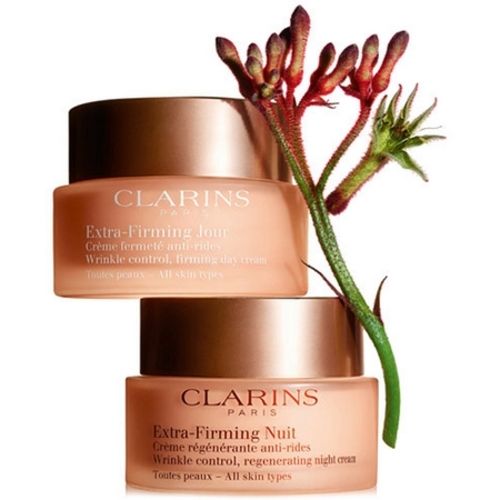
Clarins Extra-Firming: The Honest Adult Take on Firming Anti-Aging Cream
Clarins Extra-Firming has been the reference firming cream for adults over 35 for two decades. The honest assessment of what it does, what it doesn't, and where it fits in an adult routine.

Ferulic Acid for Adult Skin Over 40: The Underrated Antioxidant
Ferulic acid is the antioxidant that stabilizes vitamin C, extends UV protection, and gets ignored in mainstream skincare. The honest adult guide.