Sunscreen After 40: The Single Most Important Anti-Aging Step
More effective than any cream you can buy. Daily, year-round, indoor work included. Why sunscreen is the entire conversation — and how to pick one you'll actually wear.
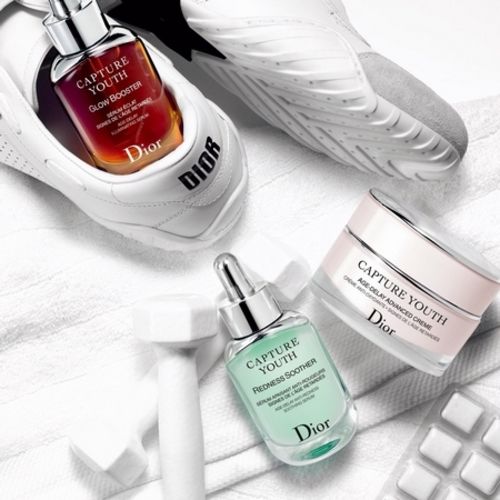
Sunscreen is the single most-evidence-backed anti-aging product you can buy. UV exposure causes roughly 80% of what we visually identify as skin aging — fine lines, hyperpigmentation, loss of elasticity, uneven texture. The expensive serums and creams marketed at people over 40 produce marginal effects compared to what daily SPF prevents in the first place.
Most adults treat sunscreen as a beach product. After 40, that's the wrong category. Sunscreen is a daily habit — applied every morning, year-round, indoor work included — that compounds over years into measurably better skin than any retinoid, peptide, or growth factor can deliver in isolation.
This is the practical guide: why sunscreen matters more than the rest of your routine combined, the actual difference between SPF 30 and SPF 50, mineral vs chemical filters, the textures that make daily wear realistic, the products worth owning, and the mistakes that quietly undo years of skincare investment. Pair with Simple Skincare Routine After 40, Anti-Aging Skincare in Your 30s, Retinol for Beginners After 40, and The Adult Grooming Checklist for the surrounding system.
Why sunscreen matters more than every other product combined
Three numbers worth understanding:
-
~80% of visible skin aging is photoaging — caused by UV exposure, not chronological aging. Studies comparing sun-exposed skin (face, hands, neck) to protected skin (under the bra strap, inner upper arm) on the same person consistently show this disparity. The protected skin is decades younger-looking.
-
A 2013 Australian study (Hughes et al.) followed adults using daily sunscreen vs. discretionary sunscreen over 4.5 years. The daily users showed measurably less skin aging at the end. The effect compounded — meaning the gap widens over time.
-
The most-cited dermatology priorities for prevention, in order, are: sunscreen, retinoid, antioxidant (vitamin C), moisturizer. Sunscreen is at the top of every credible list.
Translation: if you spend $500 on skincare in a year, $300 of it should be on sunscreen — meaning a tube you'll actually use daily — and the rest on the other four basics. Reversing those proportions is the most expensive mistake in adult skincare.
The corollary: skipping sunscreen while using prescription tretinoin (see Retinol for Beginners After 40) is actively counterproductive. Retinoids accelerate cell turnover, which means new skin reaches the surface faster — and new skin is more vulnerable to UV damage.
UVA vs UVB vs visible light
A brief technical detour that matters:
- UVB — shorter wavelength, causes sunburn and most skin cancers. Blocked by glass. Strongest midday.
- UVA — longer wavelength, penetrates deeper, causes most of the visible aging (wrinkles, hyperpigmentation, loss of elasticity). Passes through glass and clouds. Present all daylight hours, year-round.
- Visible light (especially blue light from sun, not screens) — increasingly recognized as contributing to hyperpigmentation and aging, especially in darker skin tones. Standard chemical sunscreens don't block it; iron oxides in some tinted mineral sunscreens do.
Modern "broad-spectrum" sunscreens protect against both UVA and UVB. Older formulations sometimes protected mainly against UVB (good for burn prevention, weak on aging). Always buy broad-spectrum.
For adults primarily concerned with skin aging (not sunburn), UVA coverage is the bigger variable. European and Asian sunscreens generally have stronger UVA filters than US ones because the US regulatory pathway for new sunscreen actives has been slow — many of the best modern UVA filters aren't available in the US.
SPF numbers: what they actually mean
SPF measures protection against UVB (sunburn-causing wavelengths) specifically. The relationship is non-linear:
| SPF | % UVB blocked | Practical difference |
|---|---|---|
| 15 | 93% | Inadequate for adult daily wear |
| 30 | 97% | Real minimum for daily wear |
| 50 | 98% | Standard recommendation |
| 70 | 98.6% | Marginal additional benefit |
| 100 | 99% | Marketing rather than meaningful upgrade |
The jump from SPF 30 to SPF 50 closes a third of the remaining gap (97% → 98% means 50% fewer rays through). The jump from SPF 50 to SPF 100 closes another small fraction. Real-world, SPF 30 daily beats SPF 100 used once a week.
The variable that matters most isn't the number; it's how often you actually apply, how much you apply, and whether you reapply through the day. A good SPF 30 you wear daily and reapply outperforms a great SPF 70 you forget two days out of seven.
Mineral vs chemical: which to choose
The two categories of sunscreen actives:
Mineral (physical) filters
- Active ingredients: zinc oxide, titanium dioxide.
- How they work: sit on the skin surface and reflect/scatter UV.
- Pros: broadly tolerated by sensitive skin; effective immediately on application; stable in sunlight.
- Cons: can leave a white cast (especially titanium-heavy formulations) on medium to dark skin; some textures feel heavier on skin.
- Best for: sensitive skin, rosacea-prone, post-procedure skin, retinoid users with reactive skin.
Chemical (organic) filters
- Active ingredients: avobenzone, octinoxate, octisalate, oxybenzone, and modern filters like Tinosorb S, Mexoryl, Uvinul A Plus.
- How they work: absorb UV and convert it to heat.
- Pros: generally lighter texture, less white cast, better for invisible daily wear.
- Cons: can irritate sensitive skin; need 15 minutes before sun exposure; some older filters degrade in sunlight.
- Best for: most adults wanting daily wear; combination/oily/normal skin.
The "best of both" approach
Many of the best-formulated sunscreens combine mineral and chemical filters for broader coverage and better texture. Korean and Japanese sunscreens are often the best examples — they use modern filters not approved in the US and have remarkably elegant textures.
The textures that make daily wear realistic
The best sunscreen is the one you'll actually apply daily. Five texture categories:
| Texture | Best for | Examples |
|---|---|---|
| Lightweight lotion | Daily under makeup or solo wear | Beauty of Joseon Relief Sun, La Roche-Posay Anthelios UVMune 400 |
| Gel/serum | Oily/combination skin, hot climates | Supergoop! Unseen Sunscreen, Naturium Dew-Glow |
| Cream | Dry skin, winter, fragrance-free skin | CeraVe AM Facial, EltaMD UV Clear |
| Tinted | Wants light coverage; helps with visible-light protection (iron oxides) | Supergoop! CC Cream, ILIA Super Serum Skin Tint |
| Stick | Touch-up over makeup; on-the-go | Supergoop! 100% Mineral Stick, La Roche-Posay Stick |
The thing not to buy: anything that feels heavy, greasy, or leaves you visibly white. You won't wear it. The sunscreen industry has gotten dramatically better at cosmetics; there's no excuse for tolerating a bad-feeling product anymore.
Specific products worth owning
The short, opinionated list:
Korean / Asian sunscreens (often the best textures)
- Beauty of Joseon Relief Sun: Rice + Probiotics — gold standard. Light, no white cast, gentle, often under $20.
- Skin1004 Centella Hyalu-Cica Sun Serum — for sensitive/irritated skin.
- Anessa Perfect UV Sunscreen Skincare Milk — Japanese; water-resistant; for high-sun days.
European sunscreens
- La Roche-Posay Anthelios UVMune 400 — Mexoryl 400, one of the strongest UVA filters available. European version is the better formulation.
- Avene Cleanance Sunscreen SPF 50+ — acne-prone, sensitive.
- Bioderma Photoderm Mat — matte finish, good for oily skin.
US sunscreens
- EltaMD UV Clear SPF 46 — sensitive skin standard; widely recommended by dermatologists.
- Supergoop! Unseen Sunscreen — gel texture, primer-like; under makeup.
- CeraVe AM Facial Moisturizing Lotion SPF 30 — drugstore option, broadly tolerated.
- Black Girl Sunscreen — formulated to leave zero white cast on darker skin tones.
Body sunscreens
- Banana Boat Light As Air or Coppertone Sport Mineral for body daily use.
- Sun Bum Original for travel/beach use.
The Korean and European options are the most-cosmetically-elegant; the US ones are the easiest to source. All work if used consistently.
Daily wear: the actual protocol
Five rules that turn sunscreen from a beach product into a daily habit:
- Apply every morning. After moisturizer, before makeup. The last step of the morning routine.
- Two finger-lengths' worth for face + neck. Most people apply roughly 1/4 of what's needed. Squeeze sunscreen along your index and middle finger from base to tip. That's the amount for face + neck.
- Don't forget ears, neck, hands, V of chest. These are the most-aged zones because they're sun-exposed and underbathed in product.
- Reapply at lunch if you're outdoors or near windows for extended periods. Indoor office work behind a north-facing window doesn't require reapplication; spending lunch on a sunny patio does.
- Year-round, including winter. UVA penetrates clouds and glass. The "winter break" is the most common reason photoaging accumulates faster than people expect.
What NOT to do:
- Skipping the eyelids. Eye-area skin shows aging faster than any other facial zone. SPF-formulated for eye area or a small dab of regular SPF works.
- Believing SPF in moisturizer or makeup is sufficient. Almost never — the SPF in a moisturizer is rarely applied at the dose required to deliver the claimed protection. Use a dedicated sunscreen.
- Spraying instead of applying. Spray sunscreens deposit far less product than people think; reapplication is the only valid use case.
How sunscreen fits with retinoid and other actives
The morning routine, in order:
- Gentle cleanser (or just water)
- Optional: vitamin C serum (antioxidant, complements UV protection)
- Moisturizer
- Sunscreen — last step
The evening routine includes retinoid (per Retinol for Beginners After 40) and skips sunscreen because retinoids degrade in UV anyway. The two work together — retinoid at night, sunscreen during the day. Skipping either undoes the other's work.
If you wear cologne or perfume, the layering doesn't conflict with sunscreen specifically, but heavily-scented moisturizers can interact with both your skincare and your fragrance — see Best Deodorant Strategy With Cologne.
Common mistakes
- Treating sunscreen as a beach product. Daily indoor SPF is what matters most for adult skin.
- Using too little. Two finger-lengths for face + neck. Most people use a fifth of this.
- Skipping eyes, ears, neck, V of chest. These zones age fastest because they're exposed but undertreated.
- Trusting SPF in moisturizer or makeup. Almost never sufficient at real application doses.
- Skipping reapplication when outdoors. Sunscreen degrades; outdoor wear needs midday touchup.
- Buying SPF 100 thinking it's twice as good as SPF 50. It's marginally better. Better to use SPF 30 daily than SPF 100 occasionally.
- Believing "natural" or "chemical-free" claims. All sunscreens use active chemistry (mineral filters are chemicals too). The category isn't dangerous; the marketing is.
- Storing in the bathroom. Heat + humidity degrades sunscreen. A drawer or closet is better.
- Skipping when retinoid is irritating. This is exactly when sunscreen matters most — retinoid skin is more vulnerable to UV.
- Using a 3-year-old bottle. Sunscreen has an expiration date for a reason. Replace yearly; sooner if textures or smell change.
- Skipping the grooming and skincare baseline. Sunscreen is the most important single product; it isn't the only one.
Sun protection beyond sunscreen
Sunscreen is one of three categories of UV protection. The full system:
- Behavioral — seek shade midday (10am–4pm), wear long sleeves when sun is intense, wear sunglasses (eye-area sun damage causes a lot of "crow's foot" lines).
- Clothing — UPF-rated clothing exists; wide-brimmed hats outdoors; sunglasses with full UV protection. A hat does more for forehead/scalp protection than any sunscreen.
- Sunscreen — the daily applied chemistry.
Adults who handle aging well treat sun protection as the system above, not just as the sunscreen step. The compounding over decades is what produces the visible difference.
FAQ
Do I really need sunscreen indoors? Yes if you sit near windows. UVA passes through glass; office workers near windows show measurably more photoaging on the window-facing side of their face over years. Apply every morning regardless.
Does my skin tone matter? Yes. Darker skin tones have more natural UV protection (melanin acts as a partial sunscreen), but still need SPF — the protection is partial, not total, and hyperpigmentation is actually worse on darker skin without sun protection. Black Girl Sunscreen, Topicals Like Butter, and other formulations specifically don't leave a white cast.
What about vitamin D? Brief sun exposure to non-face skin (15 min on arms/legs midday) provides plenty of vitamin D for most people. Supplementation is more reliable than relying on UV.
Are mineral sunscreens better for your health? Both categories are safe. The "chemical sunscreens are dangerous" claim has been largely debunked by FDA and dermatology research. The choice should be based on cosmetic preference and skin tolerance, not health fear.
Does sunscreen cause acne? Some heavier formulations can. Lighter gel/serum formulations (Supergoop! Unseen, Beauty of Joseon, Korean serum-style) work for acne-prone skin without breakouts.
Do I need SPF on cloudy days? Yes. UVA passes through clouds. 80% of UV reaches the ground even on overcast days.
Should I reapply sunscreen over makeup? Yes if you're outdoors extensively. Powder SPFs or SPF mists work for over-makeup application. Indoor office wear doesn't require reapplication unless you're near sunny windows for hours.
Does sunscreen really last only 80 minutes? "Water resistant for 80 minutes" is a specific FDA claim about water resistance, not about how long the product works. Sunscreen on dry skin (not swimming, not heavy sweating) lasts longer. The 80-minute reapplication is for active outdoor use.
Are spray sunscreens enough? Almost never. They deposit less product than people realize and miss spots. Use only for reapplication or backup; never as the primary application.
Does my sunscreen need to be expensive? No. The best-formulated sunscreens are often $20–$30. There's diminishing return above that price point — luxury sunscreens are often the same chemistry with better packaging.
For the full daily skincare routine sunscreen sits inside, see Simple Skincare Routine After 40 and Anti-Aging Skincare in Your 30s. For the evening retinoid that pairs with it, see Retinol for Beginners After 40. The broader presentation system this skin foundation supports is covered in The Adult Grooming Checklist, How to Dress After 40, How to Look Fresh Without Trying to Look Young, and the fragrance frameworks in Best Fragrances for Men Over 40 and Best Fragrances for Women Over 40.

How to Prepare Your Skin Before Summer: The Adult Pre-Sun Protocol After 40
Adults who treat summer skin protection as a day-of project lose ground every year. The honest pre-summer protocol that pays back for months of consistent outdoor exposure.
Clarins Extra-Firming: The Honest Adult Take on Firming Anti-Aging Cream
Clarins Extra-Firming has been the reference firming cream for adults over 35 for two decades. The honest assessment of what it does, what it doesn't, and where it fits in an adult routine.

Ferulic Acid for Adult Skin Over 40: The Underrated Antioxidant
Ferulic acid is the antioxidant that stabilizes vitamin C, extends UV protection, and gets ignored in mainstream skincare. The honest adult guide.