How to Layer Skincare Products After 40: The Correct Order
The order you apply skincare matters as much as the products themselves. Get it wrong and actives don't penetrate; get it right and a basic routine outperforms a fancy one.
Most adults building a skincare routine after 40 buy decent products and apply them in the wrong order — losing half the benefit before any of it touches their skin. The right order matters because skincare layering follows simple chemistry: water-based products penetrate before oil-based ones, lighter textures before heavier, lower-pH actives need bare skin, certain active combinations cancel each other or compound irritation. Getting layering right is one of the highest-leverage skincare improvements that doesn't require buying anything new. The rules are simple, the consequences of breaking them are real, and the difference between a well-layered routine and a chaotic one shows up in skin clarity within 4–6 weeks. This guide walks through the universal layering principles, the morning and night routines that actually work, the active-ingredient interactions to watch for, and how to streamline if you're starting from scratch or simplifying an over-complicated routine.
The universal layering rule
The simplest rule that solves 80% of the problem: apply from thinnest to thickest texture.
Water-based serums penetrate first; oil-based products and heavy creams seal in what came before. Reverse the order and the heavier products block the lighter ones from reaching skin at all.
The full hierarchy from thinnest to thickest:
- Cleansers (rinsed off)
- Toners and essences (water-thin)
- Treatment serums (water- or silicone-based)
- Eye creams (typically lighter than face creams)
- Moisturizers
- Facial oils
- Occlusives (petroleum jelly, balms for slugging)
- Sunscreen (morning only)
That's the order. Every step has a "wait 30–60 seconds before the next layer" caveat for products with actives, which lets each one penetrate before the next sits on top.
The morning routine, step by step
For most adults, the morning sequence:
-
Cleanse gently. A cream cleanser or just lukewarm water if you cleansed thoroughly at night. Aggressive morning cleansing strips overnight repair.
-
Optional hydrating toner or essence. Apply to damp skin if used (helps maximize the next layer's absorption). Skip if you don't have one — not strictly necessary.
-
Vitamin C serum. Apply 3–5 drops to clean skin. Pat in, don't rub. Wait 60 seconds. Vitamin C needs to absorb before anything else; it's pH-sensitive and works best on bare skin. See vitamin C serum for skin over 40.
-
Eye cream. Apply a pea-sized amount with the ring finger around the orbital bone (under and over). Pat, don't rub. See eye cream after 40 — do you need one.
-
Moisturizer. Apply to face and neck. Wait 60 seconds if you'll be applying sunscreen.
-
Sunscreen. The final step before any makeup or shaving. Generous amount — 1/4 teaspoon for face and neck. See sunscreen after 40 — the non-negotiable.
-
Lip SPF. Don't forget. See lip care for men after 40.
That's the morning. Total time: 5-8 minutes including the wait periods. Skipping the waits between layers reduces effectiveness modestly; skipping the order entirely undermines the whole routine.
The night routine, step by step
Night is where the heavy lifting happens. The sequence:
-
Double cleanse. If you wore SPF, makeup, or were in heavy environmental conditions: oil cleanser or balm first (dissolves oil-based residue), then cream/gel cleanser (cleans water-based residue). A single cleanse is fine for low-product days.
-
Toner or essence. Same logic as morning. Hydrating toners work; alcohol-based "astringent" toners are usually too stripping for adult skin.
-
Treatment serum (if not using retinoid same night). Niacinamide, peptides, hyaluronic acid — apply now. See peptides for skin over 40 and niacinamide for skin over 40.
-
Retinoid (alternating nights for most adults). Apply to dry skin (wait 5 minutes after toner/serum if used). Pea-sized amount for entire face. See retinol for beginners after 40.
-
Wait 5–10 minutes before the next layer. Critical with retinoid; layering moisturizer immediately reduces irritation but also reduces effectiveness.
-
Eye cream. A peptide- or retinaldehyde-based eye cream. Pat gently.
-
Moisturizer. Richer than morning. Ceramide-based is the workhorse for adult skin. See skin barrier repair after 40.
-
Facial oil (optional). A few drops of squalane or jojoba on top of moisturizer for extra dryness.
-
Slugging (occasional, dry nights). Thin layer of petrolatum (Vaseline, Aquaphor) as the final step. Locks in everything underneath. Skip on retinoid nights when starting out — see face masks after 40 — what actually works for the broader slugging context.
The night routine has more variability than morning because of active rotation. The framework is the same; the specific actives change night to night.
The active rotation calendar
For adults using multiple actives, here's a sensible weekly rotation:
| Night | Active layer |
|---|---|
| Monday | Retinoid + moisturizer + slug |
| Tuesday | AHA (lactic or glycolic) + moisturizer |
| Wednesday | Peptide serum + moisturizer + slug |
| Thursday | Retinoid + moisturizer |
| Friday | Hyaluronic acid + ceramide + slug |
| Saturday | Retinoid + moisturizer |
| Sunday | Peptide + ceramide + facial oil |
The principles: never combine retinoid + AHA in the same routine; let retinoid be the "main event" 3-4 nights a week with peptides and acids filling the other nights. Adjust frequency based on tolerance. See salicylic vs glycolic vs lactic acid after 40 for the acid framework.
The combinations to avoid
Some combinations consistently produce irritation, ineffectiveness, or barrier damage.
Don't combine:
- Retinoid + AHA/BHA in the same routine. Both increase cell turnover; together they over-strip. Use on different nights.
- Vitamin C + retinoid in the same routine. The acidic pH of vitamin C clashes with retinoid stability. Vitamin C morning, retinoid night is the simple split.
- Vitamin C + niacinamide in same routine (controversial). Older formulation chemistry suggested this combination cancels both; modern formulations resolve this. For most adults, fine in modern combinations but still cleaner to split AM/PM.
- Multiple acids same night. Glycolic + salicylic + lactic = barrier collapse. Pick one active acid per night.
- Benzoyl peroxide + retinoid same night. Both very strong; alternate days.
- Strong fragrance + actives. Fragranced products on top of retinoid/acid compound irritation.
OK to combine carefully:
- Retinoid + peptide on the same night if you've built tolerance — apply peptide first, then retinoid 5 minutes later
- Vitamin C + niacinamide in modern formulations — many products combine them
- Hyaluronic acid + anything — HA is universally compatible and supports other actives
- Ceramide moisturizer + anything — barrier support pairs with everything
Wait times explained
Why the 30–60 second waits matter:
Active ingredients need bare skin contact to work. Vitamin C, retinoid, acids all need to actually touch and absorb into skin. A layer of moisturizer on top blocks this if applied immediately.
pH-sensitive actives need pH stability. Vitamin C works at a specific pH. If you immediately apply a basic-pH product on top, the chemistry shifts and effectiveness drops.
Different bases need separation time. Water-based and silicone-based products mix poorly when stacked. Wait time lets each absorb before the next.
The honest practical rule: 30 seconds between any two products; 60 seconds if either contains an active; 5 minutes specifically after retinoid.
If you're rushing, prioritize the wait time after retinoid and after acids. Other layering can happen more quickly.
Streamlining the routine
If the above feels overwhelming, here's the minimum effective adult skincare routine:
Morning:
- Splash water on face (or gentle cleanse)
- Apply combo moisturizer with SPF 30+ (CeraVe AM SPF 30 is the prototype)
Night:
- Cleanse with gentle cleanser
- Apply retinoid (start 2x weekly)
- Apply ceramide moisturizer
That's it. Three products. Adults who do exactly this every day see meaningful skin improvement within 8-12 weeks. Everything beyond is optimization; nothing replaces this baseline.
For the gentler-on-tolerance version: see simple skincare routine after 40.
How layering interacts with shaving and beard
For men who shave, the order matters:
Morning shave option A (shave first):
- Shave (with shaving cream/oil — separate from skincare)
- Rinse
- Apply skincare routine as above
Morning shave option B (shave after sunscreen):
- Apply skincare routine through sunscreen
- Wait 5 minutes
- Shave gently
Both work. Option A is more common; Option B reduces shave irritation slightly because the sunscreen acts as additional lubrication.
For beards, skincare gets applied around the beard area. Use lighter formulations near the beard line; heavy creams can pill in hair. Beard oil applied after all skincare. See beard care after 40 and shaving after 40 — tools and technique.
Common mistakes
- Applying moisturizer immediately after a serum. Serum needs 30-60 seconds to absorb first; moisturizer applied immediately blocks penetration.
- Heavy cream first, light serum second. Reverses penetration order entirely. Lightest goes first.
- Layering multiple actives in one routine without separation. Vitamin C + retinoid + acid + niacinamide in the same morning is barrier collapse waiting.
- Skipping wait times entirely. Reduces effectiveness of every active applied.
- Forgetting that sunscreen is the final morning step. Sunscreen applied before moisturizer doesn't seal in moisturizer; sunscreen applied after moisturizer + serum + everything else does its job.
- Applying actives to wet skin. Most actives (retinoid especially) work better on dry skin. Wet skin can increase irritation.
- Using too much product per layer. Adult skin doesn't absorb more if you apply more — excess just sits or transfers to pillowcase. A pea-sized amount of moisturizer is typical; serum is 3-5 drops.
- Layering products from different incompatible brands without testing. Most modern skincare from major brands plays well together; budget products from random brands can have incompatible bases that pill or strip.
- Same routine year-round without adjustment. Summer (lighter, more hydrating) vs winter (heavier, more occlusive) shifts the right textures and products.
- Pairing AM and PM routines on autopilot. Some products (vitamin C, sunscreen) are morning-specific. Others (retinoid, heavy oils) are night-specific. Time-of-day matters.
FAQ
Can I skip the waits between layers if I'm in a hurry? You'll lose 30-50% of the active effectiveness, but the routine still works partially. If consistently rushed, simplify to fewer products applied with full waits rather than many products applied immediately stacked.
Should toner be the first or second step? After cleansing, before serums. The job is to remove residual cleanser, hydrate, and prepare skin for what comes next. Modern adult-skin toners (hydrating, not stripping) are essentially light essences.
Where does eye cream fit? Around serums-and-moisturizer. Slightly before the main face moisturizer is common. Some apply eye cream as the very last step around the orbital area; both work. The key is that it goes onto bare-ish skin before heavy layers.
Does the order really matter for layering serums? For multiple serums, water-based goes first (hyaluronic acid), then silicone- or oil-based (some retinoids, peptides in oil base). Apply lighter to heavier. The 30-second wait between still applies.
What about face oils? Face oils go after moisturizer, before sunscreen (morning) or as final step (night). Oils are occlusive — they seal in what's underneath. Applied before water-based products, they block penetration.
Can I layer two moisturizers (light + heavy)? Yes, particularly in winter or for very dry skin. Light hydrating layer first, heavy occlusive second. Just allow normal wait time between.
Should I apply skincare to my neck and chest too? Yes — neck and décolletage age fast and benefit from the same routine. Apply everything from cleanser through SPF on these areas, not just the face. See neck and décolletage care after 40.
Does temperature matter (cold serum, warm cream)? Marginally. Room-temperature products absorb predictably. Cold products (refrigerated) tighten skin and reduce puffiness short-term but don't change the actual layering rules. Some adults like a "skincare fridge" for the cooling sensation; not necessary.
How do I know if my layering is wrong? Signs include: products pilling (rolling off in flakes), skin feels coated rather than absorbing, makeup or sunscreen patches and slides, no visible improvement after 6-8 weeks of consistent use. Reorder by texture (thinnest to thickest), add wait times, simplify if needed.
Related guides
If this landed, the natural next reads are simple skincare routine after 40, retinol for beginners after 40, and salicylic vs glycolic vs lactic acid after 40. For the broader morning vs night framework, morning vs night skincare routine after 40.

How to Prepare Your Skin Before Summer: The Adult Pre-Sun Protocol After 40
Adults who treat summer skin protection as a day-of project lose ground every year. The honest pre-summer protocol that pays back for months of consistent outdoor exposure.
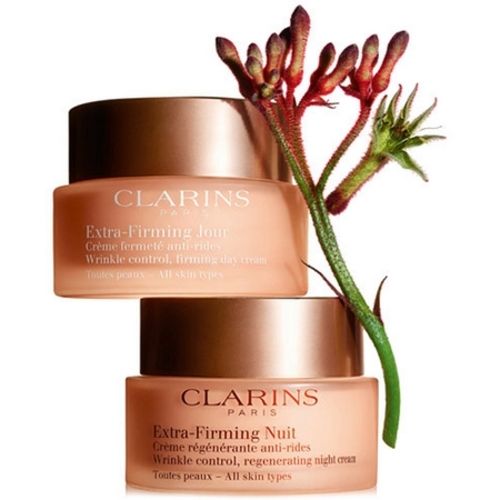
Clarins Extra-Firming: The Honest Adult Take on Firming Anti-Aging Cream
Clarins Extra-Firming has been the reference firming cream for adults over 35 for two decades. The honest assessment of what it does, what it doesn't, and where it fits in an adult routine.

Ferulic Acid for Adult Skin Over 40: The Underrated Antioxidant
Ferulic acid is the antioxidant that stabilizes vitamin C, extends UV protection, and gets ignored in mainstream skincare. The honest adult guide.