Rosacea After 40: Why Adult Faces Flush and What Actually Works
If your face flushes for no reason, stings from products that used to work, or shows persistent redness across the cheeks and nose — it's probably rosacea. Here's the routine and treatment plan that actually works.
Rosacea is one of the most common skin conditions in adults over 30 and one of the most consistently mistreated. Most people who have it don't know they have it — they think their face just "runs hot," that products started "irritating" them, or that they suddenly have adult acne. They keep trying stronger acne treatments and more aggressive skincare, which makes everything worse, because rosacea isn't acne and the treatments are nearly opposite.
The hallmark of rosacea is persistent redness across the central face (cheeks, nose, forehead, chin), often with flushing episodes triggered by heat, alcohol, spicy food, exercise, or stress. Sometimes there are small acne-like bumps, sometimes visible broken capillaries (telangiectasias), sometimes burning or stinging from skincare. It typically starts in your 30s, becomes more obvious in your 40s, and progresses if untreated. It also happens to overlap with the most common skincare mistakes adults make in their 40s, which makes both worse.
This guide is the practical version: how to identify it, what triggers it, what actually works, what to avoid, and how to build a routine that calms rather than provokes.
The fast answer
Rosacea is a chronic inflammatory skin condition characterized by central facial redness, visible blood vessels, flushing episodes, and sometimes acne-like bumps. It's not adult acne and doesn't respond to standard acne treatments. The treatment that actually works: gentle non-foaming cleanser, minimal product layering, mineral sunscreen daily (chemical sunscreens often sting rosacea-prone skin), topical metronidazole or azelaic acid for inflammation and bumps, and avoidance of common triggers (heat, alcohol, spicy food, fragrance in skincare, harsh actives like glycolic acid). For moderate-to-severe cases, prescription options include oral doxycycline at sub-antimicrobial doses, ivermectin cream, or laser/IPL treatment for visible vessels. See a dermatologist for diagnosis if you suspect rosacea — many treatments are prescription-only and a confirmed diagnosis prevents years of misdirected effort.
That's the structure. The texture is below.
Identifying rosacea — it's not acne
The confusion is understandable. Rosacea papules (small inflamed bumps) look similar to acne pimples at first glance. Both can be red, both can be inflamed, both appear on the face. The differences matter because the treatments are opposite.
| Feature | Adult acne | Rosacea |
|---|---|---|
| Background skin | Normal color | Persistent central redness |
| Triggers | Hormonal, stress, sebum | Heat, alcohol, food, stress, sun |
| Comedones (whiteheads/blackheads) | Common | Rare or absent |
| Where on face | Jawline, chin, T-zone | Central — cheeks, nose, forehead |
| Visible blood vessels | No | Often yes (broken capillaries) |
| Flushing | Rare | Common, sometimes prolonged |
| Skin reactivity | Variable | High — products sting easily |
| Age of onset | Late teens through adult | Typically 30s-50s |
| Treatment | Benzoyl peroxide, retinoids work | Both can make rosacea worse |
If you have central facial redness that doesn't go away, flushing episodes triggered by environmental factors, and increased product sensitivity — particularly if standard acne treatments aren't working or making things worse — see a dermatologist for a rosacea evaluation.
The four subtypes (you can have more than one):
- Erythematotelangiectatic — persistent redness and visible blood vessels, with flushing
- Papulopustular — redness plus inflammatory bumps (the most commonly mistaken for acne)
- Phymatous — thickening of skin tissue, typically on the nose (rhinophyma)
- Ocular — eye involvement (dry, gritty, red eyes; common but underdiagnosed)
Most adults have a mix of types 1 and 2.
What triggers rosacea
Triggers vary by individual but the common list:
- Heat — hot weather, hot showers, hot drinks, saunas, exercise
- Alcohol — particularly red wine, dark spirits, anything with histamines
- Spicy food — capsaicin specifically triggers vasodilation
- Hot food and drink — even non-spicy
- Sun exposure — UV is a major trigger and accelerates progression
- Stress — direct trigger of flushing
- Cold wind
- Topical products — particularly fragranced, alcohol-based, or active-heavy
- Some medications — niacin (vitamin B3 supplements at high doses, not topical niacinamide), some blood pressure medications, topical corticosteroids
- Hormonal fluctuations — perimenopause is a common rosacea trigger window
Identifying your specific triggers takes a 4-6 week tracking exercise. Note flushing episodes and what preceded them. Patterns emerge.
The most-actionable trigger is usually sun protection. UV is universally rosacea-aggravating and the easiest input to control. Daily mineral sunscreen — see sunscreen after 40: the non-negotiable — is non-optional for rosacea management.
The routine that calms rosacea
The principle: minimal products, gentle ingredients, no active-stacking, ceramide-based barrier support, and rosacea-specific actives where indicated.
Morning
- Gentle non-foaming cleanser (or just water) — CeraVe Hydrating, La Roche-Posay Toleriane Hydrating, Avene Tolerance Extreme. Pat dry, leave slightly damp.
- Azelaic acid 15-20% (prescription Finacea or generic) or Niacinamide 5% if not on azelaic acid. Both reduce redness and inflammation.
- Lightweight ceramide moisturizer — CeraVe Daily Moisturizing Lotion, La Roche-Posay Toleriane Double Repair.
- Mineral sunscreen SPF 30+ — EltaMD UV Physical, La Roche-Posay Anthelios Mineral, Avene Mineral Fluid. Avoid chemical sunscreens that sting (Octocrylene, oxybenzone are common irritants).
Evening
- Same gentle cleanser if you wore sunscreen and makeup; just water if not.
- Prescription topical if applicable — metronidazole 0.75-1% (MetroGel) or ivermectin 1% (Soolantra). Apply to the affected areas.
- Ceramide moisturizer — slightly richer at night (CeraVe Moisturizing Cream).
That's the whole routine. Five products morning, three at night. The discipline is what you don't add: no retinoids unless explicitly approved by a dermatologist and tolerated, no AHA/BHA exfoliants, no vitamin C in high concentrations, no fragranced products, no essential oils, no Clarisonic-style brushes, no aggressive cleansers, no toners with alcohol.
This routine sits on top of barrier-first thinking — see skin barrier repair after 40. Rosacea-prone skin is essentially permanently barrier-fragile; you're not "fixing" the barrier in a 4-week protocol, you're maintaining it indefinitely.
Prescription options that work
For moderate-to-severe rosacea, OTC products aren't enough. Prescription options:
Topical:
- Metronidazole 0.75-1% (MetroGel, Noritate) — first-line topical, reduces inflammation. 2-3 months for full effect.
- Ivermectin 1% (Soolantra) — targets Demodex mites (often elevated in rosacea), reduces inflammatory bumps. Often the most effective topical for papulopustular rosacea.
- Azelaic acid 15% (Finacea) — gel formulation, anti-inflammatory and brightening. Workable for both rosacea and post-acne marks.
- Brimonidine 0.33% (Mirvaso) — topical vasoconstrictor; temporarily reduces redness (8-12 hours). Some adults experience rebound redness; use cautiously.
- Oxymetazoline 1% (Rhofade) — similar to brimonidine, slightly different mechanism.
Oral:
- Doxycycline at sub-antimicrobial dose (Oracea, 40mg) — anti-inflammatory action without antibiotic effects; very effective for moderate-to-severe inflammatory rosacea. 6-12 weeks for full effect.
- Isotretinoin (Accutane) — low-dose, off-label, for severe refractory cases. Requires dermatologist supervision.
Procedures:
- Pulsed-dye laser (PDL) or IPL — targets visible blood vessels and persistent redness. 3-5 sessions, $300-600 each, mostly cosmetic insurance doesn't cover.
- Vbeam laser — similar.
Don't self-treat moderate-to-severe rosacea with OTC products indefinitely. Prescription options work better; a dermatologist visit is worth the investment.
Common mistakes
Treating rosacea like acne. Benzoyl peroxide, salicylic acid scrubs, and aggressive retinoids all worsen rosacea inflammation. If standard acne treatments are making things worse, you probably don't have acne.
Layering 7+ products. Each additional product is a potential trigger. Rosacea routines should be minimal.
Using a Clarisonic or face brush. Mechanical exfoliation aggravates rosacea barrier. Use hands only.
Chemical exfoliants daily. Glycolic acid, lactic acid, salicylic acid — all common rosacea triggers when used regularly. Limit or avoid.
Vitamin C serum. Many vitamin C formulations (especially L-ascorbic acid at 15-20%) sting rosacea skin. If you want antioxidants, niacinamide or azelaic acid are gentler alternatives.
Fragranced products. Fragrance is the single most common skincare trigger for rosacea. "Natural" essential oils count — lavender, citrus, tea tree are often worse than synthetic fragrance.
Skipping sunscreen because it stings. Mineral sunscreens (zinc oxide, titanium dioxide) are usually well-tolerated. If your sunscreen stings, switch formulations until you find one you can wear daily. Sun is one of the top triggers and one of the most controllable.
Hot showers and hot water cleansing. Heat triggers flushing. Lukewarm water; pat dry.
Believing you can "cure" rosacea. Rosacea is chronic and managed, not cured. Treatments reduce symptoms and prevent progression; they don't eliminate the underlying condition.
Treating the skin without addressing diet and lifestyle. Identifying and reducing dietary triggers (alcohol, spicy food, hot drinks) has more impact than any product. See how diet affects body odor and skin for the broader diet/skin connection.
Stopping treatment when symptoms improve. Most rosacea treatments need ongoing use. Stop the topical and symptoms return within weeks. Treat it like blood pressure medication — maintenance, not cure.
What to look for in products
Friendly ingredients for rosacea skin:
- Ceramides
- Niacinamide
- Azelaic acid
- Centella asiatica (cica)
- Allantoin
- Panthenol (B5)
- Zinc oxide and titanium dioxide (sunscreen)
- Hyaluronic acid (used carefully — see hyaluronic acid for skin over 40)
- Squalane
- Beta-glucan
Ingredients to avoid:
- Fragrance (synthetic and natural)
- Alcohol denat (denatured alcohol)
- Witch hazel
- Menthol, camphor, eucalyptus
- Strong glycolic, lactic, or salicylic acid
- High-percentage L-ascorbic acid
- Sulfate cleansers
- Physical exfoliants (scrubs)
For moisturizer specifically, look for "non-comedogenic" plus the friendly ingredients above. CeraVe and La Roche-Posay Toleriane lines are designed with reactive skin in mind and work for most rosacea.
When to see a dermatologist
For rosacea specifically, see a dermatologist if:
- You suspect rosacea but haven't been diagnosed
- OTC treatments aren't working after 6-8 weeks
- You have visible blood vessels you want addressed (laser/IPL)
- You have eye symptoms (dryness, grittiness, redness)
- You're getting more bumps despite gentle routine
- You're considering oral medication
Dermatologist visits are typically covered by insurance for medical evaluation; expect $50-200 out of pocket depending on plan. The right diagnosis and prescription plan can transform skin in 2-3 months in ways OTC products can't.
How rosacea connects to broader adult skin issues
Rosacea-prone skin is often barrier-compromised, and the routine that helps rosacea overlaps heavily with the routine that helps a damaged barrier — see skin barrier repair after 40. The principles are: less is more, gentle is better, consistency matters more than novelty.
Many adults with rosacea also have associated adult acne — distinct conditions that can coexist. The treatment strategy gets more complex when both are present, often requiring a dermatologist to balance retinoids (helpful for acne, problematic for rosacea) with rosacea-specific treatments.
The system view also matters: stress, sleep, and diet directly affect rosacea. See how stress affects skin and smell, why sleep affects how you smell, and how diet affects body odor and skin. A perfect topical routine on top of chronic stress and poor sleep is fighting uphill.
A realistic timeline for improvement
Expectations matter because rosacea is slow to respond.
- Weeks 1-2: Possibly worse before better if you've been aggressive. Strip the routine, calm the barrier.
- Weeks 3-6: Skin starts to settle. Less reactivity to products. Bumps may start to reduce if on azelaic acid or metronidazole.
- Weeks 6-12: Substantial improvement in inflammation and bumps for most people on a consistent routine plus appropriate prescription.
- Months 3-6: Stable management. Persistent vessels may need laser if cosmetically important.
- Indefinitely: Maintenance routine continues. Stop the routine, symptoms come back.
This is slower than acute conditions and requires more discipline. The payoff is real but takes months, not weeks.
FAQ
Is rosacea curable? No, but it's highly manageable. The goal is symptom reduction and prevention of progression, not elimination.
Why is rosacea more common after 40? The condition can begin earlier but most often becomes clinically obvious in the 30s-50s. Hormonal shifts (especially perimenopause), accumulated UV damage, and changes in skin barrier function all contribute. Rosacea also progresses if untreated, so symptoms that were mild at 30 are more obvious at 45.
Can I use retinoids if I have rosacea? Some adults tolerate low-strength retinoids (adapalene 0.1%) introduced very gradually and used 2x weekly. Many don't tolerate any retinoid. Consult a dermatologist before adding a retinoid to a rosacea routine.
Does rosacea spread to other parts of the body? No. It's facial (occasionally extending to upper chest in some cases). Skin issues on other body parts are typically something else.
Can I wear makeup with rosacea? Yes — choose mineral-based, fragrance-free, non-comedogenic products. Many brands now make makeup designed for rosacea-prone skin (Bareminerals, Clinique, Dermablend).
Will laser treatment cure my redness? It reduces visible blood vessels and can dramatically improve persistent redness. It doesn't cure the underlying rosacea — you'll still need ongoing routine and may need touch-up sessions every few years.
Is there a connection between rosacea and gut health? Some research suggests an association between rosacea and SIBO (small intestinal bacterial overgrowth) and H. pylori infection. Treating these conditions can improve rosacea in some adults. Worth discussing with a doctor if you have GI symptoms alongside rosacea.
Are there foods that help rosacea? Anti-inflammatory diets (Mediterranean-style, omega-3 rich) may help. Specific "rosacea diets" sold online are often oversold. The biggest dietary impact is identifying and reducing your specific triggers, not adding "rosacea-fighting" foods.
Related guides: skin barrier repair after 40, adult acne after 40, simple skincare routine after 40, sunscreen after 40: the non-negotiable, niacinamide for skin over 40.

How to Prepare Your Skin Before Summer: The Adult Pre-Sun Protocol After 40
Adults who treat summer skin protection as a day-of project lose ground every year. The honest pre-summer protocol that pays back for months of consistent outdoor exposure.
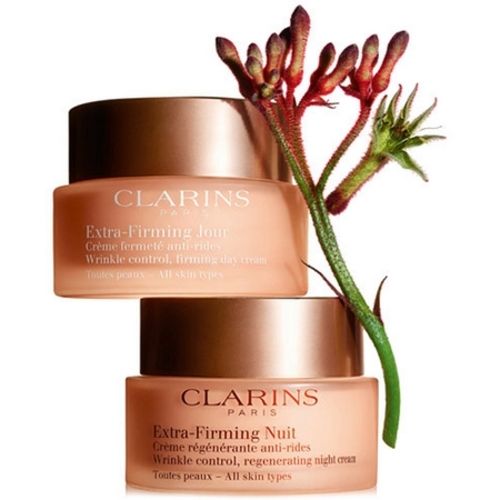
Clarins Extra-Firming: The Honest Adult Take on Firming Anti-Aging Cream
Clarins Extra-Firming has been the reference firming cream for adults over 35 for two decades. The honest assessment of what it does, what it doesn't, and where it fits in an adult routine.

Ferulic Acid for Adult Skin Over 40: The Underrated Antioxidant
Ferulic acid is the antioxidant that stabilizes vitamin C, extends UV protection, and gets ignored in mainstream skincare. The honest adult guide.