Face Masks After 40: What Actually Works and What's Theater
Most face masks do nothing your nightly moisturizer doesn't. A few do real work for adult skin. Here's how to tell them apart.
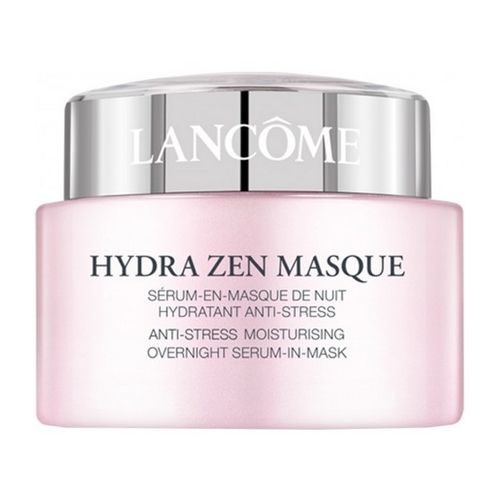
Face masks are the most over-marketed category in adult skincare. Most of them are moisturizer in a fancier delivery format, sold on the promise of "spa results at home." A few are genuinely useful — hydrating overnight masks for dry mature skin, gentle clay for oily zones, well-formulated leave-on AHA or enzyme treatments — and a handful are actively bad for adult skin (peel-off masks, alcohol-heavy clays, anything tingly enough to feel like it's "working"). This guide walks through the categories, what each one actually does for skin over 40, which ones are worth your time, and the small habits around masking that make the difference between ritual and result.
What masks actually do, mechanically
Strip the marketing away and a face mask is doing one of five things:
Sealing in active ingredients. Sheet masks, overnight masks, and sleep-in formulations work by occlusion — the mask material or thick texture creates a barrier that slows transepidermal water loss, letting the underlying serum penetrate deeper and stay wet longer. This is why a serum applied under a sheet mask outperforms the same serum applied alone.
Absorbing excess oil. Clay and charcoal masks bind sebum on contact and lift it off when rinsed. Useful for genuinely oily zones (T-zone, jawline acne areas), unnecessary or harmful on dry mature skin.
Chemical exfoliation. Enzyme, AHA (lactic, glycolic), and BHA (salicylic) masks dissolve dead surface keratin. Done well, they brighten and smooth. Done aggressively or too often, they shred the barrier.
Brightening. Vitamin C, niacinamide, kojic acid, and arbutin masks deliver actives at higher concentrations than serums sustain. Effect is real but small per session.
Pure theater. Peel-off masks, "detoxing" foam masks, anything with strong tingling, novelty character sheet masks. These produce sensation without doing meaningful work — and the peel-off category actively damages skin by ripping off the surface stratum corneum along with the mask.
The honest mask matrix for adult skin
| Mask type | What it does | Best for | Frequency | Worth it after 40? |
|---|---|---|---|---|
| Overnight hydrating mask | Occlusion + deep moisture delivery | Dry, dehydrated, mature skin | 2–3× weekly | Yes — high value |
| Sheet mask (hydrating) | Occlusion + serum delivery | Tired or flight-dry skin | As needed | Yes for ritual; mostly comparable to serum + cream |
| Sheet mask (brightening) | Vitamin C + sheet occlusion | Dull skin, pre-event glow | Weekly | Marginal — your serum probably does more |
| Clay/charcoal mask | Sebum absorption | T-zone oily/acne areas | Weekly to monthly | Only on oily zones; skip if mostly dry |
| Enzyme exfoliating mask | Gentle keratin dissolution | Dull mature skin | Weekly | Yes — gentler than acid masks |
| AHA peel mask (lactic/glycolic) | Stronger chemical exfoliation | Hyperpigmentation, dullness | Every 2–4 weeks | Yes with care; not weekly |
| Peel-off mask | Mechanical surface removal | Nothing | Never | No — damages barrier |
| Hydrocolloid pimple patch | Absorbs lesion fluid | Active spots | As needed | Yes — quietly excellent |
| Retinol or "anti-aging" mask | Brief retinoid burst | Cosmetic claim | Skip | No — use your nightly retinoid instead |
| LED light mask | Wavelength-dependent (red for collagen, blue for acne) | Long-term consistent use | 3–5× weekly | Yes if you'll actually use it 6+ months |
The overnight mask is the underrated one
For mature dry skin, the highest-leverage mask is the boring one: a thick occlusive hydrator applied as the last step of your nighttime routine. It's not glamorous and it doesn't photograph well, but the result is real.
The protocol: cleanse, apply serums (vitamin C is morning-only; use peptides or hyaluronic acid at night), apply your normal moisturizer, then layer a thicker occlusive mask or oil on top. Sleep on a pillowcase you wouldn't cry over if it stained. The next morning, skin is measurably plumper, smoother, and better-equipped to hold makeup or SPF.
The simplest version is just plain petrolatum ("slugging") on top of your serum and moisturizer. More expensive options (Laneige Water Sleeping Mask, La Mer Renewal Oil, CeraVe Skin Renewing Night Cream as a thicker layer) achieve the same outcome with better aesthetics. The mechanism is identical: occlusion. See skin barrier repair after 40 for the broader strategy.
Note: don't slug on top of active retinoid nights without ramping carefully — occlusion concentrates the retinoid against the skin and can over-irritate. Use slugging on off-retinoid nights, or after you've fully built tolerance.
Sheet masks are mostly ritual
The honest take on sheet masks: they're a pleasant 20-minute ritual that delivers slightly more serum than applying it normally, mostly because the occlusion slows evaporation. The marketing implies they're transformative; the dermatological reality is that they're equivalent to your normal serum-and-cream stack with a small occlusion bonus.
Where they earn their keep:
- Long flights and dry hotel rooms. Air at 10–15% humidity dehydrates skin within hours. A sheet mask is a fast reset.
- Pre-event preparation. The morning of a wedding, photoshoot, or important event, a hydrating sheet mask under makeup makes skin sit better.
- The ritual itself. If a weekly sheet mask is the only consistent self-care you do, that's a real win regardless of the mechanism.
Where they don't:
- Daily use chasing a transformation. The marginal benefit over a normal routine doesn't justify the cost or the waste.
- "Anti-aging" or "lifting" sheet masks claiming to firm or tighten. The temporary plumping is from hydration; it fades within hours.
- Heavy-fragrance or essential-oil-loaded masks. Sensitive adult skin tolerates these poorly.
For when sheet masks make sense in a broader routine, see morning vs night skincare routine after 40.
Clay masks need to be targeted
The mistake most adults make with clay is treating it as a whole-face product. Clay binds and absorbs sebum, which is exactly what dry mature skin doesn't have to spare. Applied across the whole face, clay strips already-thin skin of its remaining lipid film and leaves it tighter, drier, and more irritated than before.
The right use: clay only on the genuinely oily zones (T-zone, jawline if acne-prone, scalp edges occasionally). Even there, once a week is plenty after 40. Avoid clays with high alcohol content, fragrance, or "deep cleansing" claims that translate to aggressive surfactants.
If you have oily skin specifically — common during perimenopause for some women, common in adult male grooming — a targeted weekly clay treatment makes sense. See skincare for oily skin after 40. For everyone else, skip the category entirely.
Chemical exfoliating masks: use sparingly
AHA peels and enzyme masks deliver more aggressive exfoliation than what's in your daily serum. They have a place — once every 2–4 weeks for most adults, less often for sensitive skin, more often only under dermatologist guidance.
The right use:
- Lactic or mandelic acid mask (15–25%) every 2–3 weeks to brighten dullness and even tone without the irritation of glycolic.
- Enzyme mask (papaya, pineapple, pumpkin) weekly as a gentler option for sensitive skin.
- Glycolic peel mask only if your skin is conditioned to it and only every 3–4 weeks. The 30–50% home peels are real chemistry; respect them.
What to avoid:
- Stacking exfoliating mask + retinoid on the same night. Recipe for barrier collapse.
- Using a peel mask the week before sun exposure (vacation, beach, ski). Photosensitivity is amplified.
- Salicylic acid masks if you have very dry skin. BHA is excellent for oily/acne skin and harsh on dry skin.
This category overlaps with hyaluronic acid for skin over 40 and retinol for beginners after 40 — pair them carefully, never on the same night when you're starting out.
LED masks are the genuine new frontier
LED face masks (Omnilux, CurrentBody Skin LED, Dr. Dennis Gross DRx) deliver wavelength-specific light therapy at home. The clinical evidence is real but modest:
- Red light (630–660 nm) stimulates fibroblasts to produce more collagen. Daily 10-minute use over 12+ weeks produces measurable improvement in fine lines, firmness, and skin tone.
- Near-infrared (830 nm) penetrates deeper, helps with inflammation and healing.
- Blue light (415 nm) kills C. acnes bacteria, useful for adult hormonal acne. Less interesting for non-acne mature skin.
The honest caveat: results require consistent use over months. An LED mask used once a week for a month does effectively nothing. A mask used 4–5x weekly for six months produces visible change. Most people give up before that.
If you're someone who'll actually integrate a 10-minute screen-time routine 4+ times weekly, an LED mask is one of the few non-prescription at-home treatments with real evidence. If you won't, the money is better spent on a single visit to a dermatologist for in-office treatments. See cosmetic procedures after 40 — what's worth it.
What about under-eye and lip masks
Two specialized categories worth a brief note:
Under-eye hydrogel patches (Patchology, Wander Beauty, Peter Thomas Roth) are sheet-mask-for-eyes. They deliver moisture and a brief cooling/depuffing effect. Real for an hour or two — useful before events, makeup application, or video calls. Not a substitute for an actual eye cream regimen. See eye cream after 40 — do you need one.
Overnight lip masks (Laneige Lip Sleeping Mask is the prototype) are basically thick lip balm with marketing. They genuinely work — petrolatum, lanolin, or a similar occlusive on lips overnight reverses cracking and peeling. The branded version is fine; plain Aquaphor or Vaseline does the same thing. We cover the full lip routine in lip care for men after 40.
Common mistakes
- Masking instead of moisturizing daily. A weekly mask doesn't replace the daily routine; it supplements it.
- Layering too many actives in a single masking session. Vitamin C mask + retinoid + acid toner = barrier collapse. Pick one active per session.
- Using peel-off masks for "blackheads." They pull out vellus hair and stratum corneum, leaving skin red and inflamed. Hydrocolloid patches or salicylic targeted treatment work without damage.
- Sheet-masking daily expecting transformation. Diminishing returns past 1–2x weekly. Save your money.
- Tingling = working. It doesn't. Tingling on adult skin means a fragrance, menthol, or acid is irritating; it's not evidence the product is "penetrating."
- Skipping moisturizer after a hydrating mask. The mask delivered moisture; the moisturizer locks it in. Skipping the second step lets the masked-in hydration evaporate within an hour.
- Using charcoal masks because they're "detoxifying." Skin doesn't have toxins; charcoal just absorbs surface oil. The detox framing is marketing.
- Buying expensive masks for ingredients available in cheaper formulations. A $80 niacinamide mask is mostly water, glycerin, niacinamide, and a sheet. The $15 version of the same is functionally identical.
FAQ
How often should I mask? For most adults, 1–2 weekly hydrating sessions and 1 monthly exfoliating session is plenty. Sensitive skin: less. Oily/acne-prone skin: maybe one weekly targeted clay or BHA mask added. Anything more is diminishing returns.
Are face masks worth it if I already have a good routine? Mostly no — most masks are versions of products already in your routine. The exceptions: overnight occlusive masks for dry mature skin, LED masks for those who'll actually use them consistently, targeted treatments for specific concerns (clay for an oily zone, lactic for hyperpigmentation), and hydrogel eye patches for events. A solid daily routine outperforms any mask regimen by itself.
Can I make my own face mask from kitchen ingredients? Some yes (oats, honey, plain yogurt as gentle weekly options), most no. DIY citrus and apple cider vinegar masks can burn skin chemically — the pH is unpredictable and concentrated. Skip the Pinterest recipes.
Why does my skin look great immediately after a mask and back to normal the next day? Most "after mask" glow is temporary hydration — water plumping the skin surface. It fades in 12–24 hours unless your routine maintains the hydration. Real change from masks comes from consistent use over months, primarily for LED and exfoliating categories.
Should I do a face mask before makeup? A hydrating sheet mask 30–60 minutes before makeup helps it sit well. An exfoliating mask same-day usually doesn't — freshly exfoliated skin can hold pigment irregularly. Save the chemical exfoliation for nights you're not getting made up the next morning.
Do I need separate masks for men? No. Marketing differentiates them; the chemistry is the same. A well-formulated unisex mask outperforms most gendered ones. Skincare for men after 40 — what's different covers the broader picture.
Are sleep masks (the cloth eye covers) different from overnight face masks? Yes, totally different products. The sleep mask blocks light; the overnight face mask is a skincare product applied like cream and left on through sleep. The category name overlap confuses shoppers. We're talking about the latter in this guide.
Can I use a hydrating mask every night? You can, but it's overkill — the same outcome comes from a good moisturizer plus an occasional occlusive layer on dry nights. Nightly sheet masking specifically also creates a lot of waste; nightly overnight slugging is fine and free.
Related guides
If this landed, the natural next reads are simple skincare routine after 40, skincare for menopause — what changes and what helps, and skin barrier repair after 40. For the broader mistakes-to-avoid map, skincare mistakes that age you faster.

How to Prepare Your Skin Before Summer: The Adult Pre-Sun Protocol After 40
Adults who treat summer skin protection as a day-of project lose ground every year. The honest pre-summer protocol that pays back for months of consistent outdoor exposure.
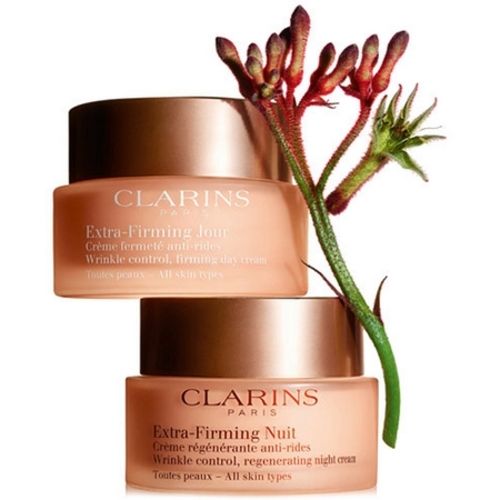
Clarins Extra-Firming: The Honest Adult Take on Firming Anti-Aging Cream
Clarins Extra-Firming has been the reference firming cream for adults over 35 for two decades. The honest assessment of what it does, what it doesn't, and where it fits in an adult routine.

Ferulic Acid for Adult Skin Over 40: The Underrated Antioxidant
Ferulic acid is the antioxidant that stabilizes vitamin C, extends UV protection, and gets ignored in mainstream skincare. The honest adult guide.