Cosmetic Procedures After 40: What's Worth It (And What Isn't)
Most cosmetic procedures over-promise. A few genuinely deliver. Here's what actually works for adults after 40, what it costs, and what to skip — without trying to sell you anything.
At some point in your 40s most adults start wondering whether the in-office cosmetic procedures advertised everywhere are actually worth it. The marketing is constant — Botox, fillers, lasers, microneedling, IPL, threads, ultrasound tightening. The promises are sweeping. The costs are real. And the honest answer is somewhere between "some procedures genuinely work for specific problems" and "most procedures over-deliver in marketing and under-deliver in results."
This guide is the practical version: which procedures actually work for adults after 40, what each costs, what to expect realistically, and what to skip. The frame is the same as the rest of adult skincare — what gives meaningful results for the money, what's largely hype, and how procedures fit (or don't) into a broader skincare routine. The goal is informed decision-making, not advocacy for any specific intervention.
The fast answer
The procedures that consistently deliver for adults 40+: sunscreen (yes, this is the most evidence-based "anti-aging procedure" and you can do it yourself for $20), prescription retinoid (also DIY for $50), Botox for specific dynamic wrinkles ($300-600 per area, 3-4 month duration), and IPL or BBL for sun damage on the face/chest ($300-500/session, 3-5 sessions). Selectively worth considering: dermal fillers for specific volume loss ($600-1500/syringe, 1-2 years), microneedling for texture ($300-500/session, 3-6 sessions), CO2 fractional laser for significant sun damage ($1500-4000, single major treatment with downtime). Generally skip or be skeptical: thread lifts (modest results, expensive), most non-invasive "tightening" treatments (Ultherapy, Thermage — modest results, very expensive), at-home LED masks (limited evidence at consumer-grade intensity), "vampire facials" PRP (mixed evidence). For significant sagging or volume loss, surgical interventions (facelift, blepharoplasty) actually work but require commitment and recovery.
That's the structure. The texture is below.
The procedures that consistently work
Botox (botulinum toxin)
By far the most evidence-based injectable. Botox temporarily paralyzes specific muscles, smoothing dynamic wrinkles (the lines that appear when you make expressions). It does NOT smooth static wrinkles (lines visible at rest from accumulated damage) — for those you need other treatments.
Best for: Frown lines (between brows), forehead horizontal lines, crow's feet around eyes, some neck banding. Modest effect on sagging or volume loss.
Cost: $300-600 per area; most adults treat 1-3 areas. Total: $400-1500 per session, every 3-4 months.
Realistic results: Forehead and frown lines visibly smoother within 1-2 weeks; effect lasts 3-4 months. Subtle when done right; obvious when overdone.
Risks: Asymmetry if the injector is inexperienced. Occasional "frozen" appearance if too much is used. Rare: drooping eyelid. Adults who get good Botox look like better-rested versions of themselves; adults who get bad Botox look obviously worked on.
Verdict: Worth it for adults who specifically want to address dynamic wrinkles. The maintenance schedule (every 3-4 months) and ongoing cost make it a longer commitment than a one-time procedure.
IPL (Intense Pulsed Light) / BBL (BroadBand Light)
Targets pigmentation and visible blood vessels. The light energy is absorbed by melanin (dark spots) and hemoglobin (red blood vessels/rosacea-related redness), breaking them down so the body can clear them.
Best for: Sun spots, age spots, redness from rosacea, visible facial veins. Mixed effect on skin texture overall.
Cost: $300-500 per session for face; usually 3-5 sessions spaced 4-6 weeks apart. Total: $1000-2500 for a full treatment course.
Realistic results: Sun spots fade or disappear over weeks. Redness reduces. Skin tone becomes more even. Minimal downtime — slight redness for a day or two, occasional "coffee ground" dark spots that flake off in a week.
Verdict: One of the highest-ROI procedures for adults with sun damage. The results are visible and meaningful. Pairs well with a pigmentation-fading topical routine for ongoing maintenance.
Microneedling
Tiny needles create controlled micro-injuries that trigger the body's collagen-production response. Often combined with topicals (PRP, vitamin C, growth factors) for amplified effect.
Best for: Skin texture, fine lines, acne scarring, large pores, mild laxity. Some effect on stretch marks.
Cost: $300-500 per session; usually 3-6 sessions spaced 4-6 weeks apart. Total: $1000-3000.
Realistic results: Texture improvement is real and measurable. Fine line reduction is modest. Acne scarring improves significantly with consistent sessions. Skin overall looks fresher.
Risks: Mild redness for 24-48 hours. Occasional breakouts. Risk of pigmentation issues if done on tanned or recently sun-exposed skin.
Verdict: Worth considering for adults with specific texture concerns (acne scarring, enlarged pores, fine lines). Less compelling for adults whose main concern is sagging or volume loss.
Dermal fillers (hyaluronic acid)
Injectable gels that add volume to specific areas. Most modern fillers are hyaluronic acid-based (Juvederm, Restylane lines) — reversible if needed (with hyaluronidase) and gradually absorbed over 1-2 years.
Best for: Volume loss in cheeks, under-eye hollows (carefully), lips, marionette lines, smile lines. Some effect on jaw definition.
Cost: $600-1500 per syringe; most areas need 1-2 syringes. Total: $600-3000 per session, every 1-2 years.
Realistic results: Specific volume restoration. Done well, the result is subtle restoration of fullness; done poorly, the look is "puffy" or "overfilled."
Risks: Bruising (common, resolves in 1-2 weeks). Lumps if injected unevenly. The "trout pout" overfilled look that's been associated with bad celebrity work — entirely a result of overuse, not the product itself.
Verdict: Effective for specific volume loss. The "less is more" principle matters — most natural-looking filler work is done conservatively over multiple sessions.
CO2 fractional laser (and similar resurfacing lasers)
Aggressive treatment that removes the top layers of skin, triggering significant collagen production and clearing accumulated damage.
Best for: Significant sun damage, deep wrinkles, acne scarring, overall skin texture and tone. The most dramatic non-surgical anti-aging procedure.
Cost: $1500-4000 for a full-face treatment. Usually done once (with possible touch-ups years later).
Realistic results: Significant improvement in skin quality, often noticeable for years. The most "wow" results of non-surgical procedures.
Downsides: Real downtime — 1-2 weeks of looking burned, peeling, raw. Not appropriate for darker skin tones (risk of hyperpigmentation). Significant cost.
Verdict: Worth considering for adults with significant accumulated sun damage who are willing to accept the downtime. Not a casual "let's try it" procedure — meaningful commitment.
The procedures that are more selective
Ultherapy / Thermage / non-invasive tightening
Uses ultrasound (Ultherapy) or radiofrequency (Thermage) to heat deeper skin layers, triggering some collagen production and modest tightening.
Best for: Mild-to-moderate facial laxity in adults who want some tightening without surgery.
Cost: $1500-4000 per treatment. Usually once a year or less.
Realistic results: Modest. Most adults notice some firming over 3-6 months. Compared to surgical alternatives, much less dramatic. Compared to "doing nothing," noticeable but subtle.
Verdict: Worth considering only if you understand the modest result expectation. Many adults pay a lot of money expecting facelift-level results and are disappointed. The procedure works, but its effect is small compared to its cost.
Threads (PDO/silhouette threads)
Dissolvable threads inserted into the skin to provide temporary lifting and trigger some collagen production.
Best for: Mild jawline or neck laxity, brow lift in adults who don't want surgery.
Cost: $1500-4000 per treatment area; results last 6-18 months.
Realistic results: Visible lift initially, but modest and short-lived. Some collagen-stimulating benefit that persists after threads dissolve.
Verdict: Mixed. Some practitioners deliver good results; many adults find the cost-to-result ratio poor. Better for selective use than as a primary anti-aging strategy.
Chemical peels
Range from gentle (glycolic, salicylic) to aggressive (TCA, phenol). Removes outer layers of skin, triggering renewal.
Best for: Sun damage, fine lines, texture issues, acne scarring. Effect depth varies by peel intensity.
Cost: $150-500 per session for light/medium peels; $500-2000 for deep peels with downtime.
Realistic results: Light peels give brightness and mild texture improvement (similar to consistent retinoid use). Medium peels produce visible peeling and meaningful results over weeks. Deep peels are similar to laser resurfacing in effect.
Verdict: Worth considering — particularly for adults who prefer chemical interventions over light-based ones. The aggressive end (TCA, phenol) requires significant downtime and is rarely done now (replaced largely by lasers).
What to skip or be skeptical of
Vampire facial / PRP (Platelet-Rich Plasma)
Blood drawn, spun to isolate platelets, reinjected into the face (sometimes paired with microneedling).
Reality: Mixed evidence. Some adults swear by it; clinical research shows limited reliable improvement beyond what microneedling alone provides.
Cost: $500-2000 per session.
Verdict: The microneedling component does most of the work. The PRP additive is unclear value. Save the money or pick microneedling alone.
Most at-home LED masks
Marketed as professional light therapy you can do at home. Some have real science; many at consumer intensity don't reach therapeutic levels.
Cost: $200-500 for quality units; cheap ones $30-100.
Verdict: Lower-intensity consumer LED masks produce limited results. Medical-grade in-office LED treatments are more effective. Worth a budget mask if you enjoy the routine; skip if you expect significant results.
Stem cell creams / "growth factor" topicals
Marketed with biological claims and high prices.
Reality: Most over-the-counter "stem cell" products don't actually contain functional stem cells (which can't survive on a shelf anyway). "Growth factor" products have some research support but typically at clinical concentrations far above consumer formulations.
Verdict: Spend the money on prescription retinoid, sunscreen, and barrier-supportive moisturizer. They have better evidence at lower cost.
"Anti-aging" facials
Standard facials at salons or spas — typically include cleansing, exfoliation, extractions, masks, and massage.
Reality: Relaxing and pleasant; minimal lasting anti-aging effect beyond gentle exfoliation and hydration.
Verdict: Enjoy them as self-care if you like them; don't expect significant anti-aging results. They don't replace a real skincare routine.
How to think about it
Three frames for the decision:
Cost per year vs. perceived benefit. Botox at $1000/year × 10 years = $10,000. Worth it if the benefit matters to you that much; not if you'd rather spend the money elsewhere.
Reversibility. Botox wears off in 3-4 months — easy to discontinue. Filler is reversible with hyaluronidase but expensive to undo. Surgery is largely irreversible. Match the commitment level to your certainty.
What it doesn't replace. No procedure replaces the foundational routine — sunscreen daily, retinoid use, barrier care, appropriate moisturizer. A great procedure on top of poor daily routine is half-credit. The procedure amplifies the routine; it doesn't substitute for it.
The single most-evidence-based "procedure" for adults over 40 is daily mineral sunscreen. The cost is $20-40 a year, no downtime, and the long-term effect on visible aging is larger than any in-office procedure.
How to find a good provider
If you decide to pursue procedures, the provider matters as much as the procedure.
For injectables (Botox, filler):
- Board-certified dermatologist or plastic surgeon, not "med spa" employees with unclear credentials
- Ask how many procedures they perform monthly (more is generally better — they see more outcomes)
- Look at before-and-after photos of their actual patients
- The "natural look" practitioner is what you want; the "everyone looks worked-on" practitioner produces uniform overdone results
For lasers and energy-based devices:
- Board-certified dermatologist (lasers require medical expertise)
- Specific experience with the device they're using
- Skin-type appropriate (some lasers aren't safe for darker skin tones)
Red flags:
- Pressure to buy packages
- "Today only" specials
- Recommendations to do everything at once
- No clear discussion of risks
- Photos that look obviously edited
- Practitioners who emphasize "looking younger" rather than "looking refreshed"
Consultations are usually free or applied to the cost of treatment. Take advantage; consult multiple providers before committing to expensive treatments.
How procedures fit with daily skincare
Procedures are amplifiers, not substitutes. The adult who gets the most from procedures is the one who maintains a solid daily routine — sunscreen, retinoid, barrier-supportive products, niacinamide, hyaluronic acid — and uses procedures to address specific issues that topicals can't reach (significant pigmentation, dynamic wrinkles, volume loss, structural sagging).
The opposite — relying on procedures to make up for poor daily routine — produces worse and more expensive results.
This is also why some adults look noticeably refreshed without any procedures and others look "obviously worked on" despite spending thousands. The foundational routine and lifestyle (stress, sleep, hydration) determine the baseline; procedures fine-tune from there.
Common mistakes
Expecting procedures to replace routine. They don't. Botox over sun-damaged unprotected skin is wasted Botox. Build the routine first.
Starting too aggressive. First-time injectable users often over-correct. Start small; iterate gradually. You can always add more; subtracting is harder.
Going to non-medical providers for medical procedures. Lasers, injectables, and energy devices require medical expertise. Med-spa technicians with unclear credentials produce more bad outcomes.
Ignoring sun exposure after procedures. Lasers, peels, and microneedling all sensitize skin to UV. Aggressive sun protection for weeks after treatment is non-optional.
Doing multiple procedures simultaneously. Compound risks and side effects without clear benefit. Space treatments out; evaluate one at a time.
Treating procedures as one-time fixes. Most are maintenance. Botox lasts 3-4 months. Fillers last 1-2 years. Even laser results plateau without ongoing care. Plan for ongoing investment.
Buying packages of unproven procedures. "5 sessions of [unclear treatment]" lock you in financially. Pay per session until you've confirmed the result is worth it.
Believing the youngest-looking outcome is best. Adults trying to look 25 at 50 look stranger than adults looking like well-maintained 50-year-olds. Subtlety is the goal.
Pursuing procedures while ignoring lifestyle. Chronic poor sleep, heavy alcohol, sun exposure, and stress will progressively undo any procedural gains. Address inputs before paying for outputs.
How this connects to the broader skincare framework
Cosmetic procedures sit at the top of the skincare hierarchy — above topicals, above lifestyle, but only after both are reasonably managed. The order of operations:
- Sunscreen daily — see sunscreen after 40: the non-negotiable
- Barrier-supportive routine — see skin barrier repair after 40 and simple skincare routine after 40
- Retinoid for cell turnover — see retinol for beginners after 40
- Targeted active for specific concerns — niacinamide, vitamin C, azelaic acid as appropriate
- Lifestyle inputs managed — sleep, stress, diet, hydration
- In-office procedures for issues topicals can't reach — this guide
Adults who skip 1-5 and jump to 6 spend a lot of money for results that someone with a solid routine and no procedures often matches.
For specific concerns: see rosacea after 40, adult acne after 40, hyperpigmentation, sensitive skin. Each has its own approach where procedures may or may not apply.
FAQ
What's the best cosmetic procedure for someone over 40? Depends on what you want to address. For dynamic wrinkles: Botox. For sun damage: IPL/BBL. For texture: microneedling. For volume loss: filler. There's no universal "best procedure" — the right one depends on your specific concerns and goals.
How much do cosmetic procedures cost annually for adults who get them regularly? Adults who actively use procedures typically spend $2000-8000 per year. Maintenance Botox + occasional filler + annual laser tune-ups + ongoing topical routine adds up. Budget realistically before starting.
Are at-home devices worth it? Mostly no. Microneedling rollers at home risk infection without much benefit; LED masks at consumer intensity rarely match clinical results; "anti-aging" gadgets sold on Instagram are usually overpriced. The exception is high-end devices like the NuFace Mini (modest microcurrent results with consistent use).
Will I look "obviously worked on"? Depends entirely on the practitioner and your choices. Subtle work done by an experienced provider produces "rested" rather than "different." Aggressive work or inexperienced providers produces obvious results. The bad outcomes you've seen on celebrities are usually overuse, not the procedures themselves.
Should I get Botox preventatively in my 30s? Mixed evidence. Some practitioners argue early Botox prevents lines from setting in. Others argue your 30s are too early to commit to the maintenance cycle. There's no clear medical answer; it's a personal choice.
What's the difference between Ultherapy and a facelift? Ultherapy is non-invasive ultrasound tightening — modest results, no downtime. A facelift is surgical removal of excess skin and tissue repositioning — dramatic results, significant downtime and cost ($15,000-50,000). Different categories entirely.
Are cosmetic procedures safe? Generally yes when done by qualified providers with appropriate products. Risks exist (asymmetry, infection, unsatisfactory results, rare serious complications) and increase with non-medical providers, illegal product sources, or aggressive treatment regimens.
How do I know if a provider is good? Board certification, experience volume, before-and-after photos of actual patients, willingness to discuss risks, no high-pressure sales tactics. Trust your instinct during the consultation; if they make you uncomfortable, find another provider.
Related guides: simple skincare routine after 40, retinol for beginners after 40, sunscreen after 40: the non-negotiable, how to fade hyperpigmentation, skin barrier repair after 40.

How to Prepare Your Skin Before Summer: The Adult Pre-Sun Protocol After 40
Adults who treat summer skin protection as a day-of project lose ground every year. The honest pre-summer protocol that pays back for months of consistent outdoor exposure.
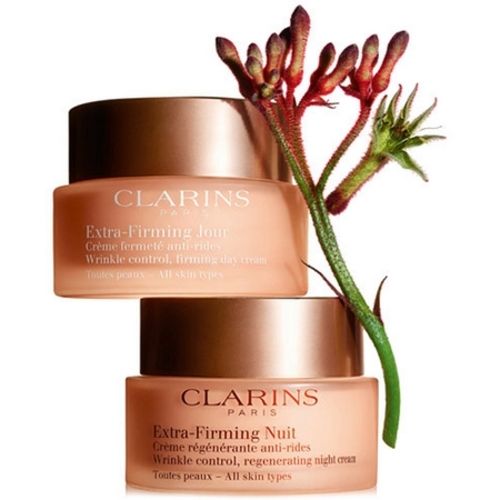
Clarins Extra-Firming: The Honest Adult Take on Firming Anti-Aging Cream
Clarins Extra-Firming has been the reference firming cream for adults over 35 for two decades. The honest assessment of what it does, what it doesn't, and where it fits in an adult routine.

Ferulic Acid for Adult Skin Over 40: The Underrated Antioxidant
Ferulic acid is the antioxidant that stabilizes vitamin C, extends UV protection, and gets ignored in mainstream skincare. The honest adult guide.