Azelaic Acid for Adult Skin: The Underrated Multi-Tasker for After 40
Azelaic acid never gets the marketing budget that retinol or vitamin C gets — yet it handles three adult skin issues at once. The honest case for adding it.

Among skincare actives that adults over 40 actually benefit from, azelaic acid is the most under-discussed. Retinol gets the marketing budget, vitamin C dominates the morning serum conversation, niacinamide has become standard, and bakuchiol gets the influencer-friendly "natural alternative" headlines. Azelaic acid quietly does what three different products try to do — fade post-inflammatory hyperpigmentation, calm rosacea-driven redness, and address adult acne — without the irritation that comes with retinol or the formulation complexity of vitamin C. Dermatologists routinely prescribe it. Most adults have never tried it. The reason is partly that azelaic acid doesn't have a single dramatic "before/after" story — its effects are gradual and multi-directional rather than a single hero result. But for adults over 40 dealing with the typical midlife skin combination of mild rosacea, leftover acne marks, and uneven tone, azelaic acid is often the single most impactful addition they can make. This guide explains what it does, why it's underrated, the concentrations that matter, and how to fit it into an existing routine.
What azelaic acid actually does
Azelaic acid is a naturally occurring dicarboxylic acid produced by yeast on human skin (it's part of normal skin biology). In topical concentrations, it has four mechanisms relevant to adult skin:
1. Anti-inflammatory. Reduces the redness and inflammation that drives rosacea, hormonal acne, and post-inflammatory marks. Mechanism: inhibits kallikrein-5, a protease involved in inflammatory pathways.
2. Antibacterial. Reduces Cutibacterium acnes (the bacterium driving most acne) without disrupting overall skin microbiome — see skin microbiome after 40.
3. Pigmentation-fading. Inhibits tyrosinase, the enzyme that produces melanin. Particularly effective for post-inflammatory hyperpigmentation (the dark marks acne leaves behind) and melasma. See how to fade hyperpigmentation and dark spots.
4. Mild keratolytic. Encourages cellular turnover gently. Less aggressively than retinol or AHAs, so easier on barrier function.
The combination is unusual — most actives do one of these things well. Azelaic acid does all four at moderate strength.
Why it's underrated
Three reasons azelaic acid doesn't get the attention its results justify:
No dramatic before-and-after. Azelaic acid produces gradual, broad improvement — clearer skin, less redness, more even tone. There's no single "wow" transformation to drive social media virality.
Limited consumer marketing. The strongest azelaic acid products are prescription (Finacea, Azelex). OTC versions are mostly from value-conscious brands (The Ordinary, Paula's Choice) that don't have the marketing budgets of Estée Lauder or Drunk Elephant.
Confusing concentration story. OTC products max at 10%; prescription is 15-20%. Most consumers don't understand the difference and either dismiss the OTC version or assume prescription is overkill.
The reality: 10% OTC azelaic acid is a legitimate, effective ingredient at a price point most adults can sustain.
Who benefits most
Azelaic acid is especially valuable for adults with one or more of these issues:
Adult-onset acne. See adult acne after 40. Azelaic acid is gentler than benzoyl peroxide and addresses post-acne marks at the same time.
Rosacea or chronic facial redness. Azelaic acid is one of the few actives that doesn't trigger flares. See rosacea after 40 — why adult faces flush.
Post-inflammatory hyperpigmentation. Dark marks from previous breakouts. Azelaic acid fades these faster than vitamin C alone.
Melasma or hormonal pigmentation. Particularly relevant for women in perimenopause — see skincare for menopause — what changes and what helps.
Sensitive skin that can't tolerate retinol. Azelaic acid offers gentler cellular turnover without the irritation. See sensitive skin after 40.
Combination skin with multiple concerns. When you'd otherwise need three products (one for redness, one for spots, one for marks), azelaic acid handles all three.
For broader pigmentation strategy, see vitamin C serum for skin over 40 and niacinamide for skin over 40.
Who doesn't need it
Azelaic acid isn't necessary for everyone:
- Adults with completely clear, even, non-reactive skin
- Adults already on prescription tretinoin who don't have rosacea or pigmentation issues
- Adults whose skin issues are primarily dehydration or barrier damage (other ingredients address these better — see skin barrier repair after 40)
- Adults with severe acne requiring systemic treatment (oral antibiotics or isotretinoin)
If your skin doesn't have inflammation, redness, breakouts, or pigmentation, azelaic acid won't do much for you.
Concentrations that matter
Below 5%: Insufficient for meaningful results. Marketing-only.
5-7%: Mild but real effect. Good for adults with sensitive skin starting out.
10%: Standard OTC strength. Effective for most concerns. The right starting point for most adults.
15%: Prescription (Finacea Gel, Azelex Cream). Stronger anti-inflammatory and antibacterial effect. Best for moderate-to-severe rosacea or persistent acne.
20%: Prescription, higher strength. Used for severe rosacea, persistent melasma, or hormonal acne resistant to other treatments.
Most adults do well starting with 10% OTC and progressing to prescription only if needed. The strength jump from 10% to 15% is genuinely significant.
Specific products worth knowing
OTC ($10-30):
- The Ordinary Azelaic Acid Suspension 10% — most affordable, slightly grainy texture
- Paula's Choice 10% Azelaic Acid Booster — silkier texture, can be mixed with moisturizer
- Naturium Azelaic Topical Acid 10% — middle-of-the-road option
- Geek & Gorgeous A-Game 10 — newer, well-formulated
Prescription ($50-150 with insurance):
- Finacea Gel 15% — the most-prescribed azelaic acid
- Azelex Cream 20% — cream texture, slightly different feel
Combination products:
- Some sunscreens include azelaic acid (rare, niche)
- Some moisturizers include 1-2% (token amount; not therapeutic)
The Ordinary's 10% suspension is the most cost-effective entry point. If you tolerate it but want more effect after 8-12 weeks, talk to a dermatologist about prescription strength.
For label-reading skills generally, see how to read skincare ingredient lists after 40.
How to fit it into your routine
Azelaic acid is unusual in being well-tolerated by most skin types and being compatible with most other actives. The standard placement:
Morning routine:
- Cleanse
- Vitamin C serum (optional)
- Azelaic acid 10% — wait 5 minutes
- Moisturizer
- Sunscreen
Or evening routine:
- Double cleanse (if warranted — see double cleansing after 40 — when it helps)
- Niacinamide or hyaluronic acid serum
- Azelaic acid 10% — wait 5 minutes
- Moisturizer
- Retinol on alternate nights
You can use azelaic acid twice daily if your skin tolerates it. Most adults do well with once daily. Start with every-other-day for the first 2 weeks to ensure no irritation.
For the broader layering question, see how to layer skincare products after 40 and morning vs night skincare routine after 40.
What to expect — realistic timeline
Week 1-2: Slight tingling on application is normal. Some adults experience mild dryness or flaking — usually resolves with consistent moisturizer.
Week 4-6: Reduction in active breakouts. Some calming of facial redness.
Week 8-12: Visible fading of post-acne marks and other hyperpigmentation. Skin tone evens.
Week 16+: Sustained results. Melasma fading becomes visible. Rosacea baseline reduces.
The improvements are gradual. Take photos at week 0 and week 12 — the difference is usually clear even when day-to-day changes feel imperceptible.
Compatibility with other actives
Azelaic acid is one of the most compatible actives in skincare. It pairs well with:
- Niacinamide — see niacinamide for skin over 40. Excellent combination for redness.
- Vitamin C — apply vitamin C first, wait, then azelaic. Both target pigmentation through different mechanisms.
- Hyaluronic acid — apply HA after azelaic for hydration. See hyaluronic acid for skin over 40.
- Retinol — use azelaic in morning, retinol at night. Both contribute to skin renewal without compounding irritation. See retinol for beginners after 40 and bakuchiol vs retinol for skin after 40.
- Peptides — see peptides for skin over 40. Apply peptides after azelaic.
It clashes less reliably with:
- Strong AHAs/BHAs on the same day — too much exfoliation. Alternate. See salicylic vs glycolic vs lactic acid after 40.
- Benzoyl peroxide — both target acne but the combo can be drying.
Common mistakes
Skipping moisturizer. Azelaic acid is gentle but still drying without follow-up hydration. Always moisturize after.
Expecting overnight results. The pigmentation-fading effect needs 8-12 weeks minimum. Don't quit at week 3.
Using it alongside aggressive exfoliants daily. Pulls back the barrier. Alternate nights with strong AHAs/BHAs.
Applying to wet skin. Azelaic acid suspension formulas can sting more on damp skin. Apply to dry skin for less initial tingling.
Sun-exposure complacency. Azelaic acid doesn't cause sun sensitivity, but the pigmentation it's fading was caused by sun in many cases. Daily SPF is non-negotiable — see sunscreen after 40 — the non-negotiable.
Stopping after results. Improvements maintain with continued use. Discontinue and the underlying tendencies return.
Buying low-concentration "boutique" versions. A 2% azelaic acid in a luxury moisturizer at $80 is mostly marketing. Stick with 10% OTC or prescription for real effect.
Side effects and limitations
Common side effects (usually mild):
- Initial tingling or warmth on application
- Mild dryness in first 2-3 weeks
- Slight flaking in some adults
Less common:
- Contact dermatitis in very sensitive skin
- Increased sensitivity to other actives during introduction
- Hypopigmentation (rare; usually resolves on stopping)
Azelaic acid is considered safe in pregnancy and breastfeeding — one of the few effective pigmentation-fading and anti-acne treatments that is. This makes it particularly valuable for pregnant or breastfeeding adults who can't use retinoids or hydroquinone.
Azelaic acid vs alternatives
| Concern | Azelaic acid | Alternative | Verdict |
|---|---|---|---|
| Hyperpigmentation | Effective, slow | Hydroquinone (faster, prescription) | Azelaic safer long-term |
| Acne | Effective, gentle | Benzoyl peroxide (more aggressive) | Azelaic for sensitive; BP for stubborn |
| Rosacea | Highly effective | Metronidazole, ivermectin (Rx) | Azelaic is first-line for many |
| Anti-aging | Mild | Retinol/tretinoin (stronger) | Different mechanisms; can combine |
| Sensitive skin | Excellent | Bakuchiol | Both work; different focus |
If you can only add one new active to your routine and you have any combination of redness, breakouts, or pigmentation, azelaic acid usually delivers the most broad-spectrum benefit.
When to see a dermatologist
A dermatologist visit is worth the time if:
- OTC azelaic acid hasn't produced visible results at 12+ weeks
- Your acne is severe or scarring
- Melasma is extensive or worsening
- You have rosacea that's progressing despite topical treatment
Prescription strength (15% Finacea, 20% Azelex) is meaningfully more effective for stubborn cases. See how to choose a dermatologist after 40.
Cost analysis
The Ordinary 10% Azelaic Acid Suspension (30ml) costs around $10. A pea-sized amount per use; 30ml lasts roughly 2-3 months at daily use. Annual cost: $40-60.
Compare to:
- Prescription tretinoin: $30-150/month depending on insurance
- Vitamin C serum (mid-tier): $50-150/bottle, 2-3 months
- Niacinamide serum: $7-30, 3-4 months
Azelaic acid offers excellent cost-to-effect ratio. For adults building a routine on a budget, it's one of the highest-value actives available.
FAQ
Is azelaic acid safe to use long-term? Yes. It's been studied for decades and has an excellent safety profile. Many adults use it for years without issues.
Can I use it on the body? Yes. Some adults use leftover azelaic acid on chest, back, or other acne-prone body areas. Works similarly to facial application.
Will it bleach my skin? No. Azelaic acid inhibits melanin production where applied — fading dark spots — but doesn't cause overall skin lightening or hypopigmentation in typical use.
Does it work for melasma? Yes, particularly for melasma that hasn't responded to vitamin C or niacinamide alone. Prescription 15-20% is more effective than OTC for stubborn melasma.
Can men use azelaic acid? Yes. The skin science applies regardless of gender. See skincare for men after 40 — what's different. Particularly useful for men with adult-onset acne or rosacea.
Is it the same as alpha hydroxy acid (AHA)? No. Azelaic acid is a dicarboxylic acid; AHAs (glycolic, lactic) are alpha hydroxy acids. Different chemistry, overlapping but distinct effects.
Should I patch test before using? Yes if you have very sensitive skin. Apply a small amount to the inner forearm or behind the ear for 3 nights. If no reaction, proceed to face.
Does it cause purging? Some adults experience a brief purging phase in weeks 2-4 — temporary increase in breakouts as deeper congestion surfaces. Resolves with continued use. Less dramatic than retinol purge.
Can I use it under makeup? Yes. Apply, wait 5 minutes, then proceed with the rest of routine including makeup. The Ordinary's suspension texture can pill under heavy foundation — try Paula's Choice formulation if so.
Does it interact with prescription acne medication? Usually well. Many dermatologists prescribe it alongside oral antibiotics or in rotation with tretinoin. Confirm with your prescribing doctor.
Will my dermatologist prescribe it just for pigmentation? Most will, yes, particularly for melasma. The 15% Finacea Gel is approved for rosacea and used off-label for hyperpigmentation.
How does it compare to tranexamic acid for pigmentation? Different mechanism. Tranexamic acid works through inflammation pathways; azelaic acid works through tyrosinase inhibition plus anti-inflammation. Many dermatologists combine them for stubborn melasma.
Related guides
For the broader pigmentation strategy, see how to fade hyperpigmentation and dark spots. For related actives, vitamin C serum for skin over 40, niacinamide for skin over 40, and retinol for beginners after 40. For routine integration, how to layer skincare products after 40 and simple skincare routine after 40.

How to Prepare Your Skin Before Summer: The Adult Pre-Sun Protocol After 40
Adults who treat summer skin protection as a day-of project lose ground every year. The honest pre-summer protocol that pays back for months of consistent outdoor exposure.
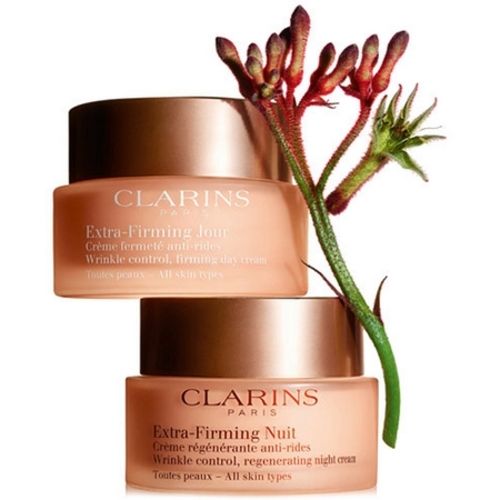
Clarins Extra-Firming: The Honest Adult Take on Firming Anti-Aging Cream
Clarins Extra-Firming has been the reference firming cream for adults over 35 for two decades. The honest assessment of what it does, what it doesn't, and where it fits in an adult routine.
Ferulic Acid for Adult Skin Over 40: The Underrated Antioxidant
Ferulic acid is the antioxidant that stabilizes vitamin C, extends UV protection, and gets ignored in mainstream skincare. The honest adult guide.