How to Fade Hyperpigmentation and Dark Spots (What Actually Works)
Hyperpigmentation fades — slowly, with the right active ingredients and consistent sun protection. The realistic protocol, the products that work, and the procedures worth considering.

Hyperpigmentation — dark spots, sun spots, post-acne marks, melasma — is one of the most-asked-about skin concerns after 35. The good news: most pigmentation responds to consistent treatment. The bad news: "consistent" means 3–12 months of daily routine, not a 4-week serum miracle. Most of the products marketed for "instant brightening" deliver hydration plus a small amount of evidence-backed ingredient buried in heavier marketing.
This is the practical guide: what hyperpigmentation actually is, why it forms more after 40, the ingredients that genuinely fade it (with the evidence ranked honestly), the realistic timelines, when in-office procedures make sense, and the daily protocol that produces results. Pair with Simple Skincare Routine After 40, Sunscreen After 40, Vitamin C Serum for Skin Over 40, Retinol for Beginners After 40, and Niacinamide for Skin Over 40 for the surrounding system.
What hyperpigmentation actually is
Hyperpigmentation is excess melanin deposited in patches in the skin. Melanin is the natural pigment that gives skin its color; "excess" means more concentrated than the surrounding skin. Four common categories:
1. Sun spots (solar lentigines, "age spots")
Brown spots that develop on sun-exposed skin over decades — face, hands, chest, shoulders. UV exposure causes melanocytes (pigment-producing cells) to overproduce melanin in concentrated patches. Most common after 40.
2. Post-inflammatory hyperpigmentation (PIH)
Dark marks that form after the skin heals from inflammation — acne, eczema, cuts, burns, even mild irritation. Common at any age; more persistent on darker skin tones.
3. Melasma
Patchy brown discoloration, usually symmetrical on cheeks, forehead, or upper lip. Strongly hormonal — common during pregnancy ("mask of pregnancy"), with birth control, with thyroid issues. Stubborn; often requires combination treatment.
4. Freckles
Genetic; usually small and scattered. Different mechanism than the above; less responsive to treatment (and arguably don't need treating).
Different categories respond differently to different treatments. Sun spots respond well to vitamin C + retinoid + sunscreen. PIH responds to retinoid + exfoliating acids + time. Melasma is the most stubborn and often requires prescription treatment + procedure combination.
Why pigmentation gets worse after 40
Three reasons:
- Decades of accumulated UV. Sun damage compounds; spots that took decades to form are most visible in the 40s and 50s.
- Slower skin cell turnover. Younger skin sheds and replaces cells faster; pigmentation fades naturally. After 40, turnover slows and existing pigmentation persists longer.
- Hormonal changes. Estrogen and progesterone shifts (perimenopause, menopause) can trigger or worsen melasma. Testosterone changes affect skin oil and inflammation patterns that contribute to PIH.
The underlying chemistry of why skin shifts after 40 is in Why Body Odor Changes With Age (same lipid oxidation processes also affect pigmentation). For the lifestyle factors that compound, see Why Some People Stay Fresh Longer Than Others.
The ingredients ranked by evidence
Strong-to-modest evidence for fading hyperpigmentation, ranked by typical effectiveness:
Tier 1: strong evidence
- Prescription tretinoin (retinoid) — gold standard for most pigmentation types. Increases cell turnover; thins the stratum corneum; helps fade pigmented cells faster. See Retinol for Beginners After 40 for the introduction protocol.
- Hydroquinone (prescription 4%) — directly inhibits melanin production. Most effective single ingredient for stubborn hyperpigmentation. Used in cycles (3 months on, 3 months off) to avoid long-term issues. Prescription required in the US.
- Sunscreen (SPF 30+ daily, broad-spectrum) — prevention of additional pigmentation is at least as important as fading existing. Without this, no other treatment works long-term. See Sunscreen After 40.
- Azelaic acid (15–20%) — effective for melasma and PIH; gentler than hydroquinone; available OTC at lower percentages and prescription at 15–20%.
Tier 2: moderate evidence
- Vitamin C (L-ascorbic acid 15–20%) — inhibits tyrosinase (the enzyme that produces melanin). Modest fading; significant antioxidant + brightening effect. See Vitamin C Serum for Skin Over 40.
- Niacinamide (5–10%) — interrupts melanin transfer to skin cells. Modest fading; well-tolerated. See Niacinamide for Skin Over 40.
- Adapalene (Differin) OTC retinoid — similar mechanism to tretinoin but milder; effective over longer timeline.
- Tranexamic acid (oral or topical) — newer ingredient for melasma; growing evidence base.
- Kojic acid — gentler tyrosinase inhibitor; less irritating than hydroquinone but also less effective.
- Alpha arbutin — natural tyrosinase inhibitor; gentle, modest results.
Tier 3: weaker evidence
- Licorice root extract — mild tyrosinase inhibitor; mostly anti-inflammatory.
- Bakuchiol — "natural retinol alternative" with some evidence; significantly weaker than retinoids.
- Mulberry extract — modest tyrosinase inhibition; mostly marketing.
To skip
- "Brightening" creams without specifying actives. Usually moisturizer + marketing.
- Lemon juice or other DIY treatments. Can cause more pigmentation through irritation.
- Skin "whitening" products marketed in some international markets — many contain dangerous ingredients (mercury, illegal hydroquinone concentrations).
- At-home "laser" devices marketed as professional alternative — significantly weaker than in-office equivalents.
The daily protocol that works
Morning routine:
- Gentle cleanser
- Vitamin C serum (15% L-ascorbic acid or equivalent stable form)
- Niacinamide (5–10%) — can layer with vitamin C
- Moisturizer
- Sunscreen SPF 30+ broad-spectrum — non-negotiable
Evening routine:
- Gentle cleanser
- Retinoid (tretinoin if prescribed; adapalene OTC) — pea-sized for whole face
- Moisturizer
Add-ons (cycle into routine):
- Hydroquinone 4% — apply at night on specific spots only, for 12-week cycles, under dermatologist supervision.
- Azelaic acid 15–20% — morning or alternate-evening application; works synergistically with retinoid.
- Exfoliating acid (glycolic, lactic, mandelic) — once or twice weekly on retinoid-off nights; helps cell turnover.
This is exactly the Simple Skincare Routine After 40 plus targeted additions. The base routine handles most needs; the additions accelerate pigmentation fading.
Realistic timelines
This is where expectations need to be set carefully:
| Pigmentation type | Timeline with consistent daily routine |
|---|---|
| Post-acne marks (mild) | 4–12 weeks for noticeable fading |
| Post-acne marks (deep, dark) | 3–6 months for significant fading |
| Sun spots (small, light) | 2–6 months for noticeable fading |
| Sun spots (large, dark) | 6–12 months; some may not fully fade without procedures |
| Melasma | 3–6 months for improvement; often requires ongoing maintenance |
| Freckles | Typically don't respond meaningfully to topical treatment |
Most people see meaningful results between months 3 and 6, and continued improvement through month 12. Patience is the determining factor; the people who give up at week 6 are exactly the ones who miss the timeline when results actually appear.
Sun protection is non-negotiable
The single most-overlooked variable in pigmentation treatment: continuing UV exposure undoes the work of every other ingredient. Specifically:
- Sun spots get darker within hours of UV exposure.
- Melasma flares with even modest sun.
- PIH lingers longer with continued sun exposure to the affected area.
- Treatment plateaus or reverses if sunscreen isn't aggressive.
Daily SPF 30+ (50+ is better for active pigmentation treatment). Reapply if outdoors. Hat and sunglasses for extra coverage. See Sunscreen After 40 for the full SPF context — pigmentation treatment magnifies the importance of every recommendation in that article.
In-office procedures
When topicals plateau or you want faster results, in-office treatments accelerate fading. Three main categories:
Chemical peels
Light to medium peels (glycolic, TCA at varying concentrations) lift pigmented skin layers. Cost $150–$500 per session; usually 3–6 sessions to see significant results.
- Best for: general brightening, mild pigmentation, post-acne marks.
- Downtime: 3–7 days of flaking after stronger peels.
Intense Pulsed Light (IPL)
Light energy targets melanin specifically; pigmented spots darken, then flake off over 1–2 weeks. Cost $200–$500 per session; usually 3–5 sessions for full coverage.
- Best for: sun spots, scattered hyperpigmentation, vascular issues.
- Downtime: minimal — spots get darker before fading.
Picosecond and Q-switched lasers
More targeted than IPL; designed for specific pigment removal. Cost $400–$1000 per session.
- Best for: stubborn sun spots, tattoo removal (different settings), some melasma.
- Downtime: variable.
What to avoid for procedures
- Aggressive laser on melasma — can actually worsen the condition.
- Untrained "medspa" providers. Pigmentation treatment is technically demanding; bad procedures cause permanent damage. Use board-certified dermatologists or experienced licensed professionals.
Specific situations
Stubborn melasma
The hardest pigmentation to treat. Combination approach:
- Strict daily SPF 30+ + physical sun avoidance (hats, sunglasses).
- Triple combination cream (Tri-Luma: hydroquinone + tretinoin + fluocinolone, prescription).
- Oral tranexamic acid (prescription) for severe cases.
- Avoid heat and visible light (some melasma flares with heat or screen light); consider tinted sunscreen with iron oxides.
Post-acne marks (PIH)
Usually fades over months with:
- Daily SPF.
- Retinoid (adapalene helps both prevent acne and fade existing marks).
- Vitamin C serum or niacinamide.
- Avoiding picking active acne (most-controllable variable).
Sun spots
The most-responsive to treatment:
- Daily SPF + retinoid + vitamin C over 6+ months handles many.
- Stubborn ones respond well to IPL or laser ($500–$2000 to clear most face spots completely).
Hyperpigmentation on darker skin tones
More attention needed:
- Avoid harsh actives that cause more inflammation (which triggers more pigmentation). Start gentle and ramp up.
- Azelaic acid + niacinamide is often a better starting point than aggressive retinoid.
- Sunscreen with iron oxides for visible-light protection (matters more on darker skin).
- Avoid hydroquinone for long-term use (risk of ochronosis, a paradoxical darkening, with extended use).
- Find a dermatologist experienced with skin of color — not all are.
Hyperpigmentation on hands and chest
Same treatments as face. Extend your face routine: apply vitamin C, retinoid, and especially sunscreen to backs of hands and chest. See Hand Care for Adult Men for the full hand context.
Common mistakes
- Expecting results in weeks. Realistic timeline is 3–12 months. Quitting at week 6 = no results.
- Skipping sunscreen. Undoes every other intervention.
- Using too many actives at once. Causes irritation, which triggers MORE pigmentation. Pick 2–3 actives max; rotate if more.
- Using hydroquinone year-round. Use in cycles (3 months on, 3 months off). Long-term continuous use risks ochronosis.
- Picking at active acne. Each pick deepens the post-inflammatory pigmentation it leaves behind.
- Believing "brightening" products without active ingredients deliver real results. Usually just hydration.
- Mixing actives that cancel each other. Vitamin C + benzoyl peroxide together oxidizes the vitamin C. Use at different times.
- Skipping the basics for procedures. Daily routine outperforms quarterly procedure; combine for best results.
- Skipping the grooming and broader skincare systems. Pigmentation treatment sits inside a complete skin baseline.
What "fading" actually looks like
Realistic expectations for what consistent treatment achieves:
| Severity | Realistic 6-month outcome |
|---|---|
| Mild PIH from recent acne | Mostly faded; barely visible |
| Light sun spots, scattered | Visibly lighter; possibly close to fully faded |
| Dark sun spots, single area | Visibly lighter; may need IPL to fully clear |
| Moderate melasma | Visibly less prominent; ongoing maintenance needed |
| Severe melasma | Modest improvement; combination treatment ongoing |
| Deep, decades-old spots | Modest improvement; significant lightening usually requires procedures |
Realistic isn't pessimistic. Most adults see meaningful, visible improvement in 6 months. Full clearance of severe pigmentation often requires combination home routine + in-office procedures + long-term maintenance.
How pigmentation treatment fits the broader system
Hyperpigmentation treatment is part of the broader skincare routine, not a separate project:
- Sunscreen is the foundation — see Sunscreen After 40.
- Retinoid does double duty for pigmentation and overall texture/wrinkles — see Retinol for Beginners After 40.
- Vitamin C is the morning anti-pigmentation active alongside antioxidant support — see Vitamin C Serum for Skin Over 40.
- Niacinamide supports barrier + modest pigmentation fading + reduces inflammation that drives PIH — see Niacinamide for Skin Over 40.
- Daily routine is the baseline — see Simple Skincare Routine After 40 and Anti-Aging Skincare in Your 30s.
- Eye-area-specific concerns in Eye Cream After 40: Do You Actually Need One?.
The pattern: a consistent baseline routine (cleanser + moisturizer + sunscreen + retinoid + vitamin C) addresses pigmentation as a natural byproduct of caring for overall skin. Adding hydroquinone or other targeted treatments to that baseline accelerates results.
FAQ
Will hyperpigmentation come back? Without ongoing sun protection, yes. Pigmentation re-forms quickly with UV exposure. Daily SPF prevents recurrence.
Is hydroquinone safe? Used in cycles (3 months on, 3 months off) under medical supervision, yes. Long-term continuous use risks ochronosis. Don't buy unprescribed; concentrations vary.
What's the best OTC pigmentation product? The combination of daily sunscreen + retinol (or adapalene) + vitamin C does most of the work. Specific products: Differin gel + Maelove Glow Maker + EltaMD UV Clear is a solid OTC stack.
Will my pigmentation get worse before it gets better? Sometimes. Retinoids can cause initial purging (existing pigmentation surfaces). Push through; the improvement comes after weeks 6–8.
Are there foods that help? Antioxidant-rich foods support overall skin health and modestly help reduce inflammation that drives PIH. See How Diet Affects Body Odor for related lifestyle context. No diet alone fades meaningful pigmentation.
Can I use vitamin C and retinol together? Yes, just on different routines. Vitamin C morning, retinoid night. Modern thinking has largely dropped the old "they cancel each other" warning.
Should I get an IPL treatment? Reasonable choice for adults with significant sun spots. Effective ($500–$2000 for a course), low downtime, real results. Find an experienced provider.
What about microneedling for pigmentation? Modest evidence; useful as an adjunct to topical actives. Not a standalone treatment for pigmentation specifically.
Does sunscreen really matter that much? Yes — both for preventing more pigmentation and for letting existing treatments work. The single highest-leverage variable in pigmentation treatment.
Can I lighten my freckles? Modestly. Freckles are genetic and tend to persist; vitamin C and retinoid help marginally. Many people don't try because the freckles look fine as-is.
What if my pigmentation isn't fading after 6 months? Time to see a dermatologist. May need prescription hydroquinone, prescription tretinoin, professional procedure, or evaluation for underlying causes (thyroid, hormonal).
For the broader skincare system, see Simple Skincare Routine After 40, Anti-Aging Skincare in Your 30s, Sunscreen After 40, Retinol for Beginners After 40, Vitamin C Serum for Skin Over 40, Niacinamide for Skin Over 40, and Eye Cream After 40: Do You Actually Need One?. For the broader presentation system: The Adult Grooming Checklist, Hand Care for Adult Men, and How to Look Fresh Without Trying to Look Young.

How to Prepare Your Skin Before Summer: The Adult Pre-Sun Protocol After 40
Adults who treat summer skin protection as a day-of project lose ground every year. The honest pre-summer protocol that pays back for months of consistent outdoor exposure.
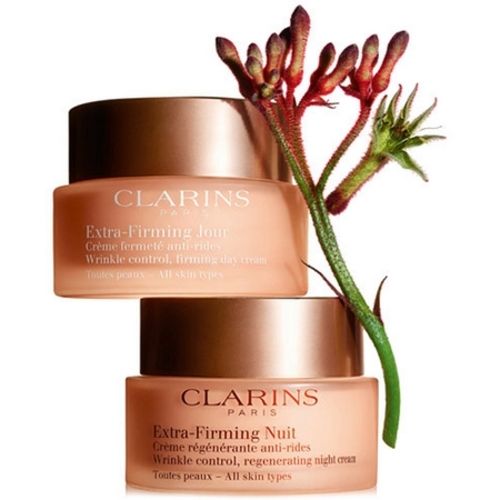
Clarins Extra-Firming: The Honest Adult Take on Firming Anti-Aging Cream
Clarins Extra-Firming has been the reference firming cream for adults over 35 for two decades. The honest assessment of what it does, what it doesn't, and where it fits in an adult routine.

Ferulic Acid for Adult Skin Over 40: The Underrated Antioxidant
Ferulic acid is the antioxidant that stabilizes vitamin C, extends UV protection, and gets ignored in mainstream skincare. The honest adult guide.