Double Cleansing After 40: When It Helps and When It Doesn't
Double cleansing — oil cleanser then foam cleanser — sounds like over-engineering. For some adults it is. For others it solves persistent problems. The honest distinction.
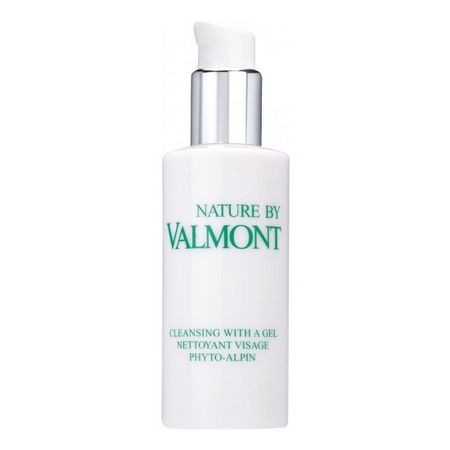
Double cleansing — washing your face twice in sequence, first with an oil-based cleanser and then with a water-based one — became globally mainstream after the K-beauty wave of the mid-2010s. By 2020 it was a default recommendation on most skincare creator videos. By 2026 the pushback has arrived: dermatologists and skin-barrier researchers warning that for many adults, especially those over 40 with sensitive or dry skin, double cleansing strips more than it cleans. The truth is in between. Double cleansing is genuinely the right protocol for some adult skin situations and a clear over-step for others. The factor that decides isn't your age — it's what you've put on your face, what your skin barrier looks like, and what kind of cleansers you're using. This guide cuts through both the K-beauty evangelism and the anti-double-cleansing backlash to explain when double cleansing actually helps adult skin, when it doesn't, and how to decide based on your specific routine rather than what an influencer wears on her face.
What double cleansing actually is
The protocol has two steps:
- Oil cleanser first (cleansing oil, balm, or micellar oil) — emulsifies oil-based debris: sunscreen, makeup, sebum, environmental pollution
- Water-based cleanser second (gel, foam, cream cleanser) — removes water-soluble debris: sweat, leftover oil cleanser, surface dirt
The premise: oil dissolves oil; water cleansers struggle with oil-based residue. Modern sunscreens, makeup, and silicone-based skincare leave a layer that pure water cleansers don't fully remove in a single 30-second wash.
This was a real problem in 2015 when sunscreens were heavier and harder to remove. It's a more nuanced problem in 2026 — many modern sunscreens come off easily with one cleanser, and some skin types are damaged by the double step.
When double cleansing genuinely helps
Double cleansing is the right call when at least one of these applies:
You wear heavy SPF daily. Mineral sunscreens (zinc oxide, titanium dioxide) and water-resistant formulas don't come off with a single gel cleanser. Residue accumulates and clogs pores over weeks. See sunscreen after 40 — the non-negotiable.
You wear makeup, including light cosmetics. Foundation, BB cream, tinted moisturizer, mascara — all benefit from oil-cleanser dissolution. For adult men using light cosmetics, see concealer and light cosmetics for adult men.
You live in a polluted urban environment. Particulate pollution adheres to skin with sebum binding it. Oil cleansers lift this debris more effectively than water cleansers alone. See how pollution affects adult skin, hair, and smell.
You have oily or acne-prone skin. Excess sebum mixes with environmental debris and forms congestion. Oil cleansers dissolve sebum effectively (counterintuitive but true). See skincare for oily skin after 40.
You exercise or sweat heavily. Sweat plus sunscreen plus environmental dust creates a layer that's hard to remove in one wash.
You have congestion-prone skin with blackheads or clogged pores. Double cleansing addresses the deeper debris that causes these.
When double cleansing is the wrong call
Skip the double-cleanse and use one gentle cleanser when:
You have dry, sensitive, or barrier-compromised skin. Double cleansing strips too much. The "squeaky clean" feeling is your skin barrier being damaged. See sensitive skin after 40 and skin barrier repair after 40.
You don't wear sunscreen, makeup, or heavy products. If your face is exposed to nothing more than sweat and a little sebum, one cleanser is enough.
You have rosacea or active eczema. The mechanical action of two cleanses can trigger flares. See rosacea after 40 — why adult faces flush.
You're in your 50s or 60s with thin, mature skin. The barrier function declines with age. Twice-daily double cleansing can outpace your skin's recovery rate. See anti-aging skincare in your 50s.
You're cleansing only in the morning. Morning faces have no sunscreen or makeup to remove — just overnight sebum and dead cells. One gentle cleanser (or water alone) is enough. See morning vs night skincare routine after 40.
Your skin feels tight, looks red, or stings after washing. These are signs of over-cleansing. Pull back immediately.
The honest rule
Double cleanse at night, only when you've worn SPF or makeup or sweated heavily. Single cleanse (or rinse with water) in the morning.
This single rule resolves most of the debate. It captures the situations where double cleansing genuinely helps without inflicting it on situations where it hurts.
How to do it without damaging your barrier
If you've decided double cleansing is right for your routine, the technique matters:
Step 1 — Oil cleanse (60-90 seconds):
- Apply to dry skin (not wet)
- Massage in circular motions, including over closed eyes
- Add a few drops of water to emulsify (you'll see it turn milky)
- Rinse thoroughly with lukewarm water
Step 2 — Water-based cleanse (30-45 seconds):
- Use a gentle, low-pH gel or cream cleanser
- Massage briefly — not aggressively
- Rinse with lukewarm water
- Pat dry; do not rub
Time the second cleanse short. The first cleanse did most of the work. The second cleanse just removes leftover oil residue and any water-soluble debris. Over-massaging the second cleanse is what damages the barrier.
For the broader routine framework, see how to layer skincare products after 40 and simple skincare routine after 40.
Choosing cleansers for the double protocol
Oil cleansers (first step):
- DHC Deep Cleansing Oil — original cult favorite, olive-oil-based
- Banila Co Clean It Zero Cleansing Balm — popular K-beauty option
- Hada Labo Cleansing Oil — drugstore, dermatologist-approved
- Clinique Take The Day Off Cleansing Balm — gentle, fragrance-free
Water-based cleansers (second step):
- CeraVe Hydrating Cleanser — for normal-to-dry skin
- La Roche-Posay Toleriane Hydrating Gentle Cleanser — sensitive skin
- COSRX Low pH Good Morning Gel Cleanser — gentle gel
- Cetaphil Daily Facial Cleanser — basic, fragrance-free, reliable
Avoid foaming cleansers with sulfates (sodium lauryl sulfate, ammonium lauryl sulfate) for the second cleanse — they strip too aggressively when paired with an oil pre-cleanse. For more on what ingredients to look for, see how to read skincare ingredient lists after 40.
Common mistakes
Using hot water. Hot water strips oil and damages barrier. Lukewarm is the rule for double cleansing.
Using both cleansers morning and night. Massive overkill. Double cleanse evenings only, on days when it's warranted.
Rubbing aggressively. The action should be gentle massage, not scrubbing. Mechanical irritation is the #2 cause of double-cleansing harm (#1 is over-cleansing frequency).
Using a face cloth or muslin to "really get it off." Adds unnecessary friction. Your fingers and the cleansers are enough.
Following with a harsh toner. Many adults compound the strip by using astringent toners post-cleanse. Skip the toner step entirely or use a hydrating toner only. The toner-after-double-cleanse combo is a recipe for barrier damage.
Doubling down on actives the same night. If you've double cleansed AND used retinol AND used acid exfoliant — too much. Pick one active per night. See bakuchiol vs retinol for skin after 40 and salicylic vs glycolic vs lactic acid after 40.
Alternatives to double cleansing
For adults who want thorough cleansing without the two-step routine:
Cleansing balm only. A good oil-based balm cleanser can be used solo for those who don't tolerate water-based cleansers well. Rinse thoroughly.
Micellar water + gel cleanser. Quicker alternative. Micellar water on a cotton pad to lift surface debris, then a quick water-based cleanse.
Single cleanse with a creamy/milky cleanser. Cream cleansers handle most light SPF and don't require an oil pre-step. Good for normal-to-dry skin.
Just water in the morning. A rinse with cool water is genuinely enough for most adults in the morning. Save cleanser energy for the evening.
Adult men and double cleansing
Most adult men under-cleanse rather than over-cleanse — but the same rules apply. If you wear daily sunscreen (you should), an oil cleanser plus gel cleanser at night clears it more thoroughly than gel alone. If you don't wear sunscreen and skip moisturizers, one cleanser at night is enough.
The skincare-while-bearded crowd has a particular consideration: oil cleansers help lift product residue from beard skin where it tends to accumulate. See skincare under your beard — the adult routine and skincare for men after 40 — what's different.
How double cleansing interacts with other skincare
Double cleansing changes how subsequent products absorb. With a truly clean, slightly damp face:
- Serums absorb faster. This is the upside.
- Active ingredients hit faster. Same upside, occasional downside — retinol on freshly double-cleansed skin can sting more than retinol on single-cleansed skin.
- Moisturizer matters more. Without robust moisturizer follow-up, the cleansing dries skin. Always moisturize after.
The interaction with vitamin C serum for skin over 40, hyaluronic acid for skin over 40, and peptides for skin over 40 is all positive — these absorb better on properly cleansed skin.
Signs you're over-cleansing
The warning signs that double cleansing has gone wrong:
- Tightness after washing that doesn't resolve with moisturizer
- New or worsening redness
- Increased sensitivity to products you previously tolerated
- Skin that feels "thin" or shows more visible blood vessels
- Increased fine lines (from chronic dehydration)
- Active breakouts (paradoxically, over-cleansing can trigger acne by stripping the barrier)
If you see two or more, pull back to single cleansing or use a gentler oil cleanser, and let the barrier recover for 2-4 weeks.
FAQ
Do I need to double cleanse if I don't wear makeup? Only if you wear sunscreen, sweat heavily, or have oily/congested skin. For adults with bare skin and no SPF, single cleansing is plenty.
Can I use micellar water as the first step? Yes, especially for lighter SPF days. Micellar water is technically a water-based cleanser with surfactants, so the "double cleanse" terminology is loose — but the principle (lift oil debris first, then cleanse) holds.
What about oil cleansing alone, no second cleanse? Works for some adults. Oil cleansers leave a thin oil residue that some skin types tolerate well. Try it — if your skin doesn't break out or feel coated, you can skip the second cleanse.
Is it OK to use coconut oil as a cleansing oil? For most adults, no. Coconut oil is highly comedogenic for many skin types. Use a purpose-made cleansing oil with proper surfactants for emulsification.
How long should each step take? Oil cleanse: 60-90 seconds of massage. Water cleanse: 30-45 seconds. Total time: under 2 minutes. Don't drag it out.
Should I double cleanse before working out? No. Cleanse after working out — pre-workout, skin is fine. Pre-workout cleansing is unnecessary and adds friction.
Does double cleansing help with adult acne? Sometimes yes, sometimes no. For comedonal acne (blackheads, congestion), often yes. For inflammatory acne or rosacea-driven breakouts, often makes it worse. See adult acne after 40.
Can I skip the second cleanse on busy nights? Yes. A thorough oil cleanse is genuinely better than nothing. Aggressive double cleansing every night > skipping cleansing entirely > one cleanse > nothing. Get the highest tier you can sustain.
What if I have combination skin? Combination skin often benefits from double cleansing in oily zones (T-zone) and lighter cleansing on drier zones. See combination skin after 40.
Does double cleansing help fade hyperpigmentation? Indirectly. It allows your active ingredients (vitamin C, niacinamide, retinol) to absorb better, which is what fades pigmentation. The cleansing itself doesn't fade spots. See how to fade hyperpigmentation and dark spots.
Is there a wrong order — water cleanser first, then oil? Yes. The order matters. Oil first dissolves the oil-soluble debris. Water cleanser first leaves the oil-based debris in place. Always oil → water.
What's the difference between a cleansing oil and a cleansing balm? Format mostly. Both contain similar ingredients (oils plus emulsifiers). Balms are solid at room temperature, oils are liquid. Functionally interchangeable. Choose by preference.
Related guides
For the broader cleansing context, see simple skincare routine after 40, morning vs night skincare routine after 40, and how to layer skincare products after 40. For barrier health, skin barrier repair after 40 and sensitive skin after 40.

How to Prepare Your Skin Before Summer: The Adult Pre-Sun Protocol After 40
Adults who treat summer skin protection as a day-of project lose ground every year. The honest pre-summer protocol that pays back for months of consistent outdoor exposure.
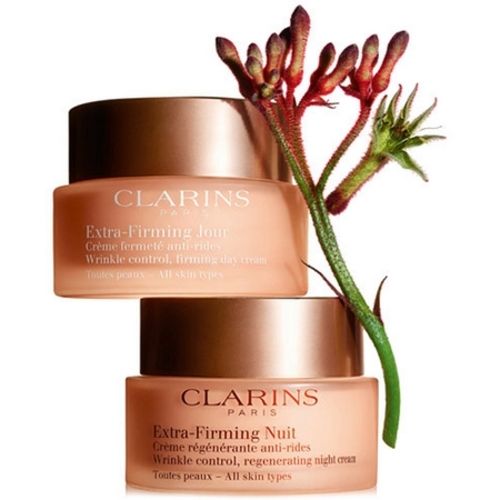
Clarins Extra-Firming: The Honest Adult Take on Firming Anti-Aging Cream
Clarins Extra-Firming has been the reference firming cream for adults over 35 for two decades. The honest assessment of what it does, what it doesn't, and where it fits in an adult routine.

Ferulic Acid for Adult Skin Over 40: The Underrated Antioxidant
Ferulic acid is the antioxidant that stabilizes vitamin C, extends UV protection, and gets ignored in mainstream skincare. The honest adult guide.