Anti-Aging Skincare in Your 50s: What Changes From Your 40s
Your 50s skin is meaningfully different from your 40s skin — slower turnover, more visible accumulated damage, post-menopausal hormonal shifts for women. Here's what to adjust.
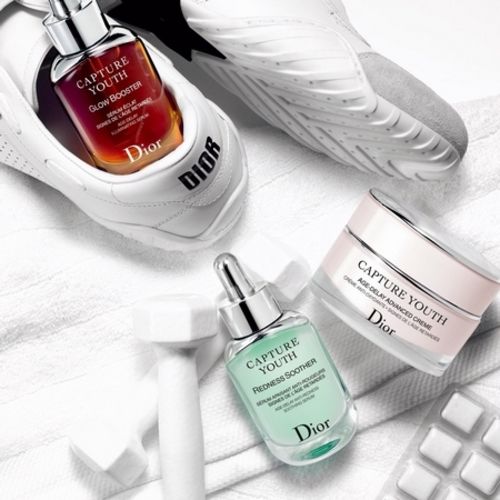
Skin in your 50s is meaningfully different from skin in your 40s. The barrier function has weakened further, cell turnover has slowed significantly, accumulated sun damage from previous decades is now visible, post-menopausal hormonal shifts (for women) have changed both texture and behavior, and the routine that worked at 45 often needs adjustment at 55. The good news is that the foundational principles still apply — retinoid, sunscreen, gentle cleansing, barrier support. The bad news is that the room for error is smaller, results take longer, and you're often managing visible damage rather than purely preventing it.
For adults in their 50s building or refining a real skincare routine, this guide covers what's different from a 40s routine, what to add, what becomes more important, and what realistic expectations look like. The biology has shifted; the response should too.
The fast answer
In your 50s: keep the foundation routine from your 40s (gentle cleanser, retinoid, niacinamide, hyaluronic acid, sunscreen) but with these adjustments — richer moisturizer (the barrier holds less water), prescription retinoid often more effective than OTC (need stronger intervention), peptides become more relevant as collagen drops faster, in-office procedures (laser, microneedling, dermal filler) start delivering more visible payoff than topical-only, and for women post-menopause: estrogen replacement (where appropriate) can dramatically improve skin quality. For both sexes: focus on prevention (sunscreen daily, retinoid nightly), management of existing damage (vitamin C, niacinamide, occasional peels), and the lifestyle inputs that compound (sleep, stress, hydration). Acceptance of some signs of aging combined with consistent good habits typically produces better-looking 50s skin than chasing dramatic anti-aging interventions while ignoring the basics.
That's the structure. The texture is below.
What changes biologically in your 50s
Five major shifts from your 40s skin:
Collagen production drops faster. Women lose approximately 30% of their dermal collagen in the 5 years post-menopause (typical age 50-55). Men's collagen decline accelerates in the 50s as well, though less dramatically. The structural support for skin gets meaningfully weaker.
Cell turnover slows significantly. Where 40-year-old skin renews approximately every 30-35 days, 55-year-old skin can take 45-60 days. Dead skin accumulates longer; healing is slower; product results take longer to appear.
Sebum production drops further. Skin that was oily-prone in your 30s often becomes dry in your 50s. The lipid barrier is genuinely thinner; water loss accelerates.
Hormonal changes (especially women). Post-menopausal estrogen drop affects skin elasticity, thickness, hydration, and pigmentation. The change is rapid (over a few years) and significant.
Accumulated damage becomes visible. Sun damage from previous decades — even decades you weren't actively in the sun — manifests as hyperpigmentation, fine lines, and texture changes that previous skincare can only partially address.
The combined effect: same foundational routine works, but with adjustments for slower response, more dryness, and managing existing damage in parallel with preventing new damage.
What to keep from your 40s routine
The foundation doesn't change:
Sunscreen daily remains the single most important intervention. See sunscreen after 40: the non-negotiable. The case is even stronger in your 50s — accumulated UV damage becomes more visible and more permanent.
Retinoid nightly continues to be the most evidence-based anti-aging ingredient. See retinol for beginners after 40. Many adults move from OTC adapalene to prescription tretinoin in their 50s for stronger effect.
Gentle cleansing matters even more as the barrier weakens. See skin barrier repair after 40. Sulfate-free, lukewarm water, gentle technique.
Niacinamide for inflammation, brightening, and barrier support. See niacinamide for skin over 40.
Hyaluronic acid for hydration — particularly important as natural HA levels drop. See hyaluronic acid for skin over 40.
Moisturizer twice daily — usually richer than what worked in your 40s.
The principles continue working; the execution adjusts.
What to add or upgrade in your 50s
Richer moisturizer
The lightweight gel moisturizer that suited oily 40s skin often doesn't provide enough barrier support for drier 50s skin. Upgrade to:
- CeraVe Moisturizing Cream tub ($16) — richer than the lotion version
- La Roche-Posay Toleriane Double Repair Face Cream ($21) — barrier-focused, slightly rich
- CeraVe Skin Renewing Night Cream ($20) — peptides + ceramides at affordable price
- First Aid Beauty Ultra Repair Cream ($38) — popular for genuine reason
- Avene Cicalfate+ ($28) — for stressed or sensitive skin
Apply more generously than you did at 45. Adult skin in the 50s needs more lipid replenishment.
Stronger retinoid
If OTC adapalene 0.1% (Differin) hasn't been delivering the results you want, talk to a dermatologist about prescription tretinoin:
- Tretinoin 0.025-0.05% — more potent than adapalene, more visible results
- Adapalene 0.3% (prescription) — stronger version of OTC
- Tazarotene — even stronger, more irritating, for stubborn issues
Stronger retinoid requires more careful application — usually over moisturizer (the "moisturizer sandwich") to buffer irritation. Start 2x weekly, build up.
Peptides
Peptides become more relevant in your 50s as collagen drops faster. See peptides for skin over 40. Look for:
- Matrixyl 3000 — collagen-supportive
- Copper peptides (GHK-Cu) — wound healing and collagen
- Argireline — mild muscle-relaxant for expression lines
Worth adding as a complementary serum (Olay Regenerist with peptides, The Ordinary "Buffet", Drunk Elephant Protini).
Targeted treatment for accumulated damage
50s skin often has visible damage that 40s skin didn't:
- Hyperpigmentation — see how to fade hyperpigmentation and dark spots
- Crepiness on neck and chest — see neck and décolletage care after 40
- Sagging or loss of firmness — topical helps modestly; consider in-office procedures
- Texture changes — chemical peels, microneedling, or laser resurfacing can help
In-office procedures become higher ROI
Where in your 40s some procedures felt optional, in your 50s they often deliver visible payoff:
- IPL/BBL for sun damage — particularly valuable for accumulated pigmentation
- Microneedling — for texture and mild firmness
- Botox — for dynamic wrinkles (forehead, frown lines, crow's feet)
- Filler — for volume loss in cheeks, under-eyes, smile lines
- CO2 fractional laser — for significant resurfacing once
See cosmetic procedures after 40: what's worth it for the comprehensive view. Adults in their 50s often see better cost-benefit from procedures than adults in their 30s or early 40s, simply because there's more accumulated damage to address.
For women specifically: hormonal considerations
Post-menopausal women experience meaningful skin changes from estrogen drop. Options to discuss with your doctor:
- Topical estrogen — improves skin thickness, elasticity, hydration in localized application
- Hormone replacement therapy (HRT) — systemic estrogen replacement; major skin benefit as a side effect of the broader perimenopause management
- Estriol-containing topical products — milder estrogen formulations available in some markets
These are medical decisions with broader implications; skincare benefit is one of multiple considerations. Discuss with your gynecologist or dermatologist.
Antioxidants gain importance
In your 50s, accumulated oxidative damage is significant. Topical antioxidants (vitamin C, vitamin E, ferulic acid) help prevent further damage:
- SkinCeuticals C E Ferulic ($182) — the premium standard
- The Ordinary Vitamin C Suspension 23% ($7) — affordable alternative
- Maelove Glow Maker ($30) — well-formulated mid-tier
- Topical vitamin C combined with niacinamide and hyaluronic acid in a layered routine
Morning application; followed by sunscreen.
A realistic 50s routine
Morning (5-7 minutes)
- Splash with cool water, or gentle cleanser if you wore moisturizer/sunscreen overnight
- Vitamin C serum to damp skin
- Niacinamide serum (can layer with vitamin C or use separately)
- Hyaluronic acid serum (optional, helpful for dry skin)
- Moisturizer (richer than what you used in your 40s)
- Sunscreen SPF 30+ — daily, year-round, non-negotiable
Evening (7-10 minutes)
- Gentle cleanser (removes day product and pollution)
- Optional: chemical exfoliant 1-2x weekly (AHA or BHA — see hyperpigmentation guide)
- Apply moisturizer (the "moisturizer sandwich" if using prescription retinoid)
- Retinoid (adapalene, tretinoin, or prescription strength)
- Peptide serum (optional, applied over moisturizer if you've moisturized for retinoid buffer)
- Eye cream if you use one
- Heavier moisturizer or face oil on top
The routine is longer than what worked in your 40s — more layered products, more deliberate sequencing — but each step has a clear purpose. Total time about 12-17 minutes daily, much of it absorption time rather than active application.
What lifestyle matters more in your 50s
The lifestyle inputs that affect skin become more consequential as skin's resilience decreases:
Sleep. Skin repair happens primarily during deep sleep. 7+ hours nightly becomes more important. See why sleep affects how you smell for broader context.
Stress management. Cortisol disrupts barrier function and accelerates aging. See how stress affects skin and smell. The chronic stress that was manageable for skin at 35 produces visible damage at 55.
Hydration. Internal hydration matters more as natural skin moisture retention drops. See hydration and how it affects skin and smell.
Diet. Omega-3 intake supports skin lipid synthesis. Vegetables and antioxidant-rich foods support skin from inside. Refined sugar and high-glycemic foods may accelerate glycation (the cross-linking of skin proteins that produces stiffness and yellowing). See how diet affects body odor and skin.
Sun protection beyond sunscreen. Hats, UPF clothing, time-of-day exposure considerations. The cumulative sun damage in your 50s is the cumulative sun damage of every previous decade plus the current decade.
Alcohol moderation. Heavy alcohol use accelerates visible aging. The effect is real and visible in adults who drink heavily through their 50s.
Smoking. If you still smoke at 50, this is the single most accelerating habit for skin aging. Stopping at any age delivers visible benefit within 6-12 months.
What to accept versus what to address
Some aging signs are addressable; others are part of the trajectory.
Addressable:
- Hyperpigmentation from sun damage (with consistent treatment)
- Fine lines around eyes (with retinoid)
- Texture issues (with retinoid + occasional peels)
- Mild laxity (with peptides + in-office procedures)
- Dryness (with appropriate moisturizer)
- Some volume loss (with filler if you choose)
Less reversible:
- Deep static wrinkles (filler or surgical interventions only)
- Significant sagging (Ultherapy or surgery only)
- Long-standing texture damage
- Some forms of pigmentation (melasma, certain age spots)
The mature approach for most adults: address what's addressable through consistent routine, accept what isn't, and resist the urge to chase dramatic transformation. 55-year-old skin that's well-maintained looks like well-maintained 55-year-old skin — not like 35-year-old skin. The goal is the best version of your actual age.
Common mistakes in 50s skincare
Continuing to use the lightweight moisturizer that worked at 45. Skin needs more moisture support; upgrade to richer cream.
Stopping retinoid because "it's not working anymore." The retinoid is still working; results are just slower at 55 than at 45. Continue.
Skipping sunscreen because "the damage is already done." Wrong. Sunscreen prevents additional damage and accumulates over years. Don't stop.
Buying expensive single products instead of consistent basic routine. A $200 serum used inconsistently produces worse results than a $30 serum used daily.
Chasing "anti-aging miracles" in expensive new products. Most extraordinary marketing claims are oversold. Stick to evidence-based ingredients.
Avoiding in-office procedures because of cost. For accumulated damage, procedures sometimes deliver dramatic results that topicals can't. Cost-effectiveness analysis often favors procedures over multiple unsuccessful product purchases.
Comparing your skin to younger people or filtered images. Sets unreasonable expectations and discourages consistent routine. Compare your skin to similarly-aged adults who don't have a routine — the difference is significant.
Ignoring the lifestyle inputs. Sleep, stress, diet, hydration matter more in your 50s than in your 30s. A perfect product routine on top of chronic poor sleep loses the battle.
Treating the décolletage as separate from the face. The neck and chest age faster than the face if neglected. See neck and décolletage care after 40.
Stopping all "frivolous" skincare because of cost or time. The compounding effect of consistent routine is significant. Even if you cut spending, maintain a basic routine — cleanser, moisturizer, sunscreen, retinoid — at any price point.
Skipping medical consultation. Dermatologist visits in your 50s often surface treatable issues (sun spots that need biopsy, actinic keratoses that need treatment, hormonal interventions that help skin) that OTC products don't address. $200 a year for a dermatologist visit is worth it.
How 50s skincare fits with the broader system
The skincare integrates with:
- Adult grooming — clean grooming and skincare amplify each other
- Style and presentation — the system view
- Sleep, stress, hydration management
- Specific concerns like rosacea or adult acne if applicable
- Procedures for accumulated damage
The compounding logic from earlier articles continues. A great skincare routine on top of poor sleep and high stress reaches a worse outcome than imperfect skincare on stable lifestyle.
FAQ
Is it too late to start skincare at 55? No. Starting at 55 still produces meaningful benefit — slowing further damage, improving skin quality, and protecting against future issues. Earlier is better; never is worst; now is always second-best to earlier.
Should I switch from retinol to prescription tretinoin? For many adults in their 50s, yes. Prescription tretinoin is stronger than OTC retinol or adapalene and produces more visible results. The trade-off is more initial irritation and the prescription cost. Discuss with a dermatologist.
Do I really need an eye cream at 55? Optional but often helpful. The eye area shows aging earlier than the face and benefits from targeted ingredients (peptides, mild retinoid, ceramides). See eye cream after 40: do you need one.
Are expensive luxury creams worth it in my 50s? Sometimes. Premium products often include refined formulations and elegant textures, but the underlying chemistry of cheap CeraVe and luxury Augustinus Bader is more similar than the price difference suggests. Test before committing to luxury price points.
Should I get HRT/estrogen for skin benefits? HRT is a medical decision with many considerations beyond skin. Skin benefit is real but is one of many factors. Discuss with your gynecologist or family doctor.
What's the single most impactful thing I can do at 55? Daily sunscreen + nightly retinoid + adequate sleep. If you do nothing else, do these three consistently for 6+ months and you'll see meaningful improvement.
How often should I see a dermatologist in my 50s? Annually minimum for skin cancer screening. More often if you have specific issues being managed (rosacea, acne, hyperpigmentation, post-procedure follow-up).
Are stem cell or growth factor creams worth the cost? Mostly no. Most "stem cell" claims oversell the actual product. Growth factor products have modest evidence at clinical concentrations rarely matched in consumer products. Spend the money on proven basics (retinoid, sunscreen) and in-office procedures.
Related guides: simple skincare routine after 40, retinol for beginners after 40, skin barrier repair after 40, anti-aging skincare in your 30s, cosmetic procedures after 40: what's worth it.

How to Prepare Your Skin Before Summer: The Adult Pre-Sun Protocol After 40
Adults who treat summer skin protection as a day-of project lose ground every year. The honest pre-summer protocol that pays back for months of consistent outdoor exposure.
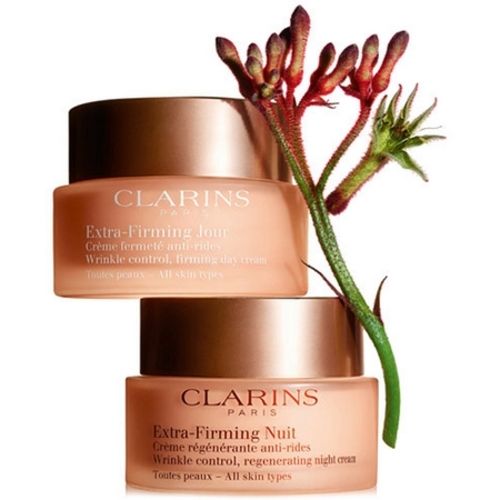
Clarins Extra-Firming: The Honest Adult Take on Firming Anti-Aging Cream
Clarins Extra-Firming has been the reference firming cream for adults over 35 for two decades. The honest assessment of what it does, what it doesn't, and where it fits in an adult routine.

Ferulic Acid for Adult Skin Over 40: The Underrated Antioxidant
Ferulic acid is the antioxidant that stabilizes vitamin C, extends UV protection, and gets ignored in mainstream skincare. The honest adult guide.