Skincare for Oily Skin After 40: What Actually Works for Adult Oily Skin
Oily skin in your 40s isn't the same as oily skin at 18. Here's the routine that actually works for adult oily skin — controlling oil without triggering rebound or damaging the barrier.
Adult oily skin is a different problem than teenage oily skin. The hormonal drivers are different (more stable, sometimes shifting with perimenopause/andropause), the barrier function is more fragile, and the products that "worked" at 18 often produce worse results at 45. The classic teenage-oily-skin advice — strong foaming cleansers, alcohol-based toners, aggressive exfoliation, no moisturizer — actively damages adult skin barrier and often triggers compensatory oil production (rebound) that makes oily skin worse.
For adults dealing with oily skin in their 40s and beyond, the routine needs to balance oil control with barrier preservation. Done right, oily adult skin becomes manageable — not "dry," but well-balanced enough that excess shine, frequent breakouts, and oily-looking complexion stop being daily issues. Done wrong, the same products that worked at 18 create persistent skin issues after 40.
This guide covers what causes adult oily skin, what makes it worse, and the actual routine that controls oil without damaging the barrier.
The fast answer
Adult oily skin needs balance — oil control without stripping. The routine: gentle non-stripping cleanser (NOT foaming sulfate), salicylic acid 2% serum 2-3 nights weekly (penetrates pores; controls oil-related congestion), niacinamide 10% serum daily (reduces sebum production; supports barrier), retinoid nightly (normalizes cell turnover; reduces breakouts and pore appearance over months), lightweight gel or lotion moisturizer (yes, you still need this — see below), and sunscreen daily. Skip: alcohol-based toners, oil-stripping cleansers, "mattifying" products that work through irritation, daily strong exfoliation, frequent harsh peels. The "skip moisturizer because I'm oily" mistake is the most common adult oily-skin error — paradoxically increases oil production. Adult oily skin often improves dramatically within 6-12 weeks of barrier-respecting routine, then continues to improve over months as sebum production normalizes.
That's the structure. The texture is below.
What causes adult oily skin
Several factors:
Genetics — primary determinant. Adults whose parents had oily skin tend to as well; persistence into adulthood is common.
Androgens — testosterone and DHT drive sebum production. Higher baseline androgens = more sebum throughout life. This is why men's skin tends to be oilier than women's; why teenage acne flares around puberty; why oily skin often persists into adulthood for some.
Hormonal shifts — perimenopause in women and slower hormonal changes in men can paradoxically increase oil production in some adults despite overall hormonal decline (relative androgen ratios shift).
Compromised barrier — counterintuitively, damaged skin barrier triggers compensatory oil production. The body produces more sebum to replace lost lipids. Years of aggressive routines (strong cleansers, alcohol toners) creates this barrier-compromised oily skin specifically.
Stress — cortisol increases sebum production directly. Chronic stress = oilier skin.
Diet — high-glycemic diets and certain dairy patterns can affect sebum production for some adults.
Climate and humidity — hot humid environments increase sebum output; dry climates can sometimes paradoxically increase it through barrier stress.
Medications — certain medications affect sebum (steroids, some hormonal interventions).
For adult oily skin: the genetic component is fixed; the others are partially modifiable.
The teenage-routine problem
The cultural script for oily skin came from teenage acne treatment in the 1990s-2000s era. Common elements:
- Strong foaming cleansers (sulfate-based, "deep cleaning")
- Alcohol-based toners ("astringent" effect)
- Frequent strong exfoliation (scrubs, daily glycolic acid)
- Skipping moisturizer ("it'll make my skin worse")
- Mattifying products marketed for oil control
- Benzoyl peroxide for any blemish
What this produces in adult skin:
- Barrier damage — compromised lipid layer
- Rebound oil production — body compensates for stripping
- Inflammation — chronic mild irritation visible as redness
- Worsened acne — barrier damage often triggers more breakouts
- Premature aging signs — compromised barrier amplifies all aging mechanisms
Adults who switch from teenage-style routine to adult-appropriate routine often see dramatic improvement within 6-12 weeks. The skin that "needed" aggressive control was actually responding to aggressive control with more oil.
The adult oily-skin routine
Step 1: Gentle cleansing (not stripping)
The most-important shift. Strong foaming sulfate cleansers strip lipids; the body responds by producing more sebum. The solution is gentle non-sulfate cleansing.
Products:
- CeraVe Hydrating Cleanser ($14) — gentle, non-stripping
- La Roche-Posay Toleriane Hydrating Cleanser ($16) — similar
- Vanicream Gentle Facial Cleanser ($12) — affordable
- Cetaphil Gentle Skin Cleanser ($12) — basic but works
For oily-skin adults who want slight cleansing power without stripping:
- CeraVe Foaming Facial Cleanser ($16) — gentler foam
- La Roche-Posay Effaclar Gentle Foaming Cleanser ($16) — specifically for oily-skin adults
Skip:
- Standard sulfate foaming cleansers
- "Deep cleansing" or "purifying" cleansers
- Cleansers with alcohol denat in top 5 ingredients
- Salicylic acid wash for daily use (better as leave-on serum)
Technique:
- Lukewarm water, never hot
- Massage gently for 30-60 seconds
- Rinse thoroughly
- Pat dry; don't rub
Wash AM and PM. Twice daily for most oily-skin adults; once daily for adults whose skin gets reactive with twice-daily washing.
Step 2: Salicylic acid (the key active for oily skin)
The most-effective single ingredient for adult oily skin. Salicylic acid (a beta-hydroxy acid) is oil-soluble — it penetrates into pores and dissolves the dead skin and sebum mixture that causes blackheads and breakouts.
Products:
- Paula's Choice 2% BHA Liquid ($12-32) — gold standard
- The Ordinary Salicylic Acid 2% Solution ($9) — affordable alternative
- Stridex Strength Pads ($5) — convenient drugstore option
- CeraVe SA Cleanser (use 2-3x weekly only) — for adults preferring wash format
Application:
- Apply to clean dry skin (after cleansing, before moisturizer)
- 2-3x weekly to start; build to nightly if tolerated
- Wait 2-5 minutes before applying moisturizer
Salicylic acid takes 4-6 weeks to show full effect. Don't expect overnight results.
Step 3: Niacinamide (the oil-regulator)
Niacinamide at 10% concentration meaningfully reduces sebum production over weeks of consistent use. It also supports the skin barrier and reduces inflammation — addressing oily skin without the compensatory effects of aggressive routines.
Products:
- The Ordinary Niacinamide 10% + Zinc 1% ($7) — affordable workhorse
- Paula's Choice 10% Niacinamide Booster ($45) — refined option
- Glow Recipe Niacinamide Dew Drops ($35) — modern formulation
Application:
- Apply AM after cleansing, before moisturizer
- Daily use produces best results
See niacinamide for skin over 40 for the broader use cases. For oily-skin adults specifically, this is one of the foundation actives.
Step 4: Retinoid (the long-term game-changer)
The single most-evidence-based anti-aging ingredient. For oily-skin adults specifically, retinoids:
- Normalize cell turnover (clears clogged pores)
- Reduce sebum production
- Reduce visible pore appearance over months
- Address both oily skin AND anti-aging simultaneously
Products:
- Adapalene 0.1% (Differin Gel) ($13) — OTC starter; gentle for oily skin
- Tretinoin 0.025-0.05% (prescription) — stronger; more visible results
- Retinol 0.5-1% — gentler alternative
Application:
- 2-3x weekly to start; build to nightly as tolerated
- Apply small pea-sized amount to dry skin
- Wait 20 minutes before moisturizer (or apply moisturizer first as buffer for sensitive skin)
See retinol for beginners after 40 for the full ramp protocol. For oily-skin adults: this is the single best long-term investment in skin quality.
Step 5: Lightweight moisturizer (yes, you still need it)
The most-counter-intuitive part of adult oily-skin routine: you need moisturizer. Skipping it is the most common error.
Why oily skin needs moisturizer:
- Dehydration triggers compensatory oil production
- Barrier function depends on lipid balance
- Aging skin needs ceramide replenishment regardless of sebum
- Actives (salicylic acid, retinoid) need barrier support
Products for oily skin:
- Neutrogena Hydro Boost Gel ($21) — gel-based; absorbs quickly; doesn't add to oily feel
- CeraVe AM Facial Moisturizing Lotion ($14) — lightweight with sunscreen
- La Roche-Posay Toleriane Double Repair Lotion ($21) — lightweight, well-formulated
- Skinceuticals Daily Moisture ($55) — premium oil-free
- Vanicream Daily Facial Moisturizer ($14) — basic and effective
Skip:
- Heavy creams marketed for dry skin
- Heavy occlusives (mineral oil-heavy products)
- Anything that takes long to absorb
Apply moderate amount; the skin should feel hydrated, not weighed down.
Step 6: Sunscreen (non-negotiable)
Daily mineral or chemical sunscreen for oily skin:
Best for oily skin specifically:
- EltaMD UV Clear SPF 46 ($40) — designed for acne-prone/oily skin; non-comedogenic; popular for genuine reason
- La Roche-Posay Anthelios Mattifying ($32) — specifically for oily skin
- Supergoop Unseen Sunscreen ($38) — invisible, oil-controlling
- Black Girl Sunscreen ($19) — works for diverse skin tones, lightweight
See sunscreen after 40: the non-negotiable for the comprehensive sunscreen approach.
The complete daily routine for oily skin
Morning:
- Gentle cleanser (or just water)
- Niacinamide 10% serum
- Lightweight moisturizer
- Sunscreen for oily skin
Evening:
- Gentle cleanser
- Salicylic acid 2% (2-3x weekly)
- Retinoid (alternate nights with salicylic acid initially; can combine after barrier tolerance)
- Lightweight moisturizer
Total time: 5 minutes morning, 7 minutes evening. The routine doesn't need to be complicated — consistent application matters more than complexity.
What makes oily skin worse
Stripping cleansers — covered above
Alcohol-based toners — trigger barrier damage and rebound oil production
Daily strong exfoliation — overdoes turnover; damages barrier
Frequent harsh peels — same issue
Heavy occlusive moisturizers — sit on skin; can clog pores
Mattifying powders/products that work through over-drying
Touching face throughout day — transfers bacteria and oil; see hand hygiene and whole-body freshness after 40
Phone against face — phones harbor bacteria; transfers to skin
Heavy fragranced products — common trigger
Stress and poor sleep — both increase sebum production
Diet patterns — high-glycemic foods, certain dairy patterns affect some adults
How adult oily skin differs from teenage oily skin
| Factor | Teenage oily | Adult oily |
|---|---|---|
| Driver | Acute hormonal surge | Stable baseline + barrier compromise |
| Barrier function | Generally robust | More fragile |
| Response to aggressive treatment | Tolerates it (mostly) | Damaged by it |
| Compensatory oil production | Rapid | Even faster after barrier damage |
| Anti-aging concerns | Minimal | Major (sun damage, lines) |
| Acne pattern | All over face, often inflammatory | Often jawline-focused, may include cystic |
| Sebum composition | Higher in squalane | Higher in saturated lipids (more oxidation-prone) |
The product approaches differ:
Teenage oily skin can sometimes tolerate:
- Stronger cleansers
- Daily benzoyl peroxide
- Aggressive exfoliation
- Skipping moisturizer (sometimes)
Adult oily skin requires:
- Gentle non-stripping approach
- Targeted actives (retinoid, niacinamide, salicylic acid) at moderate intensity
- Always moisturizing
- Always sunscreen
- Recognition that anti-aging matters alongside oil control
For adults: the routine designed for teenage skin produces worse adult results. The teenage routine was tolerable at 18 because the barrier was stronger; at 45 the same routine produces visible damage.
Specific adult oily-skin issues
Jawline acne in adulthood
Common adult presentation. Often hormonal (perimenopause-related in women; testosterone-related in men). See adult acne after 40 for the comprehensive approach. Key for oily skin: gentle base routine + targeted treatment (retinoid + salicylic acid).
Large pores
Oil contributes to visible pore size — see how to minimize large pores after 40. For oily-skin adults: same approach, with emphasis on sebum-reducing actives (niacinamide, retinoid).
Mid-day shine
Some shine is normal for oily skin. To manage:
- Blotting papers (Tatcha, Clean & Clear) — absorb oil without disrupting skin
- Skip mattifying powder (often makes skin worse over time)
- Reapply lightweight sunscreen if outdoors for hours
Hyperpigmentation from breakouts
Healed acne often leaves dark spots. See how to fade hyperpigmentation and dark spots. For oily-skin adults: same approach (vitamin C, retinoid, niacinamide) but emphasize barrier preservation.
Common mistakes for adult oily skin
Strong foaming cleansers. Trigger rebound oil production. Switch to gentle.
Skipping moisturizer. Dehydration increases oil. Always use lightweight moisturizer.
Daily strong exfoliation. Damages barrier; worsens oil long-term. Salicylic acid 2-3x weekly is enough.
Heavy occlusive moisturizers because "skin needs hydration." Clog pores. Lightweight gel or lotion only.
Aggressive scrubs. Damage barrier without controlling oil. Skip.
Alcohol-based toners. Strip lipids. Trigger compensatory oil. Skip.
Continuing teenage routine into adulthood. Damages adult barrier. Update to age-appropriate approach.
Skipping sunscreen because it "makes skin oily." Wrong sunscreen choice; switch to oil-controlling formula. Sunscreen is non-negotiable.
Not using retinoid because "skin is already oily and reactive." Retinoid actually reduces sebum and pore appearance over months. Worth the gradual introduction.
Touching face constantly. Transfers bacteria and oils. Address conscious face-touching.
Treating each issue with separate aggressive products. A coherent routine of foundational ingredients beats multiple harsh single-issue products.
How adult oily skin fits with broader skincare
For adult oily skin: the routine is part of the broader adult skincare framework. The same actives benefit oily skin and the broader anti-aging routine:
- Retinoid addresses oil AND anti-aging
- Niacinamide reduces oil AND brightens AND supports barrier
- Salicylic acid clears pores AND addresses some pigmentation
- Sunscreen prevents damage AND prevents pigmentation
- Moisturizer supports barrier AND prevents rebound oil
This integration matters. Adults treating oily skin with isolated products often miss the synergy. The integrated routine beats single-issue treatment.
See related guides on the broader system: skin barrier repair after 40, skincare for men after 40: what's different, morning vs night skincare routine after 40.
Realistic timeline for adult oily-skin improvement
Don't expect dramatic week-1 results.
Weeks 1-2: Adjustment to gentler routine; skin may feel slightly different. Some adults experience minor purging from new actives.
Weeks 2-4: Initial oil reduction visible. Barrier feels healthier.
Weeks 4-8: Significant improvement in oil control, pore appearance, and breakouts. The compounding effects of retinoid + niacinamide + salicylic acid become visible.
Months 3-6: Substantial transformation for adults coming from teenage-style routines. Skin looks healthier, less reactive, more balanced.
Beyond 6 months: Maintenance. The well-managed adult oily skin requires consistent routine but stays controlled.
The change is gradual but real. Adults who switch from aggressive to barrier-respecting routine often comment on how dramatic the difference is by 6 months.
FAQ
Should adult men with oily skin use heavy moisturizer at night? No — lightweight moisturizer even at night. Heavy occlusives can clog pores. The "richer at night" advice is for dry skin; for oily skin, similar lightweight texture morning and night.
Can I use foaming cleanser if I have oily skin? A gentle foaming cleanser (CeraVe Foaming Cleanser) is fine. Avoid strong sulfate-based "deep cleaning" cleansers that strip lipids.
Will retinoid make my oily skin oilier? Initially possibly (purging). After 4-6 weeks, retinoid actually reduces sebum production and improves oil control. Stick with it through the adjustment period.
Why does my skin get oilier when I skip moisturizer? Dehydration triggers compensatory sebum production. The "skip moisturizer because oily" approach actually increases oil long-term. Always moisturize.
How often should I wash my face with oily skin? Twice daily is standard for adult oily skin. More than that can over-strip; less may not adequately remove sunscreen and pollution. Find your sweet spot.
Are blotting papers okay? Yes — they absorb surface oil without disrupting skin barrier. Tatcha or Clean & Clear are popular. Use as needed throughout the day.
Do I need different sunscreen for oily skin? Yes — choose formulations designed for oily/acne-prone skin. EltaMD UV Clear is the gold standard. Heavy or oily sunscreen can clog pores and make oily skin worse.
What about pore-minimizing primer? Most are silicone-based; can clog pores over time with regular use. For specific events, OK. For daily use, address pores through skincare (retinoid, niacinamide) rather than topical primer.
Related guides: simple skincare routine after 40, retinol for beginners after 40, adult acne after 40, how to minimize large pores after 40, skin barrier repair after 40.

How to Prepare Your Skin Before Summer: The Adult Pre-Sun Protocol After 40
Adults who treat summer skin protection as a day-of project lose ground every year. The honest pre-summer protocol that pays back for months of consistent outdoor exposure.
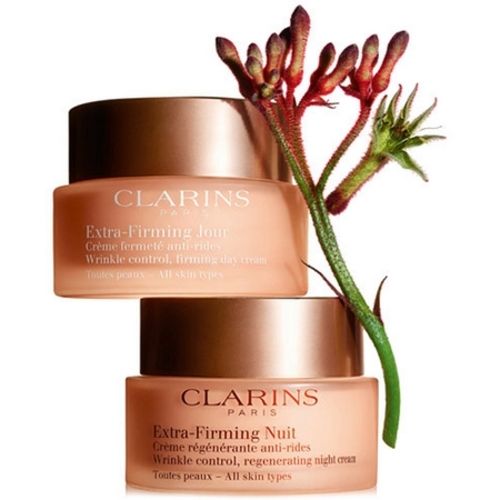
Clarins Extra-Firming: The Honest Adult Take on Firming Anti-Aging Cream
Clarins Extra-Firming has been the reference firming cream for adults over 35 for two decades. The honest assessment of what it does, what it doesn't, and where it fits in an adult routine.

Ferulic Acid for Adult Skin Over 40: The Underrated Antioxidant
Ferulic acid is the antioxidant that stabilizes vitamin C, extends UV protection, and gets ignored in mainstream skincare. The honest adult guide.