Skincare for Menopause: What Changes and What Actually Helps
Menopause is the single biggest skincare event of adult life. Knowing which changes are estrogen-driven, which are sun-driven, and which respond to which products saves years of trial and error.
Menopause is the single biggest skin event of adult life, and the one most badly served by mainstream skincare marketing. In perimenopause — typically the early-to-mid 40s — estrogen levels start fluctuating, then drop sharply through menopause itself and the years after. Estrogen happens to be one of the most important hormones for skin: it drives collagen synthesis, sebum production, hydration retention, barrier function, and wound healing. When it falls, all five degrade on roughly the same timeline. Women who had reliable skin for thirty years suddenly find themselves dry, sensitive, breaking out, dull, and seeing fine lines where there were none. This guide separates what's hormonal, what's UV-driven, what's lifestyle, and what to actually do about each — with specific routines for perimenopause, menopause, and post-menopause.
What estrogen does for skin (and what happens when it leaves)
Five mechanisms matter:
Collagen production. Estrogen receptors live on fibroblasts, the cells that manufacture collagen and elastin. With normal estrogen, those cells produce a steady supply. Within the first five years after menopause, women lose roughly 30% of their dermal collagen. The visible result is thinning skin, softer facial contours, and faster appearance of fine lines — especially around the eyes, lips, and along the jawline.
Sebum production. Estrogen modulates sebaceous gland activity. With less estrogen, oil output drops sharply for most women. Skin that was balanced or oily through the 30s often becomes genuinely dry for the first time in life. The drop is gradual through perimenopause and steeper after.
Barrier function and hydration. Estrogen supports the skin's lipid matrix — the ceramides, fatty acids, and cholesterol that hold water in. Less estrogen means a leakier barrier, faster transepidermal water loss, and skin that feels tight within minutes of cleansing.
Microcirculation and color. Estrogen-supported microcirculation gives healthy skin its pink undertone and quick flushing response. Reduced microcirculation contributes to the duller, slightly grayer look that women describe in their 50s — even with perfect skincare. This isn't only sun damage; it's vascular.
Wound healing and inflammation control. Estrogen has anti-inflammatory effects and supports epidermal renewal. Less of it means small irritations linger longer, sun damage takes longer to fade, and acne lesions heal slower than they used to.
Layered on top of these, the rising relative androgen ratio (testosterone doesn't drop as fast as estrogen) often triggers hormonal acne along the jawline and chin — sometimes for the first time since adolescence. The combination of dryness, thinning, sensitivity, and new breakouts is uniquely confusing because the routines for each conflict if you're not strategic.
Perimenopause vs menopause vs post-menopause
The three phases need different approaches.
Perimenopause (typically 40–50). Estrogen is fluctuating, not falling steadily. Skin is unpredictable — dry one week, oily the next, breaking out in a week with high stress. The right routine is conservative, well-tolerated, and easy to adjust week by week. This is not the time to introduce four new actives.
Menopause (the year around your last period, roughly 50). The drop is steepest. Symptoms — including skin symptoms — peak. Hot flashes, night sweats, and rosacea-like flushing become common. The right routine adds barrier-supportive products and starts (or continues) prescription-strength actives.
Post-menopause (roughly 51+, ongoing). Estrogen stabilizes at the new lower level. Skin's behavior becomes predictable again, but the baseline is drier, thinner, and more vulnerable. This is when long-term collagen-supporting strategy matters most — daily SPF, daily retinoid, peptide and ceramide layering, and the cosmetic-procedure conversation if relevant. Cosmetic procedures after 40 — what's worth it covers that side.
The menopause-aware routine — morning
A morning routine for menopausal skin has four jobs: gentle cleansing, barrier reinforcement, environmental protection, and a daytime active that supports brightness or hydration without destabilizing barrier.
- Cream cleanser or just water. Foaming sulfate cleansers strip lipid-poor menopausal skin. A cream, milk, or balm cleanser in the morning — or simply rinsing with lukewarm water — preserves the overnight barrier you spent eight hours building.
- Hydrating toner or essence (optional). A simple hyaluronic acid or glycerin-based hydrator applied to damp skin maximizes how much moisture the next layer can lock in.
- Antioxidant serum. A well-formulated vitamin C serum at 10–15% L-ascorbic acid, or a niacinamide serum at 5–10% if your skin is reactive. The job is to neutralize daytime free-radical damage and support overall radiance. See vitamin C serum for skin over 40 and niacinamide for skin over 40.
- Moisturizer. Ceramide-rich, with a meaningful fatty acid component (cholesterol, palmitic acid, linoleic acid). This is doing the heavy lifting on barrier repair. Skin barrier repair after 40 covers what to look for.
- Mineral or chemical SPF 30+ broad spectrum. Non-negotiable. UV degrades the small amount of collagen production you still have and accelerates pigmentation, which menopausal skin shows more readily. Sunscreen after 40 — the non-negotiable goes into the specifics.
The menopause-aware routine — night
Night is where the real work happens.
- Oil cleanse, then cream cleanse if you wore makeup or SPF. Or a single balm cleanse on a quiet day.
- Retinoid. This is the single highest-leverage anti-aging step for menopausal skin. A retinoid (over-the-counter retinol, retinaldehyde, or prescription tretinoin) signals fibroblasts to produce more collagen and accelerates cell turnover. The protocol for sensitized menopausal skin is to start low (0.025–0.1% retinol), apply twice weekly on dry skin, and build to nightly tolerance over months — not weeks. Retinol for beginners after 40 walks through ramping safely.
- Peptide serum (optional, alternating nights). Copper peptides, palmitoyl tripeptides, and similar compounds support collagen synthesis through a different pathway than retinoids. Layered on non-retinoid nights, they extend the collagen-supporting work without compounding irritation. See peptides for skin over 40.
- Rich moisturizer or sleeping mask. Ceramides, cholesterol, fatty acids, and an occlusive layer (squalane, shea, even a thin layer of petrolatum on the driest nights — the "slugging" technique). The job is to hold water in for the full sleep cycle.
- Eye area. A peptide- or retinaldehyde-based eye cream applied with a ring finger, patted not rubbed. Eye cream after 40 — do you need one covers what's worth it.
What to add at each menopause stage
| Stage | Add | Maintain | Be cautious with |
|---|---|---|---|
| Perimenopause | Hydrating serum, gentler cleanser, retinol introduction | Daily SPF, antioxidant serum | New strong actives, multiple changes at once |
| Menopause | Ceramide moisturizer, slugging on dry nights, prescription retinoid conversation | Everything above | Foaming cleansers, scrubs, alcohol-heavy products |
| Post-menopause | Peptide layering, in-office treatments if interested, oral support per doctor | Everything above | Anything stripping; "anti-aging" foaming products |
Hormone replacement therapy and skin
If you're already on or considering hormone replacement therapy (HRT) for systemic menopause symptoms, your dermatologist can confirm what most studies show: HRT, particularly with systemic estrogen, measurably slows skin thinning, improves hydration, and modestly helps preserve collagen — though it's not a substitute for sunscreen and topical actives. Topical estrogen products applied to the face are an emerging category; they exist by prescription in some markets and are being studied actively. This is a medical conversation, not a skincare-aisle one. If you're considering HRT for any reason, the skin benefits are a real but secondary consideration.
Menopausal acne (the surprise comeback)
Hormonal acne in the late 40s and 50s shows up along the jawline, chin, and lower cheeks — a U-shape across the lower face. It's driven by the relatively higher androgen ratio as estrogen falls, plus thicker, slower-turning skin that traps sebum and dead cells more easily than 20-year-old skin did.
The right treatment isn't the salicylic-acid-and-benzoyl-peroxide regimen that worked at 22. Menopausal skin can't tolerate that intensity without barrier collapse. Instead:
- Adapalene (over-the-counter 0.1%) at night, layered with a rich moisturizer.
- Niacinamide at 10% in the morning to reduce sebum and inflammation.
- Azelaic acid at 10–15% as a gentler alternative for redness-prone acne.
- Conversation with a dermatologist about spironolactone, an oral androgen blocker that's often a one-shot solution for adult hormonal acne in women.
See adult acne after 40 for the broader picture and skincare for oily skin after 40 if oiliness is the dominant complaint.
Sensitive, flushing, rosacea-adjacent skin
Many menopausal women develop sudden facial flushing, sensitivity, and visible vascular changes that look like or trigger rosacea. The triggers are hot flashes themselves, alcohol, spicy food, sun, and stress.
The skincare response:
- Strip the routine down. Cream cleanser, ceramide moisturizer, mineral SPF — daily. Defer retinoids and acids until the redness settles.
- Switch to mineral SPF. Chemical sunscreens can sting reactive menopausal skin.
- Avoid alcohol-based toners, foaming cleansers, and anything fragranced.
- Cool the skin actively after a hot flash — a refrigerated face mist, a cool cloth.
- Talk to a dermatologist about prescription metronidazole or ivermectin if persistent.
Rosacea after 40 — why adult faces flush and sensitive skin after 40 cover this in depth.
Body skin during menopause
The face gets the attention; the body shows the changes just as clearly.
- Body skin gets drier and itchier, particularly arms, shins, and back. A pH-balanced body wash and a daily ceramide body lotion within three minutes of toweling off prevents most of it.
- The neck and décolletage thin and pigment faster than expected because they're rarely protected. Daily SPF on the neck, chest, and hands — same product as the face. Neck and décolletage care after 40 covers this.
- Body odor and sweat patterns shift. Hot flashes and night sweats change what your skin is doing chemically. Connect this to why body odor changes with age and stress sweat vs heat sweat.
- Hair thinning on the scalp and changes in body hair distribution are real but mostly outside skincare. A dermatologist or trichologist conversation is warranted if it's bothering you.
Lifestyle inputs that move the needle
A few inputs deliver more visible skin benefit during menopause than any single product:
- Sleep. Estrogen withdrawal disrupts sleep architecture. Sleep loss compounds every skin symptom. Treat sleep as a skincare ingredient.
- Protein intake. Collagen synthesis is amino-acid limited. Most women under-eat protein in midlife; getting to 1.2–1.6 g/kg/day measurably supports skin and muscle.
- Strength training. Improves circulation, supports estrogen-receptor-positive tissue, and improves the underlying facial muscle support that contributes to how skin looks.
- Hydration. Less impactful than people assume topically — but real systemically. Adequate water plus electrolytes.
- Alcohol moderation. Alcohol is dehydrating, vasodilating, and disrupts sleep. The skin effect of cutting from four drinks a week to one or two is visible within a month for most women.
- Stress management. Cortisol degrades collagen and worsens hormonal acne. How stress affects skin and smell goes deeper.
Common mistakes
- Treating menopausal skin like 30s skin in stronger products. It's the opposite — gentler products, more layering, more patience.
- Switching brands every three months. Menopausal skin needs months to demonstrate response to a new routine. Stick with what's working for at least 90 days before judging.
- Skipping SPF because you don't see immediate damage. UV is the single biggest accelerator of menopause skin changes; sunscreen has the longest-running compound interest of any product in your routine.
- Over-exfoliating to "brighten." Menopausal skin is already thinner; chemical or physical exfoliation that worked in your 30s shreds the barrier now.
- Trusting "for menopause" marketing. Most products labeled this way are standard moisturizers at higher prices. Read ingredient lists, not headers.
- Ignoring oral and gut health. Menopausal hormonal shifts change the adult microbiome in ways that affect skin too. Diet quality matters more, not less.
- Believing collagen supplements are a substitute for topical retinoid + SPF. Oral collagen has modest evidence for some skin benefits but it doesn't replace the proven topical work.
- Procrastinating on the dermatologist visit. A 45-minute consult once at the start of menopause saves years of trial-and-error self-treatment.
FAQ
At what age should I start the menopause skincare shift? Early 40s, regardless of whether you've started symptoms yet. The collagen and barrier preservation work pays the highest dividends when started before significant loss has occurred. If you're already in your 50s and just starting, it still helps — the benefit is just incremental rather than preventive.
Is there a single product that makes the biggest difference? For most women: a tolerated nightly retinoid, ramped slowly. Second: daily mineral or chemical SPF on face, neck, chest, and hands. Third: a ceramide-rich moisturizer used morning and night. If you have to pick three, those.
Does estrogen cream applied to the face work? Early evidence and small clinical studies suggest yes — topical estradiol applied to the face can improve hydration, firmness, and thickness. It's prescription, niche, and worth asking a dermatologist about if you're not on systemic HRT. The systemic-skin benefit conversation is separate and usually handled by a gynecologist or menopause specialist.
Why is my skin suddenly dry when I was always oily? That's the estrogen-sebum link. As estrogen falls, sebaceous gland output drops. Skin that was oily for thirty years can become dry within a year or two. The routine has to follow the skin's current behavior, not its history.
Should I switch from chemical to mineral SPF during menopause? Only if your skin has gotten reactive. Many women tolerate chemical sunscreens through menopause without issue. If you've developed sensitivity or flushing, mineral is gentler. The key is daily wear regardless of formula.
Can I do retinoids during a hormonal acne breakout? Yes, and you usually should — a retinoid (or adapalene specifically for acne) is treating the cause, not just the symptom. The temporary worsening some women see in the first few weeks ("retinization") is real but resolves. Pair with a ceramide moisturizer and don't add other actives in the first month.
Is dermal filler appropriate during menopause? This is a personal and clinical conversation, not a universal recommendation. Volume loss in the mid-face is one of the visible changes of post-menopausal skin and fillers can address it well when used conservatively. The line is between supporting your face's natural proportions and chasing a 30-year-old version of yourself. Cosmetic procedures after 40 — what's worth it talks through the tradeoffs.
Will my skin ever stabilize? Yes. Post-menopause, after about 5 years, hormone levels stabilize at the new lower baseline and so does skin behavior. The day-to-day unpredictability of perimenopause gives way to a more consistent (drier, thinner, but predictable) baseline that's much easier to build a routine around.
Related guides
If this landed, the natural next reads are anti-aging skincare in your 50s, skin barrier repair after 40, and retinol for beginners after 40. For the broader "what changes after 40" map, simple skincare routine after 40.

How to Prepare Your Skin Before Summer: The Adult Pre-Sun Protocol After 40
Adults who treat summer skin protection as a day-of project lose ground every year. The honest pre-summer protocol that pays back for months of consistent outdoor exposure.
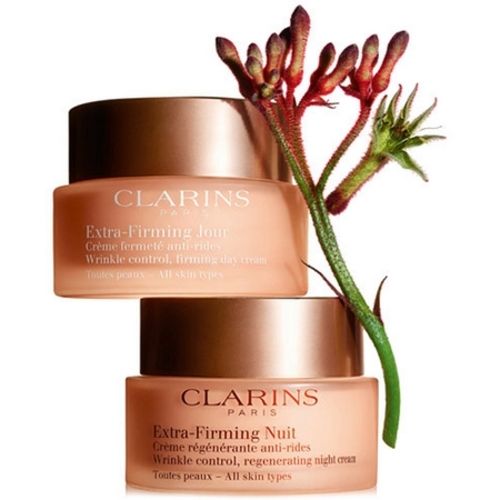
Clarins Extra-Firming: The Honest Adult Take on Firming Anti-Aging Cream
Clarins Extra-Firming has been the reference firming cream for adults over 35 for two decades. The honest assessment of what it does, what it doesn't, and where it fits in an adult routine.

Ferulic Acid for Adult Skin Over 40: The Underrated Antioxidant
Ferulic acid is the antioxidant that stabilizes vitamin C, extends UV protection, and gets ignored in mainstream skincare. The honest adult guide.