Skincare Mistakes That Age You Faster: The Adult Audit
Some skincare habits accelerate aging rather than slow it. Here's the practical audit — what to stop doing today and why.
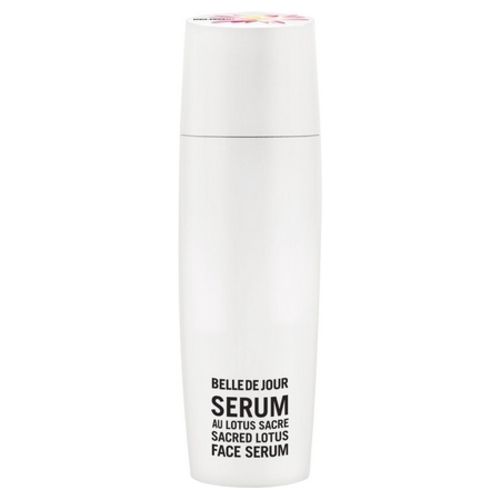
Many adults are accelerating their own aging through skincare habits that seem reasonable. The aggressive cleanser that feels effective is damaging the barrier. The "anti-aging" device that promises results is causing inflammation. The popular ingredient stacking that worked for a YouTuber is breaking down adult skin. The misinformation around skincare is significant, and adults often spend years compounding bad habits before realizing they're working against their goals.
For adults over 40 trying to slow the visible signs of aging, identifying and stopping bad habits often produces better results than adding new products. The compounding effect of removing daily damage often outpaces the benefit of adding any specific anti-aging product. This guide covers the most common skincare mistakes adults make, why they accelerate aging, and what to do instead.
The fast answer
The most-aging skincare habits: skipping sunscreen (single biggest accelerator of visible aging), over-exfoliating (damages barrier; triggers compensatory issues), using harsh foaming cleansers (strips lipids; damages barrier), aggressive retinoid use without proper introduction (damages instead of helping), heavy fragranced products (irritate and inflame), hot water washing (strips skin), going to bed without removing makeup or sunscreen (clogs pores; doesn't allow overnight repair), inadequate sleep (disrupts skin repair), chronic dehydration (compromises skin function), aggressive picking/squeezing of blemishes (causes scarring and inflammation), DIY treatments (lemon juice, baking soda, toothpaste — all damage skin), neglecting sun protection on the neck and hands, alcohol-based toners and astringents, and inconsistent application of effective ingredients (using retinoid 2x weekly inconsistently produces less benefit than 2x weekly consistently). The fix isn't adding new products; it's stopping the daily damage that compounds over years.
That's the structure. The texture is below.
The major aging-accelerator mistakes
1. Skipping sunscreen
The single most-impactful daily aging accelerator. UV damage causes 80-90% of visible aging signs. Skipping sunscreen — even on cloudy days, even indoors near windows, even in winter — allows daily damage that compounds dramatically over years.
What to do: Daily SPF 30+ sunscreen, year-round, regardless of weather. See sunscreen after 40: the non-negotiable.
For adults: the single most-impactful change you can make is committing to daily sunscreen. Even with all other skincare habits suboptimal, daily sunscreen dramatically slows visible aging.
2. Over-exfoliating
The "exfoliation will reveal younger skin" idea taken to extreme produces aged skin. Over-exfoliation damages the barrier, triggers inflammation, increases sebum production paradoxically, and ages skin faster than no exfoliation.
Signs of over-exfoliation:
- Tightness after cleansing
- Persistent redness
- Increased sensitivity to products
- More breakouts (paradoxically)
- Visible flaking despite moisturizer
- Skin that feels "shiny" or "tight"
What to do: Limit exfoliation. Salicylic acid 2-3x weekly (not daily). Glycolic acid 1-2x weekly maximum. Physical scrubs rarely or never for adult skin. If you have over-exfoliated, stop all exfoliation for 4-6 weeks and focus on barrier repair. See skin barrier repair after 40.
3. Foaming sulfate cleansers
Stripping cleansers damage adult skin barrier dramatically. The "squeaky clean" feeling is the sound of lipid layer damage.
What to do: Switch to gentle non-sulfate cleansers (CeraVe Hydrating, La Roche-Posay Toleriane, Vanicream). For oily-skin adults: gentler foaming cleansers without sulfates. Most adults benefit from cream or milk cleansers in evening; water or gentle cleanser in morning.
4. Aggressive retinoid introduction
Retinoids are the most-evidence-based anti-aging ingredient. But starting at high concentration or daily without barrier prep damages skin instead of helping.
Common mistake: Buying tretinoin 0.05% and using nightly from day 1. Result: barrier damage, peeling, redness, reactive skin for weeks.
What to do: Start with adapalene 0.1% (gentler OTC). 2x weekly to start. Build to nightly over 2-4 months. Apply over moisturizer initially (sandwich approach) if any irritation. See retinol for beginners after 40.
5. Heavy fragranced products
Fragrance is one of the top causes of skin irritation. Heavy fragranced moisturizers, body lotions, "natural" essential oils all trigger reactivity in many adults.
Signs of fragrance sensitivity:
- Inflammation patterns
- Persistent redness
- Reactivity to new products
- "Natural" products causing reactions
What to do: Choose fragrance-free formulations. Skip products with prominent fragrance in ingredient lists. Avoid "natural" essential oil-heavy products (lavender, citrus oils are common irritants despite "natural" marketing).
6. Hot water washing
Hot water strips skin lipids dramatically. The hot shower that feels good damages skin barrier.
What to do: Lukewarm water for face washing and showers. Limit shower duration to 5-8 minutes. See shower frequency after 40.
7. Sleeping with makeup/sunscreen on
Going to bed without removing makeup, sunscreen, and day's accumulation prevents overnight skin repair. Clogs pores. Allows trapped oxidation.
What to do: Always cleanse face before bed. Even if exhausted, micellar water cleansing wipes are better than nothing. See adult male bedtime routine.
8. Inadequate sleep
Skin repair happens primarily during deep sleep. Chronic poor sleep accelerates visible aging.
What to do: Prioritize 7-8 hours nightly. See why sleep affects how you smell for the broader sleep impact.
9. Chronic dehydration
Internal hydration matters more for skin than topical hyaluronic acid. Chronically dehydrated adults have visibly aged skin regardless of skincare routine.
What to do: Adequate water intake (sufficient that urine is pale yellow most of the day; varies by climate, exercise, individual). Limit dehydrating beverages (heavy alcohol, excessive caffeine).
10. Aggressive picking/squeezing of blemishes
Causes inflammation, scarring, hyperpigmentation, and broken capillaries. Each squeeze produces lasting damage.
What to do: Hands off face. Treat blemishes with appropriate topicals. Get extractions from professional if needed. Don't pick.
11. DIY treatments
Lemon juice, baking soda, toothpaste, vinegar, garlic — all damage skin. The "natural" framework doesn't apply; these are harsh chemicals on skin.
What to do: Use formulated products designed for skin. Skip Pinterest DIY skincare.
12. Neglecting neck and hands
Sun damage on neck and hands shows even when face is well-cared-for. Adults often have meaningfully different-looking face vs neck/hands from this neglect.
What to do: Extend skincare and sunscreen to neck and hands. See neck and décolletage care after 40 and hand care for adult men.
13. Alcohol-based toners and astringents
Strip skin lipids; trigger compensatory damage; provide no meaningful benefit. The astringent feel is barrier damage.
What to do: Skip toners with alcohol denat. If using toner, choose hydrating formulations (rose water, Glossier Solution, etc.) — though most adults don't need toner at all.
14. Inconsistent application
Using retinoid 3x in one week then forgetting for two weeks produces less benefit than using 2x weekly consistently. Skincare requires consistency to show results.
What to do: Build routines that fit your life. Imperfect consistency beats perfect occasional. See morning vs night skincare routine after 40.
15. Smoking
Dramatically accelerates skin aging through reduced blood flow, free radical damage, repeated facial expressions (lip pursing, squinting), and direct skin damage.
What to do: If you smoke, stopping at any age produces visible benefit within 6-12 months. The single most-impactful lifestyle change for skin aging.
16. Heavy alcohol
Dehydrates skin; disrupts gut microbiome (affecting skin); causes inflammation; affects sleep quality. Heavy chronic alcohol use produces visibly aged skin.
What to do: Moderate consumption. Adults with concerns can use national health guidelines as starting point.
17. Chronic stress without management
Cortisol damages skin barrier; ages cellular function; affects skin microbiome; disrupts sleep. See how stress affects skin and smell.
What to do: Stress management practices (whatever works — exercise, meditation, therapy, hobbies). Active intervention rather than enduring.
18. Constant face touching
Transfers bacteria and oils from hands to face. Triggers adult acne and inflammation. See hand hygiene and whole-body freshness after 40.
What to do: Awareness; reduce face touching consciously. Address triggers (chronic scalp itching, beard itching, eye dryness).
19. Wrong products for skin type
Heavy creams on oily skin clog pores; lightweight gels on dry skin don't moisturize enough. Mismatching products to your skin worsens problems.
What to do: Identify your skin type accurately. See skincare for oily skin after 40, skincare for dry skin after 40, sensitive skin after 40, skincare for men after 40: what's different.
20. Adding products without addressing fundamentals
Buying expensive serums while skipping sunscreen. Trying new actives while damaging barrier with harsh cleanser. The fundamentals matter more than premium additions.
What to do: Build foundation first: sunscreen + gentle cleanser + moisturizer + retinoid + niacinamide. Add premium products later if foundation is solid.
What to do instead — the corrective approach
For adults realizing they've been making mistakes:
Stop the daily damage
Address mistakes one at a time:
Week 1-2: Start daily sunscreen if you haven't been.
Week 3-4: Switch to gentle cleanser.
Week 5-6: Cut excess exfoliation to 1-2x weekly.
Week 7-8: Eliminate alcohol-based toners.
Week 9-12: Address other identified mistakes.
By 3 months: most damaging habits replaced with appropriate practices.
Build foundational routine
The basic adult routine:
- Daily sunscreen
- Gentle cleanser AM and PM
- Lightweight moisturizer
- Retinoid built up properly
- Niacinamide for support
See simple skincare routine after 40.
Address lifestyle inputs
The visible benefit from skincare requires:
- Adequate sleep
- Hydration
- Stress management
- Reduced alcohol/smoking
- Diet (omega-3s; vegetables; reduced ultra-processed food)
These foundational inputs matter more than any premium product. See how diet affects body odor, why sleep affects how you smell.
Be patient
Skin changes take months not weeks. Removing damaging habits + adding consistent good practices produces visible improvement over 6-12 months. Don't expect overnight transformation; the compounding works gradually.
Common misunderstandings
"Natural" automatically equals safe. Many essential oils irritate skin. Many DIY treatments damage. "Natural" framing is marketing; safety depends on specific ingredient and concentration.
Expensive products work better. Sometimes; often not. The Ordinary at $9 often works as well as $200 luxury option. Pay for actual evidence-based ingredients at adequate concentration.
More products = better skin. Often less is more. Simplified routines often outperform elaborate multi-product systems.
Pain or stinging means it's working. Almost always means it's irritating. Skincare shouldn't hurt.
Visible peeling is good. Some retinoid peeling is normal; chronic peeling means over-irritation. Adjust frequency.
Anti-aging starts at 30. Sun protection starts in childhood; specific anti-aging actives benefit from earlier introduction. By 30 is late for some interventions.
One bad day undoes weeks of routine. No. The compounding nature works both directions. Don't catastrophize occasional skipped days.
Skin can be "trained" to need less moisturizer. False. Skin produces sebum based on hydration and other factors; "training" by withholding moisturizer just damages barrier.
Anti-aging procedures are necessary after a certain age. Not necessary. Topical routine + lifestyle + occasional procedures (if desired) covers most adult needs. See cosmetic procedures after 40: what's worth it.
Specific mistakes by category
Cleanser mistakes
- Foaming sulfate cleansers
- Cleansing too aggressively (rough washcloths)
- Hot water
- Cleansing too frequently (over 2x daily for most adults)
- Wrong cleanser for skin type (heavy cream cleanser for oily; harsh foam for dry)
Moisturizer mistakes
- Skipping moisturizer (especially for oily skin)
- Heavy occlusive for oily skin
- Lightweight gel for very dry skin
- Applying to dry skin instead of damp
- Heavy fragranced moisturizers
Sunscreen mistakes
- Skipping entirely
- Only on sunny days (UV passes through clouds)
- Old expired sunscreen (replace yearly)
- Insufficient amount (most adults use way too little)
- Skipping reapplication after hours outdoors
Retinoid mistakes
- Starting too aggressive
- Combining with other harsh actives
- Using in morning (degrades under UV)
- Inconsistent application
- Stopping at first sign of purging (continue through; reduce frequency)
Eye area mistakes
- Heavy products that migrate into eyes
- Aggressive rubbing (eye area skin is thinnest)
- Skipping the area entirely
- Wrong concealer color amplifying issues
Lifestyle mistakes
- Smoking
- Heavy alcohol
- Chronic poor sleep
- Chronic stress without intervention
- Inadequate hydration
- High-glycemic diet
- Tanning beds ever
How to do the audit
For adults realizing they may be making mistakes:
Step 1: Honest assessment
Pull out every skincare product you currently use. Look at:
- Ingredient lists (fragrance? alcohol? harsh actives?)
- Application frequency (multiple actives same day?)
- How long you've been using each (replace expired)
Step 2: Identify likely mistakes
From this article's list, which apply? Most adults find 3-7 mistakes in their current routine.
Step 3: Prioritize fixes
Address one mistake at a time. Don't overhaul everything at once.
Priority order:
- Add sunscreen if missing
- Switch to gentle cleanser
- Reduce over-exfoliation
- Address lifestyle inputs (sleep, hydration)
- Build proper retinoid use
Step 4: Wait and observe
After 6-8 weeks of corrections, assess. Skin should be calmer, less reactive, better-toned.
Step 5: Iterate
Add or adjust based on results. Don't rebuild routine constantly; iterate based on actual observation.
When to see a dermatologist
If your skin has been significantly damaged by years of bad habits:
- Persistent reactivity to all products
- Chronic redness or inflammation
- Visible signs of barrier damage
- Conditions that haven't responded to corrected routine (acne, rosacea, eczema)
A dermatologist visit ($100-300) can accelerate the corrective approach with prescription topicals, professional advice, and possibly procedures to address accumulated damage.
How this fits with broader skincare framework
This article is the "what not to do" companion to the "what to do" framework:
- Simple skincare routine after 40 — what to do
- Skin barrier repair after 40 — recovering from damage
- Sensitive skin after 40 — managing reactivity from accumulated bad habits
- Anti-aging skincare in your 50s — what becomes possible with corrected routine
- Adult acne after 40 — addressing specific issues from past mistakes
- Cosmetic procedures after 40: what's worth it — addressing accumulated damage
For most adults: addressing the mistakes outlined here produces better skin within 3-6 months than adding any single new product would.
FAQ
What's the single most-aging skincare mistake? Skipping sunscreen. By a meaningful margin. Single daily intervention with the most impact.
Can I undo damage from years of bad habits? Substantially yes. Skin renewal is ongoing; correcting routine over months produces visible improvement. Some damage (deep sun damage, significant scarring) requires procedures; most surface issues respond to routine correction.
How long until I see improvement after stopping a bad habit? Varies by habit. Stopping aggressive exfoliation: 4-8 weeks for barrier recovery. Adding sunscreen: protective effect immediate; visible improvement over months. Stopping smoking: visible skin improvement within 6-12 months.
Should I throw out all my current products? Not necessarily. Audit ingredients; keep what's appropriate; replace what's problematic. Don't waste good products you already own. But don't continue using damaging ones to "use them up."
Are anti-aging serums even worth it? Quality ones, yes — vitamin C, niacinamide, retinoid, peptides have evidence. But they're complementary to the foundation, not replacements. A great serum on top of bad habits is wasted; foundational routine with modest serums beats premium serums with neglected foundation.
How do I know if I'm sensitive vs over-using actives? Sensitivity that emerged with new product = product issue. Persistent sensitivity across products = likely barrier damage from accumulated bad habits. See sensitive skin after 40 for the calming protocol.
Are professional facials worth getting? Modestly. Periodic facials (quarterly) can provide professional extractions, deep cleansing, and product application benefit. Not transformative; pleasant supplement to daily routine.
Should I see a dermatologist for general skincare advice? Worthwhile for adults with persistent issues. The $100-300 visit provides personalized assessment and prescription access. Many adults benefit from one diagnostic dermatologist visit then maintain with OTC.
Related guides: simple skincare routine after 40, skin barrier repair after 40, sunscreen after 40: the non-negotiable, retinol for beginners after 40, cosmetic procedures after 40: what's worth it.

How to Prepare Your Skin Before Summer: The Adult Pre-Sun Protocol After 40
Adults who treat summer skin protection as a day-of project lose ground every year. The honest pre-summer protocol that pays back for months of consistent outdoor exposure.
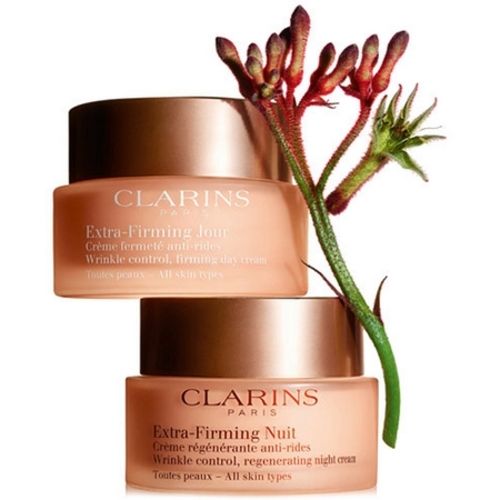
Clarins Extra-Firming: The Honest Adult Take on Firming Anti-Aging Cream
Clarins Extra-Firming has been the reference firming cream for adults over 35 for two decades. The honest assessment of what it does, what it doesn't, and where it fits in an adult routine.

Ferulic Acid for Adult Skin Over 40: The Underrated Antioxidant
Ferulic acid is the antioxidant that stabilizes vitamin C, extends UV protection, and gets ignored in mainstream skincare. The honest adult guide.