Eye Cream After 40: Do You Actually Need One?
Most eye creams are face moisturizers with smaller packaging and bigger markups. When dedicated eye products are worth it, when they're not, and what actually fades under-eye darkness, puffiness, and lines.
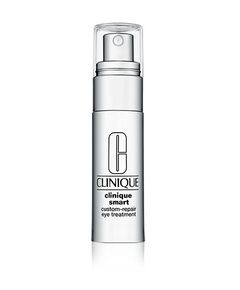
The under-eye area shows aging faster than any other facial zone. Skin is thinner, has fewer oil glands, and is constantly in motion (every blink, every facial expression). So the question "should I be using eye cream?" gets asked by almost everyone over 35 — and the answer the beauty industry wants you to hear ("yes, every adult needs a dedicated eye cream") is mostly wrong.
Most eye creams are face moisturizers in smaller packaging at higher per-ounce prices. The ingredients that actually help the eye area (retinoids, vitamin C, sunscreen, peptides) work equally well from your regular face products. The real exceptions — dedicated eye creams that earn their price — are a small subset addressing specific issues (severe under-eye darkness, deep crow's feet, post-procedure healing).
This is the honest guide: what under-eye aging actually is, when dedicated eye creams are worth the money, when your face moisturizer + retinoid covers it, what actually fades dark circles and puffiness, and the specific products worth (or not worth) buying. Pair with Simple Skincare Routine After 40, Retinol for Beginners After 40, Sunscreen After 40, Vitamin C Serum for Skin Over 40, and Anti-Aging Skincare in Your 30s for the surrounding system.
Why the under-eye area ages first
Three biological reasons:
- Thinner skin. Eye-area skin is roughly 40% thinner than the rest of facial skin. This makes underlying blood vessels and pigmentation more visible (dark circles), and shows wrinkles earlier than thicker zones.
- Fewer oil glands. The under-eye has very few sebaceous glands, which means less natural lubrication, faster moisture loss, and earlier dryness-related lines.
- Constant movement. You blink ~15,000 times daily and smile, squint, and emote with your eyes. Repeated mechanical stress on thin skin = earlier creasing.
These factors don't change with age — they just compound. Aging happens everywhere; it's visible at the eyes first.
The four types of under-eye concerns:
- Crow's feet (lateral lines from squinting and smiling)
- Under-eye lines (vertical or crepey lines, often dryness-related)
- Dark circles (genetic, vascular, or pigmentary)
- Puffiness (fluid retention or genetic fat pad displacement)
Each has different causes and different appropriate treatments — which is why a single "eye cream" rarely addresses all of them well.
What's actually in eye creams (and why most are unnecessary)
Pick up the eye cream you (or your partner) currently uses and read the active ingredients. You'll almost always find:
- Hyaluronic acid — moisturizer
- Peptides — minor wrinkle-supportive
- Caffeine — temporary depuffing
- Niacinamide — barrier support
- Vitamin C — antioxidant + pigmentation
- Retinol (small percentage) — anti-aging
- Various plant extracts — marketing
These are the same ingredients in face moisturizers and serums. The "eye cream" version is usually:
- Thicker / occlusive base to lock in moisture longer.
- Smaller jar to support higher per-ounce pricing.
- Different fragrance/preservative profile for ostensibly more sensitive skin.
- More marketing budget built into the price.
The actives that make a meaningful difference on the eye area — retinoids, vitamin C, sunscreen — come at much higher concentrations in your regular face products than in any eye cream. Translation: your existing face routine, applied gently to the eye area, does more than most dedicated eye creams.
When you actually need a dedicated eye cream
Three legitimate use cases:
1. Very sensitive eye-area skin
Some people's eye area reacts to face moisturizers (the fragrance, the active ingredients, the preservatives). For them, a fragrance-free, mild eye-area-specific cream (without retinoid or AHAs) makes sense.
Worth trying: CeraVe Eye Repair Cream, Vanicream Eye Cream.
2. Specific severe darkness from pigmentation
Genuine pigmentary dark circles (not just vascular shadow) can benefit from targeted treatment. Products with:
- High-concentration vitamin C (in eye-safe formulations)
- Niacinamide 5%+
- Tranexamic acid (newer, prescription-adjacent strength)
- Retinoid (mild) in an eye-area-tolerant base
Worth trying: SkinCeuticals A.G.E. Eye Complex, Skinmedica TNS Eye Repair.
3. Post-procedure or chronically dry under-eye
If you've had laser, Botox, fillers, or just have extremely dry eye-area skin year-round, a richer occlusive cream specifically formulated for the eye area protects and supports healing.
Worth trying: Drunk Elephant C-Tango Eye Cream, La Roche-Posay Toleriane Sensitive Eye Cream.
When your face routine is enough
For most adults the order of operations is:
- Cleanser — gentle, includes eye area
- Vitamin C serum in the morning — apply lightly around the orbital bone (not on the lid)
- Moisturizer — apply the same one you use on the rest of your face; pat gently into the orbital bone
- Sunscreen — non-negotiable; the eye area is sun-exposed and easily forgotten
- At night: retinoid — apply VERY lightly to the orbital bone area after 6+ weeks of using it elsewhere; skip directly on eyelid skin
This covers 90% of what dedicated eye creams claim to address, at a fraction of the cost.
What actually fades dark circles
The category most-targeted by eye-cream marketing — and the one where products often disappoint, because dark circles have multiple causes:
Vascular dark circles
Caused by visible blood vessels under thin skin. Often genetic.
- What helps: retinoids over months (thickens skin), niacinamide (improves circulation), sleep (reduces vasodilation).
- What doesn't: most "brightening" eye creams; topical caffeine helps temporarily but the vessels remain.
Pigmentary dark circles
Caused by melanin deposits in eye-area skin. More common on darker skin tones.
- What helps: vitamin C, hydroquinone (prescription), retinoid, tranexamic acid, daily sunscreen.
- What doesn't: brightening eye creams without these actives.
Structural dark circles
Caused by the orbital bone hollow casting shadow under the eye. Often genetic.
- What helps: dermal fillers (cosmetic procedure); no topical fixes the underlying anatomy.
- What doesn't: any eye cream alone.
Lifestyle dark circles
Caused by poor sleep, dehydration, alcohol.
- What helps: addressing the cause (sleep, hydration, less alcohol).
- What doesn't: any product.
For most adults, dark circles are a mix of these causes. The fix is a combination of skincare actives + lifestyle + (optionally) procedures, not a single eye cream.
What actually reduces puffiness
Eye puffiness has two main causes:
Fluid retention puffiness
Worse in the morning; subsides through the day. Often related to sleep position, salt intake, alcohol the night before.
- What helps: sleeping with head elevated, reducing alcohol and salt, cold compresses in the morning, caffeine-based eye creams (real but temporary effect).
- What doesn't: moisturizing eye creams alone.
Fat pad puffiness
Permanent age-related bulging of the orbital fat pad. Often genetic.
- What helps: dermal procedures (cosmetic), in extreme cases blepharoplasty (surgical fix).
- What doesn't: any topical product. Eye creams can't move fat.
Specific products: what's worth it across budgets
If you genuinely want a separate eye cream
- CeraVe Eye Repair Cream ($17) — drugstore, fragrance-free, gentle. Reasonable starter.
- The Ordinary Caffeine Solution 5% ($8) — caffeine for temporary depuffing.
- La Roche-Posay Pigmentclar Eyes ($45) — niacinamide + caffeine for combination concerns.
- SkinCeuticals A.G.E. Eye Complex ($110) — premium; addresses dark circles and lines together; pricey.
- Drunk Elephant C-Tango ($72) — vitamin C-focused for brightening.
What to skip
- Most luxury brand eye creams at $200+ — usually thicker face cream with bigger markup.
- Eye creams claiming "instant lift" — temporary tightening from film-forming polymers; no lasting effect.
- "Anti-aging eye serums" without specifying actives — generic moisturizing in higher-margin packaging.
- 24-karat gold eye creams or similar gimmicks — marketing.
The honest pick for most adults
Use your regular face moisturizer (CeraVe PM, La Roche-Posay Toleriane, Vanicream) gently on the eye area. Save the $50 you'd spend on eye cream and put it toward better sunscreen.
How to apply (technique matters more than product)
Five rules:
- Use your ring finger, not index finger. Ring finger applies the least pressure, which matters on thin skin.
- Pat, don't rub. Rubbing accelerates fine line formation over years.
- Apply to the orbital bone, not the lid. The product migrates upward as your face warms; applying directly to the lid risks getting product in the eye.
- Use a small amount. A pea-sized portion is enough for both eyes. More doesn't deliver more.
- Apply morning and night. Same as the rest of your skincare cadence.
For retinoid specifically: apply at night, after 6+ weeks of using retinoid elsewhere without irritation. Skip the eye area entirely if you experience retinoid sensitivity. See Retinol for Beginners After 40 for the ramp-up protocol.
Sun protection is the biggest variable
The under-eye area is one of the most-sun-exposed and most-frequently-skipped sunscreen zones. Three specific recommendations:
- Apply face sunscreen all the way to the orbital bone, not stopping at the eyelid line.
- Wear sunglasses during sun exposure — they protect the eye area from squinting (which deepens crow's feet) and direct UV.
- Look for face sunscreens specifically labeled "safe around eyes" if your regular SPF stings — these have modified formulations.
Sun damage is the largest single cause of premature eye-area aging. The full SPF context is in Sunscreen After 40.
How eye care fits the broader skincare system
The under-eye area is one zone of facial skin, not a separate skincare project. The interactions:
- With your retinoid routine — see Retinol for Beginners After 40. Eye area is the last zone to introduce retinoid; do so cautiously.
- With your sunscreen routine — see Sunscreen After 40. Don't skip the eye area.
- With your vitamin C routine — see Vitamin C Serum for Skin Over 40. Vitamin C helps under-eye pigmentation; apply gently to the orbital bone.
- With your overall skin baseline — see Simple Skincare Routine After 40. The fundamentals work the same on the eye area as elsewhere.
- With sleep and lifestyle — under-eye darkness and puffiness respond more to sleep quality than to any cream. See Why Body Odor Changes With Age for the broader sleep-and-lifestyle context.
Common mistakes
- Buying expensive eye cream as a status purchase. Save the money for better sunscreen and retinoid.
- Applying eye cream to the eyelid. Skip the lid; apply to the orbital bone area instead.
- Rubbing instead of patting. Accelerates fine line formation over decades.
- Skipping under-eye sunscreen. This is the actual lever for preventing eye-area aging.
- Expecting overnight or one-week results. Eye-area products work on the same 8–12 week timeline as the rest of skincare.
- Trying to fix structural issues with cream. Fat pad puffiness and bone-structure darkness don't respond to topicals; cosmetic procedures are the only fix if those bother you.
- Skipping the broader skincare and sun protection basics. Eye care without skin care is pointless.
When professional treatments make sense
Three categories where in-office procedures genuinely help:
For dark circles
- Tear trough fillers ($800–$2000) — hyaluronic acid filler in the under-eye hollow, addresses structural shadow.
- Chemical peels for pigmentary darkness.
- PRP (platelet-rich plasma) injections — emerging evidence for under-eye improvement.
For lines and crepiness
- Botox in the crow's feet area ($300–$500) — reduces lines from squinting.
- Microneedling — gradually thickens the dermis.
- Fractional laser — more aggressive resurfacing.
For puffiness
- Lower blepharoplasty (surgical eyelid lift, $4000–$8000) — permanent fix for fat pad puffiness.
These are options, not requirements. Many adults look great without any procedures by just consistently applying SPF and a good basic skincare routine for decades.
FAQ
Do men need eye cream? Same answer as women — usually no separate product needed. Face moisturizer applied gently to the orbital bone covers it.
What's the best eye cream under $30? CeraVe Eye Repair Cream is the standard recommendation. Gentle, effective, drugstore price.
Can I use my retinoid around my eyes? Yes, carefully. After 6+ weeks of nightly retinoid use without irritation elsewhere, you can include the orbital bone area. Skip the lid; skip if you have any retinoid sensitivity.
What about dark circles from genetics? Topicals help modestly; the structural component (orbital bone shadow) doesn't respond to creams. Cosmetic procedures (tear trough filler) are the effective fix.
Will sleeping better really reduce my dark circles? Yes, often dramatically. Consistent 7+ hour sleep + reduced alcohol shows in 2–3 weeks.
Should I get tear trough fillers? Reasonable choice for adults with significant structural dark circles. Find an experienced injector; the eye area is technically demanding. Cost: $800–$2000 per session; lasts 6–18 months.
Is rolling caffeine eye serum worth it? Caffeine has real but temporary depuffing effect (1–2 hours). Good for morning meetings; not a lasting fix.
Will face oils help my under-eye area? Most face oils are too heavy for eye-area skin. Use specifically eye-safe formulations or stick with your regular face moisturizer.
What about gua sha or facial massage? Some evidence for temporary lymphatic drainage benefit. Not a substitute for actives; nice ritual if you enjoy it.
Are 'collagen' eye masks worth it? Mostly hydration + occlusive. Pleasant feel; minimal lasting effect from the collagen content (collagen molecule is too large to penetrate skin).
Does an eye cream help under-eye bags from allergies? Allergies need allergy treatment (antihistamines, environmental control). Eye creams don't fix allergic puffiness.
For the surrounding skincare system, see Simple Skincare Routine After 40, Anti-Aging Skincare in Your 30s, Retinol for Beginners After 40, Sunscreen After 40, and Vitamin C Serum for Skin Over 40. For the broader presentation system, The Adult Grooming Checklist, How to Look Fresh Without Trying to Look Young, and the fragrance frameworks in Best Fragrances for Men Over 40 and Best Fragrances for Women Over 40 cover the rest.

How to Prepare Your Skin Before Summer: The Adult Pre-Sun Protocol After 40
Adults who treat summer skin protection as a day-of project lose ground every year. The honest pre-summer protocol that pays back for months of consistent outdoor exposure.
Clarins Extra-Firming: The Honest Adult Take on Firming Anti-Aging Cream
Clarins Extra-Firming has been the reference firming cream for adults over 35 for two decades. The honest assessment of what it does, what it doesn't, and where it fits in an adult routine.

Ferulic Acid for Adult Skin Over 40: The Underrated Antioxidant
Ferulic acid is the antioxidant that stabilizes vitamin C, extends UV protection, and gets ignored in mainstream skincare. The honest adult guide.