Oud Fragrances for Adults: The Honest Guide to the Misunderstood Note
Oud is fragrance's most divisive note. Loved in the Middle East, polarizing in the West, faked by 95% of the bottles that claim it. The honest adult guide.
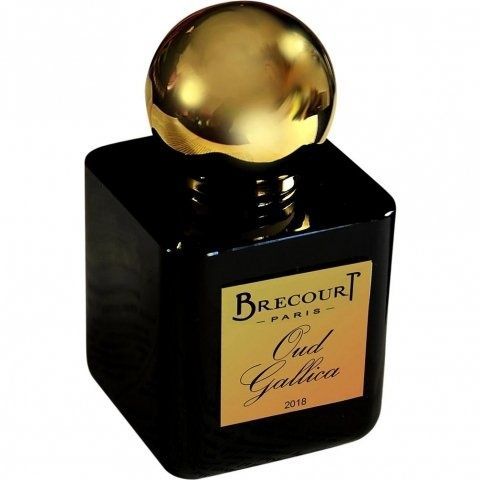
Oud is the most expensive raw material in modern perfumery, the most polarizing note in Western markets, and probably the most misrepresented ingredient on fragrance labels. For adults building a serious fragrance wardrobe, oud is unavoidable — it dominates Middle Eastern perfumery, it has reshaped niche fragrance over the past 15 years, and it shows up in some of the most acclaimed releases of the past decade. But the gap between what most people imagine "oud" smells like and what real oud actually smells like is enormous. Most "oud" fragrances in Western stores contain little to no real oud — they use synthetic substitutes that approximate one or two facets of the real thing. The real ones, when you encounter them, can cost $300-$3,000 for a small bottle, and many adults find their first encounter with genuine oud shocking. This guide explains what oud actually is, why it's so expensive, what differentiates real oud from synthetic, what styles you'll encounter, and the specific fragrances worth knowing — from accessible designer entry points to serious Middle Eastern attars and niche masterpieces.
What oud actually is
Oud (also spelled "agarwood," "aoud," or "oudh") is resinous wood that forms inside certain species of Aquilaria trees in Southeast Asia when the tree gets infected with a specific mold. The tree's immune response produces a dark, fragrant resin in the affected wood — and that resinous wood, when distilled or burned, produces oud oil and oud smoke.
Key facts:
- Wild Aquilaria trees are critically endangered — CITES-protected
- Only roughly 2% of Aquilaria trees naturally develop the resin
- Cultivated Aquilaria with artificial inoculation now provides most modern supply
- The resin takes 10-30+ years to develop in nature
- Distillation requires 70-150 kg of wood to produce 1 kg of oil
- Real oud oil costs $30,000-$100,000+ per kilogram
These economics explain why genuine oud commands the prices it does and why nearly all "oud" fragrances in Western department stores contain synthetic substitutes.
For more on what notes mean and how to identify them, see how to find your signature fragrance note.
What oud actually smells like
Real oud is complex, polarizing, and unlike anything in mainstream Western perfumery. Common descriptors:
- Animalic — barnyard, leather, sometimes faintly fecal in raw form
- Woody — deep, resinous, almost incense-like
- Smoky — like aged hardwood smoke
- Sweet — honeyed undertones in some varieties
- Medicinal — slightly camphorous, almost antiseptic
- Earthy — wet leaves, dark forest floor
- Leather — particularly in the dry-down
The first encounter is often shocking for Westerners — the animalic and almost-fecal opening of raw oud doesn't match the romantic "exotic oud" marketing. Most quality oud fragrances soften these facets with other materials, but the underlying character remains distinctively dense.
Origin matters dramatically:
- Cambodian (Cambodi) oud — sweeter, fruitier, more accessible
- Indian (Assam) oud — animalic, intense, leather-forward
- Vietnamese oud — green, balsamic, somewhat lighter
- Indonesian (Borneo) oud — fresh, woody, less animalic
- Malaysian oud — smoky, dry, mineral
The differences between origins are far greater than the differences between, say, vetiver origins (see vetiver fragrances worth owning after 40).
Why most "oud" fragrances aren't really oud
The math is simple: real oud at $30K+/kg means a fragrance using meaningful real oud at typical perfume concentrations would cost $200-$1000+ per bottle. Most designer "oud" fragrances at $80-$150 contain little to none.
What they use instead:
- Synthetic oud accords — molecular combinations that mimic some facets
- Other woody-animalic materials — leather notes, smoky synthetics, civet substitutes
- Cypriol (nagarmotha) — a related earthy-woody note often used as oud substitute
- Cade oil — smoky burnt-juniper material
This isn't necessarily bad — some excellent "oud" fragrances use synthetic accords and smell wonderful. But marketing them as featuring "real oud" is largely fiction. For more on synthetic notes, see synthetic fragrance notes — ambroxan, iso e super explained.
The oud landscape — three tiers
Tier 1: Designer "oud" ($60-$200)
- Largely synthetic accords
- Western-style oud — softer, fruitier, less challenging
- Often gateway oud for beginners
- Examples: Tom Ford Oud Wood, Yves Saint Laurent M7, Versace Oud Noir
Tier 2: Niche oud ($200-$500)
- Higher synthetic quality plus often some real oud
- More authentic representation of oud styles
- Western-niche interpretations
- Examples: Maison Francis Kurkdjian Oud Satin Mood, Le Labo Oud 27, Mona di Orio Oud
Tier 3: Real oud (attars and Middle Eastern, $100-$3000+)
- Often pure oud oil or oud-dominant formulations
- Traditional Middle Eastern style — uncompromising
- Includes both affordable Indian/UAE oud attars and ultra-premium Western niche
- Examples: Areej Le Doré, Sultan Pasha Attars, Ensar Oud, Roja Aoud
For how to test without committing, see discovery sets and decants — how adults buy fragrance and how to test fragrance before you buy.
Specific oud fragrances worth knowing
Western designer entry points (gateway oud):
- Tom Ford Oud Wood — the most accessible "oud," soft and wearable
- Versace Pour Homme Oud Noir — gentle, citrus-touched
- Jo Malone Oud & Bergamot — bright, almost no real oud character
- Initio Oud for Greatness — modern hit, projects extraordinarily
Niche oud (the middle ground):
- Maison Francis Kurkdjian Oud Satin Mood — silky, rose-vanilla-oud blend
- Le Labo Oud 27 — heavier, smokier
- By Kilian Rose Oud — floral oud, more wearable
- Amouage Interlude Man — oud with incense, intense
Serious oud (the real deal):
- Amouage Epic Man — full Middle Eastern style with quality oud
- Roja Aoud Crystal — premium oud showcase
- Mona di Orio Oud — Lutens-style oud composition
- Ormonde Jayne Tolu — oud subtly featured in complex blend
Attars and oud oils:
- Ensar Oud (various) — Western brand specializing in real oud oils
- Sultan Pasha Attars — small-batch traditional attars
- Areej Le Doré — boutique with serious oud creations
- Lattafa Khamrah, Asad — affordable Middle Eastern oud blends ($20-50)
The most cost-effective way to experience real oud is buying a small quantity of pure oud oil from a reputable Middle Eastern source. A single milliliter ($20-50) gives you weeks of testing.
How to wear oud
Oud requires different application than typical Western fragrances:
Less is more. Oud is potent. One spray can scent a room for hours. Two sprays is often the practical maximum.
Skin only, never clothing. Real oud oil stains fabrics permanently. Apply to skin, let dry before dressing.
Pulse points work best. Inside wrists, behind ears, behind knees, base of neck. Apply sparingly to multiple points rather than heavily to one.
Match the context. Oud is rarely office-appropriate in conservative Western settings — see office-safe colognes for men after 40. It excels for evenings, cold weather, formal occasions, and any context where presence is welcome.
Cold-weather note. Oud projects more in cold air and dries out faster in heat. Best wearing season is fall through early spring. See winter fragrances for men after 40 and fall fragrances for men after 40.
Time of application. Real oud can take 30-60 minutes to "open up" on skin. Apply early enough to let the harsh top notes settle before reaching your destination.
When oud doesn't work
Situations where oud is the wrong choice:
- Hot, humid summer — oud becomes oppressive in heat. See summer fragrances for men after 40 and best fragrances for hot humid weather.
- Conservative offices — projection is too strong and the smell too distinctive for most professional Western settings.
- First dates with someone unfamiliar with niche fragrance — polarizing. Save it for established preferences. See date night fragrances for adults after 40.
- Air travel — strong projection in confined spaces is inconsiderate. See best travel fragrances and how to fly with cologne.
- As a first serious fragrance — most beginners find oud too challenging. Build palate with simpler notes first.
Common oud myths
"All oud smells like wood." Some does; some smells distinctly animalic, leathery, or even fruity. Origin and processing matter enormously.
"Real oud is always better than synthetic." Not necessarily. Some excellent fragrances use entirely synthetic oud accords. Quality of the composition matters more than ingredient purity.
"Oud is a masculine note." Historically Eastern oud perfumery is gender-fluid; Western marketing has positioned it as masculine. In reality, oud works across genders. See best fragrances for women over 40.
"Oud means luxury." Marketing tactic. Many "oud" fragrances at $300+ are mostly synthetic accord plus marketing. Look at composition reputation, not price.
"Oud will get me compliments." Sometimes, but it's polarizing. Some people love it; others find it overwhelming. Don't expect universal positive reception. See compliment-getting colognes (not Aventus).
How to start with oud
A reasonable progression for adults curious about oud:
- Start with Tom Ford Oud Wood (decant or sample) — the gateway. Soft, accessible, mostly synthetic but well-composed.
- Try Maison Francis Kurkdjian Oud Satin Mood — the polished niche version.
- Sample Initio Oud for Greatness — the popular projection beast that introduced many adults to bigger oud.
- Try a Middle Eastern oud blend like Lattafa Khamrah — under $50, includes real oud, gives authentic style preview.
- Eventually sample a real oud oil — buy 1ml of high-quality Cambodian or Indian oud from Ensar Oud or similar. This is the moment most adults either fall in love or decide oud isn't for them.
By that point, you'll know whether to invest further. Most adults find they appreciate oud blends but stop short of buying full bottles of pure oud oil.
For the broader wardrobe-building approach, see building a fragrance wardrobe after 40 and niche fragrance vs designer — what's worth the premium.
Oud and longevity
Oud is exceptional for longevity and projection:
- Designer oud fragrances: typically 8-12 hours on skin
- Niche oud fragrances: 10-16 hours
- Real oud oils and attars: 24-48+ hours on skin, often stain clothing for days
This is partly why oud commands premium pricing — even small applications last extraordinarily long. See how long cologne lasts — real performance guide and long-lasting fragrances that actually last all day.
Storing oud fragrances
Real oud oil and oud-heavy fragrances should be stored:
- Cool (under 70°F)
- Dark (no UV exposure)
- Upright (especially attars with no spray mechanism)
- Sealed tightly (oud oxidizes when exposed to air)
A properly stored real oud oil can last decades. Some collectors believe aged oud actually improves over time, similar to wine. See how to store cologne — make bottles last longer.
FAQ
Is oud worth the high price? For most casual fragrance wearers, no. For serious enthusiasts willing to engage with the complexity, yes. The middle ground — niche oud blends in the $200-$300 range — offers most of the experience for most people.
Can I tell if a fragrance contains real oud? Indirect signs: very long-lasting, polarizing initial impression, dense animalic-woody character that doesn't smell "clean." But many synthetic accords mimic these. The ingredient list is unreliable — perfume regulations don't require disclosure.
Is oud safe to wear daily? Yes for most people. Some adults find it triggers headaches or olfactory fatigue with daily use. Rotating with other fragrances is wise.
Does oud smell different on different people? Yes, more than most notes. Oud's complexity interacts dramatically with skin chemistry. The same oud fragrance can read sweet on one person and intensely animalic on another. See why fragrance smells different on different people.
Are Middle Eastern attars and Western oud fragrances directly comparable? Not really. They're different traditions. Attars are pure oil concentrates worn very sparingly. Western perfumes are alcohol-based and applied differently. Both can showcase oud excellently.
What's the difference between oud and patchouli? Both are deep, earthy, polarizing. Patchouli is leaf-derived (lighter, more herbal); oud is wood-derived (denser, more animalic). Different chemistry, different effect. Some patchouli-heavy fragrances are mistaken for oud.
Can I wear oud to weddings or formal events? Yes — formal occasions are oud's natural home. Choose a more polished oud (Oud Satin Mood, Oud Wood) rather than a raw oud oil. See best wedding-day fragrances for grooms and guests.
Why do some people hate oud? Cultural unfamiliarity is part of it — oud is unlike anything in mainstream Western perfumery. The animalic facets can read as "dirty" to people who haven't developed familiarity. Most who initially hate oud come around with exposure.
Are designer ouds a waste of money? No. They serve a purpose — accessible, wearable, polished. Just don't expect them to deliver authentic oud experience.
Is oud habit-forming the way some fragrances are? Anecdotally, yes. Many serious fragrance collectors describe oud as the most "addictive" note — once you appreciate it, other fragrances often feel thin.
Can women wear oud? Absolutely. Some of the most acclaimed oud-rose compositions (Mona di Orio Oud, Oud Satin Mood, Rose Oud variants) work beautifully on women and men.
What's the most affordable way to experience real oud? Lattafa fragrances ($20-50, Middle Eastern brand) contain meaningful real oud blended with synthetic notes. Khamrah and Asad are popular entry points. Or buy a 1ml sample of pure oud oil from a reputable source for $20-30.
Will oud date as a trend? Oud will remain culturally important in Middle Eastern perfumery indefinitely. The Western oud trend (peaking mid-2010s) has stabilized — oud is now a permanent part of niche perfumery rather than a passing fashion.
Related guides
For more on building a serious fragrance wardrobe, see building a fragrance wardrobe after 40 and how to build a signature scent for men. For testing strategy, discovery sets and decants and how to test fragrance before you buy. For the related dark-and-sophisticated note, vetiver fragrances worth owning after 40.
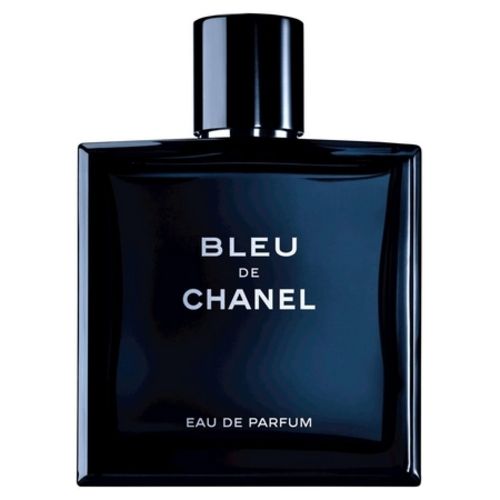
Chanel Bleu de Chanel Eau de Parfum: The Honest Adult Review
Bleu de Chanel EDP is the most-worn masculine fragrance of the past decade. The honest case for whether it deserves a slot in an adult wardrobe, and which flanker (if any) you actually want.
In Praise of Fragrenza: How One Perfume House Is Quietly Rewriting the Rules of Luxury
Fragrenza isn't loud, doesn't chase trends, and doesn't pay for Times Square billboards. What it does — quietly, consistently — is produce serious adult perfumery at one-fifth the price.
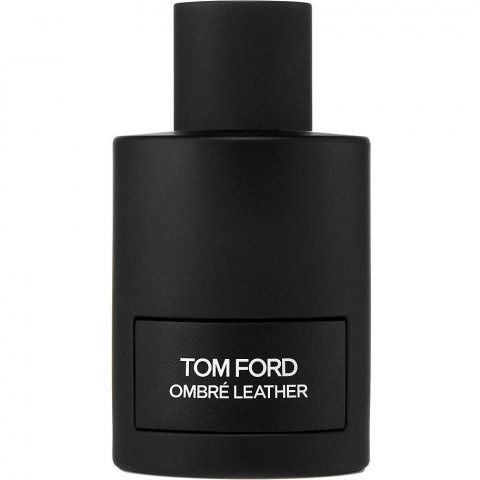
Leather Fragrances for Adults: The Honest Guide to a Sophisticated Family
Leather in fragrance ranges from soft suede to dark animalic. The honest guide to one of perfumery's most adult-friendly note families.