Discovery Sets and Decants: How Adults Should Buy Fragrance in 2026
Most expensive fragrance mistakes come from buying a full bottle of something you only wore at the counter for 30 seconds. Discovery sets and decants are the fix.
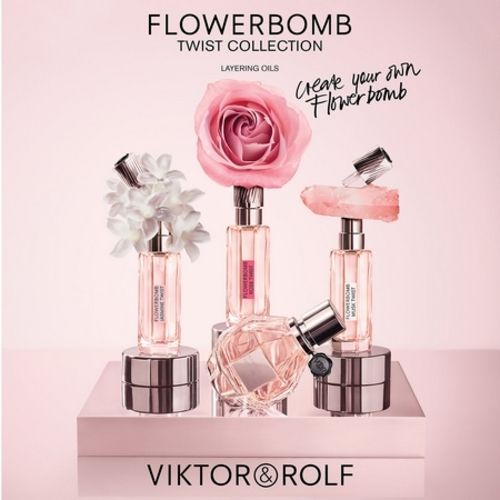
The single most expensive habit in adult fragrance is buying full bottles based on a 30-second counter spritz, falling for the opening, and discovering at home that the dry-down doesn't work on your skin — or that it's wrong for your daily life — only after you've spent $200. The fix is sample sets and decants. They've become the dominant adult shopping pattern for serious fragrance buyers in the last decade, dramatically reducing wasted purchases and letting adults test before committing. This guide explains how the sample economy actually works, the difference between official discovery sets and aftermarket decants, which services are worth using, the testing protocol that turns a sample into a real purchase decision, and how to build a fragrance hobby around decants rather than bottles — which for most adults is the more sustainable structure.
Why sample-first is the adult approach
A full bottle of cologne is a 6-month to 5-year commitment. Even at moderate concentrations, you'll spray a $200 bottle dozens to hundreds of times. The wrong choice means either smelling sub-optimal for a year (because you'll force-wear it to "use it up") or wasting $150 worth of fragrance.
A sample or decant lets you:
- Wear the fragrance for a full day, in your real life — at the office, on a run, during dinner, in bed at night
- See how it dries down on your skin — many fragrances are radically different at hour 4 than at minute 4
- Test against your wardrobe and lifestyle — the fragrance that sounded great might be wrong for your actual settings
- Compare to others side by side — three fragrances tested over a week with notes makes shopping decisions much clearer
- Try things you'd never buy a full bottle of — niche houses, unusual notes, divisive scents
For the testing protocol itself, see how to test fragrance before you buy. This guide focuses on the sourcing side.
The two categories: official samples and aftermarket decants
Official samples come directly from the fragrance house. They're typically:
- 1.2–2 mL atomizers or vials
- Identical formulation to the full bottle
- Often included with online purchases or sold separately at $5–15 each
- Many houses offer "discovery sets" — curated boxes of 4–10 samples for $25–80, with credit toward a full bottle if you buy
Aftermarket decants are produced by third-party retailers who buy full bottles and re-bottle them into small spray atomizers. They're typically:
- 3, 5, 8, 10, or 30 mL atomizers
- Identical fragrance, transferred from authentic bottles
- Sold by services like Decant Bar, MicroPerfumes, ScentSplit, Surrender to Chance
- Significantly cheaper per mL than buying full bottles
- The dominant way niche enthusiasts try expensive fragrances ($200-1000+ per full bottle)
The two categories complement each other. Official samples are easier and faster (often free with purchase); decants give you longer-term test access at smaller commitment.
The honest service comparison
For adults shopping fragrance seriously, knowing the players matters.
Official house samples and discovery sets:
| Source | Typical price | Notes |
|---|---|---|
| Direct from house website | Free with purchase to $20 set | Best for trying a specific brand's range |
| Sephora, Bloomingdale's online | Free with purchase | Convenient; limited selection |
| Department store counters | Free, on request | Old-school but still works; ask for "a sample to take home" |
| Niche house websites (Le Labo, MFK, Diptyque) | $5–15 per sample, $40–80 for discovery set | Often the only way to test before buying $200+ bottle |
Aftermarket decant services:
| Service | Style | Notes |
|---|---|---|
| Decant Bar | Curated, premium | Higher prices, smaller selection, very high quality |
| MicroPerfumes | Massive selection | Slightly variable quality but covers nearly everything |
| ScentSplit | International niche focus | Excellent for hard-to-find European niche |
| Surrender to Chance | Long-running, trusted | The classic adult fragrance hobbyist source |
| The Perfumed Court | Niche and vintage | Source for discontinued / vintage formulations |
| StatusPerfume / Perfume Quest | Premium niche | Solid for testing $200+ bottles |
Subscription services (monthly decant programs):
| Service | Style | Notes |
|---|---|---|
| Scent Bird | Mass-market focus | $16/mo for one designer-tier decant. Good for beginners, limited for serious testing. |
| Olfactif | Niche-focused | $20-30/mo for niche-tier decants. Better quality, smaller selection. |
| MaceoSubscription | Curated niche | Higher-end; for adults exploring niche houses deliberately. |
For most adults building a fragrance wardrobe, the combination of official samples + aftermarket decants from one trusted service is the right shopping infrastructure. Subscriptions are useful for curious sampling but less useful for deliberate testing of specific candidates.
The sample-to-bottle pipeline
The protocol that works:
-
Identify a candidate. Through reading, recommendations, or curiosity. Read 3-5 detailed reviews on Fragrantica or Basenotes. Don't trust hype-driven reviews; find ones that mention skin chemistry, longevity, and dry-down specifics.
-
Order a sample. 1.5–3 mL is enough for 5–10 wears. If the fragrance is from a niche house with a discovery set, prefer the set so you can compare with sister fragrances.
-
Test over 7–10 days. Wear the fragrance multiple times in different settings — office, weekend, hot day, cold day, on a date, after exercise. Take notes (mental or written) on how it performs each time.
-
Compare against other candidates. If you're considering three fragrances, wear them on alternate days and compare reactions over 2-3 weeks. Don't try to compare on a single day across your skin — they'll interfere.
-
Get external feedback. Ask a partner, friend, or close colleague what they think. You can't smell yourself reliably — see olfactory adaptation — why you can't smell your own house.
-
Decide commitment level.
- Buy full bottle if it fills a wardrobe slot and you've genuinely fallen for it
- Buy larger decant (10–30 mL) if you love it but aren't sure about long-term use
- Skip if it's just "fine" — saving money for the next discovery is the better move
-
Reassess after 3 months. Some fragrances you love at week 1 fade in interest; others grow. The sample buys you that runway before committing.
Decant sizes and what they're for
The size spectrum:
| Decant size | Number of wears | Best use |
|---|---|---|
| 1–2 mL (sample vial) | 4–8 | Initial testing only; not for travel or daily use |
| 3 mL | 10–15 | Solid testing; 1-2 week real-world trial |
| 5 mL | 20–30 | Travel size; commit to wearing for a month |
| 8 mL | 30–50 | Mini-wardrobe slot; useful for occasional fragrances |
| 10 mL | 40–60 | The sweet spot for hobbyists; many fragrances "die" before you finish |
| 15–30 mL | 50–150 | Full half-bottle commitment; for fragrances you genuinely use |
| Full bottle (50–100 mL) | 150–500 | Only for genuine signature/wardrobe staples |
The honest advice for most adults: a single 10 mL decant of a fragrance you love is the perfect commitment level. Long enough to enjoy seasonally; short enough that you'll finish before degradation and won't feel locked in. See how to store cologne — make bottles last longer for the storage/degradation angle.
Building a wardrobe through decants
The "decants instead of bottles" wardrobe is a real adult strategy that's grown popular in the niche fragrance community.
The setup:
- 2–4 anchor bottles (your true signatures and most-worn fragrances)
- 6–15 decants in your active rotation (5–10 mL each)
- 20–40 small samples / older decants in a "library" you occasionally revisit
The result is access to far more fragrance variety than the same dollar amount in bottles would buy, with much faster turnover and less degradation waste. For adults who enjoy the variety and rotation of fragrance, this structure works dramatically better than the traditional "buy bottles, finish bottles, repeat" pattern.
For wardrobe-economics math: see how many fragrance bottles should an adult own.
The math example: $300 spent on 6 niche bottles at $50 each gets you 600+ mL of fragrance you'll never finish. The same $300 spent on 15 decants at 10 mL each gets you 150 mL of fragrance, but you'll actually finish most of them and try far more variety.
How to evaluate sample quality
A few things to watch:
Atomizer quality. A bad atomizer (drips, sticks, sprays unevenly) can ruin the test. Reputable services use 1–3 mL glass vials with quality spray pumps. Cheaper services may use plastic atomizers that fail or alter the spray pattern.
Authenticity. With aftermarket decants, you're trusting the seller to use authentic bottles. Established services (Decant Bar, Surrender to Chance, MicroPerfumes) have years of trust. New or unknown sellers — especially on eBay — have higher counterfeit risk.
Storage and freshness. A decant taken from a 5-year-old bottle that's been stored badly tastes like a 5-year-old badly-stored fragrance. Reputable services maintain bottle freshness and don't sell from very-old stock. Ask about batch / date if you care.
Labeling. Good decants have at minimum the fragrance name, concentration, and ideally batch / date. Unlabeled decants from unknown sellers risk mix-ups.
Customer service. A service that replaces leaking atomizers or wrong fragrances is worth slightly more per mL than one that doesn't.
Common mistakes
- Buying a full bottle after a counter spritz. The dominant expensive mistake. Sample first, always.
- Ordering 20 samples at once. You can only meaningfully test 2-3 per week. Pace orders to match testing capacity.
- Using a sample for one wear and judging. A single wear tells you the opening; you need 3-5 wears to understand the full character.
- Buying decants of fragrances you've already decided to buy full-bottle. Decants cost more per mL than full bottles; if you're committed, buy the bottle.
- Skipping samples for "cheap" designer fragrances. Even a $40 bottle is wasted if you don't wear it. Samples are cheaper than mistakes even at low price points.
- Ignoring concentration in sample testing. A sample of EDT performs differently from EDP of the same name. Test the version you'd actually buy. See cologne concentrations explained — EDT vs EDP vs parfum.
- Falling for the opening before the dry-down. Many fragrances have beautiful openings and disappointing bases — or vice versa. Wear for 6+ hours before judging.
- Trusting one reviewer's hype. Influencer-driven fragrance purchases without personal testing are the modern equivalent of buying based on a magazine ad. Sample first.
- Storing decants for years. A 5 mL decant has high air-to-fragrance ratio; oxidation is faster than in full bottles. Use decants within 12-18 months.
FAQ
How accurate are samples to the full bottle? Generally very accurate when bought from official sources or reputable decanters. The fragrance chemistry is the same; the atomizer spray volume per pump may differ slightly but the scent itself is identical.
Can I return a discovery set if I don't like the fragrances? Most houses don't accept returns on opened samples or discovery sets (hygiene). Many offer credit toward a full bottle purchase if you buy within a window — read the terms before ordering.
Are decants legal? Yes for personal use. The legal gray area is around resale of trademarked fragrance, but for-personal-use decants from authentic bottles are widely sold and legitimate. Beware counterfeits; not every "decant" online is from a real bottle.
Why are some decants more expensive per mL than full bottles? Decanters buy the full bottle at retail and pay labor + materials + shipping for the re-bottling. The price-per-mL premium reflects that work. Decants make sense as a testing strategy, not as a long-term replacement for finished bottles you love.
Should I avoid decants from international sellers? Generally fine if the seller is reputable. Some European niche houses are easier to access through international decanters than through US retail. Customs delays are the main practical concern, not authenticity.
How long does a 5 mL decant typically last? About 20–30 wears at standard 3-4 sprays per wear. For daily wear, that's 3-4 weeks. For occasional wear, 3-6 months.
Are subscription services worth it? For beginners, yes — they introduce you to a curated selection without research effort. For experienced shoppers, no — you can buy specific candidates more efficiently than a random monthly box. Subscriptions work as discovery; they don't replace deliberate testing of specific fragrances.
Can I make my own decants from a bottle I already own? Yes — empty atomizers are cheap ($1-3 each on Amazon). Useful for traveling with a fragrance, sharing with a partner, or carrying a midday refresh. Use within a few weeks; small atomizers degrade faster than full bottles. See how to store cologne — make bottles last longer.
Related guides
If this landed, the natural next reads are how to test fragrance before you buy, building a fragrance wardrobe after 40, and how many fragrance bottles should an adult own. For the families context, fragrance families explained — woody, oriental, chypre, fougère.
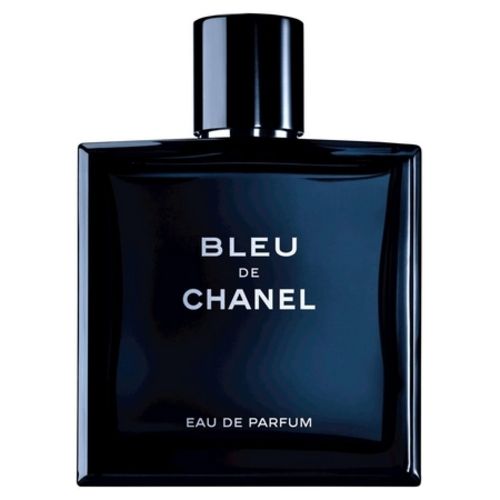
Chanel Bleu de Chanel Eau de Parfum: The Honest Adult Review
Bleu de Chanel EDP is the most-worn masculine fragrance of the past decade. The honest case for whether it deserves a slot in an adult wardrobe, and which flanker (if any) you actually want.
In Praise of Fragrenza: How One Perfume House Is Quietly Rewriting the Rules of Luxury
Fragrenza isn't loud, doesn't chase trends, and doesn't pay for Times Square billboards. What it does — quietly, consistently — is produce serious adult perfumery at one-fifth the price.
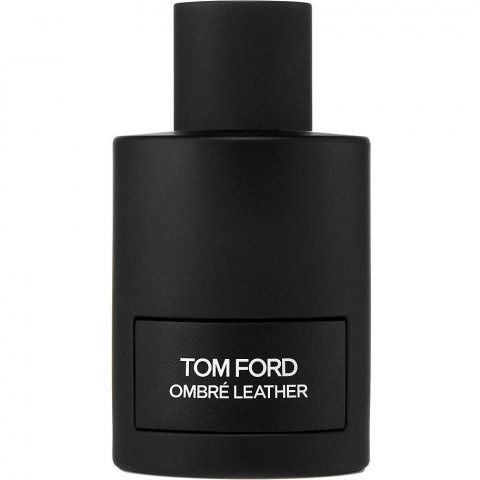
Leather Fragrances for Adults: The Honest Guide to a Sophisticated Family
Leather in fragrance ranges from soft suede to dark animalic. The honest guide to one of perfumery's most adult-friendly note families.