Synthetic Fragrance Notes Explained: Ambroxan, Iso E Super, and the Modern Molecules That Shape Cologne
If a fragrance smells weirdly familiar across brands, it's probably the same synthetic. The molecules that quietly shape modern cologne — and which ones to recognize on your own skin.
Most modern cologne smells the way it does because of a handful of synthetic aromatic molecules invented in the 20th and 21st centuries. They have weird industrial names — ambroxan, Iso E Super, hedione, calone, ethyl maltol — and most fragrance buyers have never heard of them despite encountering them in every bottle they own. These molecules are the workhorses of contemporary perfumery: they extend longevity, create the signature "modern" smells that didn't exist before they were synthesized, and produce the strange phenomenon where two different fragrances from different houses can smell almost identical because they share a dominant synthetic. Knowing them changes how you understand what you're smelling — both in fragrances you love and ones that disappoint you. After 40, the adult appreciation of fragrance often deepens by moving past brand names toward the actual chemistry that's doing the work. This guide explains the most important synthetic notes in modern cologne, what they smell like, which fragrances feature them, and why they matter to your wardrobe decisions.
Why synthetic notes matter
Perfumery before the late 19th century used almost exclusively natural materials — essential oils from plants, animal-derived compounds (musk, civet, ambergris), resins, distilled flower extracts. The development of synthetic aromatic chemistry transformed the industry. Synthetics offered:
- Materials nature couldn't provide. Many classic notes (clean musk, modern aquatic, certain leather accords) don't exist in nature in usable form.
- Consistency. Natural materials vary by harvest, region, year; synthetics are predictable.
- Cost reduction. A kilogram of natural sandalwood oil is dramatically more expensive than synthetic sandalwood substitutes.
- Sustainability. Real ambergris, animal musk, and many endangered plant materials can be replaced with synthetic equivalents.
- New olfactory categories. Aquatic, ozonic, modern oud, and many fresh categories simply couldn't exist without synthetic molecules.
Today, virtually every commercial fragrance — from $30 drugstore cologne to $500 niche extrait — relies heavily on synthetic molecules alongside whatever naturals it contains. The line between "natural" and "synthetic" is largely marketing; the chemistry is what matters.
The molecules every adult fragrance wearer should know
A handful of synthetics dominate modern perfumery. Recognize these and you'll understand 80% of what's happening in the bottles around you.
Ambroxan. The single most important synthetic in modern men's fragrance. Synthesized from clary sage, it produces an extraordinarily long-lasting, dry, warm, ambergris-like skin scent that's the "soft cloud" you smell in many modern colognes. Hyper-recognizable once you know it. Dominates: Dior Sauvage, Bleu de Chanel, Acqua di Gio Profumo, basically every modern "masculine" release from 2010 onward. Real ambergris (whale-derived) has been replaced almost entirely by ambroxan in commercial fragrance.
Iso E Super. A cedar-amber synthetic with extreme longevity (lasts 24+ hours on skin) and an unusual property: people perceive it differently. Some smell it strongly as a warm woody-amber; others can't smell it at all (anosmia to Iso E Super affects ~25% of people). Often used as a fixative to extend other notes. Famous in: Le Labo Santal 33, Molecule 01 (which is just Iso E Super), Terre d'Hermès, Encre Noire.
Hedione. A jasmine-like synthetic that smells fresh, slightly aquatic, slightly floral, very airy. Dominant in: Dior Eau Sauvage (where it was first used dramatically in 1966), CK One, modern "fresh" colognes generally. Hedione is responsible for the "modern crispness" of most fresh fragrances.
Calone. The "ocean accord" molecule. Synthesized in 1966 but exploded in popularity in the 1990s. Smells of sea breeze, melon, ozone, watery cucumber. Dominant in: Davidoff Cool Water (the 1988 release that started the aquatic movement), Acqua di Gio, L'Eau d'Issey, most 90s "ozonic" releases. If a fragrance smells distinctly "aquatic," calone is usually why.
Ethyl Maltol. The "cotton candy" molecule. Sweet, sugary, almost edible. Dominates: Thierry Mugler Angel (1992, which invented the gourmand category), most sweet modern fragrances. If a fragrance smells of pink sugar or candy floss, ethyl maltol is the source.
Galaxolide. A clean musk synthetic that's in nearly every laundry detergent and fabric softener (giving them the characteristic "clean" smell). Used in fragrance as a base note for soft skin-musk effects. Dominant in: countless modern releases as a base layer; explicit in CK ONE, fresh musks generally.
Cashmeran. A warm, slightly woody, slightly musky synthetic that suggests cashmere fabric. Used to add warmth and softness. Dominant in: many modern "skin scent" fragrances and in Le Labo Another 13 (which is essentially showcasing this molecule).
Vetiveryl Acetate. A clean vetiver-derivative that smells less smoky than natural vetiver, more crisp and modern. Used to add a sophisticated dry note. Common in: Tom Ford Grey Vetiver, many modern vetiver-based fragrances.
Ambrettolide. A vegetable-derived musk synthetic. Smells of ambrette seed — slightly fruity, soft musk, very modern. Common in: many niche house bases, MFK Aqua Vitae.
Methylvitamin / Lilial. Lily-of-the-valley floral synthetic. Adds fresh white floral. Banned in EU 2022 due to safety concerns; replaced with safer alternatives. Affects many older releases.
Why fragrances smell similar across brands
The reason modern colognes can smell weirdly familiar to each other — even from different houses — comes down to shared synthetic palettes. When ambroxan exploded in popularity around 2010, almost every major release started using it. The result: a "modern masculine" baseline that crosses houses.
The famous example: Dior Sauvage (2015) and Bleu de Chanel (2010) both lean heavily on ambroxan + bergamot + cedar. The brand stories are different; the underlying chemistry is similar enough that many casual wearers genuinely can't tell them apart on skin. See niche fragrance vs designer — what's worth the premium for the trade-up question.
The trend is real but not universal. Niche houses often use synthetic molecules in different proportions and pair them with higher-quality naturals, producing distinct results even when the synthetic backbone is similar. Cheap designer fragrances often lean heavily on the same dominant synthetics with minimal supporting structure — which is why they can smell "thin" or "generic" despite name-brand pricing.
How to identify synthetics on your own skin
Building synthetic recognition takes time but pays off in shopping decisions.
Ambroxan. Most recognizable note in modern men's cologne. Warm, dry, slightly powdery, lasts forever. If you've worn Dior Sauvage, you know what it smells like. Once recognized, you'll pick it out everywhere.
Iso E Super. Test by smelling Molecule 01 (a fragrance that's nothing but Iso E Super). If you can smell it strongly, you're an Iso E Super "perceiver." If you can't smell anything, you're anosmic to it — knowing this affects how you read reviews of fragrances built around it.
Hedione. Smells like that "clean crisp morning" quality in light citrus and aquatic fragrances. Dior Eau Sauvage is the original showcase; CK ONE another.
Calone. Smells like marine, sea breeze, ozone. Cool Water and Acqua di Gio are the references.
Ethyl Maltol. Smells like cotton candy, caramel, baked sugar. Angel is the prototype.
Galaxolide. Smells like fresh laundry. Almost any "clean fresh" modern release.
The exercise of identifying these in your own bottles takes a few weeks of attention but transforms how you understand fragrance composition.
Synthetic dominance vs natural-heavy compositions
A useful spectrum to think about:
Synthetic-dominant (most designer + many niche):
- Strong, projecting, long-lasting
- Often more "modern" or distinctive in profile
- Can read as "thin" or "artificial" to some noses
- More consistent batch-to-batch
- Examples: Dior Sauvage, MFK Baccarat Rouge 540 (almost entirely synthetic), Creed Aventus (more synthetic than its marketing suggests)
Natural-heavy (some niche, vintage formulations):
- Often more complex, evolving wear
- Can be more subtle, less projecting
- Variability between bottles
- Higher cost per ml due to natural materials
- Examples: Amouage Reflection, Roja Parfums Diaghilev, MFK Oud Satin Mood
Balanced (the sweet spot for many adults):
- Modern synthetic backbone for performance
- Quality naturals adding depth and character
- The category most contemporary niche houses target
- Examples: Le Labo Santal 33, Tom Ford Tobacco Vanille, Diptyque Tam Dao
The honest takeaway: neither pure-synthetic nor pure-natural is inherently "better." Synthetic vs natural is a chemistry choice, not a quality marker. Some of the greatest fragrances ever made are heavily synthetic; some of the worst are too.
For the families context, see fragrance families explained — woody, oriental, chypre, fougère.
What this means for your shopping
A few practical takeaways:
If you love Dior Sauvage, you love ambroxan. Other ambroxan-forward fragrances will likely work on you. Try Versace Eros Flame, Burberry Hero, Hermes H24.
If a "fresh" fragrance is too "synthetic-clean," you're probably responding to galaxolide or strong hedione. Try less synthetic-clean fresh fragrances — Atelier Cologne Orange Sanguine, Goutal Eau d'Hadrien.
If you can't smell certain fragrances strongly, especially "skin scent" or "barely-there" fragrances, you may have anosmia to Iso E Super or other muted-projection synthetics. Real, not your nose's fault.
If you want long-lasting fragrance for less money, look for ambroxan-heavy compositions. Even cheap designer ambroxan-forward fragrances often outlast expensive natural-heavy niche.
If you find modern designer cologne all smells the same, you're picking up on the shared synthetic palette. Move toward niche houses with more diverse compositions for genuine variety.
See building a fragrance wardrobe after 40 for wardrobe construction with this lens.
The IFRA restrictions and reformulations
Many beloved fragrances have been reformulated over the years due to restrictions on certain ingredients by the International Fragrance Association (IFRA). The restricted molecules include several historic synthetics:
- Lyral (a lily synthetic) — restricted 2017
- Lilial (lily-of-the-valley) — banned EU 2022
- Cinnamal, cinnamic alcohol — restricted for allergen risk
- Oakmoss absolute — restricted, affecting most chypres
- Various nitromusks — restricted/banned
The result: classic fragrances often smell different now than they did in their original formulations. See vintage vs reformulated fragrances for the broader implications.
Common mistakes
- Dismissing synthetics as inherently inferior. Some of the greatest fragrances ever made are heavily synthetic. Quality is in execution, not material category.
- Believing "all-natural" claims. Almost no commercial fragrance is truly all-natural. The claim is largely marketing.
- Assuming you can smell every note in a review. If you're anosmic to a key synthetic (like Iso E Super for some), a fragrance built on it will smell different to you than to a reviewer who isn't.
- Buying fragrances solely on note breakdowns from Fragrantica. The listed notes often don't tell you what synthetic dominates — and synthetics often define the experience more than the listed naturals.
- Treating "smells like ambroxan" as a criticism. Ambroxan can be the right choice for a fragrance; the question is execution.
- Avoiding niche houses thinking they're "more natural." Niche uses sophisticated synthetic blends as much as designer does — they're just often used in more interesting combinations.
- Buying every "amber" or "musk" fragrance because you liked one. The "amber" or "musk" might be different synthetics in each — what worked in one bottle won't necessarily work in another.
FAQ
Are synthetic fragrances bad for skin or health? Modern regulated synthetics are extensively safety-tested before commercial use. Allergic reactions to specific ingredients (often naturals, ironically, like bergamot or citrus oils) are real for some people. The blanket claim that "synthetics are toxic" doesn't hold up against actual data.
Why is real ambergris no longer used? Cost (extraordinarily expensive), inconsistency, ethical concerns about whale-derived materials, and the existence of ambroxan as a functional substitute. Some niche houses still use real ambergris occasionally for status value, but ambroxan is the workhorse.
Can I find fragrances that are mostly natural? Yes, in some niche houses. Roja Parfums, some Frederic Malle releases, Amouage, Phaedon, MGV (Mediterranean Garden Vibes) lean more heavily on naturals. Expect to pay $200-500+ for full bottles.
What does it mean that I can't smell certain fragrances strongly? Many adults have specific anosmia (inability to detect specific molecules). The most common is anosmia to Iso E Super (~25% of people) and to certain musks (~10% to some musk types). Knowing what you're anosmic to helps you avoid frustrating purchases.
Are synthetic fragrances cheaper to produce? Generally yes. A kilogram of synthetic ambroxan is dramatically cheaper than a kilogram of real ambergris. This is partly why ambroxan-heavy fragrances dominate the $50-150 price tier — the cost structure supports it.
Why do some fragrances last 12 hours and others last 2? Synthetic composition is the main reason. Ambroxan, Iso E Super, and similar long-lasting base molecules keep fragrances projecting for hours. Pure citrus-and-natural compositions (true eau de cologne) lack these fixatives and fade quickly. See how long cologne lasts — real performance guide.
Is "molecular" perfumery (Molecule 01, etc.) a real thing? Yes — fragrances built around a single isolated synthetic molecule (Iso E Super in Molecule 01, ambroxan in Molecule 02). They're conceptual exercises rather than complete fragrances; useful for understanding what single molecules smell like on your skin.
Will the next generation of synthetics make current fragrances obsolete? Probably not. The classics built around ambroxan and Iso E Super will likely remain relevant; new synthetics expand the palette rather than replace older ones. Olfactory tastes shift slowly.
Related guides
If this landed, the natural next reads are fragrance families explained — woody, oriental, chypre, fougère, niche fragrance vs designer — what's worth the premium, and how long cologne lasts — real performance guide. For the chemistry on skin, why fragrance smells different on different people.
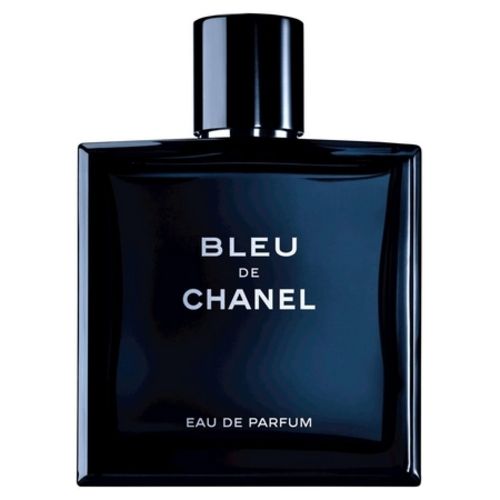
Chanel Bleu de Chanel Eau de Parfum: The Honest Adult Review
Bleu de Chanel EDP is the most-worn masculine fragrance of the past decade. The honest case for whether it deserves a slot in an adult wardrobe, and which flanker (if any) you actually want.
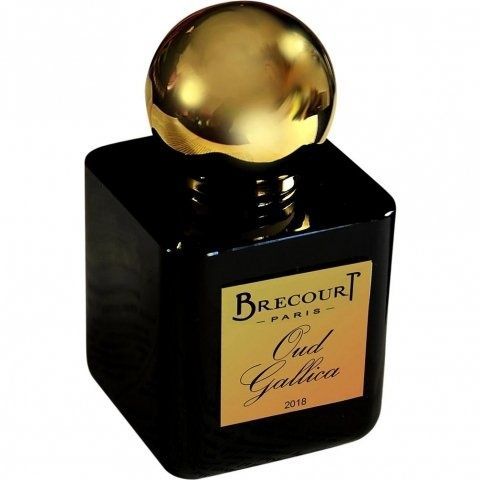
In Praise of Fragrenza: How One Perfume House Is Quietly Rewriting the Rules of Luxury
Fragrenza isn't loud, doesn't chase trends, and doesn't pay for Times Square billboards. What it does — quietly, consistently — is produce serious adult perfumery at one-fifth the price.
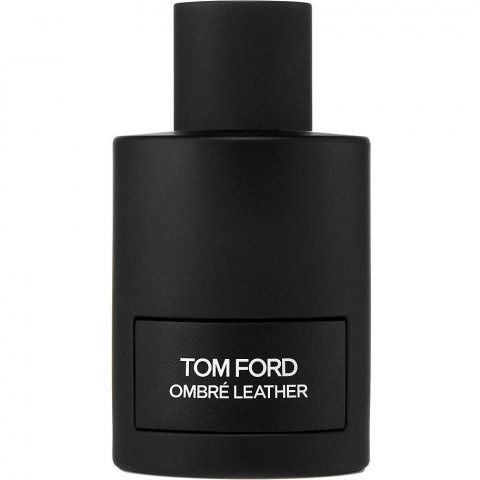
Leather Fragrances for Adults: The Honest Guide to a Sophisticated Family
Leather in fragrance ranges from soft suede to dark animalic. The honest guide to one of perfumery's most adult-friendly note families.