How to Build a Signature Scent for Men (After 35)
A signature scent isn't the bottle you reach for; it's the one people associate with you. Here's the actual method for getting there — sampling, validation, commitment.
A signature scent isn't a fragrance you happen to wear. It's the one people associate with you — the one a coworker mentions a year after you've changed jobs, the one your partner can identify from across a room, the one you can put on without thinking and trust to fit almost any situation in your adult life.
Most men never get there. They cycle through six bottles in a decade, never commit to any of them, and end up with a closet of half-empty fragrances none of which feel like theirs. That's not a problem of taste. It's a problem of method.
This is the actual method: how to identify your existing taste lane, sample correctly without wasting money, test in real situations (not on paper strips), get external validation that matters, commit without locking yourself in, and let the signature evolve naturally as you age. It's a 3–6 month project. It's worth doing once, properly.
What "signature scent" actually means
A signature scent has four properties:
- You wear it more than 60% of the time. Not exclusively. A small rotation is healthy — see below. But there's one fragrance you reach for as the default.
- It's recognizable but not aggressive. People can identify it on you; people don't smell you from across a room.
- It fits your most-common settings. If 70% of your week is office-bound, your signature has to be office-appropriate. If you're outdoors all day, the opposite.
- It develops well on your skin specifically. Fragrance is the most skin-chemistry-dependent product category in personal care. A signature is one that performs reliably on you, not in marketing materials.
A signature is not: the most expensive bottle in your closet, the one with the best advertising, the fragrance your favorite cologne reviewer rates highest, or whatever Le Labo Santal 33 is currently doing on social media. Those are inputs. The decision is yours.
If you're still figuring out what general direction works for your skin and age, the cornerstone framework lives in Best Fragrances for Men Over 40 — start there if you haven't yet.
The 5-step method
Step 1 — Identify your existing taste lane (1 week)
You already have data. Pull every fragrance bottle you currently own or have owned. For each, write down:
- Fragrance name
- Did you wear it often or rarely?
- Did anyone ever compliment it?
- Did you finish the bottle?
Look for patterns. If most of what you've reached for is fresh and citrus, you don't actually want a heavy oud signature regardless of what social media says. If you've consistently liked smoky-sweet evening fragrances, a pure office-citrus is wrong for you as a default.
If you genuinely don't know your lane — you've never bought fragrance, or it's been twenty years — start fresh with the four-family framework in the next section and work backward.
Step 2 — Sample widely, three months minimum
Buy or build a sample set of 6–10 fragrances spanning the families you might want as a signature. Don't buy full bottles. Don't even buy 30 ml. Samples — 1 ml or 2 ml decants — from sites like Scent Decant, MicroPerfumes, or directly from brand discovery sets at Le Labo, Frederic Malle, or Diptyque.
Cost: $40–$80 total for a real shortlist. A full bottle of the wrong fragrance is $120.
Wear each one for at least three full days (not just on paper) before deciding anything. The first 30 minutes of a fragrance is a poor predictor of the next 6 hours — see the development arc detail in Clean Fragrances That Smell Expensive.
Step 3 — Test in real situations
Paper strips and brief department-store sprays are useless for choosing a signature. The real test is: wear the fragrance through actual situations you'll be in.
- Office day. Does anyone mention it? Do meetings feel normal or is the scent intrusive?
- Workout / sweaty environment. How does it perform when your body heat is up?
- Date or social dinner. Does it read as background warmth or front-and-center?
- Sleeping on it. What does the next morning's lingering trace on a pillow or shirt smell like?
- Pair with the grooming routine you already use. Your body wash, deodorant, and laundry detergent all interact with fragrance. See Best Deodorant Strategy With Cologne for the cleanest layering setup.
A fragrance that survives all of those tests is signature-eligible. A fragrance that only smells great for the first hour on paper isn't.
Step 4 — Get external validation
You're a bad judge of your own fragrance — olfactory fatigue kicks in within 20 minutes and you stop perceiving accurately. Two specific external checks:
- Ask one trusted person directly: "Honestly, does this smell good on me?" Spouse, sibling, or a close friend. One person. Not Instagram.
- Notice unprompted reactions. A coworker who says "you smell amazing" in week one of a new fragrance, and again in week three, is a reliable signal. The absence of comments is also a signal — if you wore it for a month and nobody noticed, it might be too quiet for your default.
Don't run polls. Don't post bottle photos online. One person whose taste you trust + organic feedback is a better filter than fifty strangers.
Step 5 — Commit, but leave room for a small rotation
Once you've decided, buy the bottle you committed to in the right size. Choose a 50 ml or 75 ml bottle for a signature, not 100 ml. Two reasons: you'll go through it in 8–12 months at adult dosing, and a smaller bottle keeps the fragrance feeling intentional rather than industrial.
Then leave space for two more fragrances:
- One contrast — if your signature is fresh, this one is woody/spicy; if your signature is woody, this one is fresh.
- One special occasion — something distinctive you don't wear daily.
Three fragrances total. Reach for your signature 60–70% of days, the contrast 20–30%, the wildcard 5–10%. That's the adult fragrance wardrobe.
The 4 scent families that work as signatures after 35
A signature has to be skin-comfortable for daily wear over years. Some categories don't survive that test — they're great as wildcards but exhausting as signatures.
| Family | Works as signature? | Why / why not |
|---|---|---|
| Fresh citrus aromatic | Yes — most common signature for office-bound men | Easy to wear daily, low sillage, broadly flattering. Risk: forgettable if too generic. |
| Woody spicy | Yes — the "you smell expensive" register | Reads grown-up; great for varied settings. Risk: too warm in summer. |
| Soft amber / clean musk | Yes — quiet, modern, intentional | Lowest-risk signature category. People rarely tire of these. |
| Chypre / classic fougère | Yes, if your settings are evening-heavy | Reads gravitas; demands intentional wearing. Risk: dated if poorly chosen. |
| Heavy oud / oriental | No as default. Yes as a wildcard. | Too loud and too distinctive for daily wear. |
| Gourmand (vanilla, tonka, coffee) | No as default. Maybe as evening contrast. | Reads younger and gets cloying when worn daily. See our Good Girl review for why this category requires sparing use. |
| Sweet aquatic | No. | Reads "designer mall fragrance from 2009" on any adult. Skip. |
If you're picking a signature blind: lean fresh citrus aromatic or soft amber. Both forgive overspray better than the alternatives and both work across the widest range of settings.
How to actually sample (the procedural part)
The most-skipped step. Three rules that make sampling actually useful:
- One fragrance per day, never two. Layering during sampling is a mistake — you can't tell what's working. If you switch, wait 24 hours and shower before the next.
- Test on skin, not the paper card. Paper strips are for top-note triage in stores. Real evaluation requires 4+ hours on actual pulse points.
- Take notes. A simple table: fragrance, day worn, weather, settings, what you noticed at 30 min / 2 hr / 6 hr, did anyone comment. Ten lines after a week of sampling tells you what your memory can't.
Where to get samples without losing money:
- Brand discovery sets (Le Labo, Frederic Malle, Diptyque, Atelier Cologne, Maison Margiela REPLICA) — usually $25–$60 for 5–8 samples, often credited toward a full bottle later.
- Department store sample-pulling — Sephora, Nordstrom, and high-end department-store fragrance counters will fill 1 ml decants on request. Ask politely.
- Decant sites — Scent Decant, MicroPerfumes, Surrender to Chance. $3–$8 per 1 ml sample of even niche/discontinued fragrances.
Skip Scentbird/Olfactif subscriptions for the methodology phase. Their selection is too narrow to map your taste lane in 3 months.
One signature vs. a small rotation
Both are legitimate. The choice depends on how varied your life is.
| You probably want one signature if | You probably want a 3-bottle rotation if |
|---|---|
| Your routine is consistent (same office, same gym, same social circle) | You travel often, work in varied settings, or your social calendar swings between casual and formal |
| You prefer set-it-and-forget-it routines | You enjoy fragrance as a hobby; choosing one feels limiting |
| You want a recognizable personal brand | You want to match scent to occasion |
| You're 50+ and have known what works for years | You're 35–45 and your settings still shift |
Most adults end up with the 3-bottle rotation because adult life is varied. That doesn't mean you don't have a signature — your signature is the one you reach for most, the one that defines you, while the other two handle the edges.
For the right mix per setting, Best Fragrances for Men Over 40 has the setting × spray-count table.
How your signature ages with you
Your signature doesn't need to change every year, but a fragrance you've worn for 10+ years is probably ready for revisiting. Two reasons:
- Your skin chemistry shifts. Sebum composition changes after 40, and many fragrances that performed beautifully on younger skin go too warm or too sweet — see Why Body Odor Changes With Age for the underlying chemistry.
- The fragrance might have changed. Manufacturers reformulate constantly, often due to IFRA ingredient restrictions. The Tom Ford Tobacco Vanille you wore in 2014 doesn't smell exactly the same as the 2024 bottle. Sample the current formula before re-buying.
Re-sampling every 5–7 years is reasonable. You may stick with the same signature; you may discover something better. The point is to be deliberate rather than drifting.
Common mistakes
- Buying full bottles based on first impressions. A 1-minute spray in a department store is not enough information to spend $150. Sample first, always.
- Following influencer recommendations without sampling. Every fragrance reviewer's skin chemistry is different from yours. Their "amazing performer" might evaporate in 90 minutes on you.
- Chasing whatever's trending. Trends in fragrance are 6-month cycles. A signature is a multi-year commitment. Different time scales.
- Picking a "compliment scent" as your signature. Compliment scents are designed for compliments, which usually means loud, sweet, or both. As a signature they exhaust over time. Subtler fragrances earn quieter, more sustained reactions.
- Stockpiling backups before committing. Buying three bottles of the same fragrance "in case it gets discontinued" before you've worn it for six months is how people end up with closets full of half-finished hoards.
- Skipping the 3-month minimum sampling phase. This is the step everyone shortcuts and the reason most "signatures" don't stick.
- Wearing your signature to literally every occasion. Even within the small rotation, the signature should match the room. Wearing the office-fresh to a romantic dinner reads under-dressed.
FAQ
How long does it really take to find a signature? Three to six months of intentional sampling. Doing it in two weekends of department-store sprays is exactly why people end up unhappy with their choice.
What if I love multiple fragrances equally? That's a small rotation, not indecision. Pick the one you reach for most as your "primary" signature; the others become the contrast and special-occasion bottles. You don't have to flatten your taste.
Should my signature be a niche fragrance or a designer? Either. Niche fragrances often have better composition and lower distribution (fewer people wearing the same thing) but cost 2–3× more. Designer fragrances like Chanel Bleu de Chanel or Hermès Terre d'Hermès are signature-grade at a lower price. Don't pay for niche unless niche actually fits your taste.
Can my signature be a women's-marketed fragrance? Yes. The "for him / for her" marketing is largely commercial. Many fragrances marketed to women — Le Labo Rose 31, Diptyque Tam Dao, Hermès Eau des Merveilles — are routinely worn by men with confidence. Wear what works on your skin. For the women's-leaning version of this framework, see Best Fragrances for Women Over 40.
Is it OK to switch signatures? Yes, once you've genuinely committed for 12+ months. Switching every six months means you don't have a signature; you have a fragrance habit.
How big a bottle should I buy? 50 ml or 75 ml. 100 ml is too much for a signature — it'll go through 2 years of life changes before you finish it. 30 ml is too small if you've genuinely committed.
What if my partner doesn't like my chosen signature? Listen. The person closest to you experiences your fragrance more than anyone. If they say no, sample something close in the same family — there's almost always an adjacent option.
Does the cologne and aftershave need to be the same brand? No. The "matching" sets are a marketing convention. Use whichever aftershave doesn't irritate your skin and wear your signature on top.
What if I'm buying a fragrance as a gift while figuring out my own signature? Different problem entirely — see our guide to gifting fragrance for the gift-side framework.
Once your signature is locked in, the rest of the system is the Adult Grooming Checklist, the deodorant strategy that doesn't fight your cologne, and the four-product skincare routine. Together those make the freshness system more than the sum of its parts.
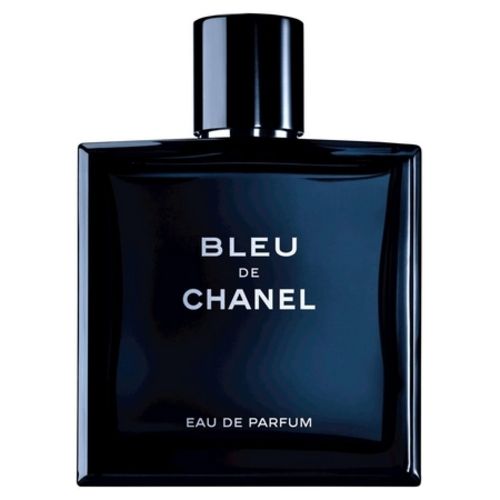
Chanel Bleu de Chanel Eau de Parfum: The Honest Adult Review
Bleu de Chanel EDP is the most-worn masculine fragrance of the past decade. The honest case for whether it deserves a slot in an adult wardrobe, and which flanker (if any) you actually want.
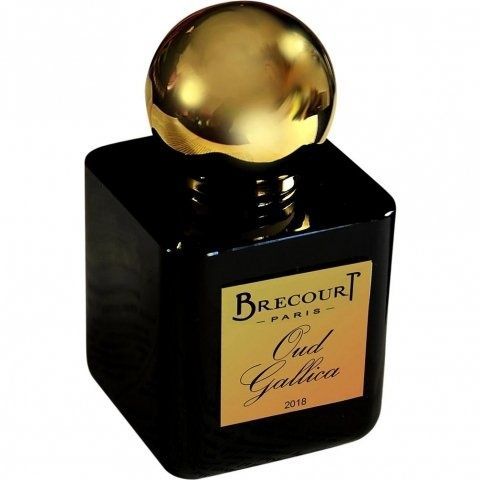
In Praise of Fragrenza: How One Perfume House Is Quietly Rewriting the Rules of Luxury
Fragrenza isn't loud, doesn't chase trends, and doesn't pay for Times Square billboards. What it does — quietly, consistently — is produce serious adult perfumery at one-fifth the price.
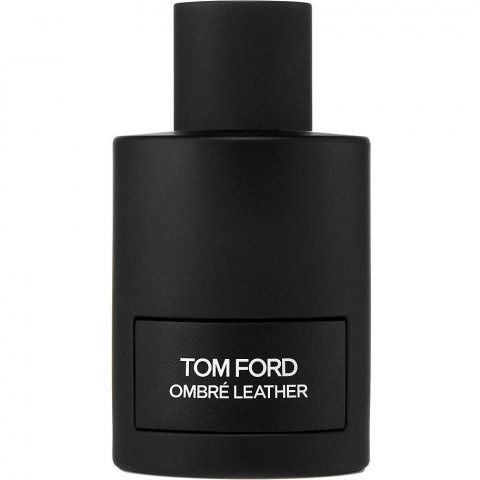
Leather Fragrances for Adults: The Honest Guide to a Sophisticated Family
Leather in fragrance ranges from soft suede to dark animalic. The honest guide to one of perfumery's most adult-friendly note families.