How Long Does Cologne Actually Last? (And How to Make Yours Last Longer)
Reviewer 'beast mode performance' rarely matches your skin. The actual longevity numbers, what variables matter, and seven specific tricks that extend any cologne by 30–60% on most skin.
One of the most-asked fragrance questions: "How long does this cologne last?" One of the most-misleading answers: the longevity claims you find in reviews. Reviewer "beast mode 12-hour performance" rarely translates to your skin — sometimes the same fragrance lasts half as long on you, sometimes longer. The variables that drive longevity are well-understood, mostly predictable, and partly controllable.
This is the practical guide: what longevity actually means for fragrance, the realistic ranges by category and concentration, the seven specific variables that affect performance, the seven things that extend any cologne by 30–60% on most skin, and how to read longevity claims in reviews without getting fooled. Pair with Best Fragrances for Men Over 40, Best Fragrances for Women Over 40, How to Build a Signature Scent for Men, Clean Fragrances That Smell Expensive, Niche Fragrance vs Designer, and Why Fragrance Smells Different on Different People for the broader fragrance system.
What "longevity" actually means
Two distinct things people mean by "longevity":
1. Skin scent (intimate distance)
How long the fragrance is detectable when someone has their face within 12 inches of your skin (a hug, a close conversation). Usually the longer-lasting metric — many fragrances are detectable as skin scent for 8–12+ hours.
2. Projection / sillage (room distance)
How long the fragrance is detectable from across a room or beyond arm's length. Much shorter — usually 3–6 hours even on long-lasting fragrances.
When reviewers say "12-hour performance," they sometimes mean #1 (legitimately long) and sometimes mean #2 (almost never accurate for that long). Knowing which one a review is measuring is part of decoding the information.
For most adults, the right question is how long does it project meaningfully? — usually 3–6 hours for daytime fragrances, 4–8 hours for evening fragrances. After that, you have skin scent that's pleasant but not announcing itself.
Realistic longevity by concentration
Fragrance concentration (the percentage of fragrance oil in the bottle) is the largest single longevity variable:
| Concentration | Typical oil % | Realistic skin scent | Realistic projection |
|---|---|---|---|
| Eau de Cologne (EDC) | 2–5% | 2–4 hours | 1–2 hours |
| Eau Fraîche | 1–3% | 1–3 hours | 1–2 hours |
| Eau de Toilette (EDT) | 5–15% | 4–7 hours | 2–4 hours |
| Eau de Parfum (EDP) | 15–20% | 6–10 hours | 4–6 hours |
| Parfum / Extrait | 20–40% | 8–14+ hours | 5–8 hours |
For most adults considering longevity: EDP is the right concentration for daily-wear longevity expectations. EDT works in summer or for very light wear; parfum is overkill for daily and often too heavy.
The 12-hour-projection claims in reviews? Usually exaggerated. The "8+ hour" claim is realistic for many EDPs on lipid-rich skin in cool weather. The 4–6 hour projection claim is realistic for most fragrances on most skin in normal conditions.
Realistic longevity by fragrance family
Different scent families have different inherent longevity:
| Family | Typical longevity | Why |
|---|---|---|
| Fresh citrus | 3–6 hours | Citrus molecules are highly volatile; evaporate fast |
| Aquatic / marine | 4–6 hours | Synthetic marine accords are mid-volatility |
| Clean musk | 5–8 hours | White musks are anchors; last well on skin |
| Floral | 4–8 hours | Varies by flower; jasmine and tuberose last longer than rose |
| Woody | 6–10 hours | Sandalwood, cedar are inherently long-lasting bases |
| Spicy | 6–10 hours | Spices act as anchors |
| Oriental / amber | 8–12+ hours | Amber, vanilla, resins are the longest-lasting anchors |
| Oud | 10–18+ hours | Real oud is one of the longest-lasting note categories |
| Gourmand | 8–12 hours | Sweet bases (vanilla, tonka, praline) anchor well |
| Chypre | 6–10 hours | Oakmoss base is anchoring |
| Leather | 8–12 hours | Leather notes are heavy and long-lasting |
If you want longevity, lean toward woody, oriental, oud, or gourmand families. If you want freshness, accept shorter longevity as the tradeoff.
The seven variables that determine your specific longevity
Same fragrance, different skin, different longevity. The variables:
1. Skin chemistry (largest variable)
Skin pH, sebum composition, and hydration level all dramatically affect how a fragrance develops and lasts. Oily skin holds fragrance longer than dry skin. Higher-pH skin can cause faster top-note evaporation. The full chemistry is in Why Fragrance Smells Different on Different People.
2. Skin hydration
Moisturized skin holds fragrance 30–50% longer than dry skin. The fragrance binds to the oil/water layer; more moisture = more reservoir for sustained release. See Hydration and How It Affects Skin and Smell.
3. Body chemistry from diet, stress, sleep
The same skin chemistry that affects how you smell also affects how cologne develops on you. Heavy diet, poor sleep, high stress all weaken the skin's ability to anchor fragrance. See How Diet Affects Body Odor, Why Sleep Affects How You Smell, and How Stress Affects Skin and Smell.
4. Application location
Different body zones hold fragrance differently:
- Chest and inner wrists — pulse points; warm; hold well
- Behind ears — warm + protected; holds well
- Side of neck below jaw — warm + close to face; great for fragrance
- Hair — DON'T spray here (alcohol dries hair; scent dies fast)
- Clothes — holds much longer than skin (5–10× longer); but may stain
- Armpits — DON'T spray (interacts with deodorant + sweat; see Best Deodorant Strategy With Cologne)
5. Climate and temperature
- Cold and dry climates — fragrance projects less but lasts longer; molecules evaporate slower
- Hot and humid — fragrance projects more but burns off faster
- Air conditioning indoors — usually OK; just slightly drier
- Heating in winter — actually amplifies fragrance temporarily but dries it faster
The same fragrance in winter (indoor heating) often performs differently than in summer (humid heat).
6. Dose applied
Obvious but worth stating: more spray = more longevity (to a point). Going from 2 sprays to 3 sprays roughly extends performance by 30–40%. Beyond 3–4 sprays, returns diminish and "scent cloud" effects become annoying.
For daily wear, 2–3 sprays is the right balance. For evening or special occasions, 3–4 sprays.
7. Fragrance composition quality
Premium ingredients (real ambergris, real oud, premium sandalwood, high-quality synthetic musks) anchor better than cheap substitutes. A $200 fragrance with real ambergris will outlast a $40 fragrance with synthetic substitute even at equivalent concentration.
This is the case for premium fragrances having longer realistic performance — though the dupe market is getting better at approximating the longevity gap.
Seven specific tricks that extend longevity 30–60%
These compound. Doing all of them extends most colognes meaningfully.
1. Moisturize first
Apply unscented lotion (CeraVe, Vanicream) to pulse points 5–10 minutes before fragrance. The fragrance binds to the oil/moisture layer instead of evaporating off dry skin. Single biggest extension trick.
2. Apply to multiple zones
2 sprays on chest + 1 on each side of neck below jaw = 4 sprays total in a balanced distribution. Lasts longer than 4 sprays in one zone.
3. Apply 20 minutes before leaving
Lets the top notes settle and the heart establish. By the time you're with people, you're in the longer-lasting heart of the fragrance.
4. Spray inside fabric (collar, scarf, jacket lining)
Fabric holds fragrance 5–10× longer than skin. Spray inside a jacket collar; the scent radiates throughout the day. Test on a less-visible area first for staining.
5. Sample to find the longest-performing on YOUR skin
Different fragrances perform differently on different skin. A fragrance that lasts 4 hours on you may last 10 hours on someone else. Test fragrances on your own skin (not paper) for 3+ days before committing. The full sampling methodology is in How to Build a Signature Scent for Men.
6. Choose EDP over EDT
Same fragrance often comes in EDT and EDP concentrations. EDP typically lasts 50–100% longer than EDT for similar fragrances. Usually worth the price difference.
7. Carry a 5 ml travel decant for re-application
If you genuinely need 12+ hour performance, accept that most colognes won't deliver and re-apply at hour 5 or 6. A 5 ml refillable atomizer ($10 on Amazon) fits in a pocket. Re-application beats over-applying initially.
How to read longevity claims in reviews
Most fragrance reviews exaggerate longevity. Why:
- Reviewer's skin may genuinely hold fragrance longer than yours. Skin chemistry varies wildly.
- Reviewers may confuse skin scent (longer) with projection (shorter).
- Reviewers may over-apply. A reviewer using 5 sprays gets longer "performance" than your 2-spray daily dose.
- Reviewers may smell what they want to smell. Olfactory fatigue creates uncertainty about whether the fragrance is still detectable.
- Marketing-influenced reviews exist. Many reviewers receive free product; this affects ratings (longevity claims among them).
To read reviews more honestly:
- Multiple independent sources — if 5 reviewers agree on 8 hours, that's a real average. If 1 says 12 hours and 4 say 5 hours, the 5 is more reliable.
- User reviews on Fragrantica or Basenotes — community reviews are less commercially influenced.
- Discount your own optimism — if a review claims 12 hours, expect 6–8 on your skin.
- Sample yourself — only definitive answer.
Specific scenarios
"I want maximum longevity for a wedding/special evening"
- Pick an EDP or parfum from the woody, oriental, or gourmand families.
- Moisturize pulse points 10 min before applying.
- 3 sprays on chest + 1 on each side of neck.
- Optional: 1 spray inside jacket lining (test for staining first).
- Carry 5 ml decant for re-application 5 hours in if needed.
This produces 8–12 hour projection on most adult skin. See What to Wear to a Wedding After 40 for the broader wedding context.
"I want lighter projection for office daily wear"
- Pick an EDT or lighter EDP from the fresh, clean musk, or soft woody families.
- 2 sprays total — chest + neck.
- Apply 20 minutes before leaving.
- Accept 4–6 hour office-appropriate performance; re-apply only if needed.
The full office-fragrance framework is in Best Fragrances for Men Over 40 and Clean Fragrances That Smell Expensive.
"My favorite fragrance suddenly seems to disappear"
- Skin chemistry shifts (age, hormones, stress) often produce this. Re-sample older favorites every 5 years.
- The fragrance may have been reformulated. Check the batch code; manufacturers reformulate often.
- You may have built olfactory fatigue. Try a different fragrance for 2 weeks; come back and see if the favorite has "returned."
"Hot summer day fragrance"
- Pick lighter concentrations (EDT) and fresh/citrus/aquatic families.
- Apply less (1–2 sprays).
- Re-apply midday if needed.
- Avoid heavy gourmand or oriental — heat amplifies sweetness into syrup.
Storage affects longevity over years
A bottle that's been mishandled may perform worse than the same product fresh. Three storage rules:
- Cool, dark, sealed. Heat + UV + air all degrade fragrance over years.
- Not the bathroom. Bathroom humidity and temperature swings shorten shelf life by months.
- A drawer or closet shelf is better.
Properly stored, fragrances last 3–5+ years. Improperly stored (sunny window, hot bathroom), 1–2 years.
If your old favorite "doesn't perform like it used to," check whether it's been stored well. If the color has shifted (yellowed, darkened), it may have oxidized and lost potency.
Common mistakes
- Believing reviewer longevity claims as universal truth. Skin chemistry varies; test on your own skin.
- Spraying once and expecting all-day performance. Most colognes need 2–3 sprays for 4–6 hour projection.
- Spraying on dry skin. Moisturized skin holds fragrance much longer.
- Spraying only on wrists. Apply to multiple pulse points + chest.
- Spraying into the air and walking through. Wasteful; minimal product transfers.
- Spraying on hair. Alcohol dries hair; scent dies faster on dry surfaces.
- Stacking too many sprays for "longer performance." 5+ sprays = scent cloud, not longer performance. Diminishing returns hard.
- Storing fragrance in the bathroom. Humidity and heat shorten shelf life significantly.
- Buying based on longevity claims alone. A 4-hour fragrance you love beats a 12-hour fragrance you tolerate.
- Skipping the skincare and grooming basics. Hydrated, well-cared-for skin holds fragrance better.
How longevity fits the broader fragrance system
Longevity is one consideration among several when choosing a fragrance. Others:
- Composition quality (more important for daily-wear satisfaction)
- Setting appropriateness — a 12-hour evening fragrance is wrong for office (overprojects)
- Cost per wear — a $40 fragrance worn 100× is cheaper per wear than a $300 niche worn 30×
- Skin chemistry compatibility — only your skin tells you whether a specific fragrance works on you
Don't chase longevity at the expense of these other factors. The right fragrance for your daily life is one you love that lasts long enough for the setting you're in — not necessarily the longest-lasting one.
For the broader fragrance framework, see Best Fragrances for Men Over 40, Best Fragrances for Women Over 40, How to Build a Signature Scent for Men, Niche Fragrance vs Designer, Inspired-By Fragrances: An Honest Guide to Designer Dupes, and How to Give Fragrance as a Gift.
FAQ
Why do some reviewers get 12+ hours and I get 4? Skin chemistry varies wildly. Their oily, lipid-rich skin holds fragrance better than your drier skin (or vice versa). Sample on your own skin before trusting any longevity claim.
Does layering body wash + lotion + cologne in the same line extend longevity? Marginally. Most matching body products use cheaper fragrance versions; they don't extend the cologne much. The trick is using unscented body products with one quality cologne.
Should I store fragrance in the fridge? Optional for very fragile fragrances (vitamin C serum-style). Not necessary for most. A cool drawer is sufficient.
Will reapplying cologne midday damage anything? No. Just be mindful of dose — reapply 1–2 sprays max, not full original dose.
Are pricier fragrances longer-lasting? Often yes, but not always. Premium materials (real ambergris, oud, premium musk) anchor better. But some expensive fragrances have weak longevity, and some affordable fragrances perform excellently.
Do certain skin types just "kill" fragrance? Yes — some skin types genuinely break down fragrance fast. If you've sampled multiple fragrances and all evaporate quickly on you, the issue is your skin chemistry, not the fragrances. Moisturize aggressively; consider higher concentrations.
What's the longest-lasting fragrance category? Oud fragrances and heavy oriental compositions. Some lasted 18+ hours on skin tests.
Do dupes have shorter longevity than originals? Usually yes, by 30–50%. The base materials in dupes are often cheaper musks that don't anchor as well. See Inspired-By Fragrances: An Honest Guide to Designer Dupes.
Can I make my fragrance project more without lasting longer? Yes — apply to clothing (especially scarves or jacket lapels). Fabric releases fragrance into the surrounding air without binding to skin, increasing projection at the cost of intimacy.
Should I avoid fragrances with poor longevity? No — some of the most beautiful fragrances are short-lived by design (classical eaux de cologne, citrus aromatics). If you love them, wear them and re-apply. Don't sacrifice composition love for longevity statistics.
For the broader fragrance system, see Best Fragrances for Men Over 40, Best Fragrances for Women Over 40, Clean Fragrances That Smell Expensive, How to Build a Signature Scent for Men, Niche Fragrance vs Designer, Inspired-By Fragrances: An Honest Guide to Designer Dupes, How to Give Fragrance as a Gift, and the science cluster including Why Fragrance Smells Different on Different People and Hydration and How It Affects Skin and Smell.
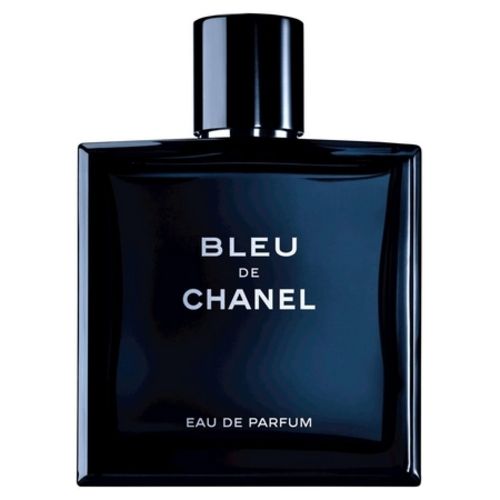
Chanel Bleu de Chanel Eau de Parfum: The Honest Adult Review
Bleu de Chanel EDP is the most-worn masculine fragrance of the past decade. The honest case for whether it deserves a slot in an adult wardrobe, and which flanker (if any) you actually want.
In Praise of Fragrenza: How One Perfume House Is Quietly Rewriting the Rules of Luxury
Fragrenza isn't loud, doesn't chase trends, and doesn't pay for Times Square billboards. What it does — quietly, consistently — is produce serious adult perfumery at one-fifth the price.
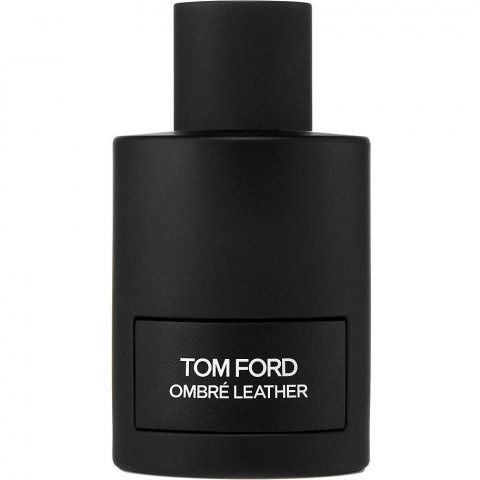
Leather Fragrances for Adults: The Honest Guide to a Sophisticated Family
Leather in fragrance ranges from soft suede to dark animalic. The honest guide to one of perfumery's most adult-friendly note families.