Winter Fragrances for Men After 40: What Actually Works in the Cold
Cold air mutes fragrance projection and changes how every category reads. Light summer scents disappear; heavy orientals overpower. Here's what actually works in winter for men over 40.
Wearing the same fragrance in January that you wear in July is one of the most common adult fragrance mistakes. The bottle you love in summer often disappears in cold air — projecting weakly, fading within hours, missing the warmth and depth that gave it character in July heat. Conversely, the rich oud or heavy gourmand that's perfect for December evenings becomes cloying and oversized in August. Cold air doesn't just change how a fragrance smells; it changes how it projects, how long it lasts, and what categories work at all.
After 40 this matters more because adult wardrobes are typically more refined and the difference between "right for the season" and "wrong for the season" is more visible. A warm spicy amber in a heated indoor restaurant in December reads as appropriate and adult; the same scent at 90°F outdoors in August reads as oppressive. Building a fragrance approach that respects season — even within a four-bottle wardrobe — significantly improves daily wear.
This guide is the winter-specific version: what cold air does to fragrance, which categories work, the bottles worth owning, and the practical considerations for cold-weather application.
The fast answer
Cold air reduces projection by 30-50% and slows the evaporation curve, meaning fragrances feel quieter and last longer on skin (but project less to others). The categories that work best in winter: warm aromatic (lavender, sage, fougère), oriental (amber, oud, resin, incense), gourmand (vanilla, tobacco, coffee, chocolate notes — used carefully), and woody-spicy (cedar, sandalwood, cardamom, pepper). Avoid: light citrus, aquatic, and most green fragrances — they perform poorly in cold air. Standout winter bottles: Tom Ford Tobacco Vanille, Dior Homme Intense, YSL La Nuit de L'Homme, Maison Francis Kurkdjian Grand Soir, Frederic Malle Musc Ravageur, Creed Aventus, Acqua di Parma Colonia Oud. Apply slightly more than your summer dose (3-5 sprays vs. 2-3), and apply to skin areas that will be covered by coat collar and scarf — heat trapped against skin amplifies projection meaningfully.
That's the structure. The texture is below.
Why fragrance changes in cold air
Three mechanisms:
Slower evaporation. Fragrance molecules evaporate from skin into the air around you. The rate of evaporation depends on temperature — warm air pulls molecules off skin faster, cool air slows the release. In summer, a fragrance projects loudly because molecules are rapidly entering the air. In winter, the same fragrance "stays on the skin" longer but projects less.
Reduced air mixing. Cold dense air doesn't circulate the way warm air does. Even if fragrance molecules are released, they don't spread as far. In summer your scent can be detected 5-10 feet away; in winter, often only at handshake distance.
Different note balance. Top notes (light, volatile — citrus, herbs, aldehydes) require warmth to project. They evaporate quickly in summer; in winter they barely show. Heart notes (mid-volatility — florals, spices, aromatic) are more stable across temperatures. Base notes (heavy, low-volatility — amber, musk, oud, resin) become the dominant character in cold air because they're what's left after the others under-perform.
The net effect: a citrus-aromatic that's bright and sharp in July reads as faint and muddled in January. A heavy oud that's overwhelming in July becomes appropriately mysterious in January. The same bottle, different chemistry expression.
What categories work in winter
Oriental / amber
The classic winter category. Warm, deep, smoky-sweet bases (amber, labdanum, benzoin, resin) hold up beautifully in cold air. They were essentially designed for it.
- Tom Ford Tobacco Vanille — the modern standard. Sweet tobacco, vanilla, dried fruit, spice. Distinctive and adult.
- Maison Francis Kurkdjian Grand Soir — amber, benzoin, vanilla. Refined and sophisticated; one of the great evening scents.
- YSL Opium (vintage) / Black Opium (modern) — heavy oriental; powerful in cold air.
- Frederic Malle Musc Ravageur — animalic musk + amber + spice. Sensual rather than sweet.
- Serge Lutens Ambre Sultan — herbal amber, distinctive
- For women: Tom Ford Black Orchid, Frederic Malle Portrait of a Lady, Maison Francis Kurkdjian Baccarat Rouge 540
These are evening and cool-weather fragrances. They can read heavy at the office or in warm restaurants — apply lightly if your destination is heated, more generously if you'll be outdoors.
Woody-spicy
Cedar, sandalwood, vetiver paired with cardamom, pepper, ginger, or saffron. Warm but not as sweet as oriental.
- Acqua di Parma Colonia Oud — Italian sophistication meets oud; restrained
- YSL La Nuit de L'Homme — cardamom, lavender, cumin, coumarin. The modern "date night" classic.
- Dior Homme Intense — iris, ambrette, vetiver. Powdery, sophisticated, distinctive.
- Tom Ford Oud Wood — refined oud (not the heavy Middle Eastern style)
- Frederic Malle Vetiver Extraordinaire — vetiver done right; works year-round but excellent in winter
- For women: Chanel Coromandel, Tom Ford Tuscan Leather, Diptyque Tam Dao
Gourmand
Sweet, food-adjacent fragrances — vanilla, chocolate, coffee, caramel. The trick is using them carefully; gourmand fragrances can read as immature or cloying when overdone.
- Thierry Mugler A*Men / Pure Coffee variants — coffee-gourmand, distinctive
- Tom Ford Tobacco Vanille — already mentioned, technically gourmand
- By Kilian Black Phantom — coffee, dark rum, vanilla; modern gourmand done well
- Mancera Cedrat Boise — citrus-gourmand hybrid
- For women: YSL Black Opium, Lancôme La Vie Est Belle, Gourmand Coffee (Maison Margiela)
Adult men can wear gourmand fragrances well after 40 — the trick is choosing sophisticated ones (Tobacco Vanille, By Kilian) over juvenile ones (Le Male Le Parfum, Aventus Cologne). Sweet doesn't have to mean immature; cheap sweet does.
Aromatic fougère / heritage classics
The structure that defined men's fragrance for a century: lavender, oakmoss, coumarin, often with leather or tobacco. Holds up in cold weather; reads as classic and adult.
- Guerlain Jicky (vintage) — the original fougère; still produced
- Penhaligon's Sartorial — modern aromatic done elegantly
- Diptyque L'Eau de Tarocco — modern citrus-aromatic
- Creed Aventus — pineapple opening but the smoky base makes it a winter performer too
- Tom Ford Grey Vetiver — clean vetiver-aromatic
- For women: Chanel No. 19, Guerlain Mitsouko, classic chypres
These older structures are sometimes called "old-fashioned" by younger fragrance enthusiasts but read as distinctively mature and considered on adults over 40.
What categories struggle in winter
Light citrus (Acqua di Parma Colonia, Atelier Cologne Orange Sanguine, classic eau de colognes): the bergamot and lemon top notes don't project in cold air; the scent disappears within an hour and reads as nothing. Save for warm weather.
Aquatic / marine (Davidoff Cool Water, Issey Miyake L'Eau d'Issey, Bvlgari Aqua): designed for evaporation-driven projection in warm weather. In cold, they project weakly and the marine notes can read as cold-soup-water rather than refreshing.
Green / herbal (Chanel No. 19, Hermès Un Jardin Sur Le Nil): some work in winter (cooked-down rosemary, dry hay), but most light green fragrances need warmth to project.
Light tea fragrances (Bulgari Eau Parfumée au Thé Vert): elegant in summer, missing in winter.
You can wear these in winter if you love them, but expect modest projection and short longevity. The bottle that's gorgeous on a July afternoon may register as "didn't apply anything" on a January morning.
How to apply in winter
Three adjustments from your summer routine:
1. Slightly more sprays. If your summer dose is 2-3, winter dose is 3-5. Cold air mutes projection; compensate with volume. Cap it at 5-6 sprays — even in winter, more becomes overwhelming when you walk into a heated indoor space.
2. Apply to skin areas covered by clothing. A spray on the back of the neck under a scarf is amplified by trapped body heat. A spray on the chest under your shirt does the same. The fragrance warms up under fabric and releases when you remove the coat or scarf in a meeting or restaurant — creating an appropriate amount of projection in indoor settings while not over-projecting outdoors.
3. Reapply if needed. Winter activity often goes outdoor-to-indoor multiple times in a day. A spray in the morning may genuinely fade by an evening event. A small atomizer (5ml refillable) in a jacket pocket lets you refresh discreetly. Apply to wrist or chest, not in public.
The application sequence stays the same as year-round: shower, deodorant (let dry), cologne to skin. See best deodorant strategy with cologne for the integrated protocol.
Indoor vs. outdoor winter considerations
Winter creates a constant temperature differential issue:
- Outdoors: cold air, low projection, fragrance feels muted
- Indoors (heated): warm dry air, projection increases sharply, fragrance can suddenly read as overpowering
The same dose can read appropriate outdoors and overwhelming when you walk into a heated restaurant or office. The fix: apply with the intended destination in mind. If your day is mostly indoor heated environments (office, indoor meetings, restaurants), use slightly less than for outdoor-heavy days. If you're spending substantial time outdoors (commuting, walking, outdoor events), the slightly heavier application is appropriate.
For evening events at heated indoor venues, apply conservatively. The warmth amplifies projection of richer winter scents into "too much" territory faster than summer dose calculations suggest.
Specific winter bottles worth owning
If you're building a winter rotation within a broader 4-bottle wardrobe, prioritize one or two of these:
For evening / restaurant / date contexts:
- Tom Ford Tobacco Vanille ($295)
- YSL La Nuit de L'Homme EDP ($95-120)
- Maison Francis Kurkdjian Grand Soir ($275)
- Dior Homme Intense ($110)
For office (winter-appropriate office scent):
- Bleu de Chanel EDP — works year-round but performs especially well in winter ($120)
- Acqua di Parma Colonia Essenza — slightly richer than the regular Colonia ($170)
- Dior Sauvage EDP — applied lightly, works in winter office ($120)
- Tom Ford Grey Vetiver ($170)
For casual winter weekend:
- Creed Aventus — works any season, weekend or evening ($350)
- Frederic Malle Musc Ravageur ($300)
- Le Labo Santal 33 — divisive but appropriate as winter-casual ($210)
- Diptyque Tam Dao ($150)
The "specifically winter" bottle to add to a wardrobe is usually an oriental or oriental-leaning scent that you wouldn't wear in summer. If your wardrobe is otherwise versatile, one such bottle covers November-March without needing seasonal rotation.
Common mistakes
Wearing the same fragrance year-round. Some fragrances are genuinely four-season (Bleu de Chanel, Aventus, Terre d'Hermès), but most have seasonal sweet spots. Same bottle in opposite seasons usually doesn't work optimally.
Over-applying because "you can't smell it." Olfactory adaptation hits faster in winter because the slower evaporation means your nose has time to adapt before the scent has fully developed. The fragrance is projecting fine to others; you just can't tell. Don't double the dose.
Wearing light summer scents in January. The bottle that was your daily wear in July often disappears in January. You'll feel like the fragrance "isn't working" — it isn't, in cold air. Save it for warm weather.
Heavy oud in heated indoor offices. Heavy oriental fragrances designed for outdoor winter performance can be inappropriate at the office, especially in heated open-plan spaces. The same bottle works at an evening restaurant.
Forgetting that winter fragrances stay on clothes longer. Heavy base notes (amber, oud, musk) bond more strongly with wool and fabric than light citrus does. A heavy oriental sprayed on your coat collar can persist for weeks. Apply to skin only.
Spraying outside in cold air. The fragrance freezes momentarily and doesn't bind to skin as well. Always apply indoors, let it warm and develop for 5+ minutes before going outside.
Not adjusting for indoor-outdoor transitions. A dose that's appropriate for outdoors is too much for the heated restaurant you're entering. Plan the application volume for your primary location.
Storing winter bottles in cold rooms. Fragrance prefers stable room temperature. A bottle left in a cold garage or unheated mudroom can have its formula slightly altered over a winter. Store in a closet or cabinet at room temperature.
How winter fragrance fits with the rest of the wardrobe
Winter fragrance choice should match what you're wearing. The compounding logic:
- Heavy outerwear (wool overcoat, leather jacket) pairs naturally with richer winter scents
- Casual winter knits and dark jeans pair with woody-spicy or aromatic scents
- Dressy winter looks (suit, quiet luxury) pair with refined oriental or sophisticated woody
- Cold-weather grooming considerations (scalp care, skin barrier) become more important — fragrance doesn't compensate for compromised skin
The integration matters. A great winter fragrance on a person who's also paid attention to seasonal grooming and clothing reads as a coherent adult presentation. The same fragrance on dry irritated winter skin with mismatched clothes reads as one isolated good decision among problems.
FAQ
What's the best winter fragrance for men? Tom Ford Tobacco Vanille and YSL La Nuit de L'Homme are the two most-recommended winter performers across price points. Both project well in cold, smell sophisticated, and read as adult.
Can I wear summer fragrances in winter? You can, but expect minimal projection and short longevity. Light citrus and aquatic scents perform poorly in cold air. If you love a summer scent, save it for summer — wear something seasonally appropriate in winter and the summer bottle stays special.
How many sprays of cologne in winter? 3-5 typically (versus 2-3 in summer). Cap at 5-6 max — heated indoor environments will amplify projection beyond your outdoor expectations.
Does cold weather make fragrance last longer? Yes, on skin — the slower evaporation rate means molecules stay on skin longer. But projection to others is reduced, so the fragrance "feels" muted even while it's lasting hours.
Should I have a dedicated winter cologne? Within a 4-bottle wardrobe, yes — one bottle that's specifically winter-oriented (warm oriental, gourmand, or heavy aromatic) covers the cold months. The other three bottles can be more versatile.
Are oud fragrances appropriate at the office in winter? Generally too much for office wear, even in winter. Save oud for evening and weekend. Office winter scents should still be restrained — see office-safe colognes for men after 40.
Why does my fragrance smell different on me in winter than in summer? Three reasons: cold reduces top-note projection (so the heart and base dominate), your skin chemistry shifts in winter (drier skin holds fragrance differently), and indoor heating dries the air (changing how molecules disperse). The same bottle is a different experience by season.
Can I wear gourmand fragrances at my age? Yes, if you choose sophisticated ones. Tom Ford Tobacco Vanille and Maison Francis Kurkdjian Grand Soir read as adult and refined despite being technically gourmand. Cheap sugary sweet fragrances (Le Male Le Parfum, certain Aventus variants) tend to read as juvenile regardless of wearer.
Related guides: building a fragrance wardrobe after 40, best fragrances for men over 40, niche fragrance vs designer, office-safe colognes for men after 40, how long cologne lasts.
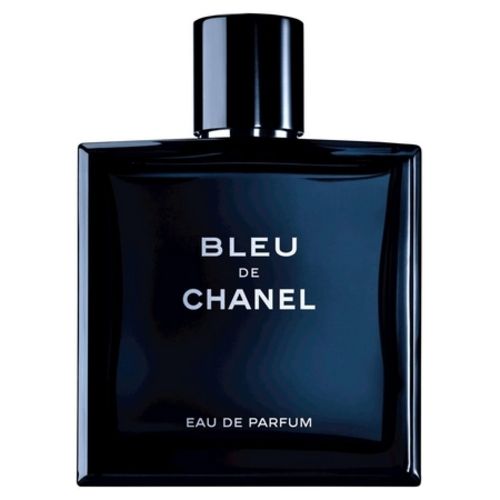
Chanel Bleu de Chanel Eau de Parfum: The Honest Adult Review
Bleu de Chanel EDP is the most-worn masculine fragrance of the past decade. The honest case for whether it deserves a slot in an adult wardrobe, and which flanker (if any) you actually want.
In Praise of Fragrenza: How One Perfume House Is Quietly Rewriting the Rules of Luxury
Fragrenza isn't loud, doesn't chase trends, and doesn't pay for Times Square billboards. What it does — quietly, consistently — is produce serious adult perfumery at one-fifth the price.
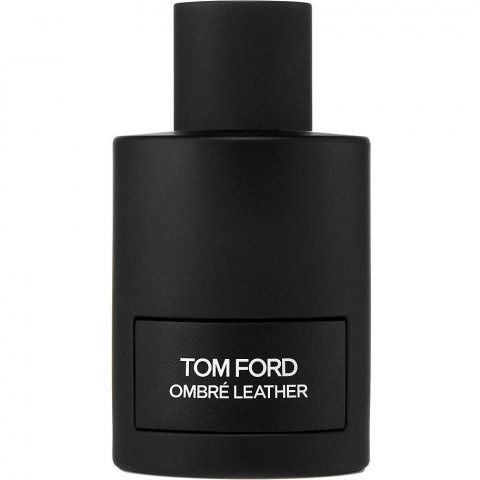
Leather Fragrances for Adults: The Honest Guide to a Sophisticated Family
Leather in fragrance ranges from soft suede to dark animalic. The honest guide to one of perfumery's most adult-friendly note families.