How to Find Your Signature Fragrance Note: The Adult Discovery Process
You love some fragrances; others fall flat. Identifying the specific notes that work on your skin and personality transforms how you shop. The honest discovery process.
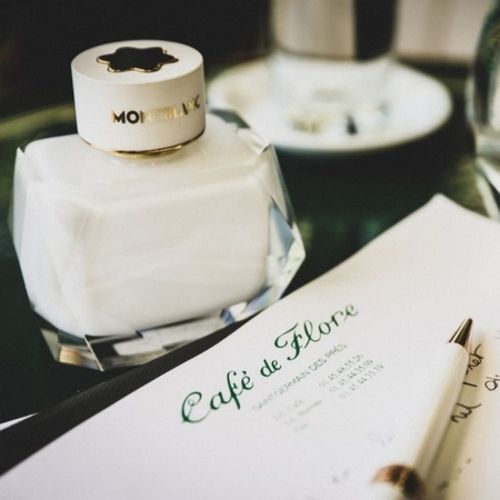
Most adult fragrance shoppers describe what they want vaguely — "something fresh," "something masculine," "something I'll get compliments on" — without identifying the specific olfactory notes that actually drive their preferences. This produces years of trial and error, expensive wrong purchases, and frustration with the category. The honest reality: most adults have 3-5 specific notes that work on their skin and personality, and most fragrances they love share these notes. Identifying your "signature notes" — vetiver, sandalwood, bergamot, oud, fig, whatever they happen to be — transforms how you shop. You stop browsing randomly and start filtering by notes that consistently work. After 40, this maturity in fragrance preference shows: your wardrobe becomes more cohesive, your purchases more deliberate, and your overall scent identity more defined. This guide covers the systematic process for identifying your signature notes, the testing protocol that reveals real preferences, and how to use that knowledge to build a fragrance wardrobe around what actually works for you.
What "signature note" actually means
Two related but distinct concepts:
Signature note (preferred):
- Specific olfactory notes that consistently work on your skin
- Notes you find pleasant rather than overwhelming
- Notes that smell "right" on you specifically
- Usually 3-5 across different categories
Signature scent (specific fragrance):
- One particular fragrance you wear consistently
- Built around your signature notes
- A specific bottle
- See how to build a signature scent for men
The signature note approach is more flexible — multiple fragrances can share your signature notes, giving you variety while maintaining consistent identity.
Why most adults don't know their signature notes
The honest reasons:
Vague self-knowledge:
- Most adults describe preferences in feelings ("warm," "fresh") not notes
- Few have systematically sampled across categories
- Brand names dominate thinking instead of compositions
Marketing distraction:
- Fragrance reviewed and described by celebrity, brand, or context
- Underlying notes rarely the conversation
Skin chemistry differences:
- Same note smells different on different skin
- What works on your friend may not on you
- Personal testing essential
Limited exposure:
- Most adults sample 20-50 fragrances total in their lives
- Need 100+ to identify clear preference patterns
For broader chemistry context, see why fragrance smells different on different people.
The discovery process
The systematic approach:
Phase 1: Inventory current preferences (1 week):
- List every fragrance you've owned or loved
- Look up their note breakdowns (Fragrantica is the standard reference)
- Look for patterns:
- Which notes appear repeatedly?
- Which fragrance families dominate?
- What do you avoid?
- Write down 5-10 notes that appear most often in things you love
This gives a hypothesis about your signature notes.
Phase 2: Test single-note explorations (1-2 months):
- Order single-note focused fragrances or decants to test
- Vetiver: Try Frederic Malle Vetiver Extraordinaire
- Sandalwood: Try Le Labo Santal 33
- Oud: Try Tom Ford Oud Wood
- Bergamot: Try Hermès Eau d'Orange Verte
- Iris: Try Dior Homme Original
- Tobacco: Try Tom Ford Tobacco Vanille
- Leather: Try Tom Ford Tuscan Leather
- Fig: Try Diptyque Philosykos
- Wear each for 2-3 full days; observe response
This tests your hypothesis with concentrated examples.
Phase 3: Confirm patterns (1 month):
- Identify your 3-5 strongest reactions
- Test 2-3 different fragrances featuring each note
- Confirm the note (not just one fragrance) consistently works
- Note any skin chemistry surprises
For broader testing context, see how to test fragrance before you buy and discovery sets and decants — how adults buy fragrance.
Common signature note patterns
The categories adults often gravitate toward:
The Woody-Vetiver Adult:
- Vetiver, sandalwood, cedar, oakmoss
- Often dry, slightly earthy
- Sophisticated, mature, versatile
- Examples: Frederic Malle Vetiver Extraordinaire, Tom Ford Grey Vetiver, Encre Noire
The Smoky-Oriental Adult:
- Oud, tobacco, leather, amber
- Warm, rich, statement
- Distinctive, evening-leaning
- Examples: Tom Ford Tobacco Vanille, MFK Oud Satin Mood, Maison Margiela By the Fireplace
The Fresh-Citrus Adult:
- Bergamot, lemon, neroli, grapefruit
- Light, energizing, daytime
- Universal, easy
- Examples: Acqua di Parma Colonia, Hermès Orange Verte, Goutal Eau d'Hadrien
The Aquatic-Marine Adult:
- Calone, salt, sea notes, ozone
- Refreshing, modern, summery
- Often associated with 90s-2000s
- Examples: Acqua di Gio, Cool Water, L'Eau d'Issey
The Floral-Sophisticated Adult:
- Iris, rose, neroli, jasmine, violet
- Refined, often unisex
- Modern adult floral
- Examples: Dior Homme Original, Frederic Malle Iris Poudre, Penhaligon's Sartorial
The Gourmand-Distinctive Adult:
- Vanilla, tobacco, caramel, coffee
- Sweet, memorable, statement
- Less universal but distinctive
- Examples: MFK Baccarat Rouge 540, Tom Ford Tobacco Vanille, Mancera Cedrat Boise
For broader category framework, see fragrance families explained — woody, oriental, chypre, fougère.
Once you know your signature notes
The honest application:
For shopping new fragrances:
- Filter by note before browsing
- Skip everything missing your signature notes
- Saves time and money on wrong purchases
For wardrobe building:
- Cover your signature notes across different fragrance families
- Variety while maintaining core identity
- 4-7 bottles building on your notes is plenty
For gift suggestions:
- Tell others "I love anything with vetiver"
- Specific guidance produces better gifts than "I like nice cologne"
For testing new releases:
- Quick triage based on note breakdown
- Save sample budget for likely-fits
For wardrobe construction, see building a fragrance wardrobe after 40 and how many fragrance bottles should an adult own.
Signature notes by life stage
How notes often shift with adult age:
30s:
- Often discovering signature notes
- Wide-ranging exploration
- Sometimes overcommitting to single category
40s:
- Signature notes typically established
- Wardrobe consolidating around core preferences
- Refinement rather than radical change
50s+:
- Notes often deepening or warming
- Less interest in fresh categories
- More appreciation for richer base notes
- Some adults shift toward niche or oud territory
This isn't prescriptive — preferences are individual. But the pattern of "settling into preferences" is common.
Common mistakes
- Buying based on description alone. "Sounds appealing" rarely matches "smells good on you."
- Trusting one friend's recommendation as universal. Their skin chemistry isn't yours.
- Ignoring repeat purchases pattern. If you've owned three vanilla fragrances, vanilla is in your signature notes.
- Buying full bottle to test new note category. Decants exist for a reason.
- Switching frequently between radically different categories. Hard to identify patterns.
- Trusting compliments without context. Sometimes "compliments" come for specific occasions; pattern matters more than individual reactions.
- Believing TikTok or influencer-driven trends are signature note guides. Personal testing required.
- Treating signature notes as fixed. Subtle shifts happen; re-evaluate periodically.
FAQ
How long does the signature note discovery process take? 3-6 months for most adults to gain real clarity. Some natural-confident-preference adults figure it out in weeks; others take years. The structured process accelerates significantly.
Can my signature notes change? Modestly over years. Most adults' core preferences remain similar but evolve in intensity or specific expression. Major shifts often come with major life changes (relationship, location, health).
What if I have no clear preferences yet? Build exposure first. Try 20-30 fragrances across all major families before expecting patterns. Use discovery sets to accelerate.
Should I get a "personal fragrance consultation"? At reputable niche houses, yes — the SAs at Le Labo, MFK, Diptyque genuinely know fragrance and can guide. Less useful at department stores where consultants push their commissioned brands.
Will my partner's preferences affect my signature notes? Often yes. If you wear fragrance partly for them, factor in what they respond to. The healthiest pattern is overlap — notes you both like.
Should I have different signature notes for different seasons? Maybe. Some adults have summer notes (citrus, marine) and winter notes (oud, amber). Others have year-round preferences. Both work.
Can I have signature notes from multiple families? Absolutely. A vetiver-and-oud adult exists. A bergamot-and-tobacco adult exists. Signature notes don't have to be from same family.
Does fragrance education make me more sophisticated about scent? Yes, in measurable ways. Adults who systematically study fragrance show more accurate scent perception and richer vocabulary for describing what they smell. Pleasant side effect.
What if I genuinely love a note I associate with a younger version of myself? Wear it. Adult fragrance isn't about abandoning everything you liked at 22 — it's about wearing it with intention rather than habit. A note that genuinely moves you belongs in your wardrobe regardless of its reputation. Context matters more than the note itself: vanilla in a sophisticated amber composition reads differently than vanilla in a body-spray gourmand. The question isn't whether the note is mature; it's whether the composition is.
How do I tell the difference between liking a note and liking a fragrance that contains it? Test the note in three different compositions over three weeks. If you respond strongly to all three, the note itself is the draw. If you only respond to one, the composition is doing the work and the note is just one element. This distinction matters when you're trying to build a wardrobe — chasing a note across compositions leads to a focused collection, while chasing one specific scent leads to a single-bottle relationship.
Should I retire signature notes that suddenly stop working? Not immediately. Skin chemistry shifts seasonally, with medication changes, and with hormonal cycles. A note that suddenly smells off may return to normal in six weeks. Park the bottle, revisit in two months, and only retire if the disconnect persists. Permanent retirement happens, but it's rarer than people think.
Is there a downside to having strongly identified signature notes? One: you can become predictable in a way that closes off discovery. The fix is keeping 10–15% of your testing budget for notes outside your established preferences. You won't love most of them, but the occasional surprise expands your palette and prevents the wardrobe from calcifying.
Related guides
If this landed, the natural next reads are how to build a signature scent for men, building a fragrance wardrobe after 40, and discovery sets and decants — how adults buy fragrance. For the chemistry of why notes work differently on different people, why fragrance smells different on different people.
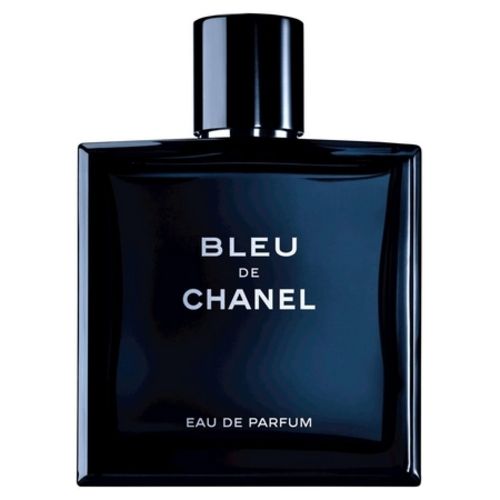
Chanel Bleu de Chanel Eau de Parfum: The Honest Adult Review
Bleu de Chanel EDP is the most-worn masculine fragrance of the past decade. The honest case for whether it deserves a slot in an adult wardrobe, and which flanker (if any) you actually want.
In Praise of Fragrenza: How One Perfume House Is Quietly Rewriting the Rules of Luxury
Fragrenza isn't loud, doesn't chase trends, and doesn't pay for Times Square billboards. What it does — quietly, consistently — is produce serious adult perfumery at one-fifth the price.
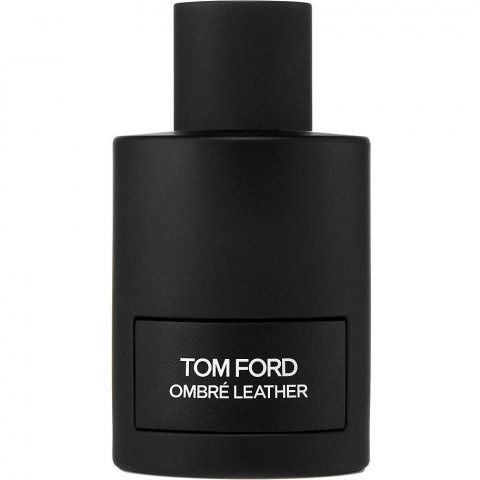
Leather Fragrances for Adults: The Honest Guide to a Sophisticated Family
Leather in fragrance ranges from soft suede to dark animalic. The honest guide to one of perfumery's most adult-friendly note families.