Fall Fragrances for Men After 40: The Transition into Warmth
Fall fragrance bridges summer freshness to winter warmth. The right autumn scent has spice, woods, and warmth without becoming oppressive. Here's the guide for adults.
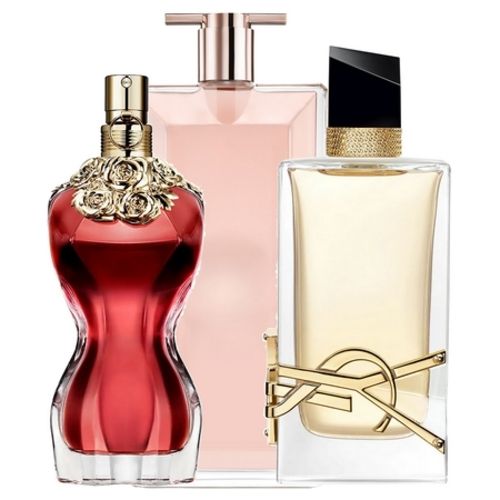
Fall fragrance is the transition into winter warmth — richer than spring or summer choices, but not as heavy as the deepest winter oriental or oud. As September turns to November in most climates, the cool mornings and warming afternoons call for fragrance that bridges seasons. Light summer citrus disappears in cool fall air; deep winter oriental feels premature in October temperatures.
For adults building a 4-bottle fragrance wardrobe, fall is the season where the rotation shifts toward heavier bottles. The summer cologne goes back on the shelf; the fall fragrance becomes daily; eventually the winter heavy oriental takes over as cold weather sets in.
This guide covers what makes a fragrance fall-appropriate, the categories that work, the bottles worth knowing, and how to navigate the transition from summer to winter.
The fast answer
Fall fragrance categories that work: warm spicy (cardamom, pepper, cinnamon), tobacco-leather, woody-aromatic with depth (vetiver, sandalwood, cedar with spices), light gourmand (vanilla, fig, honey without being too sweet), and refined oud (lighter Western interpretations, not heavy Middle Eastern). Avoid: pure citrus (too light for cool air), aquatics (read cold and wrong), and at the other extreme, full beast-mode winter orientals (too heavy until temperatures truly drop). Standout fall bottles: Tom Ford Tobacco Vanille, Maison Francis Kurkdjian Grand Soir, Frederic Malle Musc Ravageur, Hermès Terre d'Hermès Parfum, Tom Ford Oud Wood, Le Labo Santal 33, Diptyque Tam Dao, By Kilian Angels' Share, Acqua di Parma Colonia Oud, and Penhaligon's Halfeti. Apply 3-4 sprays — between summer light (2-3) and winter heavy (4-5). As fall progresses October → November → early December, the rotation gradually shifts toward heavier winter choices.
That's the structure. The texture is below.
Why fall fragrance is its own category
Fall, like spring, is a transitional season — but in the opposite direction. Spring transitions from cool to warm; fall transitions from warm to cool. The fragrance considerations:
Cool morning, warm afternoon. Fall days often start cold and end warmer (or vice versa depending on weather). Fragrance choice needs to work across the day's temperature range.
Outdoor activity increases for some. Hiking, walking, outdoor events. Fragrance that performs in cool outdoor air without becoming oppressive when you walk into a heated indoor space.
Indoor heating starts. Heated indoor environments amplify projection; a fragrance that's perfect outdoors at 50°F may project too much in a 70°F heated office.
Aesthetic shifts toward warmth. Fall clothing leans toward wool, leather, deeper colors. Fragrance choice often matches — warmer, deeper notes feel more aligned with fall wardrobes than light summer scents.
The result: fall fragrance occupies the middle ground between summer's brightness and winter's depth.
What categories work in fall
Warm spicy
Cardamom, pepper, cinnamon, ginger, clove. Often paired with woody or amber bases. Quintessential fall character.
- YSL La Nuit de L'Homme EDP ($120) — cardamom, lavender, cumin
- Tom Ford Noir ($110) — black pepper, cardamom, violet, rose
- Penhaligon's Sartorial ($265) — modern aromatic with spice
- Mancera Cedrat Boise ($120) — citrus-spice-woody
Tobacco and leather
Distinct fall categories. Dry tobacco and supple leather work in cool air.
- Tom Ford Tobacco Vanille ($295) — sweet tobacco, vanilla
- Tom Ford Tuscan Leather ($295) — refined leather (luxury option)
- By Kilian Angels' Share ($295) — cognac, vanilla, tobacco
- Maison Margiela By the Fireplace ($150) — smoky tobacco
- Dior Tobacolor ($300) — sweeter tobacco
Woody-aromatic with depth
Vetiver, sandalwood, cedar paired with spices or warmth.
- Hermès Terre d'Hermès Parfum ($150) — earthy orange-vetiver
- Le Labo Santal 33 ($210) — sandalwood, leather, cedar
- Diptyque Tam Dao ($150) — clean sandalwood
- Tom Ford Oud Wood ($265) — refined Western oud
- Frederic Malle Vetiver Extraordinaire ($300) — vetiver-focused
Light gourmand
Vanilla, fig, honey, dried fruit without being too sweet.
- Tom Ford Tobacco Vanille ($295) — already mentioned; gourmand overlap
- By Kilian Black Phantom ($240) — coffee, dark rum, vanilla
- Atelier Cologne Vanille Insensée ($170) — refined vanilla
- Mancera Aoud Vanille ($120) — vanilla with oud
Refined oud (lighter Western interpretations)
Not heavy Middle Eastern oud, but Western reinterpretations.
- Tom Ford Oud Wood ($265) — clean refined oud
- Acqua di Parma Colonia Oud ($230) — Italian-style oud
- Frederic Malle The Night ($350) — refined oud
- Penhaligon's Halfeti ($340) — rose, oud, leather
Aromatic fougère with warmth
Classic structures updated with fall character.
- Frederic Malle Musc Ravageur ($300) — musky-amber-spice
- Maison Francis Kurkdjian Grand Soir ($275) — amber-benzoin
- Penhaligon's Sartorial ($265) — modern fougère
What categories struggle in fall
Pure light citrus (Acqua di Parma Colonia, Atelier Cologne Orange Sanguine) — too thin for cool fall air; the freshness disappears within an hour. Save for warm weather.
Aquatics (Davidoff Cool Water, Issey Miyake L'Eau d'Issey) — read as cold and wrong against autumn's warming aesthetic.
Light green/herbal (Hermès Un Jardin Sur Le Nil) — works in transitional early fall but feels light as autumn deepens.
Heavy winter beast-mode (the deepest Amouage opulent orientals at full dose) — premature in October-November; save for true cold weather.
You can wear summer fragrances in early fall and winter fragrances in late fall — but the dedicated fall category bridges these more naturally.
Standout fall bottles by context
For office (fall office cologne)
- Bleu de Chanel EDP ($120) — year-round; especially well-suited to fall
- Hermès Terre d'Hermès Parfum ($150) — sophisticated woody-citrus
- Tom Ford Grey Vetiver ($170) — clean refined vetiver
- MFK Grand Soir applied lightly ($275) — premium option for adult office
See office-safe colognes for men after 40 for the broader office framework.
For casual / weekend
- Le Labo Santal 33 ($210) — distinctive casual
- Diptyque Tam Dao ($150) — clean sandalwood
- YSL La Nuit de L'Homme EDP ($120) — casual evening transition
- Maison Margiela By the Fireplace ($150) — distinctive smoky-vanilla
For evening / dressed up
- Tom Ford Tobacco Vanille ($295) — the modern fall evening classic
- MFK Grand Soir ($275) — refined warm
- Frederic Malle Musc Ravageur ($300) — sensual evening
- By Kilian Angels' Share ($295) — sophisticated gourmand
- Tom Ford Oud Wood ($265) — refined oud evening
See date night fragrances for adults after 40 for date-specific guidance.
How to apply in fall
The middle-ground approach between summer and winter:
Volume: 3-4 sprays for most fall fragrances. Less than winter (4-5); more than summer (2-3).
Application points: Skin only. Neck, chest, inside wrists. Can spray under collar where body heat amplifies (works better as weather cools).
Timing: 30+ minutes before social context for top notes to settle.
Reapplication: Rarely needed. Fall fragrances typically last 6-8 hours; one application covers most of a day.
Adapting to indoor heating: Fall's heating systems amplify projection. If you've over-applied, expect projection to feel stronger in heated indoor spaces than outdoors. Adjust dose downward when in heated environments.
How fall fits with a wardrobe approach
For adults using a 4-bottle wardrobe:
Most common approach: the "evening" slot becomes the fall daily as temperatures cool. The summer bottle goes back on the shelf. The office bottle (Bleu de Chanel) continues year-round.
More elaborate approach: a dedicated fall bottle separate from the four core slots. Useful for adults who enjoy fragrance deeply and want season-specific rotation.
The wardrobe rotation through the year:
- Summer: warm-weather bottle daily; light office option
- Early fall (September): transition — lighter fall scent like Terre d'Hermès Parfum
- Mid fall (October-November): full fall scents — Tobacco Vanille, Grand Soir
- Late fall / early winter: shift toward winter rotation — heavier orientals come out
- Winter: full winter rotation — Tobacco Vanille, Tom Ford Oud Wood, beasts as appropriate
The fall slot bridges. A quality fall fragrance often serves the August-November range, then yields to winter choices.
What changes from summer to fall
If you've been wearing a summer rotation, the fall shift involves:
- Light citrus → warm spicy or woody for daytime
- Increased dose (2-3 → 3-4 sprays)
- Switch to higher concentrations if available (EDT → EDP for fragrances with both)
- Heavier base notes acceptable (where they'd be cloying in summer)
- Outdoor wear shifts as activities and clothing change
The shift typically happens when consistent daytime temperatures drop below 65°F. For northern climates: September-October. For southern climates: November or later.
What changes from fall to winter
As fall transitions to winter:
- Spicy → deeper oriental and oud as primary daytime
- Slightly more sprays (3-4 → 4-5 for heavy projection bottles)
- Apply to chest under shirt for amplification by body heat
- Plan for indoor-outdoor transitions — winter indoor heating creates differential
- Save warmest bottles for evening — even fall daytime tolerance has limits
The fall fragrance often serves through November; by December the deeper winter selections take over.
Common mistakes
Wearing summer fragrances in November. Light citrus disappears in cool air. Switch as temperatures drop.
Wearing deep winter beasts in early September. Heavy oriental in 70°F October weather feels oppressive. Save for true cold.
Over-applying in heated indoor environments. Fall heating systems amplify projection. The dose that works outdoors may be too much indoors.
Skipping fall fragrance entirely (jumping from summer to winter). Misses the bridging that produces seasonally-appropriate choices.
Same dose year-round. Heat/cold affect projection by 30-50%. Adjust dose seasonally.
Buying dedicated fall bottle that gets minimal use. If fall is brief in your climate, the same versatile bottle (Tobacco Vanille works fall-into-winter) is more practical than a dedicated October-only bottle.
Not considering olfactory adaptation in seasonal transitions. You adapt to your daily fragrance and can't accurately self-assess. Trust the seasonal categorization rather than what feels right to your nose.
Spraying on fabric in fall. Fall jackets and sweaters hold fragrance for weeks. Apply to skin only.
Mismatching fragrance to weather pattern. A 75°F fall afternoon isn't winter; don't wear winter weight then. Match the day's actual conditions.
How fall fragrance fits with the rest of seasonal style
Fall fragrance pairs with:
- Heavier outerwear — wool overcoat, leather jacket coming back into rotation
- Warmer color choices — earth tones, deeper colors
- Fall casual uniform — denim, sweaters, boots
- Updated grooming — beard or hair adjustments for fall
The compounding logic: cohesive fall presentation (clothing, grooming, fragrance) reads as adult coordination. Wearing summer fragrance with winter clothes — or vice versa — creates inconsistency.
FAQ
What's the best fall fragrance for men over 40? Tom Ford Tobacco Vanille is the modern standard for fall evening. Hermès Terre d'Hermès Parfum for daytime. YSL La Nuit de L'Homme EDP for date wear. Adults can pick based on context and preference within those.
Can I wear my year-round fragrance in fall? Yes for versatile bottles (Bleu de Chanel, Aventus). For season-specific bottles, fall is when transition happens.
How many sprays of cologne in fall? 3-4 typically. Between summer (2-3) and winter (4-5). Adjust based on whether you'll be primarily indoor (heated) or outdoor (cool).
Do I need a dedicated fall fragrance? Optional. Adults with a 4-bottle wardrobe often use the evening bottle as fall daily. Adults wanting more variety may add a fifth dedicated fall slot.
When does fall fragrance transition to winter fragrance? When consistent daytime temperatures drop below 50°F. For northern climates: November-December. For southern climates: December or later. Follow the actual weather, not the calendar.
Should I switch concentrations in fall? For some bottles, yes — EDP versions are more substantial than EDT and better suited to cool air. Bleu de Chanel EDP for fall/winter; EDT for summer.
Are gourmand fragrances appropriate for adult men in fall? Sophisticated gourmands (Tom Ford Tobacco Vanille, MFK Grand Soir, By Kilian Angels' Share) work for adult men in fall and winter. Cheap sugary gourmands (some 2010s designer launches) skew juvenile regardless of season.
Can I wear oud in fall? Refined Western oud (Tom Ford Oud Wood, Acqua di Parma Colonia Oud) works for fall. Heavy Middle Eastern oud is typically too much for fall daytime; save for evening or true winter.
Related guides: building a fragrance wardrobe after 40, winter fragrances for men after 40, spring fragrances for men after 40, summer fragrances for men after 40, date night fragrances for adults after 40.
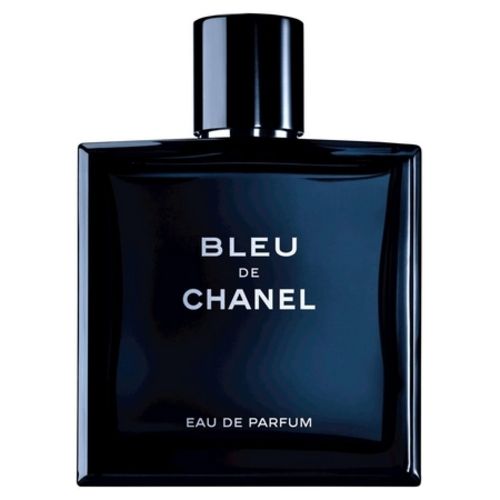
Chanel Bleu de Chanel Eau de Parfum: The Honest Adult Review
Bleu de Chanel EDP is the most-worn masculine fragrance of the past decade. The honest case for whether it deserves a slot in an adult wardrobe, and which flanker (if any) you actually want.
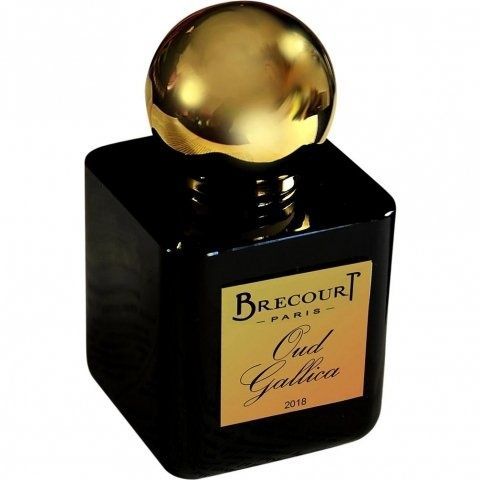
In Praise of Fragrenza: How One Perfume House Is Quietly Rewriting the Rules of Luxury
Fragrenza isn't loud, doesn't chase trends, and doesn't pay for Times Square billboards. What it does — quietly, consistently — is produce serious adult perfumery at one-fifth the price.
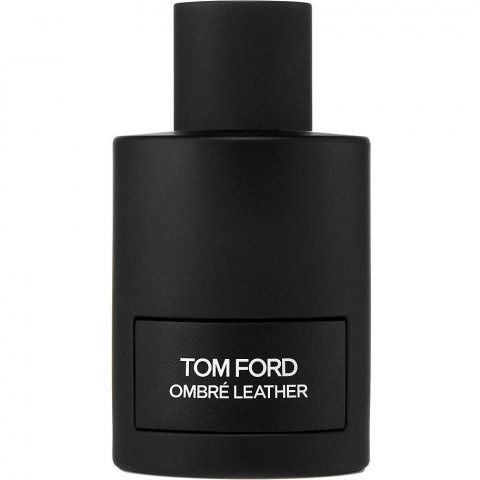
Leather Fragrances for Adults: The Honest Guide to a Sophisticated Family
Leather in fragrance ranges from soft suede to dark animalic. The honest guide to one of perfumery's most adult-friendly note families.