How to Store Cologne: Make Your Bottles Last Years Longer
Most colognes don't go bad — they get killed. Light, heat, and air do the damage. Store your bottles right and they outlive their reformulations.
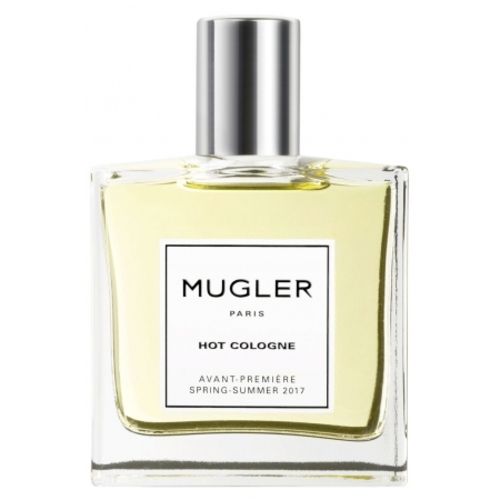
A bottle of fragrance is a chemistry experiment running in slow motion. The moment it leaves the factory, light is breaking down its top notes, oxygen is oxidizing its citrus and aldehydes, and ambient heat is accelerating both. Stored badly, a $200 bottle of niche cologne can smell noticeably off within eighteen months. Stored well, the same bottle will smell almost identical to the day you bought it three to five years later — and in some cases will get better as the base notes settle. This guide covers what actually damages fragrance, where in your house you should and shouldn't keep it, what shelf life really looks like, and how to tell when a bottle has finally turned.
The three things that kill fragrance
Almost every cologne degradation story comes down to three variables: light, heat, and oxygen. Get those right and you can mostly ignore everything else.
Light — especially UV — breaks down the aromatic molecules that make a fragrance smell like itself. Citrus oils (bergamot, lemon, neroli) are the most vulnerable; they oxidize into harsh, slightly metallic notes that smell more like furniture polish than fruit. This is why almost every serious fragrance ships in a colored or coated bottle. A clear glass flacon sitting on a sunny dresser is the worst-case scenario. Even ambient indoor light over years will dull a fragrance's brightness.
Heat speeds up every chemical reaction inside the bottle. The general rule from organic chemistry — reaction rates roughly double for every 10°C — applies. A cologne kept at 28°C in a steamy bathroom ages roughly twice as fast as one kept in a 18°C closet. Heat also expands the air inside the bottle, which pushes more vapor out through the atomizer seal and pulls more fresh air in when it cools. That cycle compounds the oxygen problem.
Oxygen is the slow killer. Once a bottle is opened — and especially once it's half-empty — there's enough air in the headspace to slowly oxidize the alcohol carrier and the fragrance molecules suspended in it. This is why the second half of a fragrance bottle almost never smells exactly like the first half. The change is subtle in well-stored bottles and dramatic in badly-stored ones.
If you internalize only one rule from this guide, make it this: cool, dark, sealed, upright. Everything else is detail.
Where not to store fragrance
Three locations cause more damage than every other variable combined.
The bathroom. This is where almost everyone keeps cologne, and it's the worst place in the house. Showers spike the temperature and humidity 10–15° several times a day, then drop it back. That repeated thermal cycling does more damage than steady warmth would. The humidity also degrades box graphics and dampens any wood or paper packaging that's part of the bottle's seal integrity. If your fragrance lives on the bathroom counter, you're losing roughly a year of useful life off every bottle.
A sunny windowsill or dresser top. Same problem as the bathroom but for a different reason — direct or indirect UV is the fastest way to bleach a fragrance's top notes. Even a north-facing window provides enough scattered light over months to noticeably dull a bergamot opening. Display, if you must, but display in a closed cabinet with the bottles boxed.
A car glove compartment. Summer interior temperatures in a parked car routinely hit 50–65°C. That's hot enough to permanently damage a fragrance in a single afternoon. Travel bottles stored in cars for road trips are fine; bottles lived in a car are not.
The corollary: the best place to store cologne in most homes is a closet shelf or a drawer in an interior room. Stable temperature, no light, low humidity. If you're picky, a wooden dresser drawer with the bottles in their original boxes is essentially perfect.
What "shelf life" actually means
Fragrance houses generally print or stamp a batch code, not an expiry date. The unofficial industry expectation is three years from production for an opened bottle, five years for an unopened bottle, stored under normal conditions. Reality is much messier than that.
| Storage condition | Realistic useful life (opened) |
|---|---|
| Cool, dark closet, original box, upright | 5–8 years, often longer for woody/amber compositions |
| Bedroom dresser, no direct light, boxed | 4–6 years |
| Bedroom dresser, unboxed, ambient light | 2–4 years |
| Bathroom counter, hot showers daily | 1–2 years before noticeable degradation |
| Sunny windowsill | 6–18 months |
| Car or garage | 3–9 months before serious damage |
These ranges are for genuine eau de parfum and parfum concentrations. Lighter concentrations (eau de toilette, eau de cologne) degrade faster across the board because they contain more alcohol relative to fragrance oil, and alcohol is what oxidizes first. For more on what concentration buys you, see our breakdown in how long cologne lasts — the real performance guide.
There's also genuine compositional variation. Citrus-heavy openings (most freshies, colognes-traditionelles, anything with prominent bergamot or lemon) degrade fastest. Heavy oriental, oud, amber, and tobacco compositions can last a decade in good storage and sometimes improve as the alcohol partially evaporates and the base notes concentrate.
Should you refrigerate fragrance?
This question divides serious collectors. The short answer is: refrigeration helps a lot, but the dedicated kind, not a kitchen fridge.
A standard kitchen refrigerator runs at 3–5°C and is loaded with food odors that can — over years — permeate seals. The thermal swing when you open and close it many times a day is also not ideal. Storing a $250 bottle of Aventus next to leftover Thai food isn't the move.
A wine fridge or dedicated fragrance fridge at 12–15°C is excellent. That's cool enough to slow oxidation dramatically, warm enough to avoid condensation when bottles come out, and stable. A modest 24-bottle wine fridge can store an entire serious collection. Specialized fragrance fridges exist but are usually rebranded thermoelectric coolers with a markup.
If refrigeration isn't on the table — and for most adults it isn't — the closet/drawer baseline is more than enough for fragrances you actively wear. Save the cold storage thinking for bottles you want to preserve untouched, like a discontinued formulation you bought to last decades. We cover preservation-versus-use tradeoffs in vintage vs reformulated fragrances.
Bottle position, packaging, and atomizer hygiene
A few small choices that matter more than people expect:
- Store bottles upright. Lying flat for long periods lets the fragrance soak the atomizer seal from the inside, accelerating oxidation through the spray mechanism and sometimes corroding the metal collar. Upright keeps the seal dry.
- Keep the original box. It's not collector fetishism — the box is a UV barrier and an insulator. A boxed bottle in a drawer ages noticeably slower than an unboxed one in the same drawer. If you've thrown the boxes away, a generic small cardboard storage box achieves 95% of the same protection.
- Cap it after every wear. Leaving the atomizer exposed for hours lets air diffuse into the bottle through the spray pin. Capping immediately doesn't seal it perfectly but cuts the airflow by an order of magnitude.
- Don't decant into clear glass. If you decant for travel, use a colored or coated atomizer and use the decant within a few weeks. Decants in clear glass on a bathroom counter degrade in days, not months.
- Don't wipe the atomizer with anything. A wet cloth or alcohol wipe across the spray pin pulls fragrance residue back into the mechanism. Leave it alone.
The one thing that surprises people: a half-empty bottle has roughly 5x the oxygen exposure of a freshly opened one, because of the headspace. If you have a bottle you love and a backup, finishing the open bottle before opening the backup is the right move — not splitting your wear between two half-bottles.
How to tell when a fragrance has turned
A degraded fragrance announces itself in three predictable ways:
- The top notes are gone. Spray on skin or on a paper strip, and instead of the bright bergamot/citrus/aldehyde opening you remember, you get a flat, vaguely chemical alcohol blast that fades in a minute. The middle and base notes might still smell roughly right, but the opening — the first 15 minutes of the wear — is dead.
- A sour or vinegar note appears. Oxidized alcohol smells faintly acidic and metallic. It usually shows up in the dry-down or on a paper strip after 30 minutes. This is the strongest single signal that a bottle is past its useful life.
- The color has darkened or clouded. Most fragrances yellow slightly with age — that's normal. A fragrance that's gone from pale gold to amber-brown, or one that's developed haze or sediment, is well past its prime. Reformulated fragrances often shift color too; a sudden color change in a single bottle you've had for years means it's the bottle, not the formula.
A turned fragrance isn't dangerous to wear — the alcohol carrier kills anything that might be growing — but it doesn't smell like itself anymore, and it will project differently and unflatteringly on skin. The kind thing is to retire it. We talk about when to retire and replace bottles in building a fragrance wardrobe after 40.
Travel: keeping fragrance alive on the road
Travel breaks every storage rule at once — heat, light, vibration, pressure changes. A few habits keep damage minimal:
- Decant into a small (5–10 mL) atomizer for trips under a week. Don't carry a full retail bottle through TSA, hotel temperature swings, and back. The risk-reward is bad.
- Pack decants in a toiletry bag inside the suitcase, not in the seat-back pocket where direct sun through a plane window will cook them.
- Don't store decants long-term. They have a high air-to-fragrance ratio and degrade in weeks, not years. Refill as needed.
- Check before you fly. A small atomizer that's nearly empty can leak in cabin pressure if it has loose seal threads. Tighten after every refill.
For the fragrance-as-travel-essential angle, our date night fragrances for adults after 40 and office-safe colognes for men after 40 guides cover what's actually worth the suitcase real estate.
What about niche, vintage, and limited-edition bottles?
These are the bottles where storage discipline pays off most. Niche houses (Amouage, MFK, Roja, BDK) charge enough that an extra 18 months of useful life on a $300 bottle is real money. Vintage bottles you bought specifically because you don't trust the modern reformulation are essentially time capsules — every storage shortcut shortens the window. And limited editions can't be replaced when they're gone, period.
For bottles in these tiers:
- Box it. Always.
- Closet shelf, interior room, away from any vent that blows warm or cold air.
- Don't decant unless you're going to actively use the decant within weeks.
- Track which bottles you've opened. A simple note inside the box with the open date helps you prioritize which to finish first.
If you collect deliberately rather than just accumulate, see our take on which niche houses are worth the premium in niche fragrance brands worth knowing after 40 and the broader niche fragrance vs designer — what's worth the premium.
Common mistakes
- Storing in the bathroom. Universal and universally wrong. Move them.
- Throwing away the boxes "to save space." The box is genuine protection. Keep at least the ones for bottles over $100.
- Lying bottles flat in a drawer for years. Atomizer-down storage corrodes seals.
- Decanting into clear glass for "display." You're watching your fragrance die in fast-forward.
- Buying backup bottles and storing both opened. Finish one before opening the other; otherwise both age.
- Wiping atomizers or "cleaning" the bottle exterior with anything wet. Leave the bottle alone except for the occasional dust with a dry microfiber.
- Assuming a fragrance is bad because it smells different on skin today than last year. Your skin chemistry, the season, and your nose all change. Test on a paper strip before you blame the bottle. Why fragrance smells different on different people explains the skin side of this.
- Storing fragrance in a garage, attic, or any uninsulated space. Temperature swings of 30–40°C across seasons will destroy any fragrance in two to three years.
FAQ
Does fragrance actually go bad, or just smell different? Both, depending on what failed. Real oxidative degradation produces sour/metallic off-notes and dead top notes — that's gone-bad. Top notes naturally evolve a little over the first months of a bottle's life as the formula settles; that's "different but not bad." The way to tell them apart is to compare a new spray on a paper strip against your memory of the original opening. If the opening is flat and slightly chemical, it's degraded. If it's just a touch softer and rounder, it's fine.
Can I freeze cologne to preserve it? You can but you shouldn't. Freezing won't damage the fragrance itself, but the thermal cycling when you take a bottle in and out causes condensation inside the atomizer mechanism and can crack older glass. Refrigeration at 12–15°C is the better preservation strategy.
How long does an unopened bottle last? Stored cool, dark, and upright, an unopened bottle of EDP can easily make 7–10 years without serious degradation. Some collectors have unopened mid-2000s bottles that still test cleanly. The seal is the variable — older crimped atomizer collars seep slightly over decades; modern threaded ones are tighter.
Is yellowing a problem? Mild yellowing is normal and harmless — many fragrances naturally darken as the woody, amber, and vanilla base notes interact with light and air over years. Sudden darkening, haze, or visible sediment is a problem. A fragrance that's gone from pale champagne to deep amber over five years probably still smells fine. A fragrance that did the same in eight months has been heat-damaged.
Should I keep fragrance in the fridge during summer heatwaves? If your house regularly hits 28°C+ for days at a time and you don't have AC, yes — temporarily moving valuable bottles to a wine fridge or even a cool basement is sensible. The damage from a couple of months of high heat is real. Bring them back to closet temperature gradually rather than going straight from cold to a hot room.
Why does the second half of my bottle smell different than the first? Headspace oxidation. As you use a bottle, the air volume inside increases and the fragrance-to-air ratio drops, so the remaining liquid oxidizes faster per unit volume. A well-stored bottle shows this only subtly; a bathroom bottle can be noticeably different by the time it's three-quarters empty. There's no fix beyond storing better and using bottles you love at a normal pace.
Does spraying use up cologne faster than dabbing? Marginally yes — every spray sucks in fresh air through the atomizer to equalize pressure. Over hundreds of sprays this adds up, but the difference is small compared to where you store the bottle. Don't switch to dabbing for preservation reasons; switch only if you prefer the application.
Are there fragrances that genuinely improve with age? A few. Heavy oud, vintage chypres, animalic compositions, and some tobacco/leather scents can mellow and gain depth over years as the harsh edges round off. Most modern citrus-and-aquatic releases do not improve; they just decline more or less gracefully. If you're curious about preserving formulations specifically because they got reformulated, that's the topic of vintage vs reformulated fragrances.
Related guides
If this storage guide helped, the natural follow-ups are how long cologne lasts — real performance guide, building a fragrance wardrobe after 40, and how to test fragrance before you buy. For the chemistry of why a fragrance smells the way it does on you, why fragrance smells different on different people.
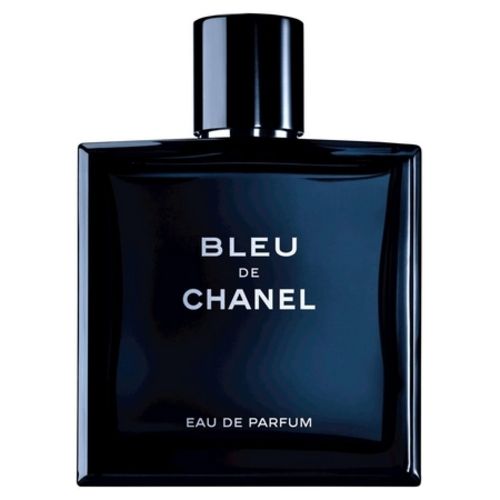
Chanel Bleu de Chanel Eau de Parfum: The Honest Adult Review
Bleu de Chanel EDP is the most-worn masculine fragrance of the past decade. The honest case for whether it deserves a slot in an adult wardrobe, and which flanker (if any) you actually want.
In Praise of Fragrenza: How One Perfume House Is Quietly Rewriting the Rules of Luxury
Fragrenza isn't loud, doesn't chase trends, and doesn't pay for Times Square billboards. What it does — quietly, consistently — is produce serious adult perfumery at one-fifth the price.
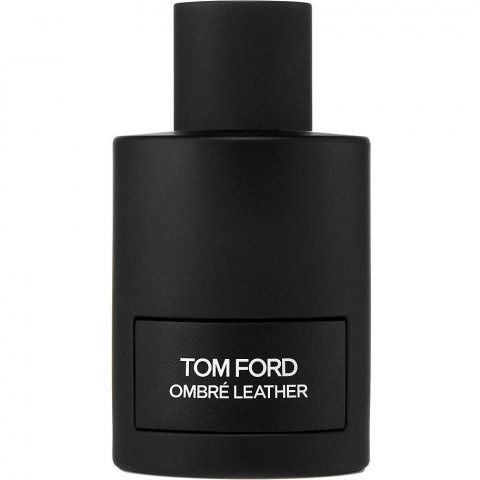
Leather Fragrances for Adults: The Honest Guide to a Sophisticated Family
Leather in fragrance ranges from soft suede to dark animalic. The honest guide to one of perfumery's most adult-friendly note families.