Niche Fragrance vs Designer: What's Actually Worth the Premium?
Niche perfumery offers composition and distinction designer fragrances rarely match — at 2–4× the price. The honest framework for deciding when the premium is worth it and when it isn't.
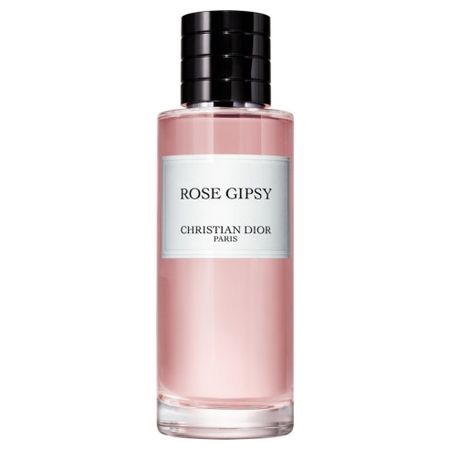
A $300 Le Labo, a $250 Frederic Malle, a $400 Roja Parfums — niche fragrances cost two to four times what mainstream designer fragrances do. Sometimes the premium delivers a genuinely better, more distinctive scent that the wearer will love for years. Sometimes it's status pricing wrapped around composition that doesn't actually outperform a $90 Chanel or Hermès. The trick — and the difference between confident niche buying and expensive regret — is knowing how to tell the two situations apart.
This is the practical buyer's framework: what "niche" actually means, where it genuinely delivers, where it's largely marketing, the brands worth knowing, how to sample without losing money, and the specific questions to ask before committing to a $300 bottle. Pair with Best Fragrances for Men Over 40, Best Fragrances for Women Over 40, How to Build a Signature Scent for Men, Clean Fragrances That Smell Expensive, and Inspired-By Fragrances: An Honest Guide to Designer Dupes for the broader fragrance system.
What "niche" actually means
"Niche" originally referred to small, independently-owned fragrance houses producing fragrances outside the mainstream designer market. The distinction was real:
- Smaller production runs (sometimes batch-numbered).
- Higher-quality raw materials (more expensive naturals, premium synthetics).
- More distinctive composition (perfumer-led, not focus-grouped).
- Limited distribution (specialty shops, brand boutiques, not department stores).
That definition has eroded as "niche" became a marketing category. Today many brands marketed as niche have:
- Mainstream ownership (Estée Lauder owns Tom Ford, Le Labo, Frederic Malle, By Kilian).
- Wide distribution (Sephora carries plenty of "niche").
- Production at scale similar to designer houses.
- Marketing budgets in the millions.
The line between "true niche" and "premium-designer-marketed-as-niche" is blurry. The pricing premium remains — niche-positioned fragrances cost 2–4× designer prices regardless of true production economics.
Where niche actually delivers
Real differences exist. Niche fragrances can offer:
1. Distinctive composition
Designer fragrances are commissioned to maximize sales across broad markets. The composition gets focus-grouped, sanded smooth, and constrained to be broadly likeable. The result: dozens of broadly similar fresh-spicy or sweet-clean fragrances that converge on the same middle.
Niche fragrances are often perfumer-led — a creator with a specific vision rather than a marketing brief. The result is more distinctive: smoky tobacco, complex oud, unusual florals, recognizable signatures. Wearing them feels less like wearing what everyone else wears.
If "I want a fragrance that nobody else is wearing" matters to you, niche genuinely delivers.
2. Premium materials at higher concentrations
Specific examples where the materials make a difference:
- Real ambergris (vs. synthetic ambroxan) — adds depth and complexity to base accords.
- Real natural oud (vs. synthetic oud-accord) — much more expensive raw material, more complex aroma.
- Premium rose absolute (vs. cheaper rose synthetics or extracts) — richer, more multi-dimensional rose note.
- Higher fragrance-oil concentration — niche EDPs often run 18–25% oil concentration vs designer EDP's 15–18%.
Whether this matters to you depends on whether you can tell the difference at the wearing stage. Many adults can in side-by-side; fewer can in normal wear; few care enough to pay the premium.
3. Sustained development
Premium materials and higher concentrations often produce fragrances that develop over longer arcs — more changes between hour 1, hour 4, and hour 8. The full experience of a well-built niche fragrance is closer to listening to an album front-to-back, whereas a designer fragrance is closer to listening to a single.
For wearers who enjoy fragrance as an experience throughout the day, this matters. For wearers who just want to smell good for an evening, less so.
4. Boutique and brand experience
Niche brands often have curated boutiques, knowledgeable staff, and shopping experiences that designer fragrances don't replicate. Some adults legitimately enjoy this; others find it pretentious. Personal preference.
Where niche is largely marketing
The honest other side:
1. "Status premium" baked into pricing
A meaningful fraction of niche pricing is brand cachet — paying for the bottle and the name rather than the juice. A $300 Le Labo bottle doesn't have $300 of materials in it; the production cost is closer to $30–$50. The rest is brand premium.
Designer fragrances have markup too (the Chanel bottle isn't priced based on production cost). But the ratio of brand premium to actual product is usually higher in niche than designer.
2. Diminishing returns above $150
The gap between $40 designer and $90 well-formulated designer (Hermès, Chanel, Tom Ford) is real and noticeable. The gap between $90 well-formulated designer and $300 niche is much smaller — sometimes nonexistent on a particular skin.
The Hermès Terre d'Hermès vs Frederic Malle Vetiver Extraordinaire comparison is instructive: both are excellent vetiver-forward fragrances; the Frederic Malle is significantly more refined, but the Hermès is 1/3 the price and many wearers can't reliably tell them apart at hour 4.
3. Some niche brands are dupe-quality
Not all niche is well-formulated. A meaningful subset of niche houses produce mediocre fragrances at premium prices, riding on brand positioning rather than actual quality. The fragrance enthusiast community is harshly critical of these — but they sell to less-informed buyers.
If the brand is unfamiliar and pricing is high, look up multiple independent reviews before buying.
4. Status-shopping is real
Some wearers buy niche specifically to wear something distinctive — the social signal "I wear Frederic Malle" rather than the actual scent experience. This is legitimate if it's what you want, but it's worth being honest about the motivation. You're paying for status as well as fragrance.
How niche compares to designer at the relevant price points
| Category | Designer (~$100) | Niche (~$300) |
|---|---|---|
| Composition quality | High — major brands produce excellent fragrances | Higher (often) — perfumer-led, premium materials |
| Distinctiveness | Lower — broadly likeable, less unique | Higher — more recognizable signatures |
| Longevity | 4–8 hours typical | 6–10 hours typical |
| Sillage (projection) | Moderate | Varies — some quieter, some louder |
| Skin chemistry tolerance | Often more forgiving (broad-appeal formulations) | Sometimes finicky (more specific compositions) |
| Resale value | Modest | Stronger for some brands (Roja, Creed, MFK) |
| "Smells expensive" | Yes when chosen well | Yes more reliably |
The pattern: niche is often better, especially at distinctiveness and composition. Designer is usually 80–90% as good at 30% of the price. Whether the gap is worth 3× pricing is personal.
Brands worth knowing across the niche spectrum
True-niche, perfumer-led (smaller, independent or independent-feeling)
- Frederic Malle — perfumer-led house; among the most-respected. Bigarade Concentrée, Vetiver Extraordinaire, Cologne Indélébile.
- Bvlgari Le Gemme line — luxury bvlgari spinoffs at premium pricing.
- MFK (Maison Francis Kurkdjian) — modernist, very well-regarded. Baccarat Rouge 540 is famous (sometimes too famous now).
- Diptyque — French perfumery, broad lineup, often elegant restraint.
- L'Artisan Parfumeur — French heritage; broad lineup.
- Serge Lutens — distinctive, sometimes polarizing, perfumer-led.
- Andy Tauer — independent Swiss perfumer; small, vivid, distinctive.
- Imaginary Authors — small American brand; story-led, varied.
- D.S. & Durga — American brand, often Brooklyn-cool aesthetic.
- Frederic Malle, Diptyque, MFK are the safest "buy-blind-on-recommendation" options for adults new to niche.
Premium-luxury (sometimes called niche, sometimes their own category)
- Tom Ford Private Blend ($350–$650) — major-brand luxury line.
- Creed ($300–$500+) — heritage brand, famous for Aventus.
- By Kilian ($240–$650) — heavy, often gourmand.
- Roja Parfums ($400+) — opulent, polarizing, expensive.
- Amouage ($300+) — Middle Eastern luxury; complex.
- Xerjoff ($250+) — Italian luxury; distinct.
- Clive Christian ($1000+) — ultra-luxury; questionable value/quality ratio.
"Niche-positioned" but actually designer-tier
- Le Labo, Frederic Malle (both Estée Lauder-owned) — quality is real but positioning leans on niche-cachet.
- Maison Francis Kurkdjian (LVMH-owned) — same.
- Initio Parfums Prives — niche-positioned, often mediocre composition for the price.
Brands often hyped for sketchy reasons
- Lattafa, Armaf, and other dupes-of-dupes sometimes marketed as niche.
- Some Instagram-popular boutique brands with thin track records.
- Anything described primarily by "limited edition" or "exclusive" rather than perfumer name.
How to sample niche without losing money
Niche fragrance buying without sampling is the single fastest way to waste serious money. Three sampling approaches:
1. Brand discovery sets
Most niche houses sell discovery sets — 5–10 samples in tiny vials (1–2 ml each) for $25–$80. These are usually credited toward a future full-bottle purchase.
Worth getting first if you're new to a brand:
- Le Labo discovery set (~$45)
- Frederic Malle discovery set (~$70)
- Diptyque discovery set (~$40)
- Atelier Cologne discovery set (~$45)
2. Decant sites
For specific samples from many brands, decant sites like Scent Decant, MicroPerfumes, Olfactif, and Surrender to Chance sell 1–10 ml decants of individual fragrances at reasonable prices ($5–$40 per sample). Best way to compare across brands.
3. Specialty boutique visits
If you live near a major city, niche-fragrance specialty boutiques (Twisted Lily in NYC, Indigo Perfumery in Cleveland, Smell Bent in LA, etc.) let you sample dozens of fragrances in person with knowledgeable staff. Worth a trip if you're serious about exploring the category.
The sampling methodology — wearing each fragrance for at least 3 days on skin before deciding — applies even more to niche than to designer. The cost of a wrong decision is much higher. See How to Build a Signature Scent for Men for the full sampling protocol.
The questions to ask before buying niche
Five questions to ask yourself before spending $200+ on a bottle:
- Have I sampled it on my own skin for at least 3 full days? If no, don't buy.
- Do I love it specifically, or do I love the idea of owning it? Honest answer matters.
- Will I actually wear it 60+ times to make the per-wear cost reasonable? A $300 bottle worn 30 times = $10/wear. A $90 bottle worn 100 times = $0.90/wear.
- Could I get 80% of this effect from a $90 designer alternative? Often yes. Search for "[niche fragrance] designer alternative" on fragrance forums.
- Am I buying for the social/status signal or for myself? Both can be valid; honesty matters.
If the answers are: yes I sampled, yes I love the actual scent, yes I'll wear it heavily, no a designer doesn't deliver this experience, yes I'm buying for myself — go ahead.
If any of those are no, sample more or buy a cheaper alternative.
When niche makes sense, when designer makes sense
| Situation | Choice |
|---|---|
| First fragrance ever | Designer. Lower cost of being wrong. |
| Building a 2–3 bottle daily rotation | Mostly designer. Spending $300 each on rotation is expensive overkill. |
| Choosing a true signature scent for a decade | Niche may justify the premium for the daily-wear emotional satisfaction. |
| Special occasion or evening-only fragrance | Niche works well — used sparingly, the per-wear cost is acceptable. |
| Gift to someone else | Almost always designer. See How to Give Fragrance as a Gift. |
| Exploring fragrance as hobby | Niche is the natural depth; budget accordingly. |
| Hot daily climates / heavy sweat | Designer is more forgiving and replacements are cheaper. |
For most adults, the sweet spot is: 2–3 well-chosen designer fragrances ($90–$200 each) as daily rotation, plus 1 niche bottle ($200–$400) for evening/special occasion. That covers a $500–$1000 fragrance wardrobe that does almost everything.
For pure-designer alternatives that compete with niche, Best Fragrances for Men Over 40 and Best Fragrances for Women Over 40 have specific picks.
For dupes that approximate niche at much lower prices, see Inspired-By Fragrances: An Honest Guide to Designer Dupes.
Common mistakes
- Buying niche blind based on hype. A $300 bottle you don't love is much worse than a $90 bottle you do.
- Confusing "expensive" with "good." Price doesn't guarantee quality; some niche houses are overpriced for what they deliver.
- Treating niche fragrance like an investment. Most niche resale value depreciates; a few brands (Creed, Roja, MFK) hold value better. Don't buy as investment.
- Buying for status rather than scent enjoyment. Both motivations exist; honesty about which is yours matters.
- Owning many niche bottles you rarely wear. Better to own 1–2 you wear regularly than 10 you cycle through occasionally.
- Skipping the surrounding grooming and skincare systems. Expensive niche over a stale grooming routine reads as a mask.
- Wearing heavy oud or rich oriental niche fragrances to office. Wrong setting; niche selection still needs to match context.
FAQ
Is niche always better than designer? No. Specific niche fragrances are better than specific designer ones; many are equivalent at the wearing experience; some are worse despite higher prices.
What's a reasonable first niche purchase? A Frederic Malle, Diptyque, or Le Labo signature in the $200–$300 range, after sampling at least 3 days on skin. Or a single Tom Ford Private Blend signature.
Will my fragrance investment grow? Generally no. Most fragrances depreciate. Specific desirable brands (Creed Aventus, MFK Baccarat Rouge, Roja Elysium) hold or grow value somewhat. Don't expect to flip bottles.
How do I know if niche is for me? If you find designer fragrances "all sort of similar" and want something distinct, niche is for you. If designer fragrances satisfy you, niche is a hobby choice rather than a need.
Are department-store luxury brands "niche"? Tom Ford, Bvlgari Le Gemme, and similar are usually called luxury rather than niche. The lines blur. Some "niche" is owned by Estée Lauder; some "designer luxury" is hand-blended.
Can I get niche-equivalent fragrances at lower prices? Sometimes — the dupe market addresses this. See Inspired-By Fragrances: An Honest Guide to Designer Dupes. Quality varies; full-niche is often more refined.
Should I buy niche pre-owned? Reasonable savings (30–50% off retail) for authenticated pre-owned. Use authenticated platforms (Crown & Caliber, Lussolofa, FragranceX has pre-owned sometimes). Avoid random eBay listings.
How long do niche fragrance bottles last? Stored properly (cool, dark, sealed), 3–5+ years. The fragrance itself can outlast you on the shelf.
Does the "concentration" name (EDT vs EDP vs Parfum) work the same for niche? Yes — same standard. Parfum is highest concentration, then EDP, then EDT.
What about extraits and parfum concentrations? Most niche houses offer parfum or extrait versions of popular fragrances at higher concentrations (and prices). Often the EDP version is the better-balanced expression; extrait can be unbalanced or too dense.
For the broader fragrance system, see Best Fragrances for Men Over 40, Best Fragrances for Women Over 40, Clean Fragrances That Smell Expensive, How to Build a Signature Scent for Men, Inspired-By Fragrances: An Honest Guide to Designer Dupes, and How to Give Fragrance as a Gift. For the broader presentation system, The Adult Grooming Checklist, How to Dress After 40, and Quiet Luxury Style for Men After 40.
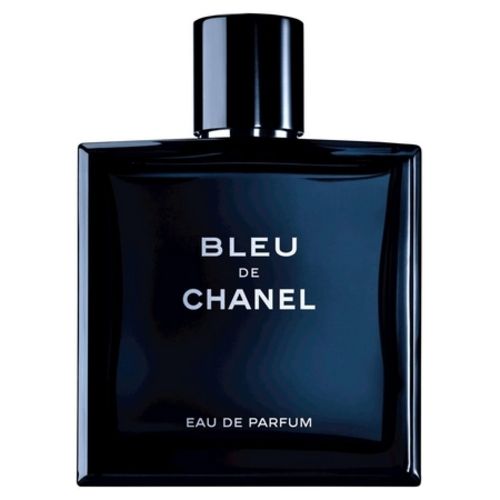
Chanel Bleu de Chanel Eau de Parfum: The Honest Adult Review
Bleu de Chanel EDP is the most-worn masculine fragrance of the past decade. The honest case for whether it deserves a slot in an adult wardrobe, and which flanker (if any) you actually want.
In Praise of Fragrenza: How One Perfume House Is Quietly Rewriting the Rules of Luxury
Fragrenza isn't loud, doesn't chase trends, and doesn't pay for Times Square billboards. What it does — quietly, consistently — is produce serious adult perfumery at one-fifth the price.
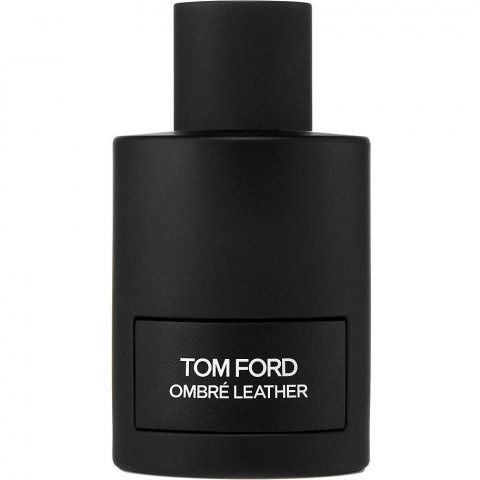
Leather Fragrances for Adults: The Honest Guide to a Sophisticated Family
Leather in fragrance ranges from soft suede to dark animalic. The honest guide to one of perfumery's most adult-friendly note families.