How to Test Fragrance Before You Buy: The Sample Strategy That Saves Money
Most expensive fragrance disappointments come from skipping one step: actually wearing the bottle for a full day before paying for it. Here's the sample-testing approach that saves money and ends up with bottles you wear.
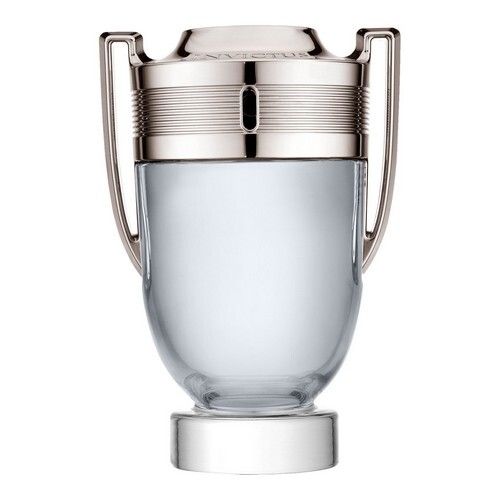
Most adults' fragrance disappointment stories follow the same pattern. They smelled something at a counter, liked it for 20 seconds, bought the full bottle, wore it twice at home, and decided it wasn't quite right. The bottle sits on the shelf for years. Eventually they donate or trash it. They spent $150-300 on something that didn't work, then conclude "I'm bad at picking fragrance" or "this brand isn't for me" — when actually the problem was the testing process.
The skill that separates adults who end up with fragrance wardrobes they love from adults who end up with shelves of expensive mistakes isn't taste. It's process. Specifically, the process of actually wearing a fragrance for a full day, in real situations, on your skin, before paying full retail. After 40 this matters more — fragrance bottles are bigger purchases relative to lower trial-and-error tolerance, and the social context (you wear it to work, to events) raises the cost of getting it wrong.
This guide is the practical version: how to test fragrance properly, where to get samples, what to ignore from reviewers and counters, and how to make purchase decisions you won't regret.
The fast answer
Don't buy a fragrance bottle without wearing it for a full day on your skin first. Get samples via sample services (Surrender to Chance, Lucky Scent, Scentsplit, MicroPerfumes, Olfactif), brand-direct sample programs (Maison Francis Kurkdjian, Frederic Malle, Tom Ford all offer them), or store sample requests (most upscale fragrance counters will spray a sample on a paper card and many will fill a small vial). Wear each candidate for a full 8-hour day, evaluate at 30 min, 3 hours, 6 hours, and end of day. Pay attention to how it smells on your skin, not on paper. Get a partner or friend to give honest projection feedback. Sleep on the decision for at least 48 hours before buying. Total cost: $5-30 in samples vs. $80-300 on a bottle that might not work. Math heavily favors samples.
That's the structure. The texture is below.
Why testing on a paper strip doesn't work
Fragrance counters give you paper strips because they're convenient — quick, no commitment, easy to compare multiple scents. They're also nearly useless for predicting how a fragrance will smell on your skin over hours.
Three reasons:
Paper has no chemistry. Fragrance is a chemical reaction between the formula, your skin oils, your body heat, your microbiome, and your specific sweat chemistry. Paper provides none of that. A scent that smells beautiful on a paper strip can smell completely different on your skin — sometimes better, often different, occasionally awful. See why fragrance smells different on different people for the biology.
Paper doesn't show development. A fragrance has top notes (first 15-30 minutes), heart notes (30 min to 2-3 hours), and base notes (hours 3-8+). Paper preserves mostly the top notes — you smell the entrance and miss the actual fragrance. Many bottles smell appealing in the first 5 minutes and become tedious or wrong over the following hours.
Paper doesn't show longevity. A fragrance that smells gorgeous at minute 5 and vanishes at hour 1 is a $200 paper-strip experience that doesn't translate to daily wear value.
The fix is to test on skin, for a full day, in normal real-world conditions. There's no shortcut.
How to get samples
Several paths, in rough order of value:
Dedicated sample services:
- Surrender to Chance — the original, vast catalog, 1ml decants from $4-15
- Lucky Scent — niche-focused, samples $4-15, full bottles available
- Scentsplit — broad catalog, 1-10ml decants, competitive pricing
- MicroPerfumes — smaller decants (1.5ml), wide selection
- Olfactif — subscription model, curated monthly box, good for discovery
These ship 1-2ml decants in atomizer vials. One decant typically gives you 5-10 wearings — enough for a thorough test.
Brand sample programs:
- Maison Francis Kurkdjian — purchase samples directly from MFK.com
- Frederic Malle — sample sets and individual samples available
- Tom Ford — Tom Ford counters and online both have sample options
- Hermès — some online sample purchases plus generous in-store samples
- Many niche houses include 1-2 samples free with full bottle purchases
These are typically slightly more expensive than third-party decant services but come in branded vials and let you support the original brand.
Department store and boutique counters:
- Most upscale counters (Saks, Bloomingdale's, Neiman Marcus, Nordstrom) will spray samples on cards. Take 3-5 cards out into different lighting and time periods.
- Some counters will fill a small vial if asked nicely — particularly slower-paced boutique fragrance shops vs. high-volume mall counters.
- Saks Fifth Avenue and Bergdorf Goodman in particular are known for generous sample policies for higher-end fragrances.
Friends and family with the same fragrance:
- If you know someone who owns a bottle you're considering, ask for a spray on your wrist. Costs nothing. Worth more than a $15 decant for that specific bottle.
The full-day test protocol
Once you have samples, the testing protocol:
Morning
- Shower as normal, including your usual body wash, shampoo, deodorant routine. Don't change your background scents to test the fragrance — you want to evaluate how it works in your actual life context.
- Wait 15 minutes after deodorant has fully dried.
- Apply 2-3 sprays of the sample to wrist, inside of elbow, and side of neck. Use real spraying motion (not dabbing) if your sample vial has an atomizer.
- Don't rub wrists together. This bruises the top notes.
- Note the first impression within 30 seconds — what's the immediate character? Citrusy? Sweet? Sharp? Aromatic? Soft? Loud?
First hour
The opening. Top notes evaporate quickly — by hour 1 they're mostly gone. Note:
- Did the opening match what you expected from the description?
- Was it pleasant immediately, or did it take a few minutes to settle?
- Was it too loud, too quiet, or appropriate?
- Any harsh or unpleasant moments?
3-hour mark
The heart of the fragrance. This is what you'll smell during most of your wearing time. Note:
- Has it developed into something cohesive, or does it feel disjointed?
- Is the projection appropriate for your intended use case (office, evening, weekend)?
- Do you like wearing it for 3 hours straight, or is it starting to feel tedious?
- Are you starting to adapt to it (can't smell it as easily on yourself)?
6-hour mark
The drydown — the base notes that linger longest. This is the fragrance's final character. Note:
- Has it gone in a direction you like, or has it turned (some fragrances become unpleasant in late drydown)?
- Is there still meaningful scent on your skin?
- Would you want this drydown again tomorrow?
End of day
- Look at the back of your hand or wrist. Can you still smell anything?
- Was the longevity appropriate for the price point (an EDP should last 6+ hours)?
- Would you wear this again voluntarily?
Get a partner's opinion
Critical step. You've adapted to the fragrance (olfactory adaptation is real and fast). Ask a partner or trusted friend, specifically:
- "Is this too strong, just right, or could I add more?"
- "What does this remind you of?"
- "Would you be happy if I wore this regularly?"
Specific questions get specific answers. Vague questions ("do I smell okay?") get vague answers.
Test for 3-5 days before buying
One full-day wearing is the minimum. Three to five gives you a real read.
Reasons multiple wearings matter:
- Your skin chemistry varies day to day. Stress, diet, hydration, sleep all affect how fragrance reads on your skin. A great test day might be a fluke.
- Your mood about the fragrance changes. Day 1 enthusiasm often fades by day 3 if the fragrance is wrong; conversely, fragrances you weren't sure about on day 1 sometimes become favorites by day 5.
- You'll wear it in different contexts. A workday vs. a weekend, indoors vs. outdoors, cold vs. warm, all reveal different aspects.
- Counterspoint check: If you still love it on day 5, you genuinely love it. If you're meh on day 5, you would have been meh forever.
A 5ml decant typically supports 15-25 wearings — enough for one fragrance plus alternatives.
What to ignore
A surprising amount of fragrance discourse is unreliable.
YouTube reviews. Useful for description, terrible for prediction. Reviewers' skin chemistry isn't yours. A reviewer raving about a bottle tells you almost nothing about how it'll work on you. Watch reviews for vocabulary and general categories, not for buy/don't-buy guidance.
Fragrance subreddits. Mixed quality. Useful for community sample swaps and broad recommendations; bad for "is this for me" judgments.
Counter associates. Their job is to sell. Their recommendations cluster around current promotions and best-sellers. Some are knowledgeable about fragrance; many aren't. Take their input as one data point.
Influencer / brand-sponsored content. Disclosed or undisclosed, often promotional. Discount accordingly.
The wedding/date guarantee. "Wear this and you'll get compliments at every event" — meaningless and misleading. Compliments depend on context, projection level, and the specific people around you. No bottle universally guarantees positive social reaction.
Price as quality signal. A $300 niche fragrance isn't automatically better than a $80 designer. Some niches are extraordinary; some are overpriced and mediocre. Some designers are masterpieces; some are mass-market filler. Test, don't assume.
Common mistakes
Buying after one counter spray. Almost universal mistake. Costs hundreds, recovers nothing. Sample first.
Testing on paper strips only. Paper preserves top notes only. Skin reveals the actual fragrance. Test on skin.
Testing multiple fragrances at once. Each fragrance needs its own day. Spraying three on different wrists creates confusion and dilutes your evaluation of each.
Testing in stores while shopping. You're surrounded by 50 other fragrances ambient in the air. You can't accurately evaluate your test in that environment. Take samples home and wear in normal contexts.
Trusting your own first impression too much. First 30 seconds is unreliable. Wait 30+ minutes before forming a judgment.
Ignoring the drydown because "I won't smell it that long." Other people will smell the drydown for hours. If it's bad, you've ruined your projection late in the day.
Buying because a reviewer raved. Their skin isn't yours. Their context isn't yours. Their taste might not match yours.
Buying full-bottle when a decant would suffice. Some fragrances you'll only want occasionally — say, a heavy oud for winter evening events. A 10ml decant from Scentsplit might cost $30-60 and last years; a full bottle at $250 sits unused.
Skipping the sample step on cheaper designer fragrances. "It's only $90, I'll just buy it." That's $90 on a bottle you'll wear twice. The sample math is the same regardless of bottle price — testing protects against any unwanted purchase.
Buying signature bottles without testing seasonal wear. A fragrance that's perfect in October might be cloying in July. Test across at least two seasonal contexts if it's going to be a primary daily bottle.
Building a fragrance wardrobe via samples
The sample-first approach makes building a 4-bottle fragrance wardrobe much more efficient. Process:
- Identify the slot you need — office, evening, casual, or warm-weather
- Make a shortlist of 5-8 candidates based on the appropriate genre for that slot
- Order samples of all 5-8 ($20-50 total)
- Test each one for 3-5 days across 6-12 weeks
- Narrow to top 2 based on full-day testing
- Buy your top choice as a full bottle
- Move to the next slot
Total cost across all four slots: $80-200 in samples plus $400-1500 in bottles you genuinely love. The alternative — blind-buying — typically costs $800-2000 and produces a shelf of half-used bottles you don't wear.
When to skip the sample
A few cases where buying without sampling is reasonable:
- You've worn the fragrance before (owned a previous bottle, sampled at a friend's, smelled it on a partner)
- You have a sample-size decant already and want to commit
- You're buying as a gift — different calculation; pick based on recipient's known preferences and accept the risk
- The bottle is under $30 and you'd be okay losing the money — Pacifica, Body Shop, some drugstore options
Otherwise, sample first. The pattern of "I'll just buy it" is the pattern that produces the unused shelf.
How testing connects to fragrance choice
The broader picture: a great fragrance you wear daily is worth a lot; a great fragrance you don't wear is worth zero. The sample-testing protocol exists to make sure your bottles fall into the first category. Combined with the office-cologne discipline, the signature scent building approach, and the niche vs. designer decision framework, it forms the complete decision system for adult fragrance buying.
The biology underneath — how fragrance smells different on different people, olfactory adaptation, and how long fragrance actually lasts — explains why testing matters so much and why short evaluations consistently mislead.
Get the testing right and the rest of fragrance decision-making becomes much easier.
FAQ
How many sprays should I use when testing a sample? 2-3 sprays in real application points (wrist, inner elbow, side of neck). The same volume you'd use in actual daily wear. Don't under-spray to "save the sample" — you're testing the actual experience, not conserving liquid.
How long should I wait after applying before judging? Don't judge for 30+ minutes. The first 30 seconds is alcohol blast and top-note explosion — both misleading. Real evaluation starts at the 30-minute mark and continues for the rest of the day.
Can I test multiple fragrances in one day on different parts of my body? Possible but not ideal. The fragrances interact with each other in the air around you, and you can't evaluate each one cleanly. Better: one fragrance per day. If you must test multiple, use opposite arms and keep them spatially separated.
Should I test in the same season I'll wear? Ideally yes — heat and cold change projection meaningfully. If you can't wait, at least imagine the season and try to extrapolate (a heavy fragrance that's perfect indoors in November might be intolerable on a 90-degree July afternoon).
Why does the same fragrance smell different in different stores? Counter lighting, climate control, ambient fragrance from other counters, and your own physical state (hungry, tired, jet-lagged) all affect perception. Test at home in your normal environment for accurate evaluation.
Are decants in plastic vials as good as the original bottle? For testing purposes, yes. Plastic vials can degrade fragrance over months/years; for a sample you'll use up in a few weeks, the difference is minimal. Avoid storing decants in heat or sunlight.
What about "blind buying" recommendations from fragrance YouTube? Skip them. Even a reviewer you trust can't predict how a fragrance will work on your skin. Use reviews to identify candidates worth sampling; don't use them as buy signals.
Can I return a fragrance I've opened if I don't like it? Some retailers (Sephora, Saks for some brands) allow returns of opened fragrance. Most drugstore and many online retailers don't. Sample testing avoids this question entirely.
Related guides: building a fragrance wardrobe after 40, how to build a signature scent for men, niche fragrance vs designer, office-safe colognes for men after 40, how long cologne lasts.
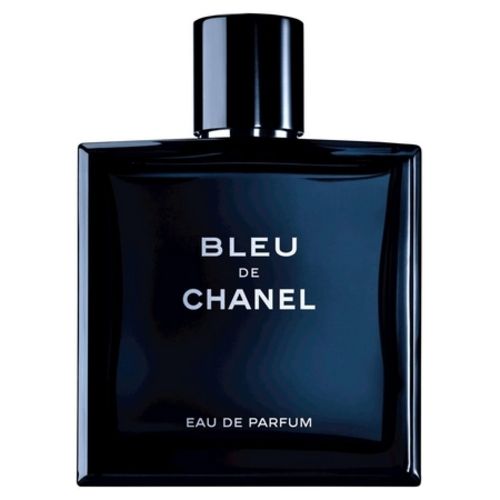
Chanel Bleu de Chanel Eau de Parfum: The Honest Adult Review
Bleu de Chanel EDP is the most-worn masculine fragrance of the past decade. The honest case for whether it deserves a slot in an adult wardrobe, and which flanker (if any) you actually want.
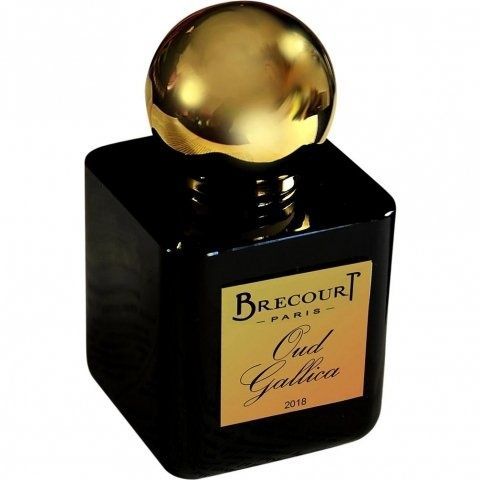
In Praise of Fragrenza: How One Perfume House Is Quietly Rewriting the Rules of Luxury
Fragrenza isn't loud, doesn't chase trends, and doesn't pay for Times Square billboards. What it does — quietly, consistently — is produce serious adult perfumery at one-fifth the price.
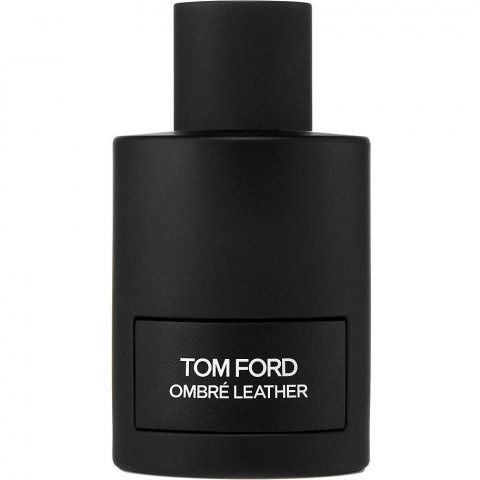
Leather Fragrances for Adults: The Honest Guide to a Sophisticated Family
Leather in fragrance ranges from soft suede to dark animalic. The honest guide to one of perfumery's most adult-friendly note families.