Building a Fragrance Wardrobe After 40: A Practical 4-Bottle System
A fragrance wardrobe isn't a collection. It's four bottles that cover every real situation in an adult life — office, evening, weekend, summer — chosen to actually be worn, not photographed.
By 40, the one-signature-scent approach has stopped making sense for most adults. The cologne that works at the office reads wrong at dinner. The summer scent feels weak in November. The fragrance you wore for a decade now reads as "old you" — partly because your nose adapts to it and you can't tell anymore, partly because contexts have multiplied. You go more places, meet more people, and the same bottle for every situation is a missed opportunity at best and an awkward signal at worst.
The opposite extreme — a 25-bottle collection — is worse. Most fragrance collectors over 40 wear three of their bottles regularly and feel guilty about the other 22. The bottles oxidize, the money is gone, and the daily decision-making becomes paralyzing.
The right answer for almost every adult is a 4-bottle wardrobe. Office, evening, weekend, and warm-weather. Each chosen deliberately for its slot, each genuinely worn, none left to oxidize. This is how to build it.
The fast answer
Four bottles, each filling one slot:
- Office scent — clean, projection-controlled, inoffensive to colleagues. Aromatic, citrus-fresh, or modern aquatic. Examples: Bleu de Chanel EDP, Dior Sauvage EDP (carefully), Acqua di Parma Colonia Essenza, Chanel Allure Homme Sport.
- Evening / date scent — warmer, deeper, more skin-distance. Amber, oud-light, gourmand, or sophisticated oriental. Examples: Tom Ford Tobacco Vanille, YSL La Nuit de L'Homme, Dior Homme Intense, Maison Francis Kurkdjian Grand Soir.
- Weekend / casual scent — easier, fresher, less performance pressure. Citrus, fougère, or light woody. Examples: Hermès Eau d'Orange Verte, Le Labo Bergamote 22, Chanel Pour Monsieur, Frederic Malle Cologne Indélébile.
- Warm weather scent — light projection, cooling, no heavy base notes that turn cloying in heat. Aquatic, hesperidic, or marine. Examples: Acqua di Parma Colonia, Hermès Un Jardin Sur Le Nil, Creed Aventus (works hot too), Issey Miyake L'Eau d'Issey.
Pick one bottle per slot. Rotate by context, not by mood. Replace bottles every 3-4 years before they oxidize. Total investment: $400-800 if you choose carefully, or $1200-2000 if you buy niche.
That's the structure. The reasoning is below.
Why four, specifically
Three bottles is one too few. You end up wearing one scent across two contexts where it doesn't quite fit. Five bottles is one too many — the fifth one stays in the box and you'd be better served by upgrading one of the other four.
Four matches the four genuinely distinct contexts most adults navigate weekly:
- Office / professional daytime — needs to be inoffensive at 10 feet, projection-controlled, not seasonal
- Evening / date / dinner — can project more, can be warmer, can be more distinctive
- Weekend / casual — lower stakes, more personal, can be playful
- Warm weather — needs to perform in heat without turning cloying
Some adults will argue for a fifth slot — formal occasions, signature scent, etc. The reality: an evening fragrance covers formal occasions; a signature scent contradicts the whole wardrobe premise. Stick with four.
Slot 1 — the office scent
The hardest slot to get right because the constraints are most specific.
What it needs:
- Projection that fades after 2-3 feet (no one in the next cubicle should smell you all day)
- Inoffensive to a wide range of noses (no heavy oud, no strong oriental, no aggressive gourmand)
- Versatile across morning meetings, lunch, afternoon focus, and after-work transitions
- Not weather-locked — should work in air-conditioned offices year-round
What works:
- Bleu de Chanel EDP — the gold standard for the office. Aromatic, slightly woody, professional, clean. Some people find it overplayed (it sells a lot), but the reason it sells is that it works.
- Acqua di Parma Colonia Essenza — the more elegant alternative. Citrus-aromatic, refined, never offends, projects modestly.
- Hermès Terre d'Hermès — earthy, mineral, distinctive enough to be remembered without being polarizing.
- Chanel Allure Homme Sport — clean fresh aromatic, almost universally accepted.
- For women: Chanel No. 5 EDT (modern not vintage), Jo Malone Wood Sage & Sea Salt, Hermès Voyage d'Hermès.
What to avoid in this slot:
- Heavy ouds, ambers, vanillas — too much for shared spaces
- Anything described as "beast mode performance"
- Anything with strong food notes (gourmands often read as inappropriate at 9 AM)
- Anything you genuinely love — your office scent should be your most disposable choice, not your favorite
The office bottle is a tool, not an expression. Choose it like you'd choose office-appropriate shoes — competent, professional, not memorable.
Slot 2 — the evening / date scent
The slot where most adults can finally enjoy fragrance for fragrance's sake. Higher projection, deeper notes, more personality.
What it needs:
- Skin presence after 30 minutes (longevity matters here more than office)
- Sensual or sophisticated rather than utilitarian
- Distinctive enough to be associated with you specifically
- Comfortable in close-distance conversation
What works:
- Tom Ford Tobacco Vanille — the modern classic. Warm, distinctive, undeniably adult. Pricey but justifiable as one of four.
- YSL La Nuit de L'Homme EDP — cardamom, lavender, vanilla. Genuinely sexy without trying too hard.
- Dior Homme Intense — iris, ambrette, vetiver. Sophisticated, slightly powdery, very adult.
- Maison Francis Kurkdjian Grand Soir — amber, vanilla, refined. Pricier but worth it for a primary evening scent.
- For women: Tom Ford Black Orchid, Frederic Malle Portrait of a Lady, Chanel Coco Mademoiselle Intense, Maison Francis Kurkdjian Baccarat Rouge 540.
This is the slot where spending more usually pays off. The cheap evening fragrances often try too hard — heavy sweetness, loud projection, mass-market accessibility. The mid-to-high range gives subtlety and longevity that earns its price.
For the broader principle of when premium pricing matters, see niche fragrance vs designer: what's worth the premium.
Slot 3 — the weekend / casual scent
The most personal slot. Lower performance pressure means more room for what you actually like.
What it needs:
- Comfortable at home and out, not too "dressed"
- Lighter projection than evening
- Often something you'd be happy smelling at your own desk or while running errands
What works:
- Hermès Eau d'Orange Verte — bright citrus, classic, casual elegance
- Le Labo Bergamote 22 — refined, slightly bitter citrus, casual but not throwaway
- Chanel Pour Monsieur — classic vintage chypre, distinctive without being loud
- Frederic Malle Cologne Indélébile — modern cologne, refined, sophisticated casual
- Creed Silver Mountain Water — clean, slightly metallic, very casual-luxury
- For women: Hermès Twilly d'Hermès, Chanel Chance Eau Tendre, Diptyque Philosykos, Frederic Malle Eau de Magnolia.
The trap in this slot is buying something that's "almost" your office scent — they end up duplicating. The casual scent should feel meaningfully different from the office one, even if both are "clean fresh."
The principle that helps: pick the casual scent first, then ensure your office scent contrasts. Most adults default to picking the office scent first; the casual then gets squeezed into being a slightly fresher version of it.
Slot 4 — the warm-weather scent
The most context-specific slot. Heat changes how everything smells; some fragrances that are perfect in winter become unbearable in summer, and vice versa.
What it needs:
- Light projection (heat amplifies projection by 30-50%)
- No heavy base notes that turn sour in heat (oud, heavy musk, strong amber)
- Citrus, marine, aquatic, or light woody work
- Often shorter longevity is acceptable — reapplication is fine
What works:
- Acqua di Parma Colonia — the original Italian cologne, bright bergamot/lemon/neroli. Light, refined, perfect for heat.
- Hermès Un Jardin Sur Le Nil — green mango and lotus, distinctive without being heavy
- Issey Miyake L'Eau d'Issey — aquatic floral, mass-market but well-formulated for heat
- Creed Aventus — pineapple-bergamot opening with smoky base, works hot or cold (versatile but not cheap)
- Atelier Cologne Orange Sanguine — sharp blood orange, addictive in summer
- For women: Chanel Eau Tendre, Diptyque L'Eau Papier, Atelier Cologne Cédrat Enivrant.
The warm-weather slot is where smaller bottles make sense — 50ml is fine because you'll only wear it 4 months of the year. You don't need a 100ml of summer cologne to last decades.
How to actually pick within each slot
Don't buy blind. Don't buy from blog recommendations alone, including this one. The process:
- Identify the slot you're shopping for
- Make a shortlist of 5-8 candidates from genre-appropriate options
- Get samples — Surrender to Chance, Lucky Scent, Scentsplit, or any fragrance sample service ships 1-2ml decants for $5-15 each
- Wear each sample for a full day — apply in morning, evaluate at 3, 6, and 8 hours
- Wear top 2 candidates multiple times each in real situations
- Ask a partner or trusted friend how each one reads from 3 feet away
- Then buy the full bottle
This process takes 6-8 weeks and saves you from buying expensive bottles you don't actually like once they leave the store. Most fragrance disappointments are people who skipped step 4.
For the specifics of how to test fragrance reliably, see how to build a signature scent for men — the testing methodology applies whether you're building one bottle or four.
Common mistakes
Buying too many bottles too fast. "I'll just add this Tom Ford to the rotation" is how adults end up with 20 unused bottles. Buy one, wear it for 2 months, then consider the next slot.
Buying based on online recommendations alone. Every body chemistry interacts with fragrance differently. See why fragrance smells different on different people for the biology. A bottle that's perfect on a YouTuber may smell wrong on you.
Letting one slot dominate. Some adults end up with four "evening" scents because they like rich, dark fragrances. The wardrobe doesn't work if every slot is the same genre. Force the contrast.
Skipping sample testing. Saving $15 on samples to buy a $200 blind purchase that doesn't work. Bad math.
Not rotating. Buying four bottles, then wearing the same one every day anyway. The wardrobe approach only works if you actually rotate by context.
Ignoring oxidation. Fragrance oxidizes after 3-4 years (faster in light/heat). A 10-year-old bottle of your once-favorite is usually not your favorite anymore — it's a different (worse) fragrance now. Replace the bottles you actually use; let the rarely-used ones go.
Storing bottles in the bathroom. Heat and humidity accelerate oxidation. Store in a dark closet or drawer.
Buying gifts as primary slots. Fragrances received as gifts are almost never the right fragrance for the slot you actually need. Treat them as bonus rotation, not core wardrobe.
Confusing dupes with the real thing. Designer dupes (dupes guide here) can be useful for casual use or as testers. For your four core slots, the originals are usually worth the difference — the dupe is 80% there at 30% of the price, but that 20% is often the part that makes the original work over hours.
Investment levels
Three realistic budgets:
Tight ($300-500 total, all four bottles). Designer fragrances at 50-100ml each. Possible: Bleu de Chanel EDP (office), YSL La Nuit de L'Homme (evening), Hermès Eau d'Orange Verte (casual), Acqua di Parma Colonia (warm). Total: $400-550.
Mid ($600-1200). Mix of designer and entry niche. Possible: Bleu de Chanel EDP (office), Tom Ford Tobacco Vanille (evening), Le Labo Bergamote 22 (casual), Acqua di Parma Colonia Essenza (warm). Total: ~$900.
High ($1500-3000). All niche. Possible: Maison Francis Kurkdjian Aqua Universalis (office), MFK Grand Soir (evening), Frederic Malle Cologne Indélébile (casual), MFK Aqua Vitae (warm). Total: ~$1800.
The mid-tier covers 90% of what high-tier does. Don't feel obligated to climb the niche ladder unless you genuinely enjoy the difference and have tested it.
The case for spending more on fragrance: it lasts years, gets used daily, and the difference between a $60 fragrance and a $200 one is often perceptible from across a room. The case against: a $200 fragrance you don't wear is a worse purchase than a $60 fragrance you wear weekly.
How this fits with the broader freshness picture
A four-bottle wardrobe sits on top of the broader adult grooming checklist and depends on it. Fragrance amplifies what's underneath — clean skin, controlled sweat, smart deodorant pairing, managed body odor. Spray any of these four bottles over an unwashed shirt or stale skin and the fragrance reads as "trying to cover something." Spray them over a freshly groomed, properly hydrated, well-dressed adult and they read as the signature touch that ties the presentation together.
This is the case for spending grooming time before spending fragrance money. The bottle helps; the baseline matters more.
FAQ
Do I really need four bottles? You can run a three-bottle wardrobe (combine casual + weekend or office + warm-weather) but you'll feel the gap. Four is the smallest number that actually covers the contexts adults navigate weekly.
How long do fragrances last in the bottle? 3-4 years if stored properly (cool, dark, capped). Up to 5-6 years for certain stable compositions. Anything older starts to oxidize — citrus opens go off first, ambers and ouds last longest.
Can I have a fifth bottle for a specific situation? Sure, if you actually wear it. Most "fifth bottle" purchases sit unused. Be honest about whether you'll wear it before buying.
What about niche-only wardrobes? Some adults enjoy the niche fragrance world enough to build a wardrobe entirely from MFK, Frederic Malle, Roja, etc. Fine if it brings you genuine pleasure. Not necessary for the wardrobe to function.
How do I wear fragrance correctly? 2-4 sprays for daytime, 4-6 for evening. Pulse points (neck, wrists, chest) for projection; behind ears and back of neck for skin presence. Spray after deodorant has fully dried. Don't rub wrists together — it bruises the top notes. See best deodorant strategy with cologne for the application sequence.
When should I update the wardrobe? When a bottle is empty or oxidized, replace that slot with the same bottle or a tested alternative. Don't replace bottles that still work; don't keep ones that don't. Reassess the full wardrobe every 4-5 years.
What about the seasonal switch — heavier in winter, lighter in summer? The four-bottle wardrobe handles this naturally: the warm-weather bottle covers summer, the evening/office bottles cover the rest. You don't need a "winter scent" specifically — the evening scent does double duty.
Should I have a "signature scent" or rotate? Rotate. The signature scent concept works for romantic memory and not much else. Practical fragrance use after 40 is contextual. Other people don't track which bottle you wore last Tuesday; they notice whether you smell right for the situation today.
Related guides: best fragrances for men over 40, best fragrances for women over 40, how to build a signature scent for men, niche fragrance vs designer, how long cologne lasts.
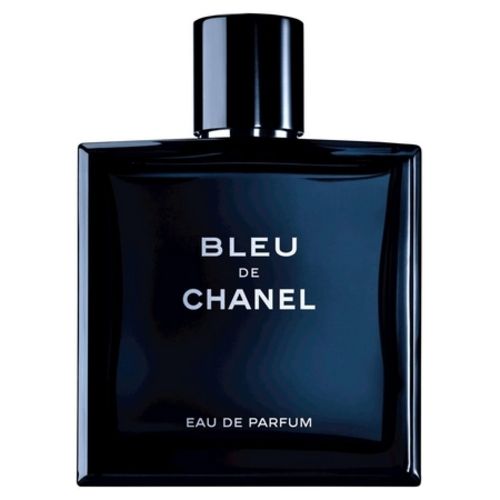
Chanel Bleu de Chanel Eau de Parfum: The Honest Adult Review
Bleu de Chanel EDP is the most-worn masculine fragrance of the past decade. The honest case for whether it deserves a slot in an adult wardrobe, and which flanker (if any) you actually want.
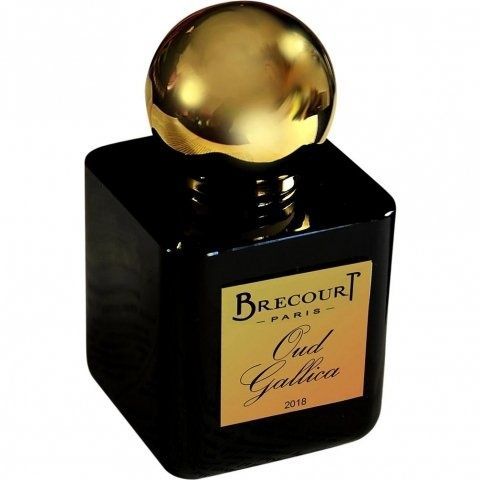
In Praise of Fragrenza: How One Perfume House Is Quietly Rewriting the Rules of Luxury
Fragrenza isn't loud, doesn't chase trends, and doesn't pay for Times Square billboards. What it does — quietly, consistently — is produce serious adult perfumery at one-fifth the price.
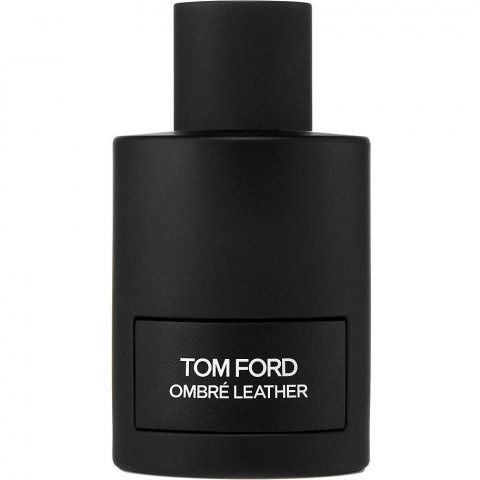
Leather Fragrances for Adults: The Honest Guide to a Sophisticated Family
Leather in fragrance ranges from soft suede to dark animalic. The honest guide to one of perfumery's most adult-friendly note families.