How to Minimize Large Pores After 40: What Actually Works
Large pores can't be permanently shrunk, but they can be made dramatically less visible. Here's what actually works for adult skin — and what's marketing nonsense.
Large pores are one of the most-asked-about skincare concerns for adults — and one of the most-mis-marketed. Endless products promise to "shrink pores," "minimize pore size," or "eliminate enlarged pores." The honest reality: you cannot permanently shrink your pores. Pore size is largely genetic and structural. You can, however, make pores appear meaningfully smaller through specific evidence-based interventions — and the difference between visible-pore skin and minimal-pore skin is real.
For adults over 40, the pore question gets more complex. Pores can appear larger as collagen drops and surrounding skin loses elasticity (the pore doesn't change; the support around it weakens). Sebum changes affect how pores look. Sun damage stretches them. And the routine that "worked" at 25 may not address the adult version of the problem at 45.
This guide is the practical version: what pores actually are, what makes them look larger or smaller, the interventions that work, and the products and treatments worth considering.
The fast answer
Pore size is largely genetic and structural — you can't permanently shrink them. But you can make pores appear meaningfully smaller through: consistent retinoid use (increases cell turnover, reduces sebum, improves skin structure), niacinamide (regulates sebum, supports skin), salicylic acid for exfoliation (clears pore-clogging dead skin), daily sunscreen (prevents collagen loss that makes pores appear larger), and avoiding pore-stretching habits (excessive squeezing, harsh exfoliation). For more dramatic results: prescription tretinoin, chemical peels, microneedling, laser treatments. Skip: "pore minimizer" creams making dramatic claims, ice-water rinses (temporary tightening, no lasting effect), pore strips (clean blackheads but stretch pores over time), and DIY scrubs that damage the barrier. Realistic expectation: 6-12 months of consistent treatment produces visible improvement in pore appearance. Total pore elimination isn't possible; significant visual reduction is.
That's the structure. The texture is below.
What pores actually are
Pores are openings in the skin where hair follicles emerge and where sebaceous glands deliver sebum to the surface. Every adult has roughly the same number of pores — about 20,000 on the face — but pore size varies dramatically between individuals.
Pore size is determined by:
- Genetics (the primary factor) — your pore size at 25 is largely your pore size for life
- Sebum production — more sebum = larger pore appearance
- Hair follicle size — varies by area and individual
- Surrounding skin elasticity — when supporting collagen weakens, pores appear larger
- Accumulated damage — sun damage, chronic clogging, and aggressive treatments can stretch pores
- Age-related changes — pore appearance often worsens with age even when actual size hasn't changed
The key insight: "minimizing pores" almost always means reducing the visual prominence of pores, not actually shrinking the openings themselves.
Why pores often look worse after 40
Three age-related shifts:
Collagen and elastin decline. The structural support around pores weakens. The pore opening stays the same size; the surrounding skin loses its grip, so the pore looks larger by comparison. This is one of the main reasons adults notice pores becoming more visible in their 40s and beyond — same pores, weakened support.
Sebum profile shifts. Sebum production drops in some areas, increases in others. Concentrated sebum in pores can stretch them over time and make them more visible.
Accumulated sun damage becomes visible. UV damage breaks down the collagen and elastin around pores. Adults with significant lifetime sun exposure often see pore visibility worsen sharply in their 40s and 50s.
Slower cell turnover. Dead skin accumulates in and around pores, making them appear darker and larger. This is why exfoliation matters more in adult routines.
Clogged pores from years of cumulative buildup. Sebum, dead skin, makeup, and product residue accumulate in pores over decades. Chronically clogged pores appear permanently enlarged.
The fix: address all four of these — collagen, sebum, exfoliation, sun protection — to genuinely improve pore appearance.
What actually works
Retinoid (the primary intervention)
The single most evidence-based pore-minimizing ingredient. Retinoids:
- Increase cell turnover (clears pore-clogging dead skin)
- Stimulate collagen production (improves surrounding skin support)
- Reduce sebum production (less material clogging pores)
- Improve overall skin texture (which makes pores appear less prominent)
For adult pore concerns: adapalene 0.1% (Differin OTC, $13) or prescription tretinoin 0.025-0.05%. See retinol for beginners after 40 for the full ramp protocol.
Consistent use for 6-12 months produces meaningful improvement. Adults often see pores becoming visibly less prominent within 3 months.
Niacinamide
Reduces sebum production, supports skin barrier, and has some collagen-supportive effect. For pore concerns specifically:
- 5-10% concentration applied AM
- The Ordinary Niacinamide 10% + Zinc 1% ($7) — affordable workhorse
- Paula's Choice 10% Niacinamide Booster ($45) — refined formulation
Effect is gradual — 6-8 weeks of consistent use before visible difference. Stacks well with retinoid for pore improvement.
See niacinamide for skin over 40 for the broader use cases.
Salicylic acid (BHA)
A beta-hydroxy acid that penetrates into pores (oil-soluble) and dissolves the dead skin and sebum clogs that make pores appear larger and darker.
For adult pore care:
- 1-2% concentration; not stronger for daily use
- Paula's Choice 2% BHA Liquid ($12-32) — the gold standard
- The Ordinary Salicylic Acid 2% Solution ($9) — affordable
- Stridex Strength pads ($5) — convenient
Use 2-3x weekly to start; can build to nightly if tolerated. Apply after cleansing, before moisturizer. Don't combine with retinoid the same night — use on alternate nights.
Sunscreen daily
UV damage is one of the major reasons pores worsen with age. The collagen and elastin breakdown from chronic sun exposure progressively reduces the support around pores. See sunscreen after 40: the non-negotiable.
Daily mineral or chemical sunscreen SPF 30+ is the single most important long-term intervention for preventing further pore visibility worsening.
Chemical exfoliation (AHA) for surface texture
Glycolic acid or lactic acid (alpha-hydroxy acids) work on surface skin texture. While they don't reach into pores like salicylic acid does, they improve overall skin smoothness, which makes pores less visually prominent.
- Glycolic acid 5-10% — for surface texture
- Lactic acid 5-10% — gentler option
1-2x weekly is enough for most adults; more often risks barrier damage.
Adequate hydration and barrier support
Dehydrated skin makes pores appear larger by contrast. Hydrated plump skin appears smoother and pores blend in more. See hyaluronic acid for skin over 40 for the hydration approach.
A consistent moisturizer + occasional hydrating serum keeps surrounding skin plump.
Procedural interventions for more dramatic results
For adults wanting more visible improvement than topicals provide:
Chemical peels
A controlled chemical exfoliation that removes outer skin layers, revealing fresher skin underneath. Effects on pores:
- Surface peels (glycolic, salicylic) — modest improvement
- Medium peels (TCA at moderate strength) — more visible improvement
- Deep peels (TCA at higher strength, phenol) — dramatic but with downtime
Cost: $150-500 for surface/medium peels; $500-2000 for deep peels. Surface peels can be repeated regularly; deeper peels are infrequent.
Microneedling
Tiny needles create controlled micro-injuries that stimulate collagen production. Effects on pores:
- Improves surrounding skin support (reduces pore visibility by contrast)
- Helps clear chronic clogging
- Combined with serums (PRP, peptides) for amplified effect
Cost: $300-500 per session; 3-6 sessions needed for visible results. Good intervention for adults with mild-to-moderate pore concerns.
Laser treatments
Several types relevant for pores:
- Fractional laser (Fraxel) — resurfaces and stimulates collagen
- CO2 fractional — more aggressive resurfacing; significant downtime
- IPL/BBL — primarily for pigmentation but with some pore benefit
- Pico laser — newer technology with shorter downtime
Cost: $400-2000 per session. Most effective single intervention for significant pore appearance issues, but most expensive.
See cosmetic procedures after 40: what's worth it for the broader procedural framework.
Botox for pore reduction
A relatively new application — Botox injected diluted across the face (sometimes called "Microtox" or "BabyBotox") can reduce sebum production and pore appearance.
- Off-label use; specific to skilled injectors
- Cost: $500-1500 per treatment
- Effect lasts 3-4 months similar to other Botox uses
- Most useful for adults with oily skin and visible pores in T-zone
What doesn't work
The marketing categories to skip:
"Pore minimizing" creams with dramatic claims. Most are marketing on standard ingredients (niacinamide, salicylic acid) at premium prices. Use the basic versions; skip the premium "pore-specific" branding.
Pore strips. Clean out blackheads temporarily but stretch pores over time. Occasional use is fine; regular use makes pores worse.
Ice rinses or "pore-tightening" cold treatments. Temporary tightening that lasts minutes. No lasting effect.
DIY scrubs with sugar, salt, baking soda. Cause micro-tears in skin barrier; produce more pore visibility over time, not less.
Mechanical pore extractors / squeezing. Stretches pores permanently and introduces bacteria. Don't pick at pores. If you have stubborn blackheads, get professional extractions at a facial.
"Astringent" toners with high alcohol content. Strip the barrier; trigger compensatory sebum overproduction. Skip.
Charcoal masks. Marketing-driven; produce dramatic peel-off effect that's mostly just removing surface skin and pulling at follicles. The "results" you see in social media are mostly visual theater, not actual pore improvement.
Toothpaste, lemon juice, or other DIY treatments. Damage skin barrier; don't address pores. Skip all DIY skincare promoted on social media.
A realistic routine for pore concerns
For adults wanting to address pore visibility:
Morning (5-7 minutes)
- Splash with cool water, or gentle cleanser
- Niacinamide 5-10% serum to damp skin
- Vitamin C serum (optional, can replace niacinamide some days)
- Lightweight moisturizer
- Sunscreen SPF 30+ — daily, non-negotiable
Evening (7-10 minutes)
- Gentle cleanser
- Salicylic acid 2% serum 2-3 nights per week (apply, let absorb)
- On retinoid nights (alternate with salicylic acid): apply retinoid (adapalene or tretinoin)
- Moisturizer
Weekly: AHA chemical exfoliation
- Glycolic acid 7-10% or lactic acid 10%
- 1-2x weekly
- Skip if you've used salicylic acid the same day
Monthly or quarterly considerations
- Consider professional facial with extractions for stubborn blackheads
- Consider in-office procedures if topical approach plateaus
Realistic timeline
- Weeks 1-4: Skin may feel different; initial purging of clogged pores can produce temporary breakouts
- Weeks 4-8: Subtle improvement in skin texture; some pore clearing
- Months 3-6: Visible improvement in pore appearance for most adults consistently applying the routine
- Months 6-12: Significant improvement; the difference between baseline and current becomes obvious
- Year 1+: Maintenance — continue the routine to preserve gains; backsliding happens with routine lapses
Don't expect dramatic week-1 results. The routine compounds over months. Adults who stick with it for 6+ months see meaningful changes; adults who try various products for 2-3 weeks each see nothing.
Common mistakes
Believing pores can be "shrunk" permanently. They can't. Visual minimization is the realistic goal.
Excessive squeezing or picking. Stretches pores; introduces bacteria. Hands off.
Aggressive exfoliation expecting faster results. Daily strong AHA + BHA + retinoid damages the barrier and makes pores worse, not better. Less is more for sensitive routines.
Buying expensive "pore minimizing" products. Most are repackaged standard ingredients. The Ordinary at $9 does what premium $80 "pore serums" do.
Skipping sunscreen. Major long-term contributor to pore visibility worsening. Daily sunscreen prevents the collagen loss that makes pores look larger.
Using harsh foaming cleansers. Strip skin; trigger rebound sebum production. Gentle cleansers work better — see skin barrier repair after 40.
Pore strips weekly. Stretches pores over time. Use occasionally if ever.
Treating pores in isolation from broader skincare. Pore care is part of a routine that includes retinoid, barrier care, hydration, and sun protection. All inputs matter.
Quitting after 2-3 weeks of no visible results. The routine takes 3-6 months minimum for visible improvement. Patience matters.
Forgetting that lifestyle affects sebum and pore appearance. Sleep, stress, diet all affect oil production and pore appearance. See why some people stay fresh longer than others.
Believing pores will look like 20-year-old skin again. They won't. The realistic goal is "the best version of pore appearance for your current age and skin condition."
How pore care fits with broader skincare
Pore care is part of the broader adult skincare routine. The same active ingredients (retinoid, niacinamide, salicylic acid) address multiple concerns simultaneously:
- Pore visibility
- Anti-aging
- Adult acne
- Hyperpigmentation
- Texture improvement
A routine built around the foundational actives benefits all of these simultaneously. Adults building a routine should think in terms of overall skin health rather than single-issue products.
For adults with specific oily-skin issues that contribute to pore visibility: see also adult acne after 40 for the related oil and clogging management.
FAQ
Can pores really be shrunk? No, not permanently. Pore size is structural and largely genetic. What you can do is make pores appear meaningfully smaller through reduced sebum, cleared clogs, improved surrounding skin support, and consistent skincare.
What's the single most effective ingredient for pore appearance? Retinoid (adapalene OTC or prescription tretinoin). Increases turnover, reduces sebum, improves collagen — addresses multiple causes of pore visibility simultaneously.
Do pore strips work? For a temporary cosmetic effect (clearing visible blackheads), yes. For lasting pore improvement, no — they actually stretch pores with repeated use. Use occasionally if at all.
Can men have large pores? Yes, often more visibly than women due to higher sebum production from androgens. Men's skin is also thicker, which can make pores appear more prominent. Same interventions apply.
Is there a way to instantly minimize pores for an event? Some interventions help temporarily: cool water rinse (5-10 minutes), pore-blurring primer (silicone-based formulations), full-coverage foundation. These are cosmetic, not actual treatment.
Do facials help with pores? Professional facials with extractions clear visible blackheads and provide deep exfoliation. Helpful as occasional treatment (monthly or quarterly), not as a substitute for daily routine.
Are pores worse on oily skin? Generally yes. More sebum stretches pores and makes them more visible. Adults with oily skin specifically benefit from sebum-regulating ingredients (niacinamide, salicylic acid, retinoid). See skincare for men after 40 for the broader oily-skin approach.
Will pores look better after I lose weight? Sometimes — weight loss can reduce facial puffiness and improve skin texture. The effect on pores specifically is modest; consistent skincare matters more.
Related guides: simple skincare routine after 40, retinol for beginners after 40, niacinamide for skin over 40, adult acne after 40, cosmetic procedures after 40: what's worth it.

How to Prepare Your Skin Before Summer: The Adult Pre-Sun Protocol After 40
Adults who treat summer skin protection as a day-of project lose ground every year. The honest pre-summer protocol that pays back for months of consistent outdoor exposure.
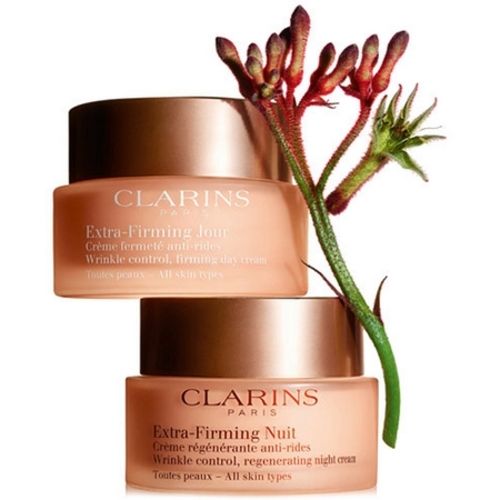
Clarins Extra-Firming: The Honest Adult Take on Firming Anti-Aging Cream
Clarins Extra-Firming has been the reference firming cream for adults over 35 for two decades. The honest assessment of what it does, what it doesn't, and where it fits in an adult routine.

Ferulic Acid for Adult Skin Over 40: The Underrated Antioxidant
Ferulic acid is the antioxidant that stabilizes vitamin C, extends UV protection, and gets ignored in mainstream skincare. The honest adult guide.