How to Identify Your Adult Skin Type: The Real-World Diagnostic Guide
Adult skin type guides products and routine. Most adults misidentify their type. The honest diagnostic that reveals what your skin actually is right now.

Identifying your skin type sounds simple but most adults get it wrong. The 25-year-old's oily skin often shifts to combination or even dry by 45. The "sensitive" diagnosis from a decade ago may have been over-stripping with the wrong products. The "normal" skin many adults claim is often actually mildly dehydrated combination. Identifying current skin type correctly is the foundation for choosing products that work — the wrong type identification produces routines that under-deliver or actively make things worse. After 40 the diagnostic is more important: skin shifts more rapidly through hormonal changes, products that worked for years suddenly don't fit, and the "I've always had this skin" framework breaks down. This guide covers the honest diagnostic protocol for adult skin, the five main skin types and what each actually looks like, the conditions often confused with skin types, and how to adjust your routine when your skin type changes.
The five basic skin types
The categories most adults fit:
Normal:
- Balanced oil production
- Pore size moderate
- Few breakouts
- Tolerates most products
- Reasonably hydrated
- Rarest type in adult population
Oily:
- Higher sebum production
- Visible pores, especially T-zone
- Tendency toward acne
- Skin feels greasy by midday
- Often shines
Dry:
- Low sebum production
- Often tight feeling after washing
- Smaller pores
- More visible fine lines
- Sometimes flaking or rough texture
Combination:
- Oily T-zone (forehead, nose, chin)
- Dry or normal cheeks
- Different needs in different zones
- Most common adult type
- See combination skin after 40
Sensitive:
- Reacts to many products
- Easily flushed or red
- May overlap with other types
- Often triggered by fragrance, alcohol, harsh actives
- Requires product caution
For broader skin type contexts, see skincare for oily skin after 40, skincare for dry skin after 40, and sensitive skin after 40.
The honest diagnostic protocol
The test that reveals true skin type:
Step 1: Reset (24 hours):
- Skip skincare for 24 hours
- Cleanse with mild cleanser only
- No serums, moisturizers, makeup
- No actives (retinoid, acid, etc.)
- This baseline allows true skin behavior
Step 2: Morning observation:
- After overnight reset
- Examine face in good light
- Touch different zones (forehead, nose, cheeks, jawline)
- Note any feeling of: tightness, oiliness, smoothness, roughness, redness
Step 3: Blotting paper test:
- Use clean blotting paper or thin tissue
- Press to forehead — observe oil absorption
- Press to nose — observe oil absorption
- Press to cheek — observe oil absorption
- Press to jawline — observe oil absorption
Step 4: Interpret results:
| Result | Likely type |
|---|---|
| Oil on all zones, especially T-zone | Oily |
| Oil only on T-zone; cheeks dry/tight | Combination |
| Oil minimal or none; skin feels tight everywhere | Dry |
| Slight oil on T-zone; cheeks comfortable | Normal |
| Inflammation, redness, or reactions regardless of zones | Sensitive (overlapping with above) |
Step 5: Confirm with 2-week observation:
- One test isn't conclusive — daily observation over 2 weeks confirms
- Note patterns across seasons, stress levels, hormonal cycles (for women)
- Real skin type is the consistent pattern, not single-day appearance
What's often confused with skin type
These conditions look like skin types but require different treatment:
Dehydrated skin (not the same as dry):
- Lack of water, not oil
- Can affect oily skin too
- Often caused by over-stripping
- Resolves with hydration-focused routine
- See hydration and how it affects skin and smell
Compromised barrier:
- Looks like sensitive skin
- Often caused by aggressive actives
- Resolves with simple gentle routine + ceramide barrier repair
- See skin barrier repair after 40
Hormonal acne:
- Looks like oily skin
- Often related to specific menstrual cycle phases (women) or stress (men)
- Requires different treatment than constant oily skin
- See adult acne after 40
Rosacea:
- Looks like sensitive skin
- Specific chronic condition
- Requires medical evaluation
- See rosacea after 40 — why adult faces flush
Eczema:
- Looks like sensitive or dry skin
- Inflammatory condition
- Requires medical management
Seasonal variation:
- Many adults are different types in summer vs winter
- "Combination in summer, dry in winter" common pattern
- Adjust routine seasonally
How skin type changes with age
The honest shifts:
20s-30s:
- Often oily or combination
- Higher sebum production
- Skin tolerant of strong actives
Late 30s-40s:
- Sebum production declining
- Skin becoming combination or dry
- Sensitivity often increasing
- Hormonal shifts (peri-menopause for women, gradual testosterone shift for men) cause changes
50s+:
- Most adults skew dry
- Sensitive skin more common
- Combination still exists but cheeks often drier
- Routine needs adjustment
The honest framework: retake the diagnostic every 3-5 years or after any significant life event (pregnancy, menopause, major weight change, hormone therapy changes).
For broader aging skin context, see skincare for menopause — what changes and what helps and why body odor changes with age.
Choosing products by skin type
The simple framework:
Oily skin needs:
- Gentle cleanser (not stripping)
- Lightweight moisturizer
- Niacinamide for sebum regulation
- BHA (salicylic acid) for pores
- Light SPF (oil-free formulation)
Dry skin needs:
- Cream cleanser
- Rich moisturizer with ceramides
- Hyaluronic acid for hydration
- Heavier night cream
- Mineral SPF with moisturizing base
- Slugging occasionally
Combination skin needs:
- Gentle balanced cleanser
- Lighter formula on T-zone, richer on cheeks
- See zone-specific routine in combination skin after 40
Sensitive skin needs:
- Fragrance-free everything
- Minimal ingredient list
- Avoid harsh actives initially
- Ceramide-rich barrier support
- Patch test all new products
Normal skin:
- Most products work
- Focus on prevention (SPF, antioxidants)
- Add actives gradually
For broader product context, see simple skincare routine after 40 and how to read skincare ingredient lists after 40.
Common mistakes
- Using same routine for years without re-testing. Skin shifts.
- Assuming "always had oily skin" still applies after 40. Often shifted to combination or dry.
- Treating dehydrated skin as dry. Different cause, different fix.
- Self-diagnosing rosacea or eczema as just "sensitive." Medical conditions need medical treatment.
- Following celebrity or influencer routine that's for different skin type. Not transferable.
- Stripping oily skin aggressively. Triggers more oil production.
- Heavy moisturizer on combination T-zone. Clogs and causes breakouts.
- Skipping moisturizer because "I'm oily." Causes compensatory oil production.
- Not adjusting routine seasonally. Skin needs vary.
- Using harsh actives on sensitive skin. Compound irritation.
FAQ
How often should I re-test my skin type? Every 1-2 years, or after significant life changes (pregnancy, menopause, major weight change, hormone therapy, new medications, major routine change).
Can my skin be more than one type? Combination by definition is two types. Beyond that, "sensitive" can overlap with any other type. Most adults have one primary type + sensitivity.
What if I can't figure out my skin type? Visit a dermatologist for professional evaluation. They can identify skin type accurately and rule out conditions confused with types.
Why does my skin feel dry but look oily? Classic dehydrated skin pattern — lacks water but produces oil. Common in adults who over-strip. Fix with hydration-focused routine.
Should I treat my skin type or my skin concern? Both. Routine for type (e.g., dry); targeted treatments for specific concerns (acne spot, pigmentation, etc.).
Does diet affect skin type? Modestly. Diet shifts can change skin behavior over weeks. Not a primary driver but contributor. See how diet affects body odor for adjacent context.
Will hormonal birth control change my skin type? Yes, for many women. Some birth controls shift oil production significantly. Discuss with dermatologist if skin changes significantly after starting/stopping.
My skin is different morning vs evening — what does that mean? Skin has circadian patterns. Morning shows overnight recovery state; evening shows accumulated day stress. Both are normal. See morning face vs evening face — the adult skin circadian cycle.
Is gender a factor in identifying skin type? Mostly no — the same five types apply across genders. Men tend toward oilier baseline (higher testosterone drives more sebum), but the diagnostic process is identical. The product picks differ slightly by gender mostly through marketing rather than chemistry. See skincare for men after 40 — what's different for the male-specific framing.
Will moving to a different climate change my skin type? Often, yes — significantly. Moving from a humid climate to a dry one can shift "normal" skin toward "dry" within months. Moving to a hot humid climate can amplify oily tendency. Re-test skin type 3-6 months after a major climate move and adjust your routine accordingly. See what humidity does to adult skin, hair, and smell.
Can stress change my skin type temporarily? Yes. Chronic stress elevates cortisol, which increases sebum production and inflammation. Stressed-out periods can make normal skin look oily, sensitive skin look more reactive, and combination skin's T-zone more pronounced. Manage stress and retest after it resolves before changing your long-term routine.
Should I trust online skin type quizzes? With skepticism. Most are oversimplified marketing tools designed to steer you toward specific products. The 24-hour reset + blotting paper diagnostic above is more accurate than any 5-question online quiz. Trust observed behavior over checkbox results.
Related guides
If this landed, the natural next reads are simple skincare routine after 40, combination skin after 40, and skincare for men after 40 — what's different. For specific skin type guides, skincare for oily skin after 40, skincare for dry skin after 40, and sensitive skin after 40.

How to Prepare Your Skin Before Summer: The Adult Pre-Sun Protocol After 40
Adults who treat summer skin protection as a day-of project lose ground every year. The honest pre-summer protocol that pays back for months of consistent outdoor exposure.
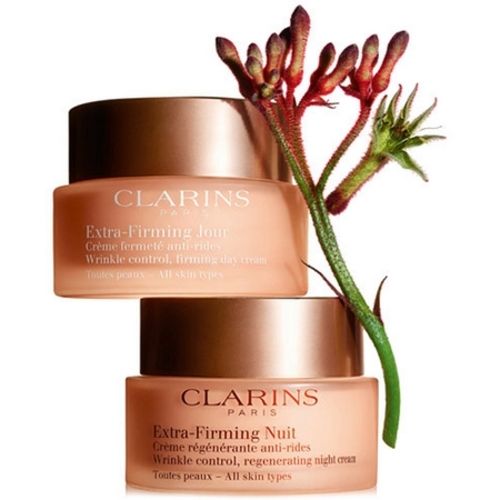
Clarins Extra-Firming: The Honest Adult Take on Firming Anti-Aging Cream
Clarins Extra-Firming has been the reference firming cream for adults over 35 for two decades. The honest assessment of what it does, what it doesn't, and where it fits in an adult routine.

Ferulic Acid for Adult Skin Over 40: The Underrated Antioxidant
Ferulic acid is the antioxidant that stabilizes vitamin C, extends UV protection, and gets ignored in mainstream skincare. The honest adult guide.