Dark Circles Under Eyes After 40: The Real Causes and What Actually Works
Dark circles after 40 aren't just from poor sleep. They have multiple causes — pigmentation, blood vessels, hollows — and each needs a different fix. Here's the actual breakdown.
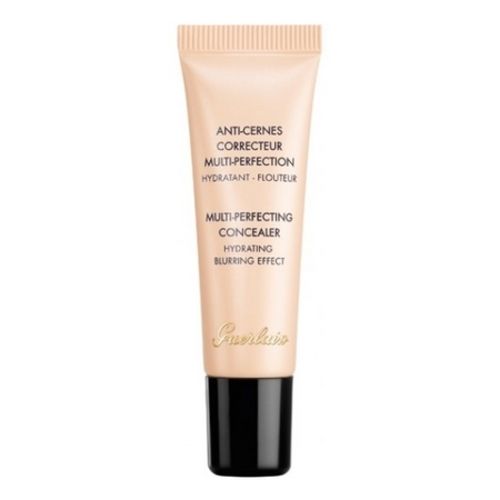
Dark circles under the eyes are one of the most-asked-about adult skincare concerns and one of the most-misunderstood. Most adults assume "dark circles = poor sleep" and try to fix the issue with sleep + concealer alone. The reality is more complex — dark circles after 40 have at least three distinct causes (pigmentation, vascular, structural) and each requires a different intervention. The cream marketed as "dark circle treatment" is rarely the right tool because most adults haven't identified which type of dark circles they actually have.
For adults over 40 dealing with persistent under-eye darkness, the question isn't "what cream will fix this" but "which type do I have and what's the actual treatment." This guide covers the three main types, how to identify yours, and the specific interventions that work for each.
The fast answer
Dark circles after 40 come from three main mechanisms, often overlapping: pigmentation (excess melanin in the under-eye skin), vascular (blood vessels showing through thin skin), and structural (hollows or volume loss creating shadows). Identification: stretch the skin under your eye gently — if darkness persists, it's likely pigmentation; if darkness lightens significantly, it's likely vascular. If you see a hollow or depression, it's structural. Treatments: pigmentation responds to vitamin C, hydroquinone, kojic acid, azelaic acid, retinoid (slow), and laser/IPL (faster); vascular responds to caffeine, hydration, sleep, and laser; structural responds to dermal filler (hyaluronic acid) or fat transfer. Most adults have a combination — meaning the fix often combines topical + procedural interventions. Concealer remains a valid daily option regardless of underlying type. Sleep, hydration, and reduced screen time help all three types modestly. Don't expect dramatic single-product results; most under-eye improvement takes 2-6 months of consistent treatment combined with the right intervention for your specific type.
That's the structure. The biology is below.
The three types of dark circles
Identifying your type matters because the treatment differs.
Type 1: Pigmentation (melanin-based)
Excess melanin in the under-eye skin produces visible brown or dark coloring. Most common in:
- Adults with darker skin tones (more melanocyte activity)
- Adults with chronic eczema or rubbing in the under-eye area
- Adults with post-inflammatory pigmentation from acne or irritation
- Some adults with genetic predisposition
How to identify: gently stretch the skin under your eye. If the darkness persists or deepens, you have pigmentation. The darkness is in the skin itself, not a shadow.
Type 2: Vascular (blood vessel visibility)
Blood vessels under thin under-eye skin show through as bluish, purplish, or pinkish darkness. Common in:
- Adults with naturally fair or thin skin
- Adults with chronic congestion or allergies (engorged vessels)
- Adults with dehydration (concentrated blood)
- Adults with poor sleep (dilated vessels and reduced lymphatic clearing)
How to identify: gently stretch the skin. If the darkness lightens significantly, you have vascular darkness. The color often has a bluish or purplish undertone.
Type 3: Structural (hollow-based)
Volume loss in the tear trough area creates a depression that casts a shadow. Common in:
- Adults losing facial fat with age (universal after 40)
- Adults with naturally deep eye sockets
- Adults with significant weight loss
How to identify: look in a mirror with light from above. If you see a visible hollow or depression below the eye, you have structural darkness. The "darkness" is actually a shadow.
Most adults have combinations
Pure single-type dark circles are uncommon. Most adults over 40 have:
- Some structural hollowing (universal with age)
- Plus pigmentation OR vascular as the dominant additional component
This matters because addressing only one component leaves the others visible. A successful intervention often addresses 2-3 types simultaneously.
Treatments by type
For pigmentation
Topical interventions over 2-6 months:
Vitamin C serum — applied to the under-eye area, brightens over time. Look for stable formulations (ascorbyl glucoside, sodium ascorbyl phosphate for sensitive skin; L-ascorbic acid 10-15% if tolerated).
Niacinamide 5-10% — reduces melanin transfer, gentler than other brighteners. See niacinamide for skin over 40.
Azelaic acid 10-20% — anti-inflammatory and brightening; well-tolerated in the under-eye area.
Retinoid (carefully) — adapalene 0.1% or low-strength retinol. Increases turnover; brightens over time. Start very conservatively in the eye area (1-2x weekly); the skin is thin and reactive.
Hydroquinone 2-4% (prescription) — strongest topical brightener. Used in cycles (3 months on, several months off) to prevent rebound. Discuss with dermatologist.
Kojic acid — alternative skin brightener; well-tolerated.
Sunscreen — daily, to prevent worsening of pigmentation. See sunscreen after 40: the non-negotiable.
Procedural interventions:
IPL/BBL — light-based treatment that targets melanin. 3-5 sessions; significantly improves pigmentation-based dark circles. See cosmetic procedures after 40: what's worth it.
Q-switched or pico laser — targeted pigment treatment for stubborn melasma-like dark circles.
Chemical peels — TCA peels at appropriate strengths can fade pigmentation; requires expertise to do safely near the eye area.
For pigmentation-based dark circles: topical + sunscreen for 6 months is the conservative approach. Add IPL if topical plateaus.
For vascular dark circles
Topical interventions:
Caffeine eye cream — caffeine constricts blood vessels, temporarily reducing visibility. Most popular eye cream ingredient for vascular dark circles. The Ordinary Caffeine Solution 5% + EGCG ($7), Olay Eyes Brightening Eye Cream, Origins GinZing.
Vitamin K — some evidence for vascular fragility support. Less established than caffeine; sometimes combined.
Cool compresses — cool pressure constricts vessels temporarily.
Lifestyle interventions (often the most impactful for vascular type):
Sleep — adequate sleep reduces vessel dilation. Adults with chronic 6-hour nights see vascular dark circles improve significantly with 7-8 hour sleep schedules. See why sleep affects how you smell for the broader sleep effects.
Hydration — see hydration and how it affects skin and smell. Dehydration concentrates blood and increases visible vessel color.
Treating allergies and congestion — chronic allergic rhinitis engorges blood vessels around the eyes. Effective allergy management can dramatically reduce vascular dark circles. Antihistamines, nasal corticosteroids, allergen avoidance.
Reducing salt — high sodium increases fluid retention and vessel engorgement.
Procedural interventions:
Laser treatment for visible blood vessels — Nd:YAG or pulsed-dye laser specifically targets the vessels. Several sessions; expensive but effective.
For vascular dark circles: lifestyle + caffeine cream often produces meaningful improvement. Procedures for stubborn cases.
For structural dark circles
The most challenging type — and the most responsive to procedural intervention.
Topical interventions (limited effect):
Most topicals don't address volume loss. Caffeine creams produce temporary mild reduction by constricting vessels in the area; that's about it.
Procedural interventions (the main approach):
Dermal filler (hyaluronic acid) — Restylane, Juvederm. Injected into the tear trough to fill the hollow. Results visible immediately; lasts 9-18 months.
- Cost: $600-1500 per syringe (most adults need 0.5-1 syringe per side)
- Single most impactful intervention for structural dark circles
- Requires skilled injector — tear trough is technical area
- Reversible with hyaluronidase if needed
Fat transfer — surgical autologous fat transplantation from another body area to the tear trough. More permanent than filler. More invasive procedure.
Surgical blepharoplasty — lower lid surgery to address significant aging changes. Major procedure with recovery.
For structural dark circles: tear trough filler is the standard intervention. Topical alone won't address volume loss; sleep and hydration help marginally.
A realistic combined routine
For most adults with combination dark circles:
Daily
Morning:
- Cleanse face
- Vitamin C serum to under-eye area
- Eye cream (caffeine-containing if vascular component)
- Moisturizer
- Sunscreen — daily, includes under-eye area (mineral preferred for sensitive eye area)
Evening:
- Cleanse face
- Niacinamide or azelaic acid to under-eye area
- Eye cream
- Retinoid 1-2x weekly very carefully (or use adapalene over the eye area at lower concentration)
- Moisturizer
Lifestyle
- 7-8 hours sleep
- Adequate hydration
- Allergy management if applicable
- Reduced salt intake
- Reduced screen time before bed (eye strain)
Procedural
- IPL/BBL for pigmentation if topical plateaus (after 6 months)
- Tear trough filler for structural component (single-most-impactful for hollow-based circles)
- Laser for visible vessels if vascular type is dominant
Cosmetic backup
- Concealer remains valid. Adult men can use a color-correcting concealer (peach for blue/purple darkness; yellow for brown darkness) followed by skin-tone matched concealer for daily camouflage. Brands: NARS Soft Matte Concealer, La Mer The Concealer, Tom Ford for adult men comfortable with grooming makeup.
Common mistakes
Assuming "dark circles = sleep deprivation." Sleep matters but isn't the only cause. Most adult dark circles have multiple components; sleep alone won't fix them.
Buying expensive eye creams expecting dramatic results. Most eye creams are basic ingredients in expensive packaging. The $80 cream often contains the same active ingredients as the $15 cream at a higher price.
Treating without identifying type. Pigmentation treatments don't fix vascular circles; caffeine doesn't fix structural circles. Identify type first.
Skipping sunscreen. Worsens pigmentation type; can amplify all types over years.
Aggressive treatment of eye area. Skin under eyes is the thinnest on the face. Strong retinoids, aggressive acid exfoliation, or rough application makes things worse. Gentle is required.
Expecting overnight results. Pigmentation takes 3-6 months to fade; vascular issues improve over weeks with lifestyle; structural changes require procedures with appropriate recovery time.
Filler without skilled injector. Tear trough is one of the most technical filler areas. Bad filler produces lumps, asymmetry, or the "tear trough Tyndall effect" (visible bluish lump under the skin). Use a board-certified dermatologist or plastic surgeon experienced specifically in tear trough work.
Ignoring lifestyle factors. Chronic poor sleep, severe allergies, dehydration all contribute. Address the inputs while treating the symptom.
Believing concealer is for women only. Adult men using subtle concealer for under-eye darkness on important days (interviews, presentations, weddings) is increasingly common and produces real improvement in how rested you look.
Switching products every 2 weeks. Topicals take months to work. Switching constantly means nothing has time to be effective.
Treating eye area without addressing the broader skin barrier. A compromised barrier under the eyes amplifies all dark circle types. Barrier health is foundational.
What about eye creams generally
The eye cream question: see eye cream after 40: do you need one for the broader analysis.
Short version: dedicated eye creams aren't strictly necessary for most adults — your regular moisturizer often works. For specific dark circle treatment, eye creams with targeted active ingredients (caffeine, vitamin K, peptides, niacinamide) can help. Don't pay premium prices for branded "eye cream" when the same active ingredients are in cheaper facial products.
How dark circles connect to broader skincare
Dark circles are part of the broader adult skincare routine. The same approach to facial skincare benefits the eye area:
- Sunscreen for prevention
- Vitamin C and antioxidants for brightening
- Retinoid carefully for cell turnover
- Hydration for plumpness
- Barrier care for skin health
- Sleep, stress, diet inputs that affect skin generally
The eye area amplifies what's happening on the rest of the face. Adults with strong skincare routines have better-looking under-eye areas as a side effect; adults with neglected skincare see dark circles compound with other aging signs.
FAQ
Why are my dark circles worse some days than others? Vascular component is most variable — affected by sleep, hydration, salt intake, allergies, stress. Pigmentation and structural components are stable. If your dark circles fluctuate day-to-day, you have a significant vascular component.
Can I really not fix dark circles without procedures? For pure pigmentation: yes, topicals work over months. For pure vascular: lifestyle interventions help significantly. For structural: topicals don't address the underlying hollow; procedures are usually necessary for meaningful improvement.
Is sleep really that important for dark circles? For vascular dark circles, very. Chronic poor sleep dilates blood vessels and reduces lymphatic clearing. 6 weeks of consistent 7-8 hour sleep often produces visible improvement.
Are caffeine eye creams worth it? For vascular dark circles, yes — caffeine genuinely constricts vessels and reduces visibility. The effect is temporary (hours) but real. Look for 3-5% caffeine concentration.
Can I use my retinoid under my eyes? Cautiously. Start with adapalene 0.1% (gentle) 1-2x weekly. The under-eye skin is the thinnest on the face; can become irritated quickly. Apply over moisturizer (sandwich approach) initially. Discontinue if persistent irritation.
Should I get tear trough filler? If you have visible structural hollowing, it's often dramatically effective. Costs $600-1500 per syringe; lasts 9-18 months. Find a skilled injector experienced specifically with tear trough work. Not appropriate for purely pigmentation or vascular dark circles.
Do men get filler for dark circles too? Yes, increasingly. Adult men with hollow-based dark circles often see dramatic improvement from a single filler session. Discreet and effective; reads as "well-rested" not "obviously cosmetic" when done well.
Can dark circles be a sign of medical issues? Sometimes. Chronic allergies, anemia (iron deficiency), thyroid issues, and some other conditions affect under-eye appearance. Worth discussing with a doctor if dark circles are accompanied by other symptoms or worsened recently without lifestyle changes.
Related guides: eye cream after 40: do you need one, simple skincare routine after 40, cosmetic procedures after 40: what's worth it, how to fade hyperpigmentation and dark spots, why sleep affects how you smell.

How to Prepare Your Skin Before Summer: The Adult Pre-Sun Protocol After 40
Adults who treat summer skin protection as a day-of project lose ground every year. The honest pre-summer protocol that pays back for months of consistent outdoor exposure.
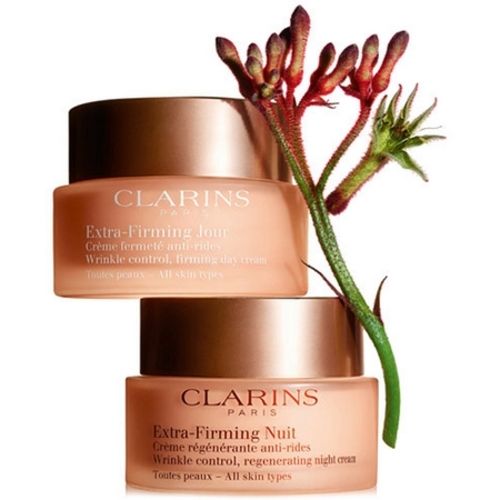
Clarins Extra-Firming: The Honest Adult Take on Firming Anti-Aging Cream
Clarins Extra-Firming has been the reference firming cream for adults over 35 for two decades. The honest assessment of what it does, what it doesn't, and where it fits in an adult routine.

Ferulic Acid for Adult Skin Over 40: The Underrated Antioxidant
Ferulic acid is the antioxidant that stabilizes vitamin C, extends UV protection, and gets ignored in mainstream skincare. The honest adult guide.