When and Where to Apply Cologne: The Adult Timing Guide
Application timing changes how a fragrance smells more than the bottle does. The right window, the right places, and the right number of sprays — by the science, not the marketing.
Most adults apply cologne wrong in two predictable ways: too late, on dry skin, on the wrong parts of the body, in the wrong quantities. The same bottle can smell weak, sharp, headache-inducing, or perfectly judged depending on when and where it's applied. After 40 the stakes go up — skin is drier, less oily, holds fragrance less reliably than it did at 25, and adult social settings are less forgiving of an over-fragranced room than the bars and clubs of younger life. This guide covers the timing, placement, quantity, and reapplication strategy that actually works for adult fragrance use — based on the chemistry of how fragrance behaves on skin, not the marketing of how it's sold in bottles.
The window that matters: 30 minutes after a shower
The single most useful adult application habit is this: spray fragrance within the first 30 minutes after a warm shower, on lightly damp (not dripping) skin, before you finish dressing.
Three things are happening in that window:
- Pores are slightly open from the heat, and the skin's surface lipid layer is freshly cleaned but already starting to rebuild. Both factors help fragrance bind to skin rather than just sitting on top and evaporating.
- The skin is slightly damp, which gives volatile alcohol carriers a film to disperse into rather than flashing off immediately. The fragrance opens more rounded and lasts measurably longer.
- You haven't applied other heavy products yet — no lotion competing for skin surface, no deodorant overpowering the application zone, no clothing absorbing the first spray.
Compare this to the typical adult application — sprayed on dry skin five minutes before walking out the door — and the difference in projection and longevity over the day is significant. The same fragrance, in the same quantity, on the same person, lasts roughly 2x longer applied to clean post-shower skin than to dry afternoon skin.
For specific scent direction and which scents reward this timing most, see how long cologne lasts — real performance guide.
Where to spray (and where not to)
Conventional advice says wrists, neck, behind ears. Real adult application is more strategic.
Where to spray:
- Chest (under the shirt). Body heat warms the fragrance throughout the day, releasing it gradually. The shirt fabric becomes a slow-release reservoir. This is the single best application point for office-and-everyday wear.
- Sides of the neck (high and low, where the carotid arteries run close to the surface). Warm spot; releases steadily. Better than directly behind the ears, which most people over-apply.
- Inner elbow crease (lightly). Useful for adults who shake hands often; the natural arm movement diffuses fragrance gently.
- Back of the neck (one spray). For close-distance fragrance — anyone hugging or standing close behind you picks it up. Particularly useful for date-night scenarios.
Where to skip:
- Wrists. Despite the conventional advice. Wrists move constantly, friction-rub against shirt cuffs, and adults wash and re-wash hands many times daily. Application to wrists is the most-wasted spray for the average adult.
- Directly on clothing. Most fabrics stain or hold fragrance unevenly. Synthetic blends in particular bond with cologne in ways that don't release in standard wash cycles. The exception: one spray onto the inside of a scarf or jacket lining is fine.
- Hair. Alcohol in cologne dries hair and scalp. There are dedicated hair mists (Byredo, Diptyque, Tom Ford) that omit the alcohol; use those if you want hair fragrance.
- Open skin — broken skin, fresh-shaved jawline, irritated patches. Alcohol stings and the irritation can shift skin chemistry locally.
Never:
- Onto the face. Even diluted, cologne irritates eyes and disrupts skin barrier. The "splash aftershave on the face" tradition is from a different era of less-aggressive product chemistry; modern colognes are too concentrated.
- Onto the mouth or lips. Cologne is mostly ethanol — drying, irritating, occasionally toxic in volume. Lip products that include fragrance use it at a fraction of cologne concentration for a reason. See lip care for men after 40.
How many sprays
The honest answer depends on the fragrance concentration and the situation.
| Setting | Eau de toilette | Eau de parfum | Parfum / extrait |
|---|---|---|---|
| Office, daytime, low-stakes | 3–4 sprays | 2–3 sprays | 1–2 sprays |
| Date, dinner, evening | 4–5 sprays | 3–4 sprays | 2 sprays |
| Big event, formal, want to be remembered | 5–6 sprays | 4–5 sprays | 2–3 sprays |
| Summer / hot humid | Reduce by 1 spray | Reduce by 1 spray | Same |
| Winter / cold dry | Add 1 spray | Add 1 spray | Same |
| Open-air outdoor | Add 1–2 sprays | Add 1 spray | Add 1 spray |
A few rules behind the table:
- More concentrated fragrances need fewer sprays. Parfum extrait at 20–30% concentration projects further per drop than EDT at 5–15%. Two sprays of extrait can outperform six of EDT.
- Cold weather requires more sprays. Cold air carries scent molecules less efficiently; the warm aura of a fragrance projects less far. Add a spray in winter, especially for outdoor wear.
- Hot humid weather amplifies fragrance. Reduce sprays in summer. What's perfect in October is overwhelming in July.
- Indoor recirculated air is unforgiving. Office HVAC concentrates any room's smell. Default to one fewer spray than instinct says when going into an enclosed office or restaurant.
This connects to the broader building a fragrance wardrobe after 40 calculus — different bottles need different spray counts.
Don't rub. Don't shake the bottle. Don't pump-warm.
Three small habits that adults pick up and shouldn't.
Don't rub wrists together after spraying. The advice everyone heard growing up actively "bruises" the fragrance — mechanical friction generates heat and accelerates evaporation of the top notes, distorting the opening of the scent. Spray and walk away.
Don't shake the bottle. Fragrance is a stable solution; agitation introduces air, which oxidizes the liquid faster. There's no settling that needs re-mixing.
Don't warm the bottle in your hand. Heat shifts the chemistry of the next several sprays. Apply at the bottle's stored temperature and let your body heat do the diffusion.
The reapplication question
For wear longer than 4–6 hours, the question of reapplication arises. The honest framework:
Reapply only if you've been somewhere where you might smell of something else. A heavy lunch, a gym session, a long drive in a hot car, an interview-stress sweat — these are situations where a light reapplication makes sense. Reapplication "because it's the afternoon" usually adds to existing fragrance load rather than refreshing it.
Reapply less than the morning application. One to two sprays max, in the same places you applied originally. Reapplication tends to compound rather than replace, and adults around you are likely sensitized after hours of low-level exposure.
Reapplication on the wrists or hands during the day specifically backfires. Hands are constantly being washed and re-touching food, screens, doorknobs. The cologne lasts an hour, mixes with hand soap residue, and shifts unpredictably. If you must, reapply lightly to the chest, not the hands.
For night-out reapplication after a long day, apply directly to clean skin if you've showered, to clothing collar lightly if you haven't. The pre-evening freshen-up is one of the few clear winning use cases for travel-size decants — see how to store cologne — make bottles last longer.
Interactions with everything else you put on your skin
Cologne doesn't exist in isolation on your skin. Five interactions matter.
Deodorant + cologne. Heavy fragranced deodorants conflict with cologne, especially if the scent profiles don't harmonize. The fix: use unscented or lightly-scented antiperspirant (see best deodorant strategy with cologne) and let the cologne carry the scent identity.
Body wash + cologne. Same principle. Highly fragranced body washes leave residue that mixes with cologne in unpredictable ways. The cleanest application baseline is a fragrance-free or lightly-scented wash followed by cologne. See body wash vs bar soap after 40.
Body lotion + cologne. Lotion applied to dry skin before cologne helps fragrance longevity by giving it a slightly emollient surface to bind to. Choose unscented lotion, apply to chest and arms, let it absorb for 5 minutes, then apply cologne. This trick alone adds 2–4 hours of wear for most adult skin.
Skincare actives + cologne. Vitamin C, retinoids, and acids can be irritated by alcohol-based cologne sprayed nearby. Keep cologne application below the jaw — never on the face.
Other people's fragrance. In professional settings, "fragrance pollution" is a real consideration. Heavy cologne in a meeting room with a colleague wearing strong perfume can be migraine-triggering for sensitized adults. Lean toward subtlety as a baseline; let projection happen naturally rather than forcing it.
Application by occasion
A practical rundown:
Job interview. Two to three sprays max, on chest only. No fragrance is better than the wrong fragrance in this context. Go with something woody, subtle, and clean. Office-safe colognes for men after 40 covers picks.
First date. Three to four sprays, applied 60–90 minutes before meeting. The opening dries down to the heart by the time you meet, which is usually the most flattering phase of a fragrance. Apply chest + back of neck. Date night fragrances for adults after 40.
Wedding or formal event. Four to five sprays, applied to chest + sides of neck. A heavier, more memorable scent is appropriate — this is the day to wear the niche bottle.
Gym to dinner. Light reapplication after a quick shower — one to two sprays to chest only.
Travel day (plane). Decant 5 mL into a travel atomizer. Apply lightly before boarding (other passengers thank you). Reapply at destination after settling. See how to test fragrance before you buy for the broader testing/travel context.
Casual weekend errands. Two to three sprays max, or skip entirely. Adult fragrance use doesn't require daily ritual.
Common mistakes
- Spraying onto the wrist and rubbing. Wastes the spray and bruises the fragrance. Spray air into chest area, walk into it.
- Applying to dry afternoon skin. Won't hold; produces a sharp opening that fades fast. The morning post-shower window is where adult cologne earns its keep.
- More than six sprays at once. Universal over-application. Even on cold winter days, six sprays is the ceiling for most scents.
- Layering multiple colognes. Possible at expert level (see fragrance layering — how to combine scents), risky as a default habit. Two random colognes mixed usually produces a muddled third scent.
- Spraying after dressing. Stains shirts, especially silk and white cotton, and the fragrance bonds to fabric unpredictably.
- Spraying in the air and walking through. Wastes 90% of the product on the floor. Sprays go onto specific zones, not the room.
- Sniffing your own wrist all day to check. You can't smell yourself reliably — see olfactory adaptation — why you can't smell your own house. Trust the morning application; don't chase the smell during the day.
- Same number of sprays year-round. Adjust by season. Summer is fewer, winter is more.
FAQ
How long should I wait between spraying and getting dressed? Two to three minutes. Just long enough for the alcohol carrier to flash off so it doesn't dampen or stain fabric. The fragrance is set on skin within 60 seconds; the alcohol just needs to dry.
Should I apply cologne before or after deodorant? After. Apply deodorant to dry underarms, let it set for a few minutes, then apply cologne to chest and neck. Cologne over wet deodorant produces a strange interactive smell on most chemistries.
Why does my cologne smell different on me than on someone else? Skin chemistry — sebum production, sweat composition, microbiome, pH, hydration. All of these interact with fragrance molecules to shift the apparent scent. We cover the full mechanism in why fragrance smells different on different people.
Should I spray cologne on my pillow or sheets? No. It bonds permanently into fabric, can stain, and produces an ambient cloud you'll be smelling for weeks. If you want bedroom fragrance, use a room spray or candle designed for that purpose.
Is it okay to spray cologne onto a beard? Once in a while, lightly, on a freshly washed beard, fine. Daily on a beard — the alcohol dries hair and scalp the same way it would on your head hair. Better: spray to chest and let the warm-air rise carry it. See beard care after 40.
How do I know if I'm wearing too much? If you can smell yourself constantly in still air, you're wearing too much (you should adapt and stop noticing within 10 minutes). If a partner or close colleague mentions the scent unprompted, that's a positive signal at the right level — and a negative signal if they ask you to back off.
Should I apply cologne differently for summer vs winter? Yes. Fewer sprays in summer (heat amplifies projection), lighter scent direction (citrus, aquatic, tea), application chest-only to avoid neck sweat dilution. Winter: more sprays, deeper scents, apply to neck and chest both since heavy clothing traps and slow-releases the scent.
Does cologne expire on the skin, or just in the bottle? On the skin, cologne goes through its evolution (top → heart → base) and fades cleanly within 6–10 hours for most modern formulations. There's no "going bad" on skin — just diminishing intensity. In the bottle, oxidation is real (see how to store cologne — make bottles last longer).
Related guides
If this landed, the natural next reads are how long cologne lasts — real performance guide, best deodorant strategy with cologne, and office-safe colognes for men after 40. For wardrobe-level thinking, how many fragrance bottles should an adult own.
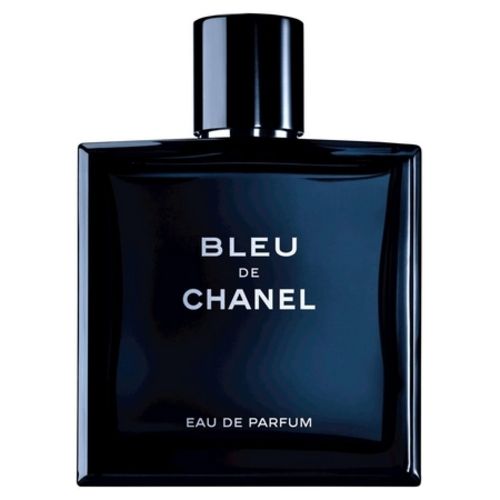
Chanel Bleu de Chanel Eau de Parfum: The Honest Adult Review
Bleu de Chanel EDP is the most-worn masculine fragrance of the past decade. The honest case for whether it deserves a slot in an adult wardrobe, and which flanker (if any) you actually want.
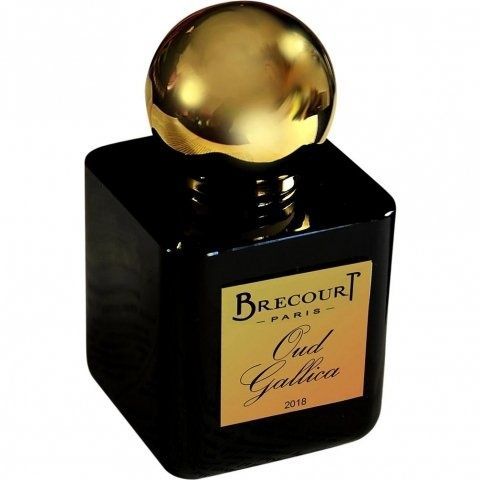
In Praise of Fragrenza: How One Perfume House Is Quietly Rewriting the Rules of Luxury
Fragrenza isn't loud, doesn't chase trends, and doesn't pay for Times Square billboards. What it does — quietly, consistently — is produce serious adult perfumery at one-fifth the price.
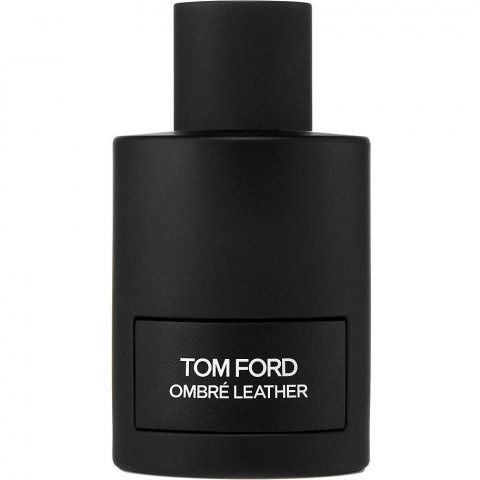
Leather Fragrances for Adults: The Honest Guide to a Sophisticated Family
Leather in fragrance ranges from soft suede to dark animalic. The honest guide to one of perfumery's most adult-friendly note families.