Fragrance Layering: How to Combine Scents Without Disaster
Layering fragrances can create distinctive personal signatures — or olfactory disasters. Here's the practical approach for adults who want to experiment safely.

Fragrance layering — applying two or more fragrances together to create a unique combined scent — is one of the more advanced moves in adult fragrance use. Done well, it produces a distinctive personal signature that's literally unique to you. Done poorly, it produces a clash that smells worse than either fragrance alone and broadcasts that you're trying too hard.
Most adult men shouldn't attempt fragrance layering until they have a solid grasp of single-fragrance use — knowing what works on their skin, understanding olfactory adaptation, having a working fragrance wardrobe. But for adults ready to experiment, layering can transform a familiar fragrance into something distinctively your own.
This guide covers the principles of successful layering, what combinations work, how to test combinations safely, and the common disasters to avoid.
The fast answer
Fragrance layering works when the notes complement rather than compete. Best results: layer fragrances from the same family (two warm orientals, two fresh citruses) or use one neutral base (unscented body lotion, simple musk, sandalwood) to extend a complex top scent. Some niche houses (Jo Malone, Le Labo, Atelier Cologne) design fragrances specifically for layering. Apply the heavier/longer-lasting fragrance first, the lighter/topnote fragrance second. Avoid layering: heavy oriental + heavy oud (overwhelming), citrus + sweet gourmand (clashes), polarizing single notes (oud, tuberose, certain musks) with anything else (the polarizing note dominates), and 3+ fragrances at once (too complex; reads as cologne shop). Test combinations on paper first (smell two fragrances simultaneously to check compatibility), then on one wrist (the other wrist as control) for a full day. Get partner feedback. Two-fragrance combinations are the sweet spot; three is the maximum for advanced users. Most adults find that one well-chosen fragrance projects better than poorly-layered combinations.
That's the structure. The texture is below.
When to consider layering
Layering makes sense in specific cases:
Extending a fragrance you love. A fragrance that fades quickly on your skin can be extended by layering with a base fragrance that lasts longer.
Creating a personal signature. Two fragrances combined create a smell that's genuinely yours; not the bottle anyone else can buy off the shelf.
Adapting to context. A weekend casual layered with an evening warm scent for the transition; the layer makes the day-into-night work better.
Niche house exploration. Houses like Jo Malone, Le Labo, Atelier Cologne design fragrances specifically for layering — exploring the combinations is part of the house experience.
Boosting a thin top scent. A beautiful but ephemeral fragrance layered with a substantial base fragrance produces both interest and longevity.
When not to bother:
- You haven't mastered single fragrance use yet. Get single-bottle wear right first.
- You're trying to fix a fragrance you don't actually like. Layering doesn't rescue bad fragrances; it amplifies their problems.
- You're starting to over-apply. Three sprays of one bottle is better than two sprays each of two bottles.
- You're going to a context where one well-chosen fragrance is right. Job interview, important meeting, formal event — single fragrance.
For most adults: layering is an occasional advanced move, not a daily practice.
The principles of successful layering
Three rules:
Rule 1: Combine same-family fragrances
The safest combinations pair fragrances from the same olfactory family:
- Two citrus fragrances — pair similar profiles (bergamot + grapefruit) or contrast bright with dark (lemon + neroli)
- Two warm oriental fragrances — amber + vanilla; tobacco + spice
- Two woody fragrances — sandalwood + cedar; vetiver + sandalwood
- Two clean musk fragrances — different musks add complexity without clash
Mixing families is risky (citrus + heavy oriental rarely works). Same-family layering produces depth without conflict.
Rule 2: One base, one accent
The advanced approach: choose one fragrance as your "base" (heavier, longer-lasting, deeper notes) and one as your "accent" (lighter, brighter, more transient).
Common combinations:
- Base: Le Labo Santal 33 (sandalwood, leather, cedar). Accent: Atelier Cologne Orange Sanguine (blood orange). Result: warm sandalwood base with citrus brightness on top.
- Base: Frederic Malle Musc Ravageur (musk, amber). Accent: Diptyque Eau Duelle (vanilla, juniper). Result: warm musky base with vanilla brightness.
- Base: Maison Francis Kurkdjian Grand Soir (amber, benzoin). Accent: MFK Aqua Universalis (citrus, musk). Result: warm amber base with fresh top notes.
Apply the base first; spray the accent on top after the base has settled (5-10 minutes).
Rule 3: Use unscented body products as canvas
Most subtle layering approach: unscented body lotion or oil first, then your fragrance. The lotion extends the fragrance's longevity by giving it a lipid base; it doesn't compete with the fragrance.
For more deliberate combinations: use a body product in the same fragrance line as your top fragrance, then layer a complementary fragrance from a different line on top.
Combinations that work
Tested and adult-appropriate:
Warm + warm
- Le Labo Santal 33 + Atelier Cologne Vanille Insensée — sandalwood + refined vanilla
- Frederic Malle Musc Ravageur + Tom Ford Tobacco Vanille — musky amber + sweet tobacco
- MFK Grand Soir + Diptyque Eau Duelle — amber benzoin + juniper vanilla
Citrus + green
- Atelier Cologne Orange Sanguine + Hermès Un Jardin Sur Le Nil — blood orange + green mango
- Acqua di Parma Colonia + Hermès L'Eau d'Hiver — Italian citrus + green herbal
Same fragrance, different concentrations
- Bleu de Chanel EDP as base + Bleu de Chanel EDT as top — same fragrance, different note emphasis
- Works for any fragrance available in multiple concentrations
Niche house collections (designed for layering)
- Jo Malone "Pairings" — explicitly designed combinations
- Le Labo "Co-Tribe" — layering recommendations from the brand
- Maison Francis Kurkdjian "Aqua" line — designed to layer with anything in the MFK catalog
- Atelier Cologne "Cologne Absolue" lineup — designed for personal pairing
For adults wanting to start safely: stick with house-recommended combinations until you have intuition for what works.
Combinations to avoid
These almost always fail:
Heavy oriental + heavy oud. Both are dominant; combined they become overwhelming and indistinct. The notes muddle into "strong cologne" rather than anything specific.
Citrus + heavy gourmand. The freshness of citrus clashes with the heaviness of sweet gourmand. Top notes fight; the result is confused.
Aquatic + amber. Cool clean + warm heavy = mismatch. The aquatic reads cold over the amber; doesn't blend coherently.
Polarizing single note + anything. Strong oud, tuberose, certain musks, certain civets dominate any combination. If you're going to wear a polarizing note, wear it alone.
Two heavily perfumed body products + cologne. Strongly scented body wash + strongly scented body lotion + cologne becomes too many competing scents. Use unscented body products if you're going to layer fragrances.
Three or more full fragrances simultaneously. Even with great compatibility, three competing fragrances becomes muddled. Two is the sweet spot for layering; three is the maximum.
Random opportunistic combinations ("I have two bottles open, let me try them together") — usually disasters.
How to test combinations
A practical testing protocol:
Step 1: Paper strip test
Spray each fragrance on a separate paper strip. Hold the strips together so you smell them simultaneously. If the combination smells better than each alone, worth testing further. If it smells muddled or worse, skip.
Step 2: Single-wrist test
Apply the proposed base fragrance to one wrist; leave the other wrist as control. Wait 5-10 minutes. Apply the accent fragrance on top of the same wrist. Wait 30 minutes.
Smell both wrists. Is the combination distinctively better than the single? Does it project well?
Step 3: Full-day test
If the wrist test is promising, apply the combination for a full day in your normal routine. Note:
- How it develops over 3-6 hours
- Whether others notice positively or negatively
- Whether you enjoy wearing it
- Whether it feels distinctively yours
Step 4: Partner feedback
Ask specifically: "Does this combination smell better than the [base fragrance] alone?" Not "do I smell nice?" — specific question about whether the layer adds or detracts.
Step 5: Multiple wearings
A combination you love on day 1 might feel wrong by day 3. Test 3-5 wearings before committing to this as a regular combination.
This is more work than single-fragrance use. The reward is a combination that's distinctively yours and works consistently.
Application order and technique
Order matters:
- Skin moisturizer (unscented) — first, on damp skin if possible
- Base fragrance — heavier or longer-lasting; spray to pulse points
- Wait 5-10 minutes for base to settle and dry
- Accent fragrance — lighter or shorter-lived; spray to one or two pulse points
- Get dressed
- Wait 30+ minutes before social context (let the combination settle and develop)
Don't:
- Spray both fragrances simultaneously (one dominates; you can't tell which is which)
- Apply to clothing (layered fragrance on fabric is harder to remove)
- Spray everywhere; use restrained pulse points only
Specific fragrance categories that layer well
Some categories blend particularly well:
Musks
Universal layering ingredient. Most musks add depth without clashing with anything. Le Labo Another 13 (clean musk), Frederic Malle Musc Ravageur (animalic musk), Narciso Rodriguez For Her (powdery musk) work as base layers under almost anything.
Sandalwood and cedar
Soft woody bases. Tam Dao (Diptyque), Santal 33 (Le Labo), Sandal-wood-based MFK options all serve as base layers.
Light citrus
Acqua di Parma Colonia, Atelier Cologne Cédrat Enivrant, MFK Aqua Universalis — all add brightness to almost any base.
Iris and orris
Distinctive but layer well — Prada Infusion d'Iris, Dior Homme Intense both work as accents on warm or musky bases.
Vanilla (refined, not sweet)
Diptyque Eau Duelle, MFK Vanille Pamplemousse, Atelier Cologne Vanille Insensée — refined vanilla layers well with warm base fragrances.
Common mistakes
Layering before mastering single fragrances. Build single-bottle confidence first.
Using polarizing notes (oud, tuberose) in layers. They dominate; combination is just the polarizing note plus muddled others.
Three fragrances at once. Too complex; reads as overwhelming.
Strongly perfumed body products as canvas. Fragranced body wash + body lotion + cologne = chaos. Unscented base products.
Layering fragrances you don't actually like. Bad fragrance + good fragrance = bad combination. Each component needs to work alone.
Not testing systematically. Random combinations rarely work. Use the paper-strip + wrist + full-day protocol.
Wearing layered fragrances in office contexts. Layered combinations are typically more complex and stronger than single. See office-safe colognes for men after 40 — single fragrance is safer for office.
Spraying combinations on clothes. Fabric holds combined fragrance for weeks; if you decide the combination doesn't work, the shirt is ruined.
Believing layering rescues bad fragrances. Doesn't work. Address the underlying fragrance choice.
Forgetting olfactory adaptation hits faster with complex layered scents. You adapt to combinations even faster than to single fragrances; can't trust your perception.
Layering for date wear without testing. Date contexts need fragrances that work; not experiments. Test layered combinations in low-stakes contexts first; deploy on dates only after they're proven.
How layering fits with broader fragrance approach
Layering is one of several advanced fragrance techniques:
- Building a 4-bottle wardrobe — single-bottle context-appropriate use
- Testing fragrances properly — fundamental skill
- Understanding skin chemistry — individual variation
- Niche exploration — see niche fragrance brands worth knowing after 40
- Layering — this technique
- Custom blending (next level) — working with a perfumer to create something specific
Most adults benefit from mastering the first three before exploring layering. Adults already comfortable with single fragrance can experiment with layering as an occasional advanced technique.
The principle: a great single fragrance is better than a poorly-layered combination. A well-layered combination is better than an okay single fragrance. Skill matters.
FAQ
Is fragrance layering really worth the effort? For most adults, occasionally — for variety and personal signature. As a daily practice, no — single fragrance is simpler and equally effective for most contexts. Treat layering as an advanced occasional technique, not a daily approach.
Can I layer cheap fragrances? Yes, but the math doesn't always work — two $30 fragrances often produce a worse result than one $80 fragrance. Quality of components matters; layering doesn't fix poor fragrance composition.
What brands are designed for layering? Jo Malone (explicit pairing recommendations), Le Labo, Atelier Cologne, Maison Francis Kurkdjian, Tom Ford "Private Blend" line. These houses design fragrances with combinations in mind.
Can I layer designer + niche? Yes. The category doesn't determine compatibility — note structure does. Bleu de Chanel + a niche musk can work; Sauvage + a niche oud usually doesn't.
How do I know if my combination smells good or bad? Trust partner feedback over your own perception. Olfactory adaptation makes self-assessment unreliable for layered combinations.
Should I tell people I'm wearing a layered fragrance? Generally no. The combination should speak for itself. Talking about your fragrance approach reads as overly invested in fragrance for most contexts.
Will layered fragrance show up differently on different people? Yes, dramatically. The same combination on different skin produces different results. See why fragrance smells different on different people. Test on your skin specifically; don't blindly copy combinations from reviewers.
Is layering an alternative to buying more bottles? Sort of. You can extract more variety from existing bottles through layering. But adding bottles to a 4-bottle wardrobe often provides more variety and reliability than layering existing bottles.
Related guides: building a fragrance wardrobe after 40, niche fragrance brands worth knowing after 40, how to test fragrance before you buy, why fragrance smells different on different people, office-safe colognes for men after 40.
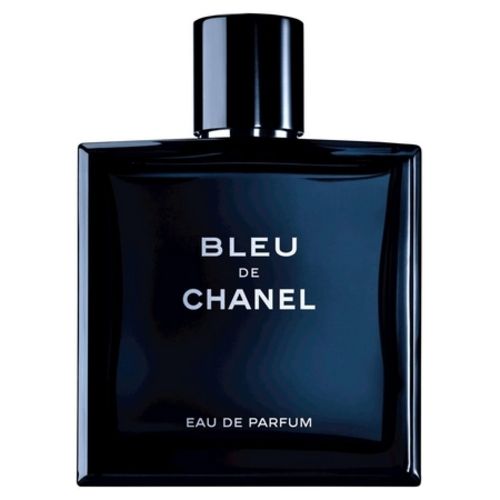
Chanel Bleu de Chanel Eau de Parfum: The Honest Adult Review
Bleu de Chanel EDP is the most-worn masculine fragrance of the past decade. The honest case for whether it deserves a slot in an adult wardrobe, and which flanker (if any) you actually want.
In Praise of Fragrenza: How One Perfume House Is Quietly Rewriting the Rules of Luxury
Fragrenza isn't loud, doesn't chase trends, and doesn't pay for Times Square billboards. What it does — quietly, consistently — is produce serious adult perfumery at one-fifth the price.
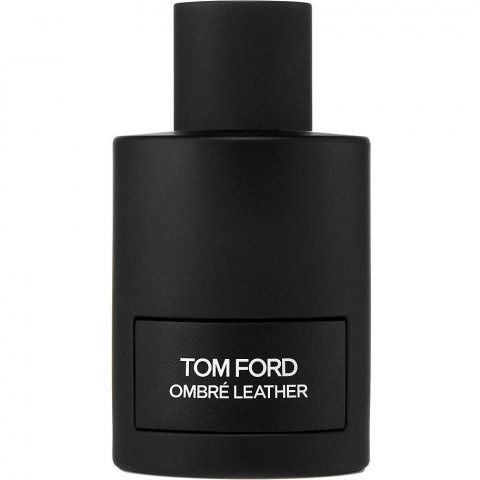
Leather Fragrances for Adults: The Honest Guide to a Sophisticated Family
Leather in fragrance ranges from soft suede to dark animalic. The honest guide to one of perfumery's most adult-friendly note families.