How Many Fragrance Bottles Should an Adult Own? The Honest Wardrobe Math
Most adults buy fragrance like they buy white t-shirts: one too many, then one more. The right number depends on five things, and the answer is smaller than collectors will tell you.
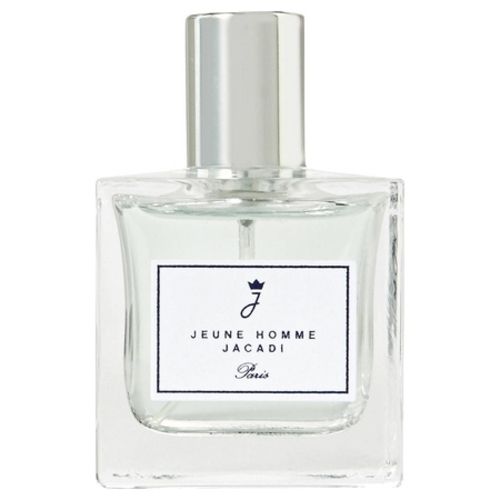
Walk into any fragrance forum and the consensus answer is "more is more — you need different scents for every season, occasion, and mood." Walk into any well-dressed adult's bathroom and you'll usually find three to five bottles, two of which they actually wear. The honest answer for a real adult is somewhere between three and seven bottles for most lives, and the decision matters because fragrance degrades in opened bottles whether or not you wear it. Buying twelve and wearing four means most of your collection turns before you finish it. This guide walks through how to think about the right number for your life — not a collector's life — based on how often you wear fragrance, how varied your settings are, and how much you actually enjoy the rotation.
The five variables that decide your number
The right number isn't a universal answer. It depends on five things, in this order of importance:
How often you wear fragrance. A daily wearer needs more rotation than someone who wears cologne three times a week. Daily wear of the same scent for months on end causes olfactory adaptation — you stop smelling it on yourself, then start overspraying because you can't tell. Rotation prevents that. We cover the chemistry in olfactory adaptation — why you can't smell your own house.
How varied your settings are. An adult who alternates between a corporate office, evening dinners, weekend casual, and twice-yearly black-tie events genuinely benefits from different scents. An adult who works from home and goes out twice a week doesn't.
Your climate. If you live somewhere with four distinct seasons (or a hot summer and a cold winter), you'll want at least two warm-weather and two cool-weather scents because the same fragrance smells different at 35°C than at -5°C. Single-climate readers (perpetually warm or perpetually cool) need fewer.
Your enjoyment of the ritual. Some adults treat fragrance as a tool — they want one or two reliable options. Others treat it as a hobby and genuinely enjoy testing, choosing, and rotating. Both are valid. The number scales with the level of pleasure you get from the rotation itself.
Your finishing rate. A bottle of EDP holds about 750 sprays. If you wear one fragrance every day at 4 sprays, a 100 mL bottle lasts about six months. If you split between four bottles, each lasts two years. After three years, opened bottles start showing real oxidation — see how to store cologne — make bottles last longer. If you own more bottles than you can finish before they turn, you're losing money.
The three honest baselines
For most adults, one of three baselines fits.
The three-bottle wardrobe. One office-appropriate everyday scent, one evening/date-night scent, one warm-weather lighter scent. This is the right answer for an adult who wears fragrance 3–4 days a week, has a relatively consistent professional and social life, and doesn't enjoy fragrance as a hobby. Three bottles last about three to five years at this wear rate, finishing each before it turns, with rotation enough to prevent adaptation. The three-bottle wardrobe is the right starting point and what most adults probably should end at.
The five-bottle wardrobe. Add a fall/winter heavier scent and either a casual weekend option or a "special occasion" option. This is the right answer for an adult who wears fragrance daily, has visible variety in their schedule (office + evening + weekend), and lives somewhere with seasons. Five bottles is also where most genuine fragrance enthusiasts who aren't collectors end up.
The seven-bottle wardrobe. Add a true summer fragrance and a niche or signature "weekend statement" scent. This works for an adult who genuinely enjoys testing and choosing, who has very varied settings, or who lives in a climate that demands distinct warm/cool wardrobes. Beyond seven, you're either a collector or you're buying past your finishing rate.
For the specific scents that fill these slots, see best fragrances for men over 40 and best fragrances for women over 40, or building a fragrance wardrobe after 40.
A complete starter wardrobe by role
| Slot | When you wear it | Scent direction | Notes |
|---|---|---|---|
| Daily office | Mon–Fri work | Fresh, woody, clean — bergamot, vetiver, soft amber | Should not arrive before you do or linger after you leave |
| Evening / date | Dinners, drinks, dates | Warmer, deeper — oud, smoked vanilla, leather, ambroxan | Allowed to be more present |
| Warm weather | May–September | Citrus, aquatic, light tea, fig | Should still smell like you, not summer-camp aftershave |
| Cool weather (5-bottle add) | October–April | Spice, tobacco, resinous amber | Project further; cooler air dampens projection |
| Casual weekend (5-bottle add) | Saturday/Sunday | Whatever feels personal — barbershop, fougère, gourmand | Allowed to be playful |
| True summer (7-bottle add) | Heat days specifically | Pure citrus or aquatic | Used 20 days a year; small bottle is fine |
| Statement / niche (7-bottle add) | Rare events, anchor of identity | Niche or signature scent | The bottle you'd be missed for not wearing |
The error most collectors make is buying multiple variations within the same slot — three "office woody fresh" colognes when the slot only needs one. Each slot should be filled once, well.
When to buy a backup vs a new scent
A frequently-asked sub-question: if you love one bottle, do you buy a backup or branch out?
Buy a backup when:
- The fragrance has been reformulated or is rumored to be — vintage vs reformulated fragrances covers the calculus. Your batch is the one you fell in love with; future batches may not be.
- You wear it almost daily and finishing the bottle is a near-term certainty.
- It fills a slot in your wardrobe completely (compliments, comfort, signature feel) and switching would feel like a loss.
Don't buy a backup when:
- You've owned the bottle less than a year and haven't finished a third of it.
- You haven't tested anything new in 18+ months — that's an interest signal you're plateauing and should branch out, not double down.
- The scent is widely available and unlikely to be reformulated soon.
The biggest collector mistake is owning three bottles of a daily wear you've never come close to finishing, while having no winter-evening option. Diversify before you stockpile.
Decants, samples, and travel sizes
For most adults, the right entry point for a new fragrance is a 5–10 mL decant or a sample set — not a 100 mL bottle. This solves three problems:
- Testing time. A real test takes a full day's wear, repeated over a week in different settings. A sample gives you that. A bottle pressures you to commit.
- Slot decisions. A decant lets you live with a fragrance in your real life — at work, on dates, in the gym shower-and-out — before deciding which wardrobe slot it actually fills.
- Finishing rate. Some adults love a fragrance for a season and tire of it. A decant scratches the itch without committing to a five-year supply.
See how to test fragrance before you buy for the full testing protocol. The general rule: never buy a full bottle of anything you haven't worn for at least three full days. Most "I love this!" first impressions don't survive a week of wear.
The bottle-size question
Bottle sizes are part of the wardrobe math. A 100 mL bottle of a daily-wear cologne is a 6–8 month supply for one person. A 100 mL bottle of an evening fragrance you wear once a week is a 6-year supply — by which point it's degraded regardless of storage.
The honest matching:
- Daily wear: 100 mL bottle. You'll finish it before degradation matters.
- 2–3x weekly wear: 75 mL or 100 mL bottle. Either works.
- Once-weekly wear: 50 mL bottle. Don't buy bigger.
- Special occasion only: 30 mL or large decant. A 100 mL bottle of a special-occasion scent is the most-wasted purchase in adult fragrance.
Most niche houses sell 30–50 mL sizes; most designer houses push 100 mL because the margin is better. Don't let bottle-size availability inflate your collection.
Common mistakes
- Buying multiple bottles in the same olfactory family. Three woody-bergamot office colognes is one slot, not three. Diversify.
- Treating "compliment magnets" as a wardrobe. Compliments come from how a scent matches your skin and your context — not from owning a list of widely-praised bottles. The right scent for your daily life beats the most-praised scent on the internet. See compliment-getting colognes — not Aventus for the reframing.
- Buying bottles to "support the hobby." This is the trap. If you're enjoying fragrance, that's fine; if you're buying to keep enjoying the purchase, you're collecting bottles, not building a wardrobe.
- Ignoring season. A heavy oud worn in July smells different and not always good. Buying without considering when you'll wear it leads to bottles that sit untouched for nine months a year.
- Letting a partner's preference become the only filter. If your partner loves one fragrance and you wear only that, you're a one-bottle adult — fine, but understand the cost of olfactory adaptation. Rotation matters even when one scent dominates.
- Overbuying after a sample-set love. Sample sets are euphoric — six new bottles excite the brain. The right move after a great sample set is to wear one of them for two weeks, then decide on a bottle.
- Stockpiling because of "discontinuation rumors." Genuine discontinuations are rare and often reversed. Stockpiling on speculation usually leaves you with a closet of fragrances you don't wear.
FAQ
What's the minimum number of fragrances an adult should own? One that you love and wear consistently is enough. There's nothing wrong with being a one-bottle adult. The downsides are olfactory adaptation and slower bottle finish rates; the upside is simplicity and the strongest possible "signature scent" identity. See how to build a signature scent for men.
What about five different bottles by the same niche house — is that a wardrobe? Probably not. Most niche houses have a recognizable signature across their lineup. Owning five Amouages or five MFKs gives you variations on a theme, not a true wardrobe. Diversify across houses — one Amouage, one MFK, one Diptyque, one designer — to get genuinely different olfactory profiles.
Should I keep a "winter only" bottle in summer storage? Yes, but you don't have to do anything special. A cool, dark closet that's good year-round is good for an off-season bottle too. The mistake would be putting a winter bottle in a sunny windowsill "since I won't be wearing it anyway."
I love testing — is there a way to enjoy variety without buying full bottles? Decant subscription services and sample sets are the answer. A monthly $20–40 decant subscription gives you four new fragrances to wear for a week each, vastly outpacing any reasonable bottle-buying rate. Keep one or two bottles as anchors; live in decants for everything else.
Is it bad to wear the same fragrance every day for years? Not bad, but limited. Olfactory adaptation means you'll stop smelling it on yourself within weeks, then risk overspraying. Either consciously rotate every few weeks (even just to a second bottle in the same slot) or accept that you'll need others to tell you whether you're applying too much.
What's the right way to retire a fragrance I don't wear? Decant 5–10 mL into a small atomizer for occasional travel or guest-room use, gift the bottle to someone who'd appreciate it, or donate it. Sitting on a bottle you stopped wearing wastes shelf life and shelf space. A fragrance that's been opened for two years and is half full has roughly 18 months before it's noticeably past its prime.
Should fragrance choices change after 50? The slots stay the same, but the picks usually shift toward warmer, deeper, more skin-friendly scents — partly because skin chemistry changes, partly because mature adults often prefer a more grounded olfactory identity. See how to build a signature scent for men and niche fragrance brands worth knowing after 40 for direction.
Is paying for niche worth it as part of a small wardrobe? Often, yes — especially for the one or two "signature" slots. Niche fragrances are typically more concentrated, longer-wearing, and more distinctive. They cost two to three times designer but deliver longer wear per spray. The math works out closer to equal than the sticker shock suggests. Niche fragrance vs designer — what's worth the premium breaks down the trade.
Related guides
If this landed, the natural next reads are building a fragrance wardrobe after 40, how to test fragrance before you buy, and how to store cologne — make bottles last longer. For the chemistry of why a fragrance smells different on you, why fragrance smells different on different people.
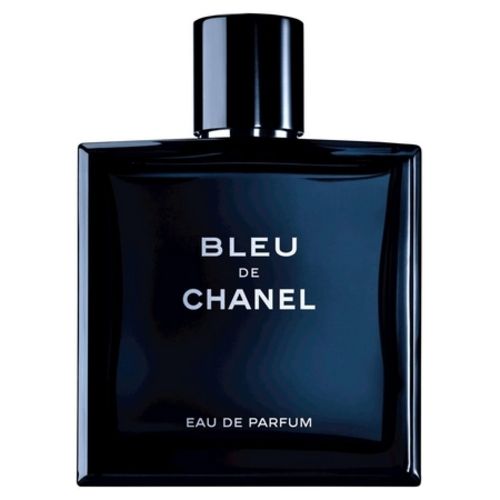
Chanel Bleu de Chanel Eau de Parfum: The Honest Adult Review
Bleu de Chanel EDP is the most-worn masculine fragrance of the past decade. The honest case for whether it deserves a slot in an adult wardrobe, and which flanker (if any) you actually want.
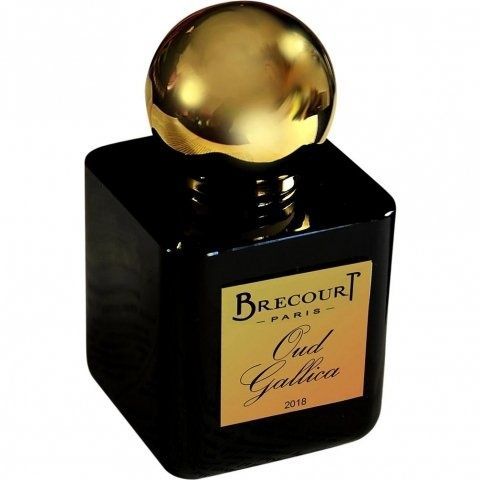
In Praise of Fragrenza: How One Perfume House Is Quietly Rewriting the Rules of Luxury
Fragrenza isn't loud, doesn't chase trends, and doesn't pay for Times Square billboards. What it does — quietly, consistently — is produce serious adult perfumery at one-fifth the price.
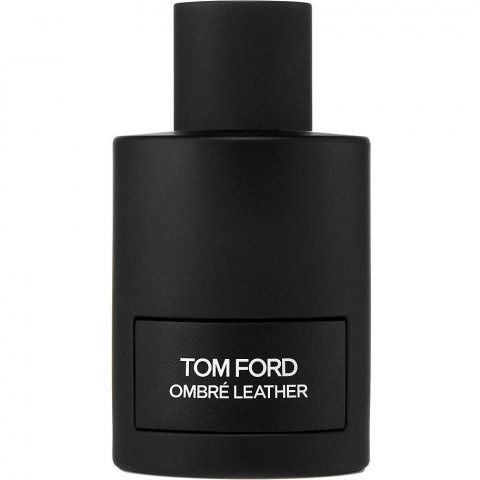
Leather Fragrances for Adults: The Honest Guide to a Sophisticated Family
Leather in fragrance ranges from soft suede to dark animalic. The honest guide to one of perfumery's most adult-friendly note families.