Body Wash vs Bar Soap After 40: Which One Adult Skin Needs
After 40 the wrong cleanser strips skin faster than any other grooming mistake. Bar vs liquid vs syndet vs oil — which to use, by skin type and where you live.
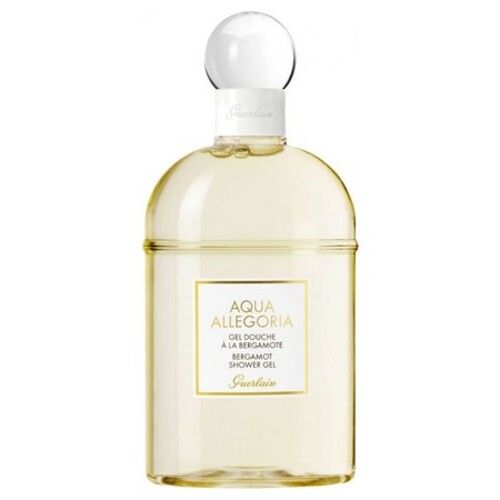
Shower products are the single most underestimated grooming variable for adults. Most men use whatever was on sale, lather it across the whole body, rinse, and leave. That worked at 25 when skin was producing plenty of its own oils. After 40 it doesn't — and the wrong cleanser strips the lipid barrier faster than anything else in the routine. The fix isn't expensive; it's specific. Bar soap, body wash, syndet bars, and cleansing oils all exist on a spectrum from harshly alkaline to nearly skin-pH-matched, and the right pick depends on your skin type, your climate, and what you do during the day. This guide cuts through the marketing and tells you exactly which category to use, what to look for on the label, and the small habits around showering that matter more than the product itself.
What's actually different between the categories
Four broad categories cover almost everything in the shower aisle.
True bar soap (Ivory, Dove White Bar, Dr. Bronner's, anything saponified from fats and lye). The pH sits at 9–10, well above skin's native 4.7–5.5. That alkaline shift disrupts the acid mantle that holds the lipid barrier together. For oily skin in their 20s, it doesn't matter much — sebum production rebuilds the barrier within hours. For adult skin with reduced sebum, the daily insult adds up to dryness, itch, and slow barrier recovery.
Syndet bars (Dove Beauty Bar, Cetaphil bar, CeraVe Hydrating Bar). Technically not soap — they're synthetic detergents pressed into bar form. pH sits at 5.5–7, much closer to skin. They look like soap but behave like a mild body wash. For dry adult skin, a good syndet bar outperforms 95% of body washes on the market.
Body wash (most squeezable bottles in the aisle). Quality varies enormously. The cheapest ones use sulfate-based surfactants (sodium lauryl sulfate, sodium laureth sulfate) that strip oils as aggressively as bar soap. Mid-tier and premium body washes use gentler surfactants (cocamidopropyl betaine, decyl glucoside, sodium cocoyl isethionate) and add ceramides, glycerin, or oils that partially compensate. The label decides whether it's harsh or gentle, not the brand.
Cleansing oils and balms (rare in male grooming, common in K-beauty and adult women's routines). Mineral or plant oils mix with water under emulsifiers, lift surface grime and sebum without stripping the deeper lipid barrier. Best for very dry, mature, or reactive skin. Not great for genuinely sweaty or sebaceous areas — they leave a residue if not paired with a second cleanse.
The honest comparison
| Product | pH | Stripping power | Best for | Watch out for |
|---|---|---|---|---|
| True bar soap (Ivory, Dr. Bronner's) | 9–10 | High | Hands, occasionally for genuinely oily young skin | Dries adult skin within a week of daily use |
| Syndet bar (Dove Beauty Bar, CeraVe, Cetaphil) | 5.5–7 | Low | Most adult skin types, especially dry/normal | Often labeled "soap" but isn't — read the box |
| Sulfate-based body wash (most drugstore brands) | 6–8 | Medium-high | Genuinely oily backs/chests, post-workout | Long-term use degrades barrier for mature skin |
| Gentle/sulfate-free body wash (CeraVe, Vanicream, La Roche-Posay) | 5.5–6.5 | Low | Most adult skin, daily use | Costs more; worth it |
| Cleansing oil / balm | 5–6 | Very low | Very dry, sensitive, mature skin | Doesn't fully clean apocrine-heavy areas |
| Pure water | n/a | None | Refresh between full showers | Won't dissolve sunscreen, sebum, or sweat residue |
Which one to pick by skin type
Genuinely dry adult skin (cracked shins, itchy after showering). Syndet bar in the morning, gentle sulfate-free body wash with ceramides at night, or vice versa. Skip true soap entirely. A bottle of CeraVe Hydrating Cleanser or Vanicream Gentle Body Wash next to a Dove Beauty Bar covers most needs.
Normal-to-combination adult skin. Almost any well-formulated body wash works, but err toward fragrance-free and sulfate-free. The "I shower and feel fine" baseline is usually maintained, not earned, until the barrier finally breaks.
Oily-prone skin (especially back, chest, scalp). Sulfate body wash on the genuinely oily areas, syndet or gentle wash everywhere else. Or a single antibacterial wash containing benzoyl peroxide or salicylic acid for those areas, applied with a soft cloth, rinsed thoroughly. We cover the wider strategy in scalp care after 40.
Sensitive or reactive skin (eczema, rosacea-adjacent). Cleansing oil or balm at night, water rinse in the morning. No fragranced products. La Roche-Posay Lipikar Syndet, CeraVe Hydrating, or Vanicream are the proven picks. Anything with strong fragrance is worth avoiding for the first month while you reset.
Sweat-heavy / athlete adult. Sulfate-free body wash with antibacterial properties (tea tree, zinc pyrithione) on the upper body after workouts, gentler wash elsewhere. The apocrine vs eccrine sweat primer explains why apocrine areas need the antibacterial focus more than eccrine ones.
What about climate
The same skin behaves differently at 5°C with 20% humidity than at 30°C with 80%.
Cold dry winters. Drop one shower per week if possible. Switch to syndet or cleansing oil for daily showers. Apply moisturizer within three minutes of toweling off, every day. The barrier insult of frequent winter showering is real — see why some people stay fresh longer than others for the broader lifestyle angle.
Hot humid summers. Two showers a day is fine if you're sweating; use gentle wash in both. The risk in heat is over-soaping the second one in a panic about smell — apocrine areas need cleansing, not the whole body re-stripped.
AC-dominated office. Worse than people realize. Recirculated AC air dehydrates skin all day. Treat your evening shower with the same gentleness you'd treat winter showering, and moisturize systematically after.
Showering habits that matter more than the product
Five behaviors do more for adult skin than picking the perfect product.
Lukewarm, not hot. Hot water strips lipids on contact. The shower feels great; the skin pays for it. Aim for warm-but-not-steaming.
Five to seven minutes, not fifteen. Beyond ten minutes, skin enters a hyperhydrated then dehydrated cycle that disrupts the barrier. Long luxurious showers feel restorative; they're not, for skin.
Soap only where you need it. Apocrine areas (armpits, groin, perineum), feet, hands. The rest of your body doesn't need daily lathering — a water rinse handles surface sweat and dust on arms, legs, chest, back. This single change reverses most "I shower and still feel itchy" complaints.
Moisturize within three minutes of toweling off. This is when transepidermal water loss peaks. A ceramide-rich body lotion applied to slightly damp skin holds 10x more moisture than the same lotion applied 20 minutes later when skin is dry. See skin barrier repair after 40 for the full barrier strategy.
Pat dry, don't scrub. Towel friction on damp adult skin is enough to disrupt the surface layer. Pat the bulk of water off, leave a little damp residue, moisturize.
Specific picks worth knowing
A short opinionated list:
- Dove Beauty Bar (white, fragrance-free option exists). The most underrated adult product in the shower aisle. Cheap, effective, syndet-based, available everywhere.
- CeraVe Hydrating Body Wash. Sulfate-free, ceramide-loaded, fragrance-free. The default sensible adult body wash.
- Vanicream Gentle Body Wash. For genuinely reactive skin. Boring formulation in the best way.
- La Roche-Posay Lipikar Syndet AP+. Premium-priced syndet wash for eczema-prone or barrier-compromised skin.
- Aesop, Le Labo, MALIN+GOETZ body washes. Premium-tier; the surfactant systems are gentle and the fragrances are sophisticated rather than synthetic. Worth it if you enjoy the ritual; not strictly better for skin.
- Dr. Bronner's Pure-Castile (any scent). Useful for laundry, dishes, camping. Not for daily adult facial or full-body showering. The high pH is fine in dilute use; concentrated daily use is too aggressive.
- Bar of plain Ivory. A relic. Not worth using on adult skin.
For the broader bathroom build-out, see the adult male bathroom setup.
Body wash vs bar soap in practice
The genuine difference for most adults is barrier preservation over months. A man who switches from a sulfate body wash to a syndet bar typically notices three changes within 2–4 weeks: less post-shower itch, less "tight" feeling on shins and arms, and less need for body moisturizer. The smell of the product matters less than this — though if you wear cologne, a fragrance-free wash is the right move because it gives your skin a clean baseline for the scent to develop on. The adult male morning routine breaks down the full sequence.
Common mistakes
- Using true bar soap on adult skin daily. High pH, alkaline-shifting, barrier-disrupting. Use it on hands; use something else on body.
- Trusting "moisturizing body wash" claims. Most are sulfate-based products with a token oil. The label that matters is the surfactant list, not the front-of-bottle claim.
- Showering too long, too hot, too often. Three barrier insults compounded. After 40, less shower is more skin.
- Lathering everywhere. Most of your body doesn't need soap most days. Apocrine areas, feet, hands — those need cleansing. Everywhere else is fine with water.
- Skipping post-shower moisturizer. The single highest-leverage post-shower habit for adult skin. Three minutes after toweling off, no exceptions.
- Heavy fragranced body wash and then heavy cologne. Layering perfumes creates a muddled scent on skin. Choose one channel — fragranced wash or cologne — and keep the other neutral.
- Switching products every month chasing a "fix." Skin needs 3–4 weeks to stabilize on a new routine. Pick a sensible product, stick with it, judge after a month.
- Antibacterial body wash everywhere, every day. Disrupts the skin microbiome on areas that didn't need it. Use targeted to apocrine-heavy zones only. See skin microbiome after 40.
FAQ
Is "soap-free" the same as "syndet"? Effectively yes for shopping purposes. "Soap-free" is the marketing term; "syndet" is the technical category. Both describe synthetic-detergent cleansers that don't use saponified fats and lye, run a lower pH than true soap, and are gentler on adult skin.
Are antibacterial soaps a good idea daily? Generally no. The skin microbiome plays a real role in barrier function and odor management. Antibacterial washes disrupt that ecology; use them targeted to a problem (acne-prone areas, post-workout apocrine zones) rather than across the whole body daily. Triclosan-based products specifically have been phased out by the FDA in many categories for good reason.
Why does my body wash leave my skin feeling tight? Because it's stripping lipids faster than your skin can replace them. The "squeaky clean" sensation that products market is actually evidence of barrier disruption. A properly formulated adult body wash leaves skin neutral — not squeaky, not slippery, not tight.
Is a loofah or scrub mitt necessary? No, and often harmful. Daily mechanical exfoliation of body skin disrupts the barrier the same way chemical over-cleansing does. A soft washcloth once or twice a week is plenty. Save the targeted exfoliation for ingrown-prone areas like the back of the thighs or buttocks, and use a gentle chemical exfoliant (lactic acid, glycolic acid in body lotion form) rather than scrubbing.
Does soap really matter if I moisturize after? Moisturizer compensates for some of the damage but doesn't fully reverse it. The right pairing is a gentle cleanser AND a good moisturizer. Aggressive cleanser plus excellent moisturizer is still worse than gentle cleanser plus the same moisturizer.
What about the ingredients I should avoid? Sodium lauryl sulfate (SLS) is the most aggressive common surfactant — gentler alternatives exist at every price point. Synthetic dyes and heavy fragrance are common irritants for sensitive skin. Methylisothiazolinone (a preservative) is a known sensitizer for some people. Beyond those, most ingredient panic is overblown; focus on the surfactant first.
Should men use the same body wash as their partner? Usually fine. Adult women's body washes are often gentler-formulated than men's "energizing" or "sport" variants — which is a fine reason to share rather than buy separate. The exception is if the fragrance profile is incompatible with your cologne; in that case, a fragrance-free option for both of you solves it.
Does shower oil work? Yes, for very dry skin. Shower oils (Aveeno Skin Relief, Eucerin Oil Shower) emulsify with water and lift surface grime while depositing a thin oil film that survives toweling. They don't lather, which throws people off, but they leave skin softer than any traditional wash. For mature dry skin in winter, they're genuinely useful.
Related guides
If this landed, the natural next reads are adult male morning routine, skin barrier repair after 40, and shower frequency after 40 — how often is right. For the broader product setup, the adult male bathroom setup.

Hair Washing Technique for Adult Men After 40: What Most Get Wrong
Hair washing is the grooming step most adults never reconsider. After 40 — with scalp changes, gray hair, and thinning — technique matters more than ever.

Body Exfoliation for Adult Men After 40: The Honest Protocol
Dead skin accumulates faster after 40, and shows on shoulders, back, knees, and elbows. The honest body exfoliation protocol — what works, what to skip.
Deodorant Types Compared for Adult Men: Stick, Spray, Roll-On, Cream, Crystal
Stick, spray, roll-on, cream, crystal — five formats, real differences. The honest comparison for adults who want odor protection without staining their shirts.