How to Spot Fake Fragrances: The Adult Buyer's Authenticity Guide
Counterfeit fragrance is everywhere — including Amazon, eBay, and seemingly-legitimate online retailers. The honest authenticity-check protocol that protects your money and skin.
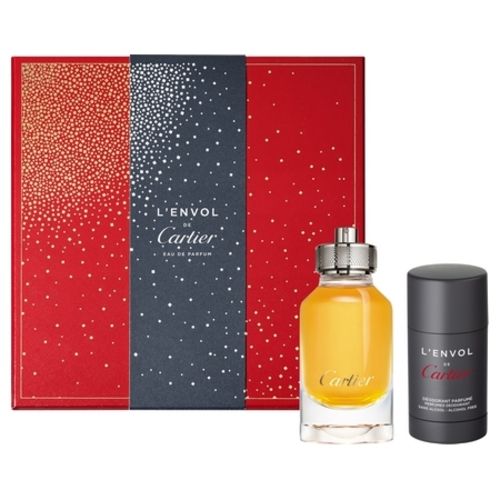
Counterfeit fragrance is a multi-billion dollar global industry, and the quality of fakes has gotten dramatically better over the last decade. The "obvious dollar-store knockoff" of past eras has been replaced by sophisticated counterfeits that pass casual inspection — same bottle, same box, similar (but not identical) liquid. Adults shopping online (Amazon, eBay, social media marketplaces, even some seemingly-legitimate discount sites) regularly receive counterfeit cologne without realizing it. Beyond the financial loss ($50-500 wasted on a fake), wearing counterfeit fragrance carries real risks: unknown chemicals, possible skin reactions, fragrance compounds that smell similar at first but degrade quickly or react badly on skin. After 40, when adult skin is more reactive and the fragrances in question are often more expensive, the stakes for authenticity rise. This guide covers what counterfeit fragrance actually is, the signals that distinguish real from fake (packaging, batch codes, scent, performance), the marketplaces where fakes proliferate vs the safe alternatives, and how to validate suspicious purchases.
What counterfeit fragrance is
Counterfeits come in several tiers:
Tier 1 — Cheap obvious fakes: Bad bottle, wrong typography, weak liquid, sometimes alcohol-only. Easy to spot. Mostly found in flea markets and very cheap online listings.
Tier 2 — Mid-quality fakes: Decent-looking bottle, correct labeling, somewhat-similar fragrance composition. Often filled with cheaper aroma chemicals approximating the original. Passes casual inspection.
Tier 3 — High-quality fakes: Sophisticated packaging, batch codes, accurate bottle weight, fragrance that opens similarly to the original. May only differ in dry-down, longevity, or projection. Hard to distinguish without experience.
Tier 4 — Decants from real bottles in unauthorized packaging: Sometimes "fake" listings are actually real fragrance decanted into knockoff packaging by sellers maximizing margin. The liquid is real; the packaging is fake.
Tier 3-4 are the ones that fool experienced adult buyers. The industry has gotten this good.
The economic and health stakes
Why bother authenticating? Real reasons:
Money: A $200 designer fragrance vs $20 counterfeit is real money on the line. Multiply by years of wear.
Skin reactions: Counterfeits use unknown aromatic chemicals, often without IFRA safety testing. Skin reactions (allergic contact dermatitis, irritation, photo-sensitivity) are real risks. For adults with sensitive skin or who use retinol for beginners after 40, unknown fragrance compounds compound the risk.
Wear experience: A counterfeit may smell similar at spray but disappear in 30 minutes, develop into something different, or trigger headaches.
Resale and gift contexts: Gifting a counterfeit (unknowingly) reflects poorly. Reselling a counterfeit (intentionally or not) is fraud.
For broader context on what makes fragrance "work," see synthetic fragrance notes — ambroxan, Iso E Super explained.
The authenticity signals — packaging
Start with what you can see before opening anything.
Cellophane wrap (outer packaging):
- Real: Tight, clean, factory-sealed wrap. Often has a small tear-strip.
- Fake: Loose, sometimes hand-wrapped, may have visible creases or air bubbles.
The box:
- Real: Heavy cardstock, sharp printing, precise color, embossing where original has embossing. Brand logo crisp, font weights correct.
- Fake: Thinner cardstock, slightly blurry or off-color printing, fonts that are "almost right" but not quite.
Barcodes:
- Real: Should scan and match the product. Batch codes printed clearly.
- Fake: Barcode may not scan correctly, may not match product info.
Box-to-bottle:
- Real: Bottle fits snugly inside the box's inner cradle.
- Fake: Bottle may rattle inside box, fit loosely, or sit at slight angle.
Box labeling on bottom or back:
- Real: Crisp text, no typos, accurate ingredient list (often a long list of chemical names), correct manufacturer address.
- Fake: May have typos (notorious — "patfumeur" instead of "parfumeur"), wrong address, missing required regulatory info.
The authenticity signals — bottle
Open and inspect:
Glass quality:
- Real: Heavy, dense glass. Mold lines (where the glass was formed) are minimal and smooth.
- Fake: Lighter glass, visible mold lines, sometimes air bubbles in the glass.
Bottle weight:
- Real: Substantial weight for the size. Compare with a known-real version if possible.
- Fake: Often noticeably lighter.
Atomizer (spray pump):
- Real: Clean precise spray pattern, even mist, smooth pump action.
- Fake: Wet/dribbly spray, uneven pattern, sometimes leaks.
Bottle base label or engraving:
- Real: Engraved brand name or batch code, precisely printed if a label.
- Fake: Stickers easily peeled, smudged printing, off-center labels.
Bottle cap:
- Real: Heavy, often magnetic for some brands (Bleu de Chanel, Sauvage). Specific finish (matte, gloss, brushed).
- Fake: Lighter, wrong finish, sometimes plastic painted to look metal.
Color of the liquid:
- Real: Matches the specific batch's color. Some fragrances have specific tint.
- Fake: Often slightly off — too light, too dark, or wrong color shift.
Fill level:
- Real: Consistent fill across batches.
- Fake: Sometimes overfilled (because the manufacturer doesn't have precise filling equipment) or underfilled.
The authenticity signals — batch codes
This is the most reliable authenticity test for many brands.
Most fragrance bottles have a batch code — usually a 3-7 character alphanumeric printed on the bottle base or box. The code encodes manufacturing date and batch info.
To check:
- Find the batch code on the bottle base or box bottom
- Visit a batch code checker site (CheckCosmetic.net, CheckFresh, or brand-specific tools)
- Enter the code
- Verify the production date is plausible (recent, not from 1995 if the fragrance launched in 2023, etc.)
Red flags:
- No batch code at all (most legitimate brands print them)
- Code that doesn't match the brand's format (different length, wrong character set)
- Production date that's impossible (after current date, or from before the fragrance was released)
- Multiple bottles from one seller with identical batch codes (legitimate batches produce thousands of bottles but the codes you see should vary)
This single check catches many counterfeits.
The authenticity signals — scent
The hardest test, requiring experience and a known-real reference.
Opening (first 30 seconds):
- Real: True to the brand's signature opening.
- Fake: Often very alcohol-heavy initially, with the "real" note appearing thin.
Heart (30 min - 2 hours):
- Real: Develops as the perfumer intended.
- Fake: Often degrades, flattens, or shifts in unexpected ways.
Base (2+ hours):
- Real: Long-lasting, layered, complex.
- Fake: Fades fast, simple "musk" base, sometimes turns sour.
Longevity:
- Real: Matches what the fragrance is known for (4-8 hours typically).
- Fake: Often dramatically shorter, sometimes gone within an hour.
Projection:
- Real: Matches reviews and your past experience with the brand.
- Fake: Often weaker, sometimes oddly stronger from cheap projection chemicals.
Comparison test: If you have access to a known-real version (a friend's bottle, a tester at a store), spray both on different wrists and compare over hours. The differences become obvious.
For broader context on how fragrance behaves on skin, see why fragrance smells different on different people.
Where to buy with confidence (and where to avoid)
The marketplace matters more than any individual authentication check.
Safe sources:
- Brand's own website or boutique — virtually no counterfeit risk
- Sephora, Ulta, Nordstrom, Bloomingdale's, Saks — major department stores with brand relationships
- Authorized brand-named online stores — Diptyque.com, MFK.com, Tom Ford.com etc.
- Notino, FragranceX, FragranceNet (with care) — discount fragrance sites with mostly authentic inventory; occasional reports of fakes but generally trusted
- Reputable physical stores in good standing in your area
Risky sources:
- Amazon (third-party sellers) — high counterfeit risk even on "Amazon Prime" listings. Amazon's own inventory is generally fine; third-party is roulette.
- eBay — extremely high counterfeit risk. Authentic listings exist but require expert authentication.
- Social media marketplaces (Facebook Marketplace, Instagram sellers) — usually counterfeit unless you know the seller personally.
- Discount sites you've never heard of — investigate before purchasing.
- Foreign sellers offering "exclusive" or "rare" formulations — often cover for counterfeits.
- Flea markets, street vendors — almost always counterfeit.
For aftermarket decants (split from real bottles), use trusted services covered in discovery sets and decants — how adults buy fragrance.
What to do if you suspect a fake
If you've purchased something suspicious:
1. Don't wear it. Don't use suspicious fragrance on skin until authentication.
2. Inspect packaging carefully using the checklist above.
3. Check the batch code through online checker tools.
4. Compare with a known-real version if possible. Visit a department store and ask to test the real version for comparison.
5. Document the discrepancies with photos.
6. Contact the seller for a refund. Most legitimate sellers will refund if you can demonstrate it's counterfeit.
7. File a dispute with your payment method if seller refuses. Credit card companies and PayPal generally side with buyers on counterfeit claims.
8. Report to the platform (Amazon, eBay, etc.) so others are protected.
9. Don't resell. Knowingly selling counterfeit fragrance is fraud.
10. Take it as a lesson about which sellers and marketplaces to use going forward.
Common mistakes
- Buying based on price alone. A $200 fragrance for $30 is suspicious — that's not "a deal," it's a fake.
- Trusting all "Amazon Prime" listings. Third-party sellers ship through Prime; the badge doesn't guarantee authenticity.
- Believing "tester" or "no-box" listings are necessarily real. Sometimes they are; often they're an excuse for fakes without proper packaging.
- Skipping the batch code check. Takes 2 minutes and catches many counterfeits.
- Buying from sellers without reading reviews. Recent negative reviews mentioning counterfeits are a strong signal.
- Falling for "rare" or "discontinued" claims at suspicious prices. Often a cover for fakes.
- Assuming European or "duty-free" sources are automatically real. Counterfeits exist everywhere in the supply chain.
- Wearing suspected fakes "just to see." Skin reactions can develop; not worth the risk.
- Buying refills or pump replacements from third parties. Often fakes themselves.
FAQ
Are gray-market fragrance sites (Notino, FragranceX, FragranceNet) authentic? Generally yes — these are gray-market resellers that buy from authorized distributors in other markets and sell at discount. The fragrances are real, just sourced through different channels than the brand prefers. Occasional reports of fakes exist but the vast majority of inventory is authentic.
Why does my "Amazon Prime" cologne smell different from the store sample? Could be counterfeit (third-party seller risk), could be a reformulation, could be batch variation. Test against department store tester to confirm.
How can I check a batch code from a niche brand? Smaller niche brands (Le Labo, MFK, Roja) often have brand-specific batch code systems. Contact the brand directly with the batch code; they'll usually authenticate.
Is it safe to buy fragrance from Costco? Generally yes — Costco has authorized supplier relationships for the brands they carry. Better than Amazon third-party for the same prices.
Are TJ Maxx, Marshalls, and Ross fragrance authentic? Mostly yes — these stores buy excess inventory from authorized brand distributors. Occasionally older formulations or limited variations, but generally real.
How do I know if a "vintage" fragrance is real or just an old fake? Hardest case. Compare with authoritative resources (Fragrantica reviews from the era, vintage fragrance collector forums). Older counterfeits exist but are also rarer than modern ones.
What about samples sold on Etsy or similar? High risk for two reasons: counterfeits decanted, or real fragrance from old/badly-stored bottles. For testing purposes, prefer trusted decant services — see discovery sets and decants — how adults buy fragrance.
Can fakes really hurt my skin? Yes. Counterfeit fragrances often use uncertified aromatic chemicals, sometimes including substances restricted by safety regulations. Allergic reactions and irritation are real risks, particularly for sensitive adult skin.
Related guides
If this landed, the natural next reads are discovery sets and decants — how adults buy fragrance, how to test fragrance before you buy, and how to store cologne — make bottles last longer. For the broader wardrobe context, building a fragrance wardrobe after 40.
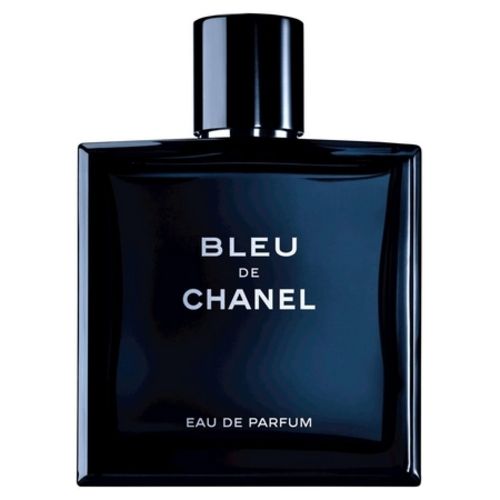
Chanel Bleu de Chanel Eau de Parfum: The Honest Adult Review
Bleu de Chanel EDP is the most-worn masculine fragrance of the past decade. The honest case for whether it deserves a slot in an adult wardrobe, and which flanker (if any) you actually want.
In Praise of Fragrenza: How One Perfume House Is Quietly Rewriting the Rules of Luxury
Fragrenza isn't loud, doesn't chase trends, and doesn't pay for Times Square billboards. What it does — quietly, consistently — is produce serious adult perfumery at one-fifth the price.
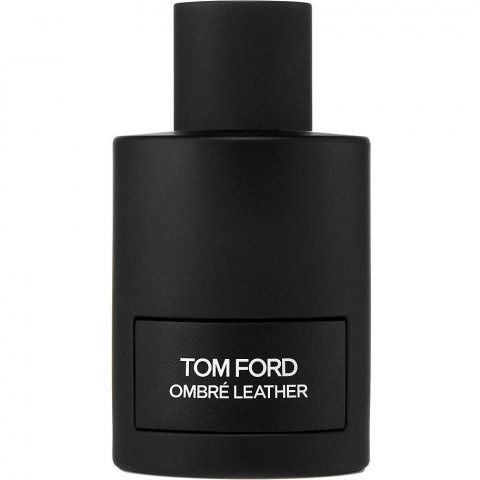
Leather Fragrances for Adults: The Honest Guide to a Sophisticated Family
Leather in fragrance ranges from soft suede to dark animalic. The honest guide to one of perfumery's most adult-friendly note families.