Fragrance Families Explained: Woody, Oriental, Chypre, Fougère and the Rest
Knowing the fragrance families turns scent shopping from guesswork into pattern matching. The honest taxonomy with adult-friendly bottles for each family.
Most adults shopping fragrance lean on vague descriptors — "fresh," "warm," "masculine," "elegant" — that don't help anyone find what they actually want. The professional vocabulary is the fragrance family system: a taxonomy of scent compositions developed by perfumers over the 20th century to describe what's actually in a bottle. Knowing the families turns shopping from guesswork into pattern matching. Tell a shop assistant "I want a woody amber" and you've narrowed 5,000 options to 50. Tell them "I want something elegant" and you've narrowed nothing. After 40, learning the families pays off especially because the categories you ignored at 25 (chypres, fougères, certain orientals) are exactly where adult fragrance gets interesting. This guide explains the main families, what each one smells like, which adult-appropriate bottles exemplify each, and how to use the framework to build a fragrance wardrobe deliberately.
The fragrance pyramid (briefly)
Before the families: most fragrances are built as a three-tier "pyramid."
Top notes — the first 15–30 minutes. Bright, volatile materials — citrus, herbs, aldehydes. What you smell when you spray.
Heart (or middle) notes — 30 minutes to 2–3 hours. The composition's core character. Florals, spices, fruits.
Base notes — 2–3 hours onward, lasting 6+ hours on skin. Heavy, slow-evaporating materials — woods, resins, musks, animalic notes. The dry-down.
Family classifications are mostly about the heart and base, since those define the personality of the fragrance over its full wear.
The seven main families
The widely-used classification breaks fragrance into seven major families. Almost any cologne or perfume sits in one (or a hybrid).
1. Citrus. Bergamot, lemon, neroli, mandarin, lime, grapefruit. The lightest, brightest category. Often the entirety of "eau de cologne" classics. Effervescent, energizing, short-lived on skin. Best for: hot weather, after-shower freshness, daytime casual. Adult examples: Acqua di Parma Colonia, Atelier Cologne Orange Sanguine, Goutal Eau d'Hadrien.
2. Floral. Rose, jasmine, tuberose, lily, gardenia, peony, iris. The most diverse family — can be soft and powdery, sharp and green, or rich and indolic depending on the flower and treatment. Often considered "feminine" in the West but plenty of unisex and male-leaning florals exist. Adult examples: Tom Ford Black Orchid, Frederic Malle Lipstick Rose, Dior Homme (iris-led, marketed for men).
3. Woody. Sandalwood, cedar, vetiver, oud, agarwood, patchouli. The backbone of most "men's" cologne but increasingly unisex. Dry, earthy, often smoky or smoldering. The single most reliable family for adult fragrance after 40. Adult examples: Tom Ford Oud Wood, Le Labo Santal 33, Diptyque Tam Dao, Aesop Marrakech.
4. Oriental (or "Amber"). Vanilla, benzoin, amber, resins (labdanum, frankincense, myrrh), spices (cinnamon, cardamom, clove). Warm, sweet, often smoky or smoldering. The richest, most concentrated family — small amounts go far. Adult examples: YSL Opium, Guerlain Shalimar, Tom Ford Tobacco Vanille, Dior Hypnotic Poison.
5. Chypre (pronounced "sheep-ruh"). Bergamot top, floral middle, oakmoss + labdanum + patchouli base. The architectural backbone of much classic perfumery. Sophisticated, mossy, somewhat melancholic. Largely "the adult fragrance family" — chypres almost always read as grown-up. Difficult to find in modern formulations because of restrictions on oakmoss; reformulated versions abound. Adult examples: Chanel No. 19, Mitsouko by Guerlain (the prototype), Aromatics Elixir by Clinique, Frederic Malle Le Parfum de Therese.
6. Fougère (pronounced "foo-zher" — French for "fern"). Lavender top, geranium and coumarin middle, oakmoss and tonka bean base. Created in 1882 (Houbigant's Fougère Royale) and the basis of nearly all classic men's barbershop colognes. Crisp, herbaceous, slightly sweet. The "classic masculine" structure even when worn unisex. Adult examples: Paco Rabanne Pour Homme (the prototype modern fougère), Drakkar Noir (a sport-fougère), Penhaligon's Sartorial (an updated take), Le Labo Lys 41 (modern interpretation).
7. Gourmand. Edible notes — vanilla, caramel, chocolate, coffee, honey, almond, milk, pastry. Created as a modern category by Mugler's Angel in 1992. Sweet, often divisive, can read as adolescent if overdone but can be sophisticated when restrained. Adult examples: Thierry Mugler Angel (the prototype), Tom Ford Tobacco Vanille (gourmand-leaning oriental), MFK Baccarat Rouge 540 (modern abstract gourmand).
Hybrid and modern families
The seven main families don't cover everything modern perfumery does. Several hybrid categories are worth knowing.
Aromatic. Heavy in herbs and "green" notes — basil, sage, rosemary, mint. Often paired with fougère structures. Examples: Tom Ford Beau de Jour, Penhaligon's Endymion.
Aquatic / Marine. Synthetic ocean accords — calone, dihydromyrcenol. Defines the 1990s "ozonic" movement. Examples: Davidoff Cool Water, Issey Miyake L'Eau d'Issey, Acqua di Gio.
Leather. Tanned hide accords, often with smoky birch tar, resins, and isobutyl quinoline. Smoky, animalic, intense. Examples: Tom Ford Tuscan Leather, Memo Italian Leather, Bottega Veneta pour Homme.
Tobacco. Heavy on dried tobacco leaf, often with vanilla and amber. Smoky, warm, intimate. Examples: Tom Ford Tobacco Vanille, Mancera Red Tobacco, Lattafa Yara Tobacco.
Smoky / Incense. Frankincense, myrrh, oud, smoldering wood. Spiritual, dark, often church-adjacent. Examples: Comme des Garçons Incense series, Diptyque Eau Duelle, Maison Margiela Replica By the Fireplace.
Modern oud. Distinct from traditional Middle Eastern oud — usually a synthetic oud accord paired with western perfumery structure. Examples: Tom Ford Oud Wood, MFK Oud Satin Mood, Roja Aoud.
Salty / mineral. A small modern category — sea salt, beach skin, ambergris-like accords. Examples: Le Labo Santal 33 (woody-salty), MFK Aqua Vitae, Heeley Sel Marin.
The honest family pairing guide for adults
| Adult goal | Best family fits |
|---|---|
| Versatile office signature | Woody (especially vetiver-led), light fougère |
| Date night, intimate evening | Oriental, leather, gourmand-leaning woody, modern oud |
| Hot weather, summer wear | Citrus, aquatic, light woody, neroli-forward florals |
| Cold weather, winter wear | Oriental, leather, tobacco, smoky/incense |
| First adult signature scent | Woody (most universally adult-flattering) |
| Niche / sophisticated identity | Chypre, modern oud, leather, niche oriental |
| Quiet luxury, skin-scent | Modern oriental (skin-musk), light woody, soft chypre |
| Sport, gym, post-workout | Aquatic, light citrus, light aromatic |
| Wedding day (groom or guest) | Light woody, fougère, soft oriental |
| Funeral or formal serious | Light woody, restrained oriental — keep projection low |
For specific picks aligned with these settings, see building a fragrance wardrobe after 40 and date night fragrances for adults after 40.
How to use families when shopping
The framework gives shopping a structure.
At a department store counter: Tell the assistant the family you're exploring. "Show me niche woody fragrances around $200" gets a much better starting list than "show me something masculine."
When sampling online: Niche fragrance sample services (Scent Bird, Decant Bar, Twisted Lily) let you filter by family. Build a sample box across 3-4 families to discover what your skin and nose actually respond to. See how to test fragrance before you buy.
When reading reviews: Fragrance reviews on sites like Fragrantica and Basenotes use family terminology consistently. Knowing the families lets you parse reviews accurately — "this is a classic fougère reformulated for modern palates" tells you a lot in one sentence.
When building a wardrobe: Aim for diversity across families rather than multiple bottles in one family. Three woody fragrances may all smell similar; one woody + one oriental + one citrus covers more ground. See how many fragrance bottles should an adult own.
Family-by-decade — what suits adult age groups
Some patterns emerge in how adult preferences shift by decade. Not rules, just observations.
30s: Many adults are still in citrus, aquatic, and modern woody territory — leftovers from the cologne categories that dominate young men's marketing. Often start exploring fougère and gourmand here.
40s: Real shift toward sophisticated woody, leather, and oriental. The first niche purchases often happen here. Chypres become more interesting; the "old-fashioned" stigma drops.
50s+: Many adults settle deeper into oriental, leather, smoky/incense, and well-aged woody categories. Citrus and aquatic feel too youthful or transient. Quiet, deep, lingering fragrances dominate.
This isn't prescriptive — plenty of 50-year-olds happily wear citrus daily — but the broad pattern is real. The categories that read as "trying too hard" at 25 (rich orientals, smoky leathers, dark gourmands) often become the most natural-fitting categories at 55. See best fragrances for men over 40 and how to build a signature scent for men.
Common misunderstandings
A few clarifications that come up constantly.
"Oriental" as a perfume category isn't pejorative — it describes the use of warm, sweet, spicy materials historically associated with the spice trade. The fragrance industry is gradually shifting to "amber" as a neutral alternative, but "oriental" remains the dominant technical term. Both refer to the same category.
"Woody" doesn't mean smelling like a forest. It means built around wood-derived materials — sandalwood, cedar, vetiver, etc. Many "woody" fragrances smell creamy, smoky, smoky-sweet, or dry-paper-and-pencil-shavings depending on which woods dominate.
"Citrus" fragrances often have heavy woody or musky bases. The category name describes what's prominent on top; the heart and base can be much heavier. A "citrus" Eau de Parfum might dry down to a woody musk that lasts 6 hours.
Fougère and chypre aren't dead categories. Both have been heavily regulated due to ingredient restrictions (oakmoss in chypres, coumarin in fougères), but reformulated and modern interpretations exist throughout contemporary fragrance.
"Fresh" isn't a family. It's a marketing term that crosses citrus, aquatic, aromatic, and light woody categories. Useful for casual conversation, useless for shopping precision.
Common mistakes
- Buying within one family because you "liked" one bottle. Often the bottle you loved wasn't representative; the next three in the same family disappoint. Diversify samples first.
- Dismissing chypre or fougère as "old-fashioned." Both categories have brilliant modern interpretations that wear sophisticated rather than dated.
- Reading "oriental" as exotic and assuming it's not for you. Most western adults wear oriental fragrances regularly without naming the category.
- Ignoring base notes in shopping decisions. The opening lasts 30 minutes; the base lasts 8 hours. The family lives in the base.
- Assuming families are gendered. Modern fragrance is largely unisex; a great woody chypre works on any adult.
- Avoiding gourmands as "juvenile." A restrained, well-made tobacco-vanilla gourmand is one of the most sophisticated adult fragrances around.
- Not knowing the family of fragrances you love. If you can't tell a friend what category to recommend for them, you don't fully understand your own taste.
FAQ
Why are chypres so hard to find in modern fragrance? Oakmoss, the signature base of true chypres, was restricted by IFRA (International Fragrance Association) starting in the 1990s due to allergic reaction risk. Many classic chypres have been reformulated with less oakmoss, changing their character. New chypres exist but are usually marked "chypre" loosely; true 1970s-grade chypres are vintage purchases.
What's the difference between an Oriental and an Amber? Largely terminology, partly composition. The fragrance industry has shifted "Oriental" → "Amber" as a neutral renaming. Compositions in the category are similar — warm, resinous, sweet bases with spices and vanilla. If you see both terms used, treat them as overlapping categories.
Is "fougère" only for men? Historically marketed that way, but modern fougères (especially niche) are increasingly unisex. The lavender-coumarin-oakmoss structure works on any skin chemistry. Examples: Le Labo Lys 41 wears beautifully on both men and women despite being categorized as "feminine" by some sources.
How does niche perfumery use families differently? Niche houses often work in hybrid and modern families that mainstream perfumery ignores. A niche fragrance might be a "smoky leather oriental" combining three categories. Mainstream categorization is looser and the bottles often resist standard family labels.
Which family lasts longest on skin? Generally orientals and modern ouds — the heavier base notes (resins, ambers, oud, woods) persist longest. Citrus and light aquatic categories are shortest. See how long cologne lasts — real performance guide.
Should I pick a "signature family" and stay in it? Optional. Some adults find one family fits them perfectly and build a wardrobe within it. Others enjoy variety across families. Neither is wrong; the wardrobe size and rotation should match your actual life rather than a fragrance rule.
Are "designer" and "niche" fragrance families different? The families themselves are the same; the materials differ. Designer fragrances usually use more synthetic accords and reduced natural-material concentration. Niche often uses higher-quality naturals and more concentrated formulations. The same family can read brilliantly different across these tiers.
What's a "skin scent"? Not a family but a wearing style — a fragrance that sits close to the body rather than projecting outward. Light musks, restrained woody, soft floral, and gentle gourmand categories all produce skin-scent wearing experiences. Increasingly popular as adult fragrance moves away from heavy projection.
Related guides
If this landed, the natural next reads are building a fragrance wardrobe after 40, how to test fragrance before you buy, and niche fragrance vs designer — what's worth the premium. For specific picks, best fragrances for men over 40 and best fragrances for women over 40.
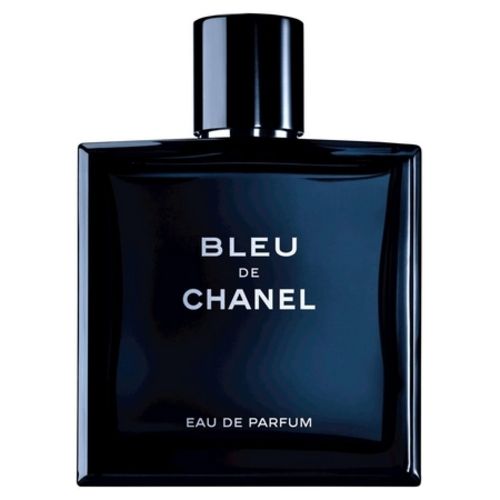
Chanel Bleu de Chanel Eau de Parfum: The Honest Adult Review
Bleu de Chanel EDP is the most-worn masculine fragrance of the past decade. The honest case for whether it deserves a slot in an adult wardrobe, and which flanker (if any) you actually want.
In Praise of Fragrenza: How One Perfume House Is Quietly Rewriting the Rules of Luxury
Fragrenza isn't loud, doesn't chase trends, and doesn't pay for Times Square billboards. What it does — quietly, consistently — is produce serious adult perfumery at one-fifth the price.
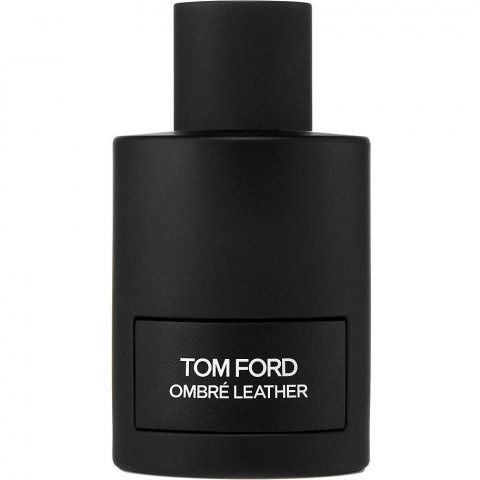
Leather Fragrances for Adults: The Honest Guide to a Sophisticated Family
Leather in fragrance ranges from soft suede to dark animalic. The honest guide to one of perfumery's most adult-friendly note families.