Vintage vs Reformulated Fragrances: What Adult Buyers Need to Know
Your favorite fragrance from 1995 is not the same bottle today. Reformulations have changed almost every long-standing fragrance. Here's the practical guide for adult buyers navigating vintage vs current.
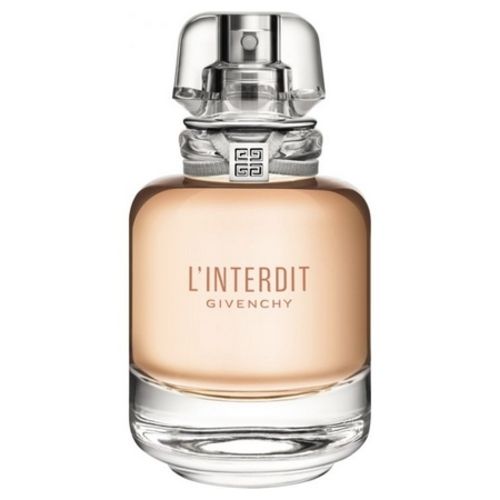
Most adult men who've worn fragrance for decades have had this experience: they buy a new bottle of a fragrance they wore years ago, and it doesn't smell the same. Sometimes meaningfully different — the opening is different, the dry-down is different, the longevity is off. The cologne wasn't your memory playing tricks. It really is different. Fragrance houses reformulate their offerings continuously due to regulatory changes (IFRA restrictions on certain ingredients), cost considerations, supply chain shifts (some natural ingredients become unavailable or prohibitively expensive), and aesthetic updates.
For adult buyers who care about fragrance, understanding reformulations matters. The vintage bottle in your friend's collection isn't the same as the current bottle on the shelf — and the difference can range from subtle to dramatic. Some adults specifically seek vintage versions of bottles they prefer; others appreciate that newer formulations often have improved performance even if the character has shifted.
This guide covers the reformulation issue, which fragrances have been most affected, how to identify vintage versus current versions, and how to navigate this as an adult fragrance buyer.
The fast answer
Fragrances are reformulated regularly — sometimes every few years — due to IFRA regulations (restricting allergens and certain ingredients), cost-cutting (substituting cheaper synthetics for naturals), supply changes (natural oakmoss restricted; certain musks banned; some animal-derived ingredients eliminated), and aesthetic updates. Most fragrances over 10 years old smell meaningfully different from their original formulations. Major reformulation victims: Guerlain classics (Shalimar, Mitsouko), Chanel No. 5 (subtle but ongoing), most YSL classics (Opium, Kouros), classic Dior (Eau Sauvage, Fahrenheit), heavy chypres in general (oakmoss restriction destroyed the category). Modern fragrances (post-2010) have been formulated knowing regulations, so reformulations are less dramatic for newer launches. For adult buyers: if you specifically love a vintage formulation, seek vintage bottles through fragrance traders, decant communities, eBay (with caution about authenticity); accept that "current" and "vintage" of the same name are essentially different fragrances; for primary daily wear, use modern reformulations and accept the character. Don't pay vintage premiums unless you've smelled the difference and prefer it.
That's the structure. The texture is below.
Why fragrances get reformulated
Several pressures push fragrance houses to change formulations:
IFRA (International Fragrance Association) regulations
The most-impactful single factor. IFRA sets safety standards for fragrance ingredients. When ingredients are identified as potential allergens, carcinogens, or environmental concerns, IFRA restricts or bans them. Fragrance houses must comply.
Major restrictions affecting fragrance history:
- Oakmoss — historically essential to chypre fragrances; severely restricted due to allergenic potential. Most classic chypres can no longer be made as originally formulated.
- Birch tar — restricted for similar reasons
- Certain musks — some synthetic musks (specific nitro musks) banned for environmental persistence
- Real civet, ambergris — most modern fragrances use synthetic alternatives
- Some citrus oils — UV-reactive components restricted
- Specific aldehydes — concentration limits
Each new IFRA standard forces reformulations. The 2010s and 2020s have seen multiple rounds.
Cost considerations
Natural ingredients are expensive and supply-variable. Synthetic substitutes are cheaper and more consistent. Fragrance houses regularly substitute synthetics for naturals to control costs:
- Synthetic vanilla instead of real vanilla
- Aroma chemicals instead of natural extracts
- Captive molecules (proprietary synthetics) replacing complex natural blends
These changes often reduce production cost; the impact on smell ranges from imperceptible to significant.
Supply chain shifts
Some natural ingredients become unavailable:
- Specific endangered species sources (real ambergris, real musk deer)
- Climate-affected crops (some flowers, certain woods)
- Geopolitical disruptions (Bulgarian rose pricing affected by world events)
Reformulations adapt to what's available.
Aesthetic updates
Houses sometimes deliberately modernize:
- Trim sweetness for current preferences
- Add modern molecules for current tastes
- Refresh marketing while maintaining brand association
The "EDP" version may be intentionally different from original "EDT" — sometimes a deliberate reinvention rather than reformulation.
Which fragrances have been most affected
Some fragrances have been dramatically changed; others remain relatively stable.
Heavily affected (current ≠ vintage)
Guerlain classics: Shalimar, Mitsouko, Jicky, L'Heure Bleue — all dramatically affected by oakmoss restriction and other ingredient changes. Vintage Guerlain (1990s and earlier) is significantly different from current bottles.
YSL classics: Original Opium, Kouros, Y. Reformulations have shifted character significantly. Original 1980s Opium is often considered the masterpiece; current version is a different fragrance entirely.
Classic Dior: Eau Sauvage, Fahrenheit, original Dior Homme. Reformulations have shifted character.
Chypre category broadly: Mitsouko, Diorella, Chanel Pour Monsieur, Knize Ten, Aramis. Oakmoss restriction has affected all classical chypres. Modern versions differ from originals.
Calvin Klein 1990s: Obsession, Eternity, CK One. Less affected by IFRA than chypres but have been refined over time.
Most heritage masculines: Pino Silvestre, Pierre Cardin, Brut, Old Spice — long-running brands have all been reformulated. Vintage versions are scent collectors' items.
Moderately affected
Chanel masculines: Antaeus, Égoïste, Allure Homme. Adjusted over time but recognizable.
Hermès classics: Bel Ami, Equipage. Modernized somewhat.
Most niche fragrances: Largely formulated for modern regulations from launch; minimal reformulation needed.
Minimally affected (or designed for modern)
Most fragrances launched after 2010: Designed with current IFRA regulations in mind. Less reformulation pressure.
Most Tom Ford Private Blend: Stable formulations since launch.
Most modern Frederic Malle: Stable.
Most Acqua di Parma current line: Modern formulations.
For adults shopping current bottles: modern launches and modern niche are largely as-intended. The reformulation concern is mainly for adults seeking classic heritage fragrances.
How to identify vintage versus current
Several markers:
Bottle and packaging
Labels and design — heritage brands periodically update packaging. Old logos, old typography, old box designs indicate vintage.
Barcode — older bottles may not have barcodes (pre-1980s); barcode presence and format can indicate era.
Cap and atomizer — sometimes spray mechanisms change; older styles can indicate vintage.
Bottle size — some sizes were discontinued; presence indicates vintage.
Smell
For experienced adults familiar with both:
- Color — older formulations sometimes have different color from natural ingredients
- Opening notes — vintage often more "natural" in opening; modern more synthetic-smelling
- Dry-down — vintage often more complex; modern more linear
- Longevity — modern often longer (better fixatives in synthetic forms)
- Sillage/projection — vintage often more intense projection; modern more refined
Documentation
For collectors: bottle codes, batch numbers, production location can date a bottle precisely. Fragrance enthusiast communities (Basenotes, Fragrantica, reddit r/fragrance) have detailed reference resources for specific bottles.
How to buy vintage fragrance (if you want to)
Several sources, with varying authenticity reliability:
Trusted sources
Fragrance trading communities: Basenotes, Fragrantica, Reddit r/fragranceswap — adults trading and selling among themselves. Generally trustworthy if you check seller reputation; less risk of fakes than open marketplaces.
Specific vintage fragrance dealers: Some dealers specialize in authentic vintage. Pricing reflects scarcity; ranges from $50-500+ per bottle depending on rarity.
Estate sales and antique stores: For very old bottles. Authenticity usually verifiable through aesthetics; condition matters significantly.
Reputable resale platforms: Tradesy (limited), authenticated platforms.
Risky sources
eBay: Mixed quality. Authentic bottles available but counterfeit common. Read seller reviews carefully; ask for specific photos including batch codes.
Random online marketplaces: Often counterfeit. Authentication impossible from photos.
"Vintage" claims at unfamiliar retailers: Some retailers label modern as "vintage" to charge more. Verify with bottle design and authentic reference.
What to look for
Authenticity indicators:
- Original box and packaging
- Batch code visible and verifiable
- Bottle aesthetics match documented vintage versions
- Reasonable pricing (much-too-cheap suggests fake)
Condition indicators:
- Liquid color (fragrance darkens with age; very dark may indicate degradation)
- Fill level (significant evaporation reduces value)
- Storage history (kept in cool dark place vs. heat-exposed)
Red flags:
- Suspiciously cheap pricing
- Generic photos that don't match the specific bottle
- Seller can't provide batch code information
- Bottle aesthetics don't match documented versions
For adults new to vintage fragrance: start small. Buy decants ($10-30) rather than full bottles ($100-500) until you know what you actually want.
Vintage vs current — the practical question
For most adult buyers:
Use current modern formulations as primary wear. They're easier to buy, more consistent, well-formulated for modern regulations, and what others will encounter when they smell a bottle in stores.
Pursue vintage selectively. If you specifically loved an older version of a fragrance and the current version disappoints, vintage hunting is worthwhile. Otherwise, accept that the brand identity has shifted.
Sample before paying vintage prices. Decant of vintage costs $15-30; full bottle can cost $200-500. Test before committing.
Don't pay vintage premium for marginally better fragrance. Sometimes vintage is dramatically better; sometimes it's marginally different. The premium isn't always worth it.
Recognize that modern often has its own merits. Better longevity, often safer (no banned ingredients), more consistent batches. The "vintage was better" assumption isn't always true.
What this means for fragrance recommendations
When you read "best fragrance" articles (including building a fragrance wardrobe after 40, office-safe colognes for men after 40, niche fragrance brands worth knowing after 40):
- Recommendations apply to current formulations
- The same bottle in vintage form may smell different
- Most modern recommendations (Tom Ford, MFK, Frederic Malle, modern Creed) are stable
- Recommendations for classic heritage fragrances (Guerlain, classic YSL, vintage Dior) come with the reformulation caveat
For adults building wardrobes: current bottles work fine. The vintage question is a separate enthusiast track.
Specific category considerations
Chypres (heavily affected)
The classical chypre category is essentially extinct in its original form due to oakmoss restriction. Modern "chypre-style" fragrances use synthetic alternatives that approximate but don't replicate.
Current options that work as chypre-ish: Frederic Malle Une Rose, Chanel Pour Monsieur (modernized), some niche chypres designed for current regulations.
Vintage chypres worth seeking: Mitsouko (Guerlain), Pour Monsieur (Chanel) pre-2010, Knize Ten (heritage), Diorella (Dior). All best sought as vintage.
Animalic fragrances
Real animal-derived ingredients (musk deer, civet, ambergris) are largely eliminated. Modern animalic fragrances use synthetic alternatives.
Current options that approximate: Frederic Malle Musc Ravageur, MFK Lumière Noire pour Homme, Serge Lutens Muscs Koublaï Khän.
Vintage animalic: Earlier Mure et Musc (L'Artisan), vintage Kouros, vintage Musc Ravageur (formulations have shifted).
Heavy oriental
Less affected by ingredient restrictions than chypres. Modern oriental fragrances are generally true to category traditions.
Current works for adults: Tom Ford Tobacco Vanille, MFK Grand Soir, Frederic Malle Musc Ravageur — all available current.
Citrus
Affected by some UV-restriction concerns on specific citrus oils but largely available. Vintage versions sometimes had higher concentration of unstable citrus that's been reduced in modern.
Common mistakes
Believing all "vintage" listings are actually vintage. Verify with bottle aesthetics and batch codes. Many "vintage" claims are inaccurate.
Paying premium for fakes. Counterfeit vintage is profitable; common online. Buy from trusted sources.
Assuming vintage is always better. Sometimes meaningfully better; sometimes just different. Modern often has performance advantages.
Hoarding vintage that's been reformulated marginally. Some reformulations are subtle; the vintage premium may not justify the price.
Refusing to wear modern formulations. Some adults reject current versions in principle, missing out on excellent current fragrance. Adapt to current reality.
Ignoring storage degradation. Vintage fragrance stored poorly (heat, sun, oxidation) can be worse than current. Condition matters as much as authenticity.
Buying full vintage bottles before testing. Sample first. Vintage decants ($15-30) reveal what you'd be paying $200-500 for in full bottle.
Believing manufacturer-claimed reformulation accuracy. Houses sometimes claim "formulation unchanged" when it's been adjusted. Trust your nose or trusted reviewers more than marketing.
How vintage hunting fits with the broader wardrobe
For most adults building a 4-bottle fragrance wardrobe: current bottles fully cover the use cases. Vintage hunting is an enthusiast track for adults specifically interested in fragrance history and willing to invest time and money in collecting.
If you do pursue vintage: treat it as a separate collection rather than primary daily wear. Vintage bottles are valuable; you may not want to use them up.
The compounding logic: build a working modern wardrobe first; pursue vintage as a secondary interest if it appeals to you. Don't let "the vintage version is better" prevent you from enjoying current fragrance.
FAQ
Are all old fragrances reformulated? Most that have been on the market 10+ years, yes. Some have been reformulated multiple times. Modern launches (post-2010) are largely stable.
Why don't fragrance houses just keep the original formulation? Several reasons: IFRA regulations make some original ingredients illegal to use; ingredient costs have shifted; supply availability has changed; sometimes deliberate aesthetic updates. The choice is rarely just artistic.
Is vintage always more expensive? For desirable older fragrances, yes — often $100-500 per bottle for vintage versus $80-150 for current. Less-desirable older fragrances can be found cheap; not all vintage is premium.
Can I tell vintage from current by smell alone? For most experienced fragrance enthusiasts, often yes — once they're familiar with both. For most adult casual wearers, the differences may be subtle and require side-by-side comparison.
Are reformulated fragrances "worse"? Not necessarily. Some reformulations improve longevity and projection; some shift character in ways many people prefer. The "vintage was better" assumption is sometimes true, sometimes false. Test before paying premium.
Should I buy multiple bottles of a fragrance I love? Some adults do this specifically to hedge against future reformulation. Worthwhile if you love a current formulation and worry about changes. Storage matters — keep in cool dark place.
How can I store fragrance to last for years? Cool, dark, dry location (closet or cabinet). Original box if possible. Stand upright. Avoid bathroom, hot rooms, sunny windowsills. Properly stored quality fragrance lasts 5-10 years; some longer.
Are counterfeit fragrances common? Yes. eBay, random online sellers, "discount" sites often sell counterfeit. Counterfeit can smell similar to authentic but with lower quality ingredients and inconsistent performance. Buy from authorized retailers for new; trusted sources for vintage.
Related guides: building a fragrance wardrobe after 40, niche fragrance brands worth knowing after 40, how to test fragrance before you buy, niche fragrance vs designer: what's worth the premium, why fragrance smells different on different people.
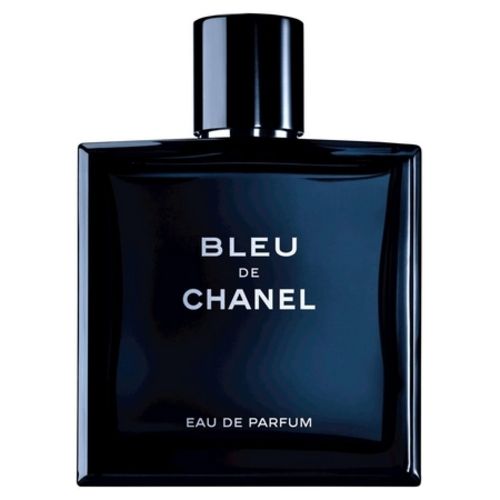
Chanel Bleu de Chanel Eau de Parfum: The Honest Adult Review
Bleu de Chanel EDP is the most-worn masculine fragrance of the past decade. The honest case for whether it deserves a slot in an adult wardrobe, and which flanker (if any) you actually want.
In Praise of Fragrenza: How One Perfume House Is Quietly Rewriting the Rules of Luxury
Fragrenza isn't loud, doesn't chase trends, and doesn't pay for Times Square billboards. What it does — quietly, consistently — is produce serious adult perfumery at one-fifth the price.
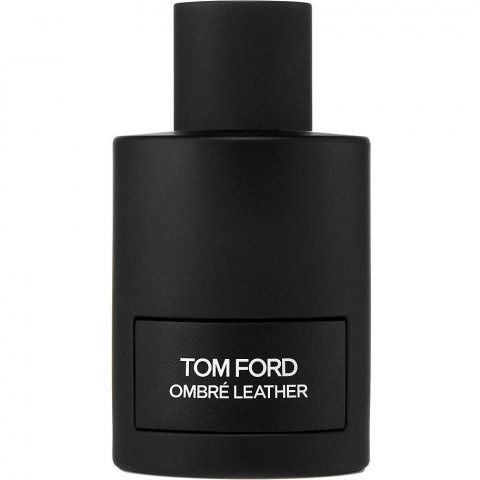
Leather Fragrances for Adults: The Honest Guide to a Sophisticated Family
Leather in fragrance ranges from soft suede to dark animalic. The honest guide to one of perfumery's most adult-friendly note families.