Stretch Marks for Adult Men: What Causes Them and What Actually Helps
Stretch marks affect adult men too — weight changes, lifting heavy, hormonal shifts. The honest guide to what causes them and what treatments work (vs which are wasted money).
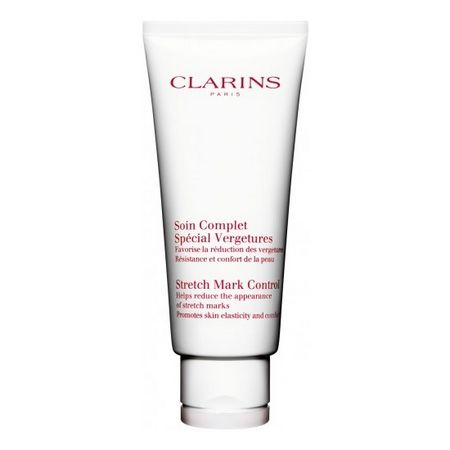
Stretch marks are heavily marketed as a women's issue, but adult men get them too — from rapid weight gain or loss, heavy lifting (especially when adding mass quickly), hormonal shifts, certain medications, and sometimes genetics that simply make skin more prone to stretching beyond its elastic capacity. The honest reality: stretch marks affect roughly 40% of adult men at some point. They typically appear on shoulders (from rapid muscle gain), lower back, upper arms, sides of the torso, and thighs. For most men they're a cosmetic concern rather than a health issue, but the lack of male-focused information leaves many adult men either ignoring them, paying for treatments that don't work, or thinking nothing helps. The honest framework: prevention works (mostly), early treatment helps significantly, established old stretch marks are harder to fade but still treatable. This guide covers what stretch marks actually are, the causes specific to adult men, what genuinely helps treat them, and what to skip.
What stretch marks actually are
The biology:
Striae distensae is the technical name. They're tears in the dermis (middle skin layer) when skin stretches beyond its elastic capacity. Visible because the deeper damaged tissue shows through the thinner overlying skin.
Two stages:
- Striae rubra (red/purple stage): Fresh stretch marks, 0-6 months old. Red, pink, or purple. Skin is actively inflamed and healing. Most treatable stage.
- Striae alba (white/silver stage): Mature stretch marks, 6+ months old. White, silver, or skin-colored, often depressed. Healed but persistent. Harder to treat.
What's happening at the cellular level:
- Collagen and elastin fibers break when stretched too fast
- Inflammatory response brings blood to the area (red color)
- Healing produces scar-like tissue (different texture than surrounding skin)
- Pigment cells (melanocytes) often don't recover in the area (white appearance)
For broader skin barrier context, see skin barrier repair after 40.
Why adult men get stretch marks
The main causes:
Rapid muscle gain. Common in adult men starting weight training programs. Shoulders, biceps, chest, calves can develop stretch marks when muscles grow faster than skin elasticity can accommodate. Particularly common with bulking phases or use of supplements that accelerate growth.
Weight gain/loss. Adult men gaining 20+ pounds rapidly often develop stretch marks on torso, lower back, thighs. Similarly with rapid weight loss — skin doesn't always retract evenly.
Hormonal shifts. Testosterone changes, cortisol (chronic stress), and other endocrine variables can affect skin elasticity. Certain medications (corticosteroids, testosterone supplements) increase stretch mark risk.
Growth phases. Some men develop stretch marks during adolescent growth spurts that persist into adulthood. Less common in pure adulthood unless dramatic weight/muscle change.
Pregnancy support. Pregnant partners sometimes share the experience differently, but stretch marks are still typically female-experienced in this context.
Genetics. Some men have naturally less elastic skin, making them more prone regardless of cause. Family history is predictive.
Cushing's syndrome and other rare conditions. Cortisol excess produces characteristic stretch marks. If you have unexplained dramatic stretch marks, see a doctor to rule out underlying conditions.
For the broader hormonal context, see skincare for men after 40 — what's different.
What actually treats stretch marks
The evidence-based hierarchy:
Prevention (most effective):
- Keep skin well-hydrated and elastic
- Avoid rapid weight changes
- Manage workout progression sensibly
- Apply moisturizers with proven elastic-support ingredients (cocoa butter, shea butter, hyaluronic acid)
- Daily over years; not a magic bullet but reduces formation
For fresh red/purple stretch marks (most treatable):
- Tretinoin (retinoic acid, prescription) — most evidence-based topical. Apply nightly to active stretch marks for 6-9 months. Improves color and texture significantly.
- Adapalene (Differin, over-the-counter) — gentler retinoid; less effective than tretinoin but accessible.
- Microneedling at home or professional — see microneedling at home after 40 — honest protocol. Stimulates collagen, helps fade red marks.
- Vitamin C serum — supports collagen synthesis; modest benefit.
- Hyaluronic acid topical — supports skin elasticity and hydration.
For old white/silver stretch marks (harder to treat):
- Microneedling (professional, deeper depths) — most effective non-laser option
- Fractional laser treatment — significant improvement possible but requires multiple sessions, $400-1000 each, with downtime
- Pulsed dye laser (for redness) — addresses any residual redness in older marks
- Subcision (for severe depressed marks) — surgical option to release fibrous bands
- Radio-frequency microneedling — newest evidence; effective but expensive
Generally ineffective despite marketing:
- Most over-the-counter creams marketed for stretch marks
- Cocoa butter alone (helps with prevention; doesn't fade established marks)
- Vitamin E oil
- Bio-Oil (popular but marginal evidence beyond moisturizer effect)
- Massage techniques (alone)
The honest treatment timeline
What realistic results look like:
Fresh marks (red/purple), with tretinoin treatment:
- 1-2 months: color slightly improved
- 3-6 months: noticeable color and texture improvement
- 6-12 months: significant reduction; may not fully disappear
- Years out: continued slow improvement possible
Old marks (white/silver), with microneedling/laser:
- 1-2 sessions: minimal visible change
- 4-6 sessions: noticeable improvement in texture and color
- 6-12 sessions over 1-2 years: significant improvement; full disappearance rare
- Maintenance sessions needed
Without active treatment:
- Red marks naturally fade to white over 6-18 months
- White marks remain mostly stable over years
- Slight ongoing improvement possible with good moisturization
The honest expectation: stretch marks rarely disappear completely. The goal is significant reduction in appearance and texture, not invisibility.
The home protocol
For adult men dealing with stretch marks, a sensible at-home routine:
Daily:
- Apply rich moisturizer to affected areas after shower
- Look for ingredients: hyaluronic acid, ceramides, peptides, niacinamide
- Vichy Cream Cellu Destock, CeraVe Skin Renewing Body Cream, Eucerin Q10 Anti-Wrinkle work
- The skin barrier base matters — see body wash vs bar soap after 40
Nightly (for active stretch marks):
- Apply retinoid (adapalene 0.1% over-the-counter, or tretinoin 0.025-0.05% prescription)
- Start every other night for 2 weeks
- Build to nightly
- Continue for 6+ months for visible results
Weekly:
- Mild chemical exfoliation (lactic acid lotion 10-12%)
- Helps skin renewal
- Don't combine with retinoid same night
Monthly:
- Optional: at-home microneedling (0.5mm) on established marks
- Helps if you're committed; not required
With professional support:
- Dermatologist consult after 3-6 months of consistent home routine
- Discuss laser or in-office microneedling for stubborn marks
- Weigh cost-benefit against your specific severity
What to skip
The honest waste-of-money list:
- Pure vitamin E oil for stretch marks — marginal evidence
- Cocoa butter alone for treatment (helps prevention; not treatment)
- Most "stretch mark cream" marketed products — usually moisturizer at premium price
- Bio-Oil for treatment — popular but evidence-weak; same benefit from cheaper moisturizer
- Aloe vera alone — soothing but doesn't treat stretch marks
- Coffee scrubs / sugar scrubs for "fading" — exfoliation alone doesn't fade striae alba
The pattern: most products marketed specifically for stretch marks underdeliver. Real treatment requires either retinoids or in-office procedures.
For broader product evaluation, see how to read skincare ingredient lists after 40.
Common mistakes
- Ignoring red/purple stretch marks "to see if they fade." Active treatment in this stage is significantly more effective than waiting until they're white.
- Trying expensive boutique products instead of proven retinoid. Tretinoin is cheap (prescription) and evidence-based.
- Stopping treatment after 2-3 months. Stretch marks need 6+ months of consistent treatment for visible change.
- Expecting complete disappearance. Significant improvement is realistic; perfection is not.
- Heavy scrubbing or aggressive exfoliation. Damages skin without helping marks.
- Not addressing the underlying cause (rapid weight gain, etc.). Treatment fights a moving target.
- Believing tanning will "hide" stretch marks. Often makes them more visible (they don't tan the same as surrounding skin).
- Buying products with no proven actives despite high price. Read ingredient lists; demand evidence.
- Self-tanning over fresh stretch marks. DHA can react differently with damaged skin; uneven results.
- Comparing to pre-stretch-mark "before" expectations. Set goals around improvement, not perfection.
FAQ
Will stretch marks ever fully disappear? Rarely with home treatment alone; significantly fade with aggressive treatment but rarely 100%. White stretch marks are often permanent at a faded level. Set realistic expectations.
Are stretch marks dangerous? No — purely cosmetic. They're not a health issue (unless caused by Cushing's or similar conditions warranting investigation).
Can I prevent stretch marks during lifting/bulking? Partially. Slow progression of muscle gain reduces risk. Daily moisturizing supports skin elasticity. Genetics determine baseline susceptibility.
Will losing weight remove existing stretch marks? No — the underlying skin damage persists. Weight loss can change how they look (closer to skin tone if marks darken with weight), but doesn't eliminate them.
Does tanning improve stretch marks? No — often worsens visual prominence. Stretch marks don't tan the same as surrounding skin, so contrast often increases.
Will using collagen supplements help? Marginally. Oral collagen has some evidence for skin elasticity; not specifically transformative for established stretch marks. Topical retinoid is more effective.
Are there gender differences in treatment effectiveness? Not significantly. The skin biology is similar; treatment responses are similar. Marketing emphasizes women but evidence applies to men equally.
When should I see a dermatologist? After 6+ months of consistent home treatment without satisfactory results, or for severe/widespread stretch marks where in-office procedures are warranted.
Related guides
If this landed, the natural next reads are microneedling at home after 40 — honest protocol, skin barrier repair after 40, and skincare for men after 40 — what's different. For the broader cosmetic procedures context, cosmetic procedures after 40 — what's worth it.

Hair Washing Technique for Adult Men After 40: What Most Get Wrong
Hair washing is the grooming step most adults never reconsider. After 40 — with scalp changes, gray hair, and thinning — technique matters more than ever.

Body Exfoliation for Adult Men After 40: The Honest Protocol
Dead skin accumulates faster after 40, and shows on shoulders, back, knees, and elbows. The honest body exfoliation protocol — what works, what to skip.
Deodorant Types Compared for Adult Men: Stick, Spray, Roll-On, Cream, Crystal
Stick, spray, roll-on, cream, crystal — five formats, real differences. The honest comparison for adults who want odor protection without staining their shirts.