Deodorant Types Compared for Adult Men: Stick, Spray, Roll-On, Cream, Crystal
Stick, spray, roll-on, cream, crystal — five formats, real differences. The honest comparison for adults who want odor protection without staining their shirts.
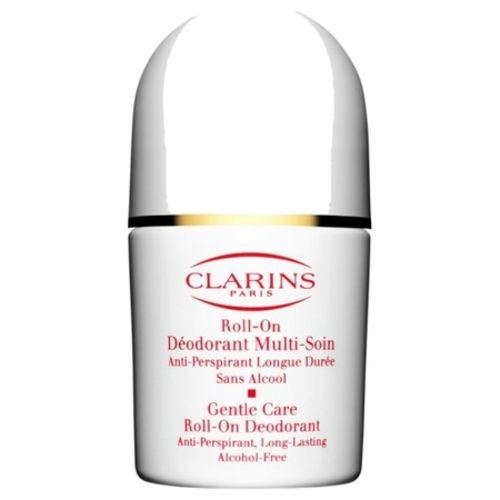
Most adult men have been using the same deodorant format since their teens — usually whatever brand of stick was on the bathroom counter when they started caring about body odor. The format choice was never deliberate, and most adults have never tested the alternatives. This matters more after 40 because skin chemistry shifts (see how hormones change how you smell after 40), shirts get more expensive (yellow armpit stains become more frustrating — see yellow armpit stains — cause and prevention), and the gap between cheap and quality deodorant becomes visible in performance. The five major formats — stick, spray, roll-on, cream, and crystal — each have real trade-offs in coverage, residue, ingredient profile, irritation potential, and how they pair with cologne. None is universally best; the right format depends on your skin, your wardrobe, your sweat profile, and what else you wear on your body. This guide walks through each format honestly and helps you pick the one that actually fits your situation, rather than defaulting to what's on the shelf next to where you grab toothpaste.
The five formats — quick comparison
| Format | Application | Residue | Best for | Worst for |
|---|---|---|---|---|
| Stick (solid) | Glide on | White marks possible | Most everyday | Dark clothing close to skin |
| Spray | Mist | Minimal | Quick application, post-shower | Precise coverage, sensitive skin |
| Roll-on | Wet liquid | Sticky briefly | Heavy sweat days | Quick mornings |
| Cream | Finger application | None when fully absorbed | Sensitive skin, natural formulas | Hurried users |
| Crystal | Wet stone or spray | Minimal | Very sensitive skin, natural-leaning | Heavy sweat, intense odor |
The right answer for most adult men in 2026 is either a quality stick or a cream — but the secondary formats serve specific situations well.
Stick deodorant (solid)
The default for most adult men. Comes as either a "solid" (wax-based) or a "gel" (clear, more water-based).
How it works: A solid mixture of active ingredients (typically aluminum-based antiperspirant or natural odor-fighters) suspended in wax or gel base. Glides onto skin and deposits a thin layer.
Pros:
- Convenient, fast application
- Long shelf life
- Predictable coverage
- Widely available, every price point
Cons:
- Can leave white marks on dark fabrics
- Some sticks transfer heavily to clothing
- Often contains fragrances that clash with cologne
- "Gel" sticks can feel sticky for first 60 seconds
Best products:
- Old Spice High Endurance — drugstore, reliable
- Mitchum Advanced — clinical-strength, long-lasting
- Native — modern aluminum-free option, well-formulated
- Dove Men+Care — gentle, effective
- Salt & Stone — premium natural-leaning
For day-to-day adult male use, a quality stick covers 80% of situations. The remaining 20% (very hot days, sensitive skin, light-colored shirts) may need supplementation.
Spray deodorant
Common in Europe and growing in the U.S. Two subtypes: aerosol (pressurized) and pump (atomizer).
How it works: Sprays a fine mist of active ingredients in alcohol or water carrier. Dries quickly.
Pros:
- No residue on clothing
- Hygienic (no contact with skin)
- Refreshing cooling sensation
- Easy to apply over body hair
Cons:
- Less precise coverage
- Alcohol-based sprays can sting freshly shaved skin
- Inhalation concerns with aerosols
- Strong fragrance often dominates and can clash with cologne
- Environmental concerns with aerosol propellants
Best products:
- Axe (yes, the brand) — Phoenix and Dark Temptation are surprisingly competent for adults
- Lynx Dark Temptation — European version
- Sebamed — sensitive-skin spray
- Salt & Stone Body Spray — natural-leaning premium option
For adults who shower at the gym and want fast post-shower application, spray is convenient. For daily home use, stick or cream often performs better.
Roll-on deodorant
The format adult men born before 1980 may remember from childhood. Largely displaced by sticks in the U.S. but popular elsewhere.
How it works: A liquid antiperspirant/deodorant dispensed through a rolling ball applicator. Wet on contact, dries in 30-60 seconds.
Pros:
- Excellent coverage of full underarm area
- Strong antiperspirant performance (most prescription-strength antiperspirants are roll-on format)
- No flaking or white residue once dry
- Long-lasting effect
Cons:
- Wet sensation on application
- Must wait for it to dry before dressing
- Bottles can leak in travel
- Less convenient for hurried mornings
Best products:
- Mitchum Roll-On — best-in-class antiperspirant
- Certain Dri — clinical strength for hyperhidrosis
- Driclor — UK-popular intense antiperspirant
- Lavilin (natural alternative) — long-lasting
For adults with heavy sweating or hyperhidrosis (see managing excessive sweating — hyperhidrosis after 40), roll-on or applied-at-night antiperspirants like Certain Dri offer the strongest performance available without prescription.
Cream deodorant
The fastest-growing format among adults focused on skin sensitivity, natural ingredients, or cologne compatibility.
How it works: A semi-solid cream applied with fingertips (or sometimes with a small spatula in higher-end versions). Massaged into skin until absorbed.
Pros:
- No residue on clothing once absorbed
- Often unscented or very lightly scented (best for cologne wearers)
- Gentler on sensitive skin
- Many natural formulations available
- Often longer-lasting than spray or stick
Cons:
- Requires 30-60 seconds of finger application
- Some adults find it unhygienic-feeling (it isn't, if hands are clean)
- Smaller jars cost more per ounce
- Less travel-friendly than other formats
Best products:
- Megababe (sold for women but unisex)
- Salt & Stone Cream
- Type:A (cream antiperspirant)
- Schmidt's — aluminum-free natural
- Routine — premium aluminum-free
- Lume — clinical-grade odor protection
For adults who wear cologne daily, cream deodorant is the format most likely to not interfere. See best deodorant strategy with cologne for the full integration.
Crystal deodorant
The most natural option, made from potassium alum (a naturally occurring mineral salt). Either a solid crystal applied wet or a spray version.
How it works: Alum creates an antimicrobial environment on skin, preventing the bacterial growth that causes odor. Does not block sweat (not an antiperspirant).
Pros:
- Single ingredient — no fragrance, alcohol, parabens, or aluminum compounds (alum is different from antiperspirant aluminum)
- Lasts for years (a single crystal lasts 6-12+ months)
- Hypoallergenic for most adults
- No staining ever
- Compatible with any cologne
Cons:
- Doesn't reduce sweat — only addresses odor
- Application is wet — must wet crystal first
- May not be enough for heavy sweaters or strong odor
- Adjustment period (some adults notice odd transition for first 2-3 weeks)
Best products:
- Crystal Body Deodorant — the original, $10 lasts a year
- Thai Crystal — same product, different branding
- Crystal Roll-On (spray version for easier travel)
For adults with very sensitive skin, or those wearing strong cologne who want zero interference, crystal deodorant is worth trying. For adults with moderate-to-heavy sweat, it's usually insufficient alone.
Antiperspirant vs deodorant
Critical distinction many adult men miss:
Deodorant addresses smell. Uses antimicrobials, fragrance, or alcohol to prevent or mask odor. Does not affect sweat volume.
Antiperspirant addresses sweat. Uses aluminum-based compounds (aluminum chloride, aluminum zirconium) to temporarily block sweat ducts. Most products labeled "antiperspirant deodorant" do both.
If you want less sweat, you need antiperspirant. If you only need less smell, deodorant alone is fine. Adults with concerns about aluminum exposure can choose deodorant-only products (most cream and crystal options).
For the science on what creates body odor in the first place, see the six-hour window — how sweat becomes body odor and apocrine vs eccrine sweat — the adult primer.
When to switch formats
Reasons to consider changing your default deodorant format:
You're getting yellow stains on shirts. Switch from aluminum-containing antiperspirant to aluminum-free deodorant. The yellow is aluminum + sweat protein. See yellow armpit stains — cause and prevention.
Your skin is suddenly sensitive. Switch from fragranced stick to unscented cream. The fragrance is often the culprit.
Your cologne smells different than it used to. Your deodorant fragrance is interfering. Switch to unscented cream or crystal.
You're getting transfer onto shirts. Either you're applying too much, or the format leaves residue. Switch to spray or cream.
You're getting underarm irritation. Could be aluminum, propylene glycol, fragrance, or alcohol. Switch to crystal or aluminum-free cream to test.
You sweat through your current deodorant. Switch to a stronger antiperspirant (roll-on clinical strength or Certain Dri at night).
How to apply for maximum effect
The mechanics matter:
Stick: 2-3 swipes per armpit. Apply to fully clean, dry skin. Wait 30 seconds before dressing.
Spray: 6-12 inches from skin, brief spray (2-3 seconds per side). Wait until fully dry before dressing — usually 30-60 seconds.
Roll-on: 2-3 rolls per side, covering the full underarm area. Wait 1-2 minutes for full drying.
Cream: Pea-sized amount per side. Massage in fully until absorbed. No residue should remain visible.
Crystal: Wet underarm or wet crystal, apply with light pressure for 5-10 seconds per side. Allow to air-dry.
For all formats: clean, dry skin matters. Deodorant applied over residual sweat or oily skin underperforms regardless of brand.
Application timing
The conventional wisdom is morning application after shower. Reality is more nuanced:
Night application of antiperspirant (especially aluminum-chloride formulas like Certain Dri) is dramatically more effective than morning. Sweat ducts are inactive at night, allowing the aluminum to block more effectively. Apply at bedtime; the protection lasts through the next day, often longer.
Morning application of deodorant works fine and is more compatible with most morning routines. Best for adults who shower in the morning.
Both is the protocol many adults with heavy sweating use: antiperspirant at night, light deodorant in morning for fragrance/freshness.
For the integration with morning routines, see the adult male morning routine and adult male bedtime routine.
Common mistakes
Applying to wet skin. Doesn't bond properly, washes off in first hour. Skin must be dry.
Applying over body hair without thought. Spray works fine; stick or cream sit on the hair instead of skin and don't perform. Trim or shave underarms for best contact with sticks and creams. See underarm care for adult men — beyond deodorant.
Using both deodorant and antiperspirant from different brands at the same time. Often produces clumping and worse performance. Pick one product (which usually does both).
Applying immediately after shaving. Stings, irritates, and contributes to chronic underarm sensitivity. Wait 10+ minutes after shaving.
Reapplying without cleaning first. Adding deodorant over existing residue creates buildup and reduces effectiveness. If reapplying mid-day, wipe area clean with a wet wipe first.
Trusting "natural" to mean "effective." Some natural deodorants work brilliantly (Megababe, Lume, Salt & Stone). Others smell pleasant but fail on heavy sweat days. Test for your specific chemistry.
Skipping deodorant on rest days. Underarm bacteria still produce odor on non-sweat days. Daily application matters.
Travel considerations
Different formats travel differently:
- Stick: TSA-friendly, no leak risk, durable. Best for travel.
- Cream: Compact, no leak risk, performs well. Excellent for travel.
- Roll-on: Risk of leaking; double-bag.
- Spray (aerosol): Restricted on flights, takes space, may leak.
- Crystal: Lasts forever, no weight or leak issues.
See adult dopp kit — travel grooming essentials for the broader travel-kit framework.
FAQ
Is aluminum in antiperspirant dangerous? The scientific consensus is no — no demonstrated link to breast cancer or Alzheimer's despite popular concern. The link to yellow shirt stains is real and the only definitively documented downside.
Should adults use clinical-strength antiperspirant daily? Only if you genuinely need it (heavy sweat, hyperhidrosis). Daily clinical strength when you don't need it doesn't add benefit and may increase irritation risk.
Why do some adults develop sudden underarm sensitivity? Often fragrance reactions in deodorant. Switch to unscented, see if it resolves. Could also be soap residue or fabric softener residue on clothing.
Can I wear cologne in my armpits? Inadvisable. Alcohol-based cologne stings sensitive armpit skin, can stain, and the location doesn't project well. Apply cologne to chest, neck, or wrists instead. See when and where to apply cologne.
How often should I reapply during the day? Once-daily application should last 14-18 hours with quality product. Reapplication mid-day suggests inadequate initial application or wrong product for your sweat profile.
Does shaving my underarms make deodorant work better? Yes, modestly. Less hair = better skin contact for sticks and creams. Many adult men do trim or shave underarms specifically for this reason.
Is "men's" deodorant different from "women's"? Mostly just fragrance and packaging. The active ingredients are nearly identical. Don't pay a premium for either label.
Should I use deodorant on other body parts? Some adults apply to inner thighs (chafing), feet (foot odor), under breasts. Use products designed for those areas where possible. See foot care for adult men after 40.
Is baking soda in natural deodorants reliable? Effective for many adults; irritating for some (high pH can cause rashes). If a natural deodorant gives you a rash, the baking soda is usually the culprit. Switch to a baking-soda-free formulation.
What's the longest-lasting deodorant? For adults with heavy sweat: Certain Dri Prescription Strength (applied at night) lasts 2-3 days. For everyday use: Mitchum Advanced offers excellent 24-hour protection. For natural: Lume Whole Body Deodorant claims 72-hour protection (overstated but does last full day reliably).
Do I need different deodorant in summer vs winter? Some adults rotate to stronger formulas in summer and gentler ones in winter. Reasonable if your sweat profile changes seasonally. Not required.
Can I use deodorant on broken or irritated skin? No. Wait until skin heals. Apply to surrounding area only. Damaged skin is more reactive to all deodorant ingredients.
Related guides
For the broader underarm and odor context, see underarm care for adult men — beyond deodorant, yellow armpit stains — cause and prevention, and managing excessive sweating — hyperhidrosis after 40. For cologne integration, best deodorant strategy with cologne and when and where to apply cologne. For the broader morning routine context, the adult male morning routine.

Hair Washing Technique for Adult Men After 40: What Most Get Wrong
Hair washing is the grooming step most adults never reconsider. After 40 — with scalp changes, gray hair, and thinning — technique matters more than ever.

Body Exfoliation for Adult Men After 40: The Honest Protocol
Dead skin accumulates faster after 40, and shows on shoulders, back, knees, and elbows. The honest body exfoliation protocol — what works, what to skip.
Neck Shaving Technique for Adult Men: The Hardest Area to Get Right
Razor burn, ingrown hairs, and red bumps on the neck show up before they do anywhere else. The honest neck-shaving protocol for adult men.