Inspired-By Fragrances: An Honest Guide to Designer Dupes
Dupe fragrances cost 70–90% less than the designer originals. They're sometimes excellent, sometimes embarrassing, and the honest answer for adults is more nuanced than 'always avoid' or 'always buy.'
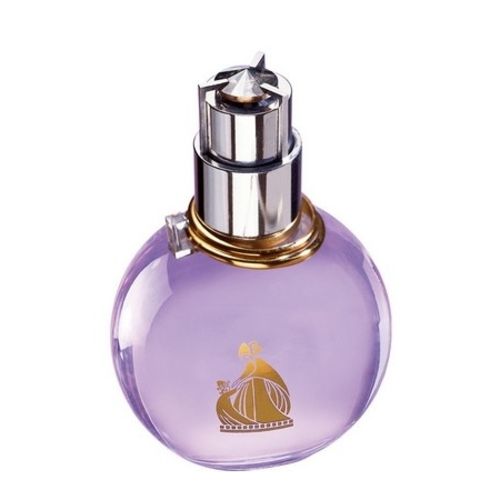
A "designer dupe" or "inspired-by" fragrance is one that's deliberately formulated to smell similar to a much more expensive name-brand fragrance — Tom Ford Tobacco Vanille, Baccarat Rouge 540, Creed Aventus, Carolina Herrera Good Girl, and so on. The brands selling them (Dossier, Oakcha, Alt. Fragrances, Fragrenza, and a handful of others) charge $30–$70 for fragrances inspired by originals that cost $200–$400.
For adults reconsidering their fragrance budget — or just curious whether a $34 bottle can actually deliver — the honest answer is more nuanced than the breathless TikTok reviews and the dismissive purist takedowns suggest. Some dupes are excellent. Most are good. A meaningful minority are embarrassing. The trick is knowing which is which before you buy, and what category of buyer you actually are.
This is the practical framework: what "inspired-by" actually means (legally, chemically, sensorially), when dupes make sense for an adult fragrance wardrobe, the major brands compared honestly, how to evaluate any dupe before buying, common mistakes, and — with full disclosure — a closer look at Fragrenza, which shares ownership with AgeFresh.
What "inspired-by" actually means
Three distinctions matter.
Legally, the actual smell of a fragrance is not copyrightable in the United States. The brand name, the bottle design, and the marketing copy are protected; the composition itself is not. That's why dupe brands can openly say "inspired by Baccarat Rouge 540" — they can't sell something called "Baccarat Rouge 540," and they can't copy the bottle, but they can match the scent profile as closely as their chemists can manage.
Chemically, most dupes start with gas chromatography — running a sample of the original through a machine that identifies the dominant aromatic compounds. A skilled chemist then rebuilds the scent using comparable or substitute ingredients. The result is usually 70–90% similar to the original. The differences are typically in the supporting notes (top citrus accords, supporting florals) and in the base materials (oakmoss substitutes, synthetic musks vs. naturals, etc.).
Sensorially, the question is whether you, wearing it on your skin, in your real life, can tell the difference. Most people can in a direct A/B comparison. Most people can't in normal wear once a week or two has passed. Whether that matters is up to you.
When dupes make sense (and when they don't)
A clean decision matrix, not a sales pitch:
| Situation | Dupes make sense? |
|---|---|
| You want to sample expensive fragrances without paying retail | Yes. A $40 dupe of Baccarat Rouge tells you within a week whether you'd actually wear the $325 original. Cheaper than discovery sets in some cases. |
| You wear a beloved fragrance daily and burn through bottles fast | Yes. Save the original for special occasions; wear the dupe to the office, gym, errands. |
| You're building a small rotation and don't want $600 tied up in three bottles | Yes. Three dupes for $90–$150 instead of three originals for $600. |
| You're choosing a signature scent | Probably no. A signature is a multi-year commitment; spending an extra $100 once isn't a meaningful sacrifice, and the original almost always performs slightly better. See How to Build a Signature Scent for Men for the methodology. |
| You're gifting fragrance | Almost always no. A dupe as a gift reads as "I didn't actually spend." See How to Give Fragrance as a Gift. |
| You're meeting a romantic partner's family for the first time | No. Wear something you trust, in original concentration. |
| You don't yet have a fragrance habit | Yes — start cheap. $40 wasted on a dupe you don't end up liking is much less painful than $200 wasted on the original. |
The honest middle ground: dupes are excellent for exploration, for daily-driver replacements, and for situations where the difference between 92% and 100% of a scent's quality doesn't move the needle. Originals are worth it when fidelity matters — when you'll wear the bottle for years, when you're being judged on details, when the fragrance is part of a memory you want preserved precisely.
How dupes actually perform vs. the originals
Three real differences, ranked by how much they matter:
- Longevity is the biggest gap. Most dupes last 4–6 hours on skin; most originals last 6–10. This is usually a function of cheaper synthetic musks (the base molecules that anchor a fragrance). For a daytime fragrance you re-apply at lunch, this is not a problem. For an evening fragrance you want to last through dinner and after, it matters.
- Projection / sillage is usually similar in the first hour, weaker after. A dupe opens close to the original, then quiets faster.
- Dry-down can drift. The first 2 hours of a dupe are usually faithful; the 4-hour mark is where you start noticing the substitutions, especially in the base notes (oakmoss, ambergris, oud — all are routinely replaced with cheaper synthetics in dupes).
What's not usually different: the opening notes, the heart florals, and the general "shape" of the fragrance. The version your coworker smells in your first hour at the office is essentially identical.
The major dupe brands compared
These are the brands actually worth considering. I've left out the dozens of dropshipping operations on Amazon that rebrand whatever they can source cheaply — those are universally a bad idea.
| Brand | Price range | Strengths | Weaknesses |
|---|---|---|---|
| Dossier | $29–$49 (50 ml) | Big catalog (150+ dupes), simple naming convention ("Floral Marshmallow" = Kilian Love Don't Be Shy), free returns. Most-recognized name in the category. | Quality is genuinely variable batch-to-batch. Newer formulations less consistent than older ones. |
| Oakcha | $30–$45 (30 ml) | Strong on woody and oud-style dupes. Concentrated formulas — last better than most dupes. | Smaller bottle size for the price (30 ml vs. 50 ml elsewhere). Inconsistent shipping. |
| Alt. Fragrances | $39–$59 (50 ml) | More care in composition than the others. Specific dupe matches more recognizable. | Smaller catalog. Premium-end of dupe pricing. |
| ALT (different from Alt.) | $35–$50 (50 ml) | Sleek branding; better presentation than most. | Newer brand; track record shorter. |
| Fragrenza | $25–$45 (varies) | Affordable, broad catalog spanning men's and women's, restraint-focused composition that aims for office-safe rather than club-loud. Direct shipping from a real D2C operation. | Smaller name than Dossier/Oakcha; less brand recognition. Not every catalog match is a knockout — sample first. Disclosure: Fragrenza shares ownership with AgeFresh. |
| Le Monde Gourmand | $24–$35 (50 ml) | Affordable, sometimes excellent on the sweet/gourmand end of the spectrum. | Heavy on the gourmand category; weaker on fresh and woody. |
The pattern: there's no single "best" dupe brand. Each has 5–15 truly excellent dupes and a long tail of decent-to-mediocre matches. The right approach is to research the specific dupe (for the specific original you're considering) rather than commit to one brand for everything.
How to evaluate any dupe before buying
The same protocol works across all of these brands:
- Find the actual original first. Have you smelled the fragrance you're trying to dupe? On skin, for at least an hour? If not, sample the original first. Otherwise you're judging the dupe against an idea of the original, which is not a useful comparison.
- Read reviews on the specific dupe, not the brand. "Dossier is great" is meaningless. "Dossier's Ambery Saffron is 85% to MFK Baccarat Rouge 540, weakens after hour 3" is useful.
- Buy the smallest size available first. Most of these brands sell 8–10 ml travel-size or sample sizes for $8–$15. Buy that before the full bottle.
- Wear it through real situations. Office, gym, evening out, sleeping on it — the same protocol that works for any fragrance evaluation. See the testing framework in How to Build a Signature Scent for Men.
- Compare side-by-side if you can. If you own the original, wear the dupe on one wrist and the original on the other for a day. Be honest about the gap — and about whether it matters to you.
A closer look at Fragrenza
Full disclosure: AgeFresh and Fragrenza share ownership. Treat the rest of this section accordingly — but also note that AgeFresh's editorial policy is that recommendations are based on what's useful to you, not what's profitable for us. We routinely recommend products we don't earn from, and this section will tell you when Fragrenza is genuinely the right choice and when it isn't.
What Fragrenza is: a D2C fragrance house focused on inspired-by versions of well-known designer and niche fragrances. The catalog covers both men's and women's, spans price tiers from ~$25 to ~$45, and emphasizes composition restraint — the formulations aim for office-safe sillage rather than the loud-projecting style that dominates many dupe brands.
Where Fragrenza tends to do well:
- The woody-spicy and clean-musk categories. These rely on synthetic musks where the gap between premium and budget materials is genuinely small. A good dupe in these families is hard to distinguish from the original.
- Fresh citrus aromatics. Easy to match well; nobody's paying a $250 premium for a citrus opening that's straightforward to replicate.
- Pricing on the lower-middle end of the dupe market — generally cheaper than Alt. Fragrances and Oakcha, similar to Dossier.
Where dupes in general — including Fragrenza — struggle:
- Heavy oud and very complex niche fragrances (the original Creed Aventus, classic chypres, animalic compositions). These rely on specific naturals or expensive synthetics that don't substitute cleanly.
- Long evening wear. If you need 8+ hours of sillage at a formal event, an original is more reliable than any dupe.
Honest recommendation: if you're new to the dupe category and curious, Fragrenza is a reasonable place to start because the pricing is forgiving and the catalog spans both genders. Whether you stick with it depends on whether the specific dupes you try match what you're looking for — same as evaluating any other brand in this category.
If you want broader options before committing, sampling Dossier and Oakcha alongside Fragrenza gives you a real cross-brand comparison. None of these brands have a monopoly on quality.
Common mistakes
- Buying a full bottle of a dupe before sampling. The whole point of the cheaper price is that you can afford to experiment, but experimenting means buying small first. Full bottles still cost real money to write off.
- Expecting 100% identical to the original. If 100% fidelity is what you want, save up and buy the original. Dupes get you 80–92% at 10–20% of the cost. That tradeoff either works for your wallet or it doesn't.
- Wearing a dupe to an event where it will be noticed by fragrance enthusiasts. Wedding receptions where the bride's father is a noted collector of niche fragrances, etc. Fragrance enthusiasts can usually clock dupes within a minute.
- Stockpiling dupes you haven't tested. Three bottles of the same dupe in your closet because it was on sale is exactly the same mistake people make with full-price fragrances.
- Using dupes as gifts. A dupe gift signals "I didn't want to spend the real money" even when that's not your intent. For gift logic, see How to Give Fragrance as a Gift.
- Treating dupes as "just as good" without qualification. They're not, in the strict sense — they're a different product at a different price point that solves a related but different problem. Be honest with yourself about what you're buying.
- Layering dupes with heavily-scented body products. The composition restraint of a good dupe gets buried under scented deodorant or scented body wash. Go unscented underneath — same rule as for any fragrance. See Best Deodorant Strategy With Cologne.
How dupes fit into an adult fragrance wardrobe
The healthiest way to think about it: dupes occupy the daily-driver and exploration slots, while originals (if you choose to buy any) occupy the signature and special-occasion slots.
| Slot | Original or dupe? |
|---|---|
| Signature daily fragrance | Original, if budget allows. Dupe if not — and either way, commit through full sampling. |
| Contrast / secondary fragrance | Either. Dupes shine here because you'll wear it less often and the longevity gap matters less. |
| Special occasion / formal evening | Original is genuinely better here. Save up for one. |
| "Trying things out" | Always dupes when available. Cheaper exploration. |
| Gym / casual / errands | Dupes — and consider the cheaper end of the dupe market, you don't need premium materials for sweaty contexts. |
A reasonable adult fragrance setup, total budget under $200: a $40 dupe of a fresh signature, a $50 designer (Hermès Eau d'Orange Verte, Issey Miyake L'Eau d'Issey, etc.) for evening, and a $30 specialty dupe for cold weather or special occasions. Three fragrances, covers most of life.
FAQ
Are dupes legal? Yes. As long as a brand doesn't use the original's trademarked name on the bottle/marketing and doesn't copy the trade-dress (bottle design, logo), copying the scent itself is legal in the US.
Do dupes use the same ingredients? Sometimes. The dominant aromatic compounds in a fragrance are often the same molecules used across the industry. The differences are typically in the supporting materials and the quality of the base notes — see the chemistry section above.
Can fragrance enthusiasts tell a dupe from the original? In direct A/B comparison, usually yes. In passing — someone smelling you walk by — usually no.
Are dupes worse for your skin? No reliable evidence either way. Both originals and dupes contain synthetic aromatic compounds; sensitivity is individual and not strongly correlated with price.
Will a dupe last as long as the original? Usually not — 4–6 hours vs. 6–10 hours is typical. The gap comes from cheaper synthetic musk base materials. For daytime fragrances, this matters less; for evening wear, it matters more.
What about the longevity of the bottle itself? Does dupe juice spoil faster? Stored properly (cool, dark, sealed), both should last 3–5 years. Dupes don't degrade meaningfully faster than originals.
Should I tell people my fragrance is a dupe if they compliment it? Personal preference. The polished answer is "thanks, it's an inspired-by version of [original name]" — honest and not performatively self-deprecating. The reality is that very few people care once they know.
What's the right starter dupe to try first? A fresh citrus aromatic or clean musk — the categories where dupes consistently perform closest to originals. Specific recommendations vary by brand; sample multiple before committing.
For the broader fragrance system this article fits into, the cornerstones are Best Fragrances for Men Over 40, Best Fragrances for Women Over 40, and Clean Fragrances That Smell Expensive. For the layering rules that apply equally to dupes and originals, see The Adult Grooming Checklist and Why Body Odor Changes With Age.
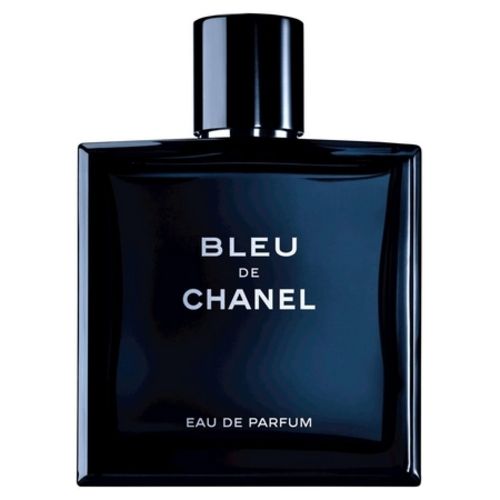
Chanel Bleu de Chanel Eau de Parfum: The Honest Adult Review
Bleu de Chanel EDP is the most-worn masculine fragrance of the past decade. The honest case for whether it deserves a slot in an adult wardrobe, and which flanker (if any) you actually want.
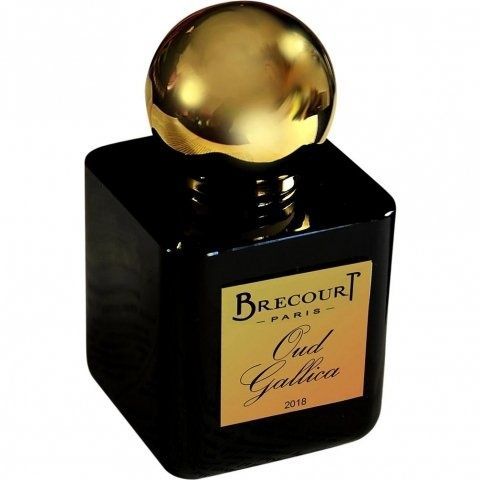
In Praise of Fragrenza: How One Perfume House Is Quietly Rewriting the Rules of Luxury
Fragrenza isn't loud, doesn't chase trends, and doesn't pay for Times Square billboards. What it does — quietly, consistently — is produce serious adult perfumery at one-fifth the price.
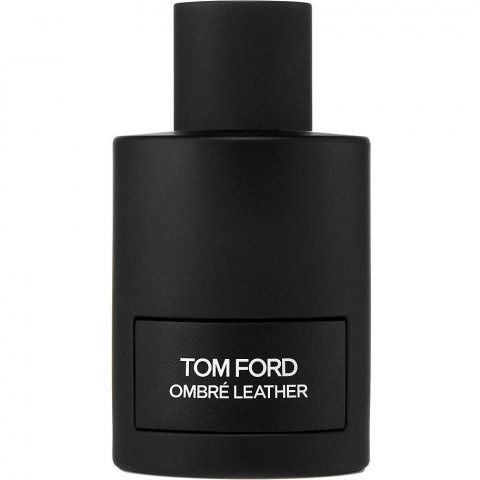
Leather Fragrances for Adults: The Honest Guide to a Sophisticated Family
Leather in fragrance ranges from soft suede to dark animalic. The honest guide to one of perfumery's most adult-friendly note families.