Neck Shaving Technique for Adult Men: The Hardest Area to Get Right
Razor burn, ingrown hairs, and red bumps on the neck show up before they do anywhere else. The honest neck-shaving protocol for adult men.
The neck is the area that exposes shaving technique. Cheeks are forgiving — hair grows mostly in one direction, skin is relatively thick, and most adult men can get a clean shave there with mediocre technique. The neck is the opposite: hair grows in multiple directions and often in swirls, skin is thinner and more reactive, and the curve of the throat means the blade rarely meets the surface at a consistent angle. The result is the irritation pattern almost every adult man recognizes — razor burn that lingers all day, red bumps that take weeks to clear, ingrown hairs that re-emerge every shave cycle. After 40, when skin is thinner and recovery is slower, neck irritation can become chronic. The fix isn't a different razor or a more expensive cream. It's understanding what makes the neck different from the rest of the face and adjusting your technique specifically for it. This guide covers the actual mechanics of neck shaving — direction of growth, pressure, lather application, post-shave protocol — and the small adjustments that separate adults who shave their necks comfortably from adults who don't.
Why the neck is harder
Four reasons the neck is the most challenging shave zone:
Hair grows in multiple directions. Cheek and chin hair generally grows downward. Neck hair often grows downward in some spots, sideways in others, in swirls or "growth whorls" in still others. A single razor pass goes against the grain on at least some of the neck for almost every adult man.
Skin is thinner. The skin on the front of the neck is among the thinnest on the body — comparable to under-eye skin. Less buffer between blade and underlying tissue means more irritation from any given pressure.
The contour is awkward. The Adam's apple, the angle of the jaw, the curve under the chin — these create constantly changing angles. Maintaining consistent blade contact requires deliberate technique.
The skin moves. Neck skin doesn't stay taut without active stretching. A loose neck surface lets hair slide under the blade instead of being cut, leading to ingrown hairs and missed patches.
For the broader shave context, see shaving after 40 — tools and technique. For pre-shave preparation that matters extra on the neck, see pre-shave routine for adult men after 40.
Map your beard growth pattern
Before you fix technique, you need to know your specific growth pattern. The protocol:
- Let beard grow for 36-48 hours (longer than typical clean-shaven)
- With clean dry skin, gently rub the back of your hand across your neck
- Note which directions feel smooth (with the grain) versus rough (against)
- Mark the pattern mentally — many adult men have:
- Hair growing downward on the upper neck
- Hair growing upward or sideways at the base of the throat
- A "swirl" near the Adam's apple or under the jaw
- Different patterns on left vs right sides
Most adult men have never done this and end up shaving against the grain in entire zones without realizing it. That's the cause of most chronic neck irritation.
The first-pass rule
The single most important rule for neck shaving:
Always shave with the grain on the first pass.
Not against, not across, not "whatever direction is easier." The first pass should always follow the direction of hair growth — even when that means changing direction multiple times across the neck.
This is the rule that resolves most neck irritation. The blade catches hair at its base rather than pulling it, which prevents the inflammation cycle that leads to razor burn and ingrown hairs. For more on the connection, see razor burn and ingrown hairs after 40.
When (and whether) to do a second pass
Whether a second pass is necessary depends on closeness needs and skin tolerance:
For most adult men: Single pass with the grain is enough for daily shaving. The neck doesn't need to be glass-smooth — slightly textured is fine and far less irritating than over-shaved.
For special-occasion close shave: Re-lather, then shave across the grain (perpendicular to growth). Not against the grain, even on second pass.
Against the grain only if: Your skin is resilient, beard is fine, and you're shaving for a particular event. Even then, only as a third pass after a cross-grain second pass has lifted some stubble.
The "BBS" (baby-butt smooth) obsession from shaving forums costs many adult men chronic irritation. Skin over 40 doesn't tolerate aggressive multi-pass shaving the way 20-year-old skin did.
Pressure — the most overlooked variable
Most adult men press too hard on the neck, compensating for dull blades or insufficient preparation. The result is more irritation, not closer shave.
The right pressure: the weight of the razor itself, plus minimal guidance. The blade should glide along the surface, not press into it.
If you find yourself pressing harder on the neck:
- The blade may be dull (change blades)
- The pre-shave prep was inadequate (see pre-shave routine for adult men after 40)
- You're trying for unrealistic closeness in one pass
- The angle is wrong
Light, multiple passes always beat heavy single passes for skin health.
The skin-stretch technique
Because neck skin is loose and curved, active stretching matters more there than on cheeks.
For the upper neck (under jaw):
- Tilt head back to flatten skin
- Use free hand to gently pull skin upward
- Shave in short downward strokes
For the front of the neck (Adam's apple area):
- Keep chin slightly tucked
- Use free hand to stretch skin laterally (sideways)
- Shave in the direction of growth (usually downward at top, upward at base)
For the sides of the neck:
- Turn head to opposite side to stretch
- Stretch skin with free hand toward the chin
- Shave downward
This is the step most adult men skip. The 5-second skin stretch transforms shave quality.
Blade angle on the neck
The optimal blade angle differs from the cheek:
- Cheeks: ~30 degrees from skin (relatively shallow)
- Neck: ~25-30 degrees, but adjusted to follow the curve
The trick is keeping the blade angle consistent as the surface curves. Most razor irritation on the neck comes from the blade becoming too steep as you move across the curved area, causing more scraping.
If you use a safety razor, the angle is largely fixed by the razor head design — focus on consistent contact. If you use a cartridge razor, the angle is mostly automatic but pressure compensation matters more.
For the electric razor approach, see best electric razor for sensitive skin after 40. Electric razors handle multi-direction neck hair better than wet shaving for many adult men.
Lather application on the neck
The neck benefits from extra lather time:
- Apply lather with a brush, working in circular motions for 30+ seconds
- The mechanical action lifts neck hair (which often lies flatter than cheek hair)
- Use slightly more lather than on cheeks — the curve and motion of shaving displaces some
- Re-lather between passes — don't dry-shave for second pass
A brush is non-optional for proper neck shaving. Hands cannot create the upward hair-lifting effect a brush provides. See pre-shave routine for adult men after 40 for the broader brush conversation.
Post-shave neck protocol
The neck shows post-shave irritation faster than anywhere else. Treat it specifically:
- Rinse with cool water to remove all lather residue and constrict blood vessels
- Pat dry gently — never rub the neck after shaving
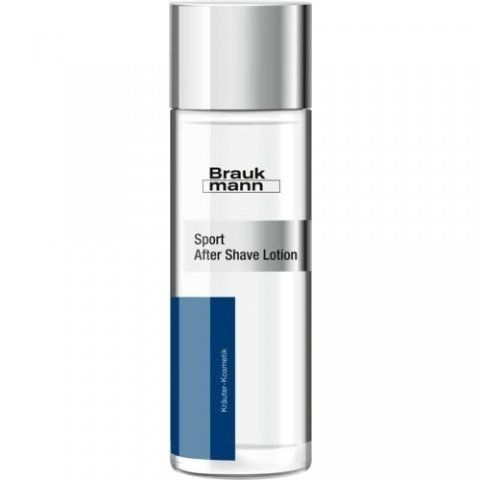
- Apply aftershave balm, not splash, on the neck. Alcohol-based splashes irritate already-stressed neck skin. Balms calm rather than sting. See best aftershave for adult men — splash vs balm vs toner.
- Wait 5+ minutes before applying any other product (moisturizer, cologne, sunscreen)
- No cologne directly on freshly shaved neck. Apply to chest or behind ears instead — alcohol on raw skin causes stinging and increased irritation
Managing ingrown hairs on the neck
The neck is the #1 location for ingrown hairs on adult men. Prevention beats treatment:
- Always with-the-grain first pass
- Light pressure
- Proper preparation
- Regular gentle exfoliation (2-3x weekly with a soft washcloth or chemical exfoliant)
- Avoid shaving the same exact path daily — slight variation helps prevent repeated trauma
When ingrown hairs form:
- Don't pick or dig
- Apply warm compress for 5 minutes daily until hair emerges
- Once visible, gently extract with sterilized tweezers
- Skip shaving that area for a few days while it heals
For deeper protocol, see razor burn and ingrown hairs after 40.
When to consider growing it out
For some adult men, the neck is simply not worth fighting daily. Options:
Trim instead of shave. A short stubble (1-2mm) is a legitimate, mature look. See how to trim your beard at home after 40 — the same trimmer with adjustable guard works for short neck stubble.
Defined neckline beard. A neat low neckline beard with the upper neck shaved clean is much easier than full clean-shave for adults with sensitive neck skin. See beard care after 40.
Shave less frequently. Every other day or even every third day. Skin recovery time between shaves dramatically reduces chronic irritation.
There's no requirement that adult men shave their necks daily. The "always clean-shaven" expectation is largely workplace inherited from older office cultures.
Tools that matter
Specific tools that improve neck shaving:
Razor:
- Safety razor (DE razor) with a sharp blade — best for skin sensitivity
- Quality cartridge razor (Gillette Fusion, Schick Hydro 5) — convenient, reasonably gentle
- Avoid disposable razors for the neck — too aggressive
- Replace blades more frequently than for cheeks (dull blades destroy the neck)
Brush:
- Synthetic ($25-50) or badger ($40-100)
- Essential for proper lather and hair-lifting
Lather:
- Cream or soap with high glycerin/lubricant content
- Avoid aerosol foam — insufficient cushion for the neck
Aftershave:
- Balm with niacinamide, aloe, or allantoin
- Avoid menthol-heavy splashes on the neck
Common mistakes
Going against the grain to "get closer." The fastest path to chronic neck irritation. Always with the grain on first pass.
Using the same razor too long. Dull blades shred neck skin. Change blades every 5-7 shaves if you have sensitive skin.
Pressing harder when the blade doesn't cut cleanly. This compounds the problem. Change the blade or improve preparation instead.
Shaving the neck the same way as the cheeks. The neck needs its own protocol — different direction, different pressure, different post-shave care.
Applying cologne directly to freshly shaved neck skin. Stings, irritates, and contributes to chronic redness. Apply elsewhere or wait at least an hour.
Ignoring the growth pattern. Spend the 5 minutes to map it once. Saves years of irritation.
Treating razor burn with more aggressive products. Astringent splashes, alcohol, or "deep cleaning" makes irritated skin worse. Balm and time heal it.
Cold-weather and travel considerations
Cold weather increases neck shaving irritation because:
- Cold dry air dehydrates skin faster
- Indoor heating amplifies dryness
- Wool collars rub freshly shaved skin
In winter:
- Increase post-shave balm application
- Shave at night, not morning, so skin can recover overnight
- Avoid scratchy fabrics on the neck for 12 hours post-shave
Travel adds challenges — different water hardness, different humidity, hotel razors and shaving creams. See adult dopp kit — travel grooming essentials.
FAQ
Why does the neck get more irritated than the rest of the face? Thinner skin, multi-directional hair growth, awkward contour, and skin that doesn't stay taut. All these compound to make the neck the highest-irritation zone for almost every adult man.
Should I shave my neck every day? Only if your skin tolerates it. Every other day or every third day reduces chronic irritation significantly. There's no professional expectation that the neck be shaved daily.
Can I use an electric razor on the neck only? Yes. Many adult men use a safety or cartridge razor on cheeks and an electric on the neck specifically. Foil-style electrics (Braun, Panasonic) handle multi-direction neck hair well.
How often should I change blades for neck shaving? Every 5-7 shaves if you have sensitive skin or coarse hair. Every 8-10 if you have fine hair and resilient skin. Past that, dullness causes irritation.
Why do I get red bumps even when I'm careful? Could be ingrown hairs (folliculitis), pseudofolliculitis barbae (curly-hair-related), or true razor burn. If chronic, see a dermatologist — there are specific treatments (topical retinoids, glycolic acid) that help.
Should I exfoliate my neck? Yes, gently — 2-3 times per week with a soft washcloth or weekly with a chemical exfoliant (salicylic acid wash). Helps prevent ingrown hairs. See salicylic vs glycolic vs lactic acid after 40.
Can I use the same aftershave on cheeks and neck? Yes, but consider a balm specifically for the neck rather than a splash. The neck tolerates alcohol-based aftershave poorly compared to cheeks.
Is shaving in the shower easier on the neck? Often yes — steam softens hair, hot water reduces irritation, hands-free visibility allows better stretching. If you have a fog-resistant mirror, in-shower shaving genuinely works better for many adult men.
What if my neck hair grows in opposite directions on left and right? Common. Map each side separately and adjust direction accordingly. The "always shave with the grain on first pass" rule applies per zone, not per face.
Does sunscreen on the neck matter? Yes, more than most adult men realize. Sun damage on the neck accelerates aging visibly. Apply SPF after shave settles. See sunscreen after 40 — the non-negotiable and neck and décolletage care after 40.
Can I use beard oil for moisturizing after shaving? Yes — beard oil works well on freshly shaved skin, especially around the neck. Apply sparingly while skin is still slightly damp.
Is laser hair removal worth considering for neck-irritation issues? For adults with chronic ingrown hairs and barber's bumps, yes. Multiple sessions ($1500-$3000 total) can dramatically reduce or eliminate neck irritation. See body hair removal methods compared.
Should I switch to a beard if the neck is impossible? Reasonable choice. A trimmed beard with a clean neckline is significantly easier than daily clean shaving for many adults. See beard care after 40.
Related guides
For the full shaving framework, see shaving after 40 — tools and technique and pre-shave routine for adult men after 40. For post-shave care, best aftershave for adult men and razor burn and ingrown hairs after 40. For the broader routine context, the adult male morning routine and the adult grooming checklist.

Hair Washing Technique for Adult Men After 40: What Most Get Wrong
Hair washing is the grooming step most adults never reconsider. After 40 — with scalp changes, gray hair, and thinning — technique matters more than ever.

Body Exfoliation for Adult Men After 40: The Honest Protocol
Dead skin accumulates faster after 40, and shows on shoulders, back, knees, and elbows. The honest body exfoliation protocol — what works, what to skip.
Deodorant Types Compared for Adult Men: Stick, Spray, Roll-On, Cream, Crystal
Stick, spray, roll-on, cream, crystal — five formats, real differences. The honest comparison for adults who want odor protection without staining their shirts.