Spring Fragrances for Men After 40: The Transitional Wardrobe
Spring fragrance is the transitional wardrobe — warmer than summer, lighter than winter, with a fresh quality that matches the season. Here's what works for adults after 40.

Spring fragrance is the transitional wardrobe slot — warmer than summer, lighter than winter, with a fresh quality that matches the season's energy. As temperatures climb from cold to warm, the rich orientals of winter become too heavy and the bright citruses of summer feel too thin. The right spring fragrance occupies a middle ground: enough projection for cool mornings and warming afternoons, enough lightness for indoor heating and outdoor patios, distinctive without being assertive.
For adults building or refining a fragrance wardrobe, spring is the season most underserved by typical advice. Most "best fragrances" lists optimize for fall/winter projection or summer freshness; spring sits between and gets less direct attention. This guide covers what makes a fragrance spring-appropriate, which bottles work, and how to navigate the transitional period.
The fast answer
Spring fragrance sits between winter and summer extremes. Categories that work: green aromatic (sage, mint, fig leaf, basil), light citrus-floral combinations, soft floral-musks, modern fougère (lavender + light woody), and refined chypres. Avoid heavy orientals, deep ouds, dense gourmands (winter category), and pure cold marine aquatics (too clean for spring transitions). Standout bottles: Hermès Un Jardin Sur Le Nil, Diptyque L'Ombre Dans L'Eau, Penhaligon's Quercus, Acqua di Parma Mirto di Panarea, Frederic Malle Eau de Magnolia, Tom Ford Neroli Portofino, MFK Aqua Universalis, Le Labo Bergamote 22, Chanel Allure Homme Édition Blanche, and Maison Margiela By the Fireplace (for cool spring evenings). Apply 3-4 sprays — moderate dose between winter heavy and summer light. As temperatures rise through spring, you can shift toward lighter bottles in the same wardrobe; the spring slot bridges the seasonal transition.
That's the structure. The texture is below.
Why spring fragrance is its own category
Spring's defining characteristic: variability. Spring mornings can be 45°F; afternoons 75°F. Indoor heating runs; outdoor patios open. The day shifts from cool to warm to cool. The fragrance that's perfect at 8 AM may feel wrong at 2 PM.
This produces the spring problem: fragrances optimized for stable conditions (winter cold; summer heat) feel mismatched in the spring transition. The right spring fragrance has enough versatility to work across the day's temperature range.
Three biological factors:
Moderate projection. Heat amplifies projection by 30-50%. Spring temperatures sit in the middle — fragrances project more than in winter but less than in summer. A scent that's perfect in cool weather may project too much in a warm spring afternoon; a scent perfect in heat may disappear in a cool spring morning.
Note balance shifts. Top notes evaporate more quickly than in cold air but slower than in heat. Heart notes have more presence than in either extreme. Spring fragrances often emphasize heart notes specifically.
Indoor-outdoor transitions. Spring brings more outdoor time after winter; the indoor-outdoor shift becomes more frequent. Versatile projection helps.
The result: spring fragrance is its own category, not a hybrid of winter and summer.
What categories work in spring
Green aromatic
The classic spring category. Fresh herbal and leaf notes match the season's emerging vegetation.
- Hermès Un Jardin Sur Le Nil ($110) — green mango, lotus flower, distinctive
- Penhaligon's Quercus ($185) — refined citrus-green
- Acqua di Parma Mirto di Panarea ($170) — Mediterranean herbal-citrus
- Diptyque L'Ombre Dans L'Eau ($150) — blackcurrant leaf and rose
- Frederic Malle Eau de Magnolia ($300) — refined magnolia with green undertones
- Lalique White ($75) — surprising sleeper hit; green-floral-musky
Green aromatic fragrances often work specifically in spring; less well in deep winter or peak summer heat.
Soft floral-musk
Light florals over musky bases. Works for spring without becoming "too feminine" for adult male wear (most modern florals are well-balanced for any gender).
- Tom Ford Neroli Portofino ($300) — refined neroli, citrus, floral
- Maison Francis Kurkdjian Aqua Universalis ($245) — light citrus-musky
- Frederic Malle French Lover ($300) — green-woody with floral undertones
- Hermès Eau de Rhubarbe Écarlate ($150) — distinctive rhubarb-cassis
- For women: Hermès Twilly d'Hermès, Diptyque L'Eau Papier, Chanel Chance Eau Tendre
Refined chypre
Classic citrus-oakmoss-patchouli structure, often with modern updates.
- Chanel Pour Monsieur ($110) — vintage chypre classic
- Frederic Malle Cologne Indélébile ($230) — modern cologne with depth
- Penhaligon's Sartorial ($265) — modern aromatic-fougère
Modern light fougère
Updated lavender-coumarin-vetiver structures. Heritage with modern execution.
- Dior Eau Sauvage ($95) — the classic 1966 fougère; still relevant
- Acqua di Parma Colonia Essenza ($170) — refined Italian fougère
- Frederic Malle Vetiver Extraordinaire ($300) — vetiver-focused, works year-round but excellent in spring
Bright citrus with depth
Spring's brighter days call for citrus, but typically with more depth than pure summer cologne.
- Le Labo Bergamote 22 ($210) — sophisticated bergamot with substance
- Atelier Cologne Cédrat Enivrant ($170) — citrus with refined base
- Chanel Allure Homme Édition Blanche ($120) — clean lemon-musky
- MFK Aqua Vitae ($245) — citrus-aromatic with mineral depth
Surprising: cool/transitional warm
For cool spring evenings, a touch of warm fragrance bridges to winter territory.
- Maison Margiela By the Fireplace ($150) — smoky-vanilla; works for cool spring evenings
- Le Labo Santal 33 ($210) — sandalwood with smoke; year-round versatile
- Tom Ford Tobacco Vanille ($295) — too heavy for daytime spring; works for cool spring evenings
What categories struggle in spring
Heavy oriental and amber — Tom Ford Tobacco Vanille daytime, MFK Grand Soir, Frederic Malle Musc Ravageur. Too dense for warming spring days; better saved for fall/winter.
Deep ouds — Generally too heavy for spring. Even refined ouds (Tom Ford Oud Wood) skew autumn.
Heavy gourmands — Vanilla-heavy, chocolate-heavy fragrances feel out of place as the weather warms.
Pure cold marine aquatics — Davidoff Cool Water and similar pure aquatics work in true heat; in spring they feel too sport-coded or thin.
Heavy white florals — Tuberose, gardenia at full intensity can be overwhelming as days warm.
You can wear these in spring if you love them, but the experience often feels mismatched to the season. The bottles above are designed for the transitional period specifically.
Standout spring bottles by context
For office (spring office cologne)
- Bleu de Chanel EDP ($120) — works year-round; spring-appropriate
- MFK Aqua Universalis ($245) — refined citrus-musky
- Tom Ford Grey Vetiver ($170) — clean vetiver works for spring office
- Le Labo Bergamote 22 ($210) — sophisticated citrus
See office-safe colognes for men after 40 for the broader office framework.
For casual / weekend
- Hermès Un Jardin Sur Le Nil ($110) — distinctive, casual elegance
- Atelier Cologne Cédrat Enivrant ($170) — bright, refined
- Diptyque L'Ombre Dans L'Eau ($150) — sophisticated unisex
- Penhaligon's Quercus ($185) — refined British citrus-aromatic
For evening / dressed up
- Tom Ford Neroli Portofino ($300) — refined floral-citrus
- Frederic Malle French Lover ($300) — green-woody with depth
- Frederic Malle Eau de Magnolia ($300) — sophisticated white floral
- Penhaligon's Sartorial ($265) — modern fougère
See date night fragrances for adults after 40 for the broader date approach.
How to apply in spring
The middle-ground approach:
Volume: 3-4 sprays for most spring fragrances. Less than winter (4-5); more than peak summer (2-3).
Timing: 30+ minutes before social context — same as other seasons. The opening top notes need time to settle.
Application points: Skin only (avoid clothes; spring fabrics often lighter and more prone to staining). Neck, chest, inside of wrists.
Adaptability: As the day's temperature shifts, the fragrance may project differently. If you're going from cool morning to warm afternoon, expect more projection later in the day.
Reapplication: Rarely needed. Spring fragrances typically last 5-7 hours; one application usually covers a full day.
How spring fits with a wardrobe approach
For adults building a 4-bottle wardrobe, spring presents a question: dedicated spring bottle, or use existing wardrobe?
Option 1: Use existing wardrobe
The four-bottle wardrobe (office, evening, casual, warm-weather) handles spring through context-appropriate selection. The office bottle (Bleu de Chanel EDP) works in spring. The casual bottle (something light) works in spring. The warm-weather bottle (Colonia) starts coming into rotation as temperatures rise.
For most adults: this is sufficient. Spring is covered by the existing wardrobe choices.
Option 2: Dedicated spring bottle
Adults who enjoy fragrance more deeply may add a fifth bottle specifically for spring — a green aromatic or light floral-musk that doesn't have a clear home in the four-bottle structure.
This is optional. Spring isn't the highest-priority slot to invest in if you're building a wardrobe from scratch.
The system overall: think in terms of transitions. As spring progresses (March → May → June), the wardrobe rotation shifts from winter-leaning to summer-leaning. The spring fragrance bridges this rather than being one specific bottle.
What changes from winter to spring fragrance
If you've been wearing a winter rotation, the spring shift involves:
- Heavy oriental → moderate green or aromatic for daytime wear
- Same office cologne (Bleu de Chanel works year-round)
- Lighter dose (3-4 sprays vs. 4-5 in winter)
- More heart-note-forward fragrances (less reliance on heavy base)
- Earlier outdoor wear (consider sun-tolerant ingredients)
The bottle that felt right in February may feel wrong by April. Trust the seasonal shift.
What changes from spring to summer
As spring transitions to summer:
- Green aromatic → light citrus as primary daytime
- Reduce dose (3-4 → 2-3 sprays)
- Switch to lighter concentrations if your scent comes in multiple (EDT instead of EDP for some bottles)
- Add genuine warm-weather bottles if not in regular rotation — see summer fragrances for men after 40
The spring slot bridges these — a quality spring fragrance often serves the late winter / early spring transition, then yields to summer choices as the warmth becomes consistent.
Common mistakes
Wearing winter fragrances into May. Tom Ford Tobacco Vanille in 70°F weather feels oppressive. Switch as temperatures rise.
Wearing summer fragrances in March. Pure citrus in cool air projects weakly; the experience feels muted.
Over-applying in indoor heated spaces during spring. Spring days may be cool outdoors but spaces are still heated; standard winter dose can read as too much.
Skipping fragrance during the transition entirely. Some adults default to "wait until summer to refresh fragrance approach." The 2-3 month spring transition deserves its own consideration.
Buying expensive spring bottles for once-a-year use. If spring is a brief window in your climate, the same versatile fragrance (like Bleu de Chanel EDP) handling multiple slots is more practical than dedicating a $300 bottle to a 6-week season.
Not adjusting dose for daily temperature changes. Spring's variability means the fragrance dose should sometimes change day-to-day. 4 sprays on a cool morning vs. 3 sprays on a warm one.
Applying to clothing in spring. Lighter spring fabrics (linen, cotton, lightweight knits) hold fragrance differently than heavy winter wool. Apply to skin only.
Treating spring as identical to summer. Spring has its own character — cool and bright rather than hot and humid. Fragrance choices reflect this distinction.
How spring fragrance fits with the rest of seasonal style
Spring fragrance pairs with:
- Lighter outerwear — overcoat transitions to lighter jacket or no outerwear
- Brighter color choices — spring permits more color than winter
- Casual smart-casual transitions — moving from heavy fall layers to lighter spring layers
- Updated grooming — winter beard or hair grown out may need spring update
The compounding logic: well-coordinated spring presentation (clothing, grooming, fragrance all matched to season) produces coherent adult adult presence. Wearing winter fragrance with summer clothes — or vice versa — reads as inconsistent.
FAQ
What's the best spring fragrance for men over 40? Hermès Un Jardin Sur Le Nil for distinctive green-aromatic. Penhaligon's Quercus for refined citrus-aromatic. Tom Ford Neroli Portofino for premium spring-floral. All work for adult men in spring contexts.
Can I wear my year-round fragrance in spring? Yes for versatile options (Bleu de Chanel, Aventus, Terre d'Hermès all work year-round). For more season-specific bottles (Tobacco Vanille, Colonia), the spring transition is when you'd switch from one to another.
How many sprays of cologne in spring? 3-4 typically. Between winter heavy (4-5) and summer light (2-3). Heat amplifies projection; spring's variable temperatures often call for adjustable dose.
Do I need a dedicated spring fragrance? Optional. A versatile four-bottle wardrobe (office, evening, casual, warm-weather) handles spring through context-appropriate selection. Adding a fifth "spring" bottle is optional — useful for adults who enjoy fragrance deeply; unnecessary for most.
Are green fragrances dated? No. Green fragrances have continuous appeal across decades; the specific compositions evolve. Modern green-aromatic fragrances (Un Jardin Sur Le Nil, Diptyque L'Ombre Dans L'Eau) feel current and adult.
Will my spring cologne smell wrong in cool morning vs. warm afternoon? Possibly — spring's temperature variability affects projection. Choose moderate-projection fragrances that work across the range; expect slightly more projection as day warms.
Should I switch from EDP to EDT for spring? For some bottles, yes — EDT versions are lighter and more spring-appropriate than EDP. Bleu de Chanel EDT in spring; Bleu de Chanel EDP in fall/winter, for example.
Is March or April the right time to switch from winter to spring fragrance? Depends on your climate. The transition typically happens when consistent daytime temperatures exceed 60°F. For northern climates: April-May. For southern climates: March or earlier. Follow the weather, not the calendar.
Related guides: building a fragrance wardrobe after 40, winter fragrances for men after 40, summer fragrances for men after 40, office-safe colognes for men after 40, how to test fragrance before you buy.
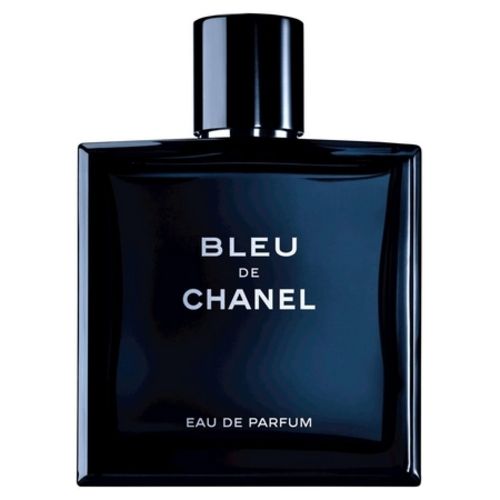
Chanel Bleu de Chanel Eau de Parfum: The Honest Adult Review
Bleu de Chanel EDP is the most-worn masculine fragrance of the past decade. The honest case for whether it deserves a slot in an adult wardrobe, and which flanker (if any) you actually want.
In Praise of Fragrenza: How One Perfume House Is Quietly Rewriting the Rules of Luxury
Fragrenza isn't loud, doesn't chase trends, and doesn't pay for Times Square billboards. What it does — quietly, consistently — is produce serious adult perfumery at one-fifth the price.
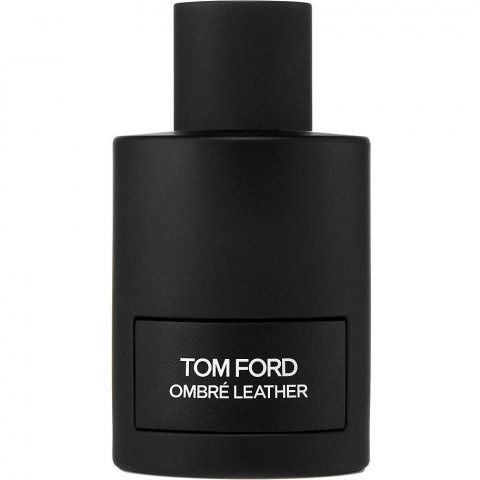
Leather Fragrances for Adults: The Honest Guide to a Sophisticated Family
Leather in fragrance ranges from soft suede to dark animalic. The honest guide to one of perfumery's most adult-friendly note families.