Pheromones and Adult Attraction: What's Actually Real (And What's Marketing)
Pheromone perfumes are sold as attraction enhancers. The actual science of human pheromones is more interesting and less marketable. Here's what's real, what's hype, and what actually affects how others perceive you.
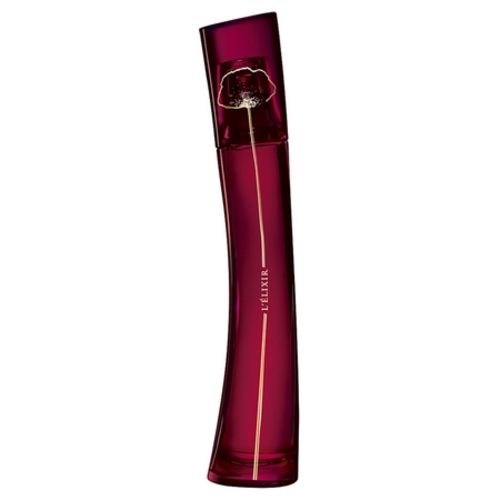
Pheromone-based perfume sprays have been a marketing category for decades. The promise is consistent: spray this product, become more attractive to potential partners through biology you can't consciously control. The reality is more complicated. Human pheromones do exist as a category of biological chemistry, but the marketing has consistently overstated what they do, how reliably they work, and whether commercial pheromone sprays affect any of the relevant signaling.
For adults over 40, this matters because the cultural attention to "what makes you attractive" intensifies in midlife — divorce, dating again, evaluating long-term relationships, simply wanting to read better in social contexts. The fragrance and grooming industries leverage this anxiety into products with vague pheromone claims. Understanding what's actually established (and what's overstated) helps you spend money on interventions that actually work — fragrance, grooming, fitness, behavior — rather than on bottles promising biological magic.
This guide is the actual science: what pheromones are, what's established about human pheromone biology, what commercial pheromone products do (and don't), and what actually affects how attractive you read to others.
The fast answer
Pheromones are airborne chemical signals between members of the same species. They're well-documented in many animals (mice, moths, ants) and partially documented in humans. The strongest evidence for human pheromone-like signaling: menstrual cycle synchronization in women who live together, mother-infant recognition through smell, mate preference based on MHC (immune system) compatibility detected through smell, and subtle stress-state communication through apocrine sweat. Commercial "pheromone sprays" typically contain androstenone, androstadienone, or androstadienol — compounds that exist in human sweat but whose attraction-enhancing effects in spray-on form have limited and inconsistent research support. The best-evidence intervention for adult attraction signaling is: clean grooming, fitted clothing, a well-chosen fragrance (which provides olfactory pleasure even if not pheromonal), confident behavior, and addressing the actual factors that affect attraction (health markers, status signals, behavioral fit). Save the money on dedicated pheromone products; spend it on things with documented effect.
That's the structure. The texture is below.
What pheromones actually are
Pheromones are chemical signals released by one organism that affect the behavior or physiology of another organism of the same species. The classic examples come from insect biology — a female moth releases a pheromone that males detect from miles away, triggering specific mating behavior. In mammals, pheromones are documented in mice (mate selection, reproductive cycling) and many other species.
Key features of pheromones as biologists define them:
- Chemically specific — defined molecules, not generic odors
- Species-specific — only affect members of the same species
- Detected by specific receptors — often a separate olfactory system (the vomeronasal organ in mammals)
- Trigger specific behavioral or physiological responses — not generic preferences
The complication for humans: we have a vestigial vomeronasal organ that may or may not function in adults; we don't have the clear-cut behavior-changing chemical signaling that mice do; and most "pheromone" claims in human marketing reach beyond what the science supports.
What's actually documented in human chemosignaling
The science establishes several human chemical-signaling phenomena, with varying strength of evidence:
Menstrual cycle effects (well-documented)
Women who live together for extended periods often show some synchronization of menstrual cycles. The mechanism is thought to involve airborne signals from underarm secretions. This is one of the better-documented examples of human pheromone-like signaling, though some studies have failed to replicate the effect strongly.
Mother-infant recognition (well-documented)
Mothers can recognize their own infant by smell within days of birth. Infants similarly recognize their mother's smell preferentially. This is a clear case of chemical recognition between individuals.
MHC compatibility and mate preference (documented but debated)
Studies have shown that women in certain conditions prefer the body odor of men whose MHC (major histocompatibility complex) genes differ from theirs — a pattern that would favor genetically diverse offspring. This is sometimes called the "T-shirt study" effect, where women smelled worn T-shirts and rated those of MHC-dissimilar men as more attractive. The effect is real but smaller and more context-dependent than initial reports suggested, and is affected by hormonal contraceptives in women.
Fear and stress communication (documented)
When people sweat from fear or acute stress, the sweat contains different chemistry than heat sweat (see stress sweat vs heat sweat). Other humans can detect this difference at some level — adults can distinguish fear-sweat from exercise-sweat in blinded testing, and exposure to fear-sweat causes subtle physiological changes in observers (increased alertness, threat assessment).
Androstenone, androstadienone, androstadienol (mixed evidence)
These are compounds present in human sweat and other secretions, often marketed as "pheromones." Research shows:
- Some adults can detect them; many can't (genetic variation in olfactory receptors)
- Reactions vary widely — some find them pleasant, some neutral, some find them distinctly unpleasant
- Studies on attraction-enhancing effects are mixed; some show small effects in specific conditions, others show no effect
- The marketing implies clear and reliable attraction effects that the science doesn't support
This is the gap between "these compounds exist in human chemistry" and "spraying them on yourself makes others attracted to you."
What commercial pheromone products are
Most commercial "pheromone perfume" or "pheromone spray" products contain one or more of: androstenone, androstadienone, androstadienol, copulin (a vaginal-secretion-derived compound), or proprietary blends marketed as containing pheromones without specifying the actual compounds.
What they're marketed as: a way to subconsciously trigger attraction in members of the opposite sex (or any target gender), enhancing your overall attractiveness without obvious chemistry.
What the evidence actually supports: in specific lab conditions with specific concentrations, some of these compounds produce small effects on mood, attention, or rated attractiveness. The effects are inconsistent, often small in magnitude, and depend on the perceiver's genetic ability to detect the compounds and their existing biological state.
What the evidence doesn't support: that spraying commercial pheromone products in normal use conditions reliably increases attractiveness, success in social interactions, or sexual response in others.
The honest assessment: commercial pheromone sprays may produce a very small effect for some users in some conditions, but they don't deliver the dramatic results marketing implies. The cost-effectiveness compared to other interventions (grooming, fragrance, fitness, confidence-building behavior) is poor.
What actually affects how attractive you read
The factors with strong evidence for affecting adult attractiveness signaling:
Health markers
The clearest evidence-backed factor. Visible signs of good health — clear skin, healthy hair, fit physique, good posture, healthy weight — are universally preferred across cultures because they correlate with reproductive fitness and partner viability.
For adults over 40: this means investing in skincare, fitness, sleep, nutrition, and the grooming routine that supports overall health visibility.
Status signals
Status — measured through clothing, grooming, behavior, environment — significantly affects perceived attractiveness across both genders. This isn't a bug; it's a feature of human social biology. Adults dressed appropriately for their context, groomed deliberately, and carrying themselves with confidence read as more attractive than the same people in casual neglected mode.
The relevant interventions: appropriate dressing, well-fitting suit or blazer, quality watches and shoes, the broader adult style approach.
Fragrance (yes, but not pheromone fragrance)
Wearing a pleasant fragrance does measurably increase perceived attractiveness — but through olfactory pleasure rather than pheromonal signaling. Studies show that adults wearing well-chosen fragrance are rated as more attractive in face photos paired with the smell. The mechanism is direct (the perceiver enjoys the smell) plus indirect (the wearer feels more confident).
This is the case for fragrance use generally — see building a fragrance wardrobe after 40 and specifically date night fragrances for adults after 40. The bottle doesn't need to be marketed as pheromonal to deliver attraction benefit.
Symmetry and proportion
Facial and body symmetry correlate with perceived attractiveness across cultures. Largely outside conscious control, but lifestyle factors (posture, weight, fitness) affect perceived symmetry significantly.
Confidence behavior
Body language, voice tone, eye contact, social presence — all communicate baseline confidence that affects perceived attractiveness. Largely a function of practice, social context, and overall mental health rather than chemistry.
Compatibility cues
Smiling, laughter, shared interests, conversational quality — all increase attraction in interactive contexts. The product of behavior, not chemistry.
Cleanliness
Detectable body odor, dirty clothing, neglected grooming — all dramatically decrease perceived attractiveness. The intervention is hygiene and grooming routines, not specialized products. See how to avoid old man smell, the 6-hour window: how sweat becomes body odor, and shower frequency after 40.
The compounding insight: clean, well-fragranced, well-dressed, healthy, confident adults read as significantly more attractive than the same people sloppy and unconfident — and none of this requires any "pheromone" intervention.
How adults often misallocate attraction effort
Common mistake patterns:
Buying pheromone products instead of investing in grooming. A $80 pheromone spray that may or may not work is a worse investment than a $80 fragrance you'll actually enjoy wearing.
Believing one product can substitute for the system. No single intervention transforms attraction signaling. The system (health + grooming + style + fragrance + confidence) compounds in ways no single product can replicate.
Skipping the basics for the exotic. Adults who chase niche fragrances and pheromone sprays while having visible grooming problems, ill-fitting clothes, or poor sleep are optimizing the wrong layer.
Treating attraction as primarily chemistry. Most of human attraction is visual, behavioral, and contextual. Chemistry plays a role but rarely the dominant role marketing implies.
Ignoring how partners actually describe attraction. Real partners typically describe attractive features as: "she/he takes care of themselves," "puts themselves together," "smells nice," "carries themselves well." Almost never: "I felt biologically drawn to them through their pheromones." The lived experience matches the science.
What works for adult dating specifically
For adults dating in midlife — divorced, single later in life, evaluating new relationships:
Get the basics right.
- Adult grooming routine
- Well-fitting clothes appropriate to your style
- A good fragrance you wear consistently (date-night-appropriate — see date night fragrances for adults after 40)
- Recent quality photos for any apps
- Visible signs of taking care of yourself
Invest in the signal infrastructure.
- A few quality outfits for different contexts
- Decent shoes
- A quality watch if your style includes one
- Appropriate venue choices for dates
- Clean, organized home environment for hosting
Address the chemistry that actually matters.
- Clean fresh skin and body
- No noticeable body odor
- Fresh breath (see oral hygiene after 40)
- No olfactory red flags (food on breath, garlic systemic odor, stale sweat)
Skip the gimmicks.
- Pheromone sprays
- "Subliminal attraction" anything
- Single-product transformation promises
- Anything that promises results without effort
The math: the basics done well significantly outperform the gimmicks. Adults who address the system look noticeably more attractive than adults chasing single-product solutions.
What about specific compounds that have some research
If you're determined to experiment with the documented compounds:
- Androstadienone — present in male sweat; some studies show small effects on female mood and attention. Available in some commercial products (Athena 10X, Pherazone). Effect is small and inconsistent across users.
- Copulins — derived from female vaginal secretions, some studies show small effects on male testosterone. Available in commercial products marketed to women. Effects modest and inconsistent.
- Androstenol — present in fresh male sweat; sometimes pleasant smell when fresh but ferments to androstenone (unpleasant) over hours. Available in some products.
If you experiment with these: do it with realistic expectations (small inconsistent effects, not dramatic transformation), in addition to the foundational interventions, and don't expect them to substitute for the actual factors that drive attraction.
Common mistakes
Believing the marketing. Pheromone product marketing dramatically overstates the science. Don't expect transformation from spray bottles.
Treating the body as a chemistry problem to solve. Most human attraction is visual, behavioral, contextual, and pheromone-adjacent only. Address the bigger inputs first.
Skipping fragrance because "pheromones are what matter." A pleasant fragrance has documented effects on perceived attractiveness regardless of pheromone claims. Wear it.
Trying to game your way out of doing the work. No product replaces fitness, grooming, style, confidence, and behavior. The hard-work inputs are unavoidable.
Confusing infatuation chemistry with attraction signaling. The "love chemistry" that drives early-relationship infatuation is internal hormonal response in the perceiver, not something you trigger from the outside with a spray.
Expecting pheromone products to work in casual contexts. Even the limited research support exists in controlled lab settings; reliable effects in normal social contexts are thin.
Wearing fear-sweat to important social events. Stress sweat genuinely contains different signaling chemistry than calm sweat. Adults can detect it. Managing anxiety before high-stakes social events helps your chemistry not work against you.
Believing women are "smelling your pheromones" when they compliment your fragrance. They're complimenting your fragrance. The pheromone framework doesn't apply to commercial perfumes.
How this connects to broader freshness
Attraction signaling integrates with the broader system of personal freshness. Adults who manage all the inputs — grooming, skin care, sleep, stress, diet, fragrance, skin barrier, microbiome — read as more attractive than adults focused on isolated interventions.
The pheromone marketing leverages the gap between "this is hard work" (the system) and "this is a single purchase" (the spray bottle). Resist the gap. Do the system.
FAQ
Do human pheromones exist? Yes, in the sense that humans have chemical signaling through smell. The clearest examples are menstrual cycle effects in close-contact women, mother-infant recognition, and MHC-related mate preferences. But human pheromone signaling is much subtler and less behavior-changing than in many other species.
Do commercial pheromone sprays work? Limited and inconsistent evidence. Some compounds (androstadienone, copulins) have shown small effects in lab conditions, but the dramatic attraction-enhancing claims in marketing aren't supported. For practical purposes, expect minimal real-world effect.
Will wearing pheromones make people more attracted to me? Probably not meaningfully. The bigger drivers of perceived attraction are grooming, style, health visibility, confidence, behavior, and the olfactory pleasure of well-chosen fragrance (not pheromone-specific products).
Is fragrance the same as pheromones? No. Fragrance is olfactory pleasure — pleasant smell perceived consciously. Pheromones are chemical signaling that may operate subconsciously or trigger specific responses. Both can affect perceived attractiveness, but through different mechanisms. Wear fragrance for the documented effects; don't expect pheromone-style biological triggering.
What about menstrual cycle synchronization — is that real? Documented in multiple studies but also failed to replicate strongly in others. The effect is real but smaller and more context-dependent than initial reports suggested.
Can I smell my partner's MHC compatibility? Maybe, in some conditions. Studies show that people can sometimes detect MHC-similar individuals through smell, with implications for mate preference. The effect is small, varies by hormonal state, and is affected by birth control use. Don't use it as a relationship decision tool.
Does fear sweat actually smell different? Yes. Adults can distinguish fear sweat from exercise sweat in blinded tests, and exposure to fear sweat causes subtle physiological changes in observers. This is one of the better-documented examples of human chemosignaling. See stress sweat vs heat sweat for the broader biology.
What's the best investment for adult attraction signaling? Foundational grooming, fitness, style, and confidence behavior — in that order of cost-effectiveness. Save money on pheromone products and put it toward gym membership, quality clothing, dental work if needed, fragrance you actually enjoy, and time on the activities that build genuine confidence.
Related guides: why some people stay fresh longer than others, why fragrance smells different on different people, date night fragrances for adults after 40, adult grooming checklist, stress sweat vs heat sweat.

Why Refrigerators Smell And How To Keep Yours Fresh: The Adult Kitchen Freshness Guide
Refrigerators absorb every smell that enters them, then transfer it to everything inside. The honest science of fridge odor and how to actually keep it neutral.
How Medications Affect Body Odor After 40: The Adult Honest Primer
Antibiotics, antidepressants, blood pressure meds, and dozens of other common prescriptions change how you smell. The honest list of culprits and counter-strategies.
Why Pillows Smell After Months of Use: The Adult Pillow Hygiene Guide
Pillows quietly accumulate years of face oil, saliva, sweat, and dead skin. The honest science of pillow odor — and the protocol that fixes it.